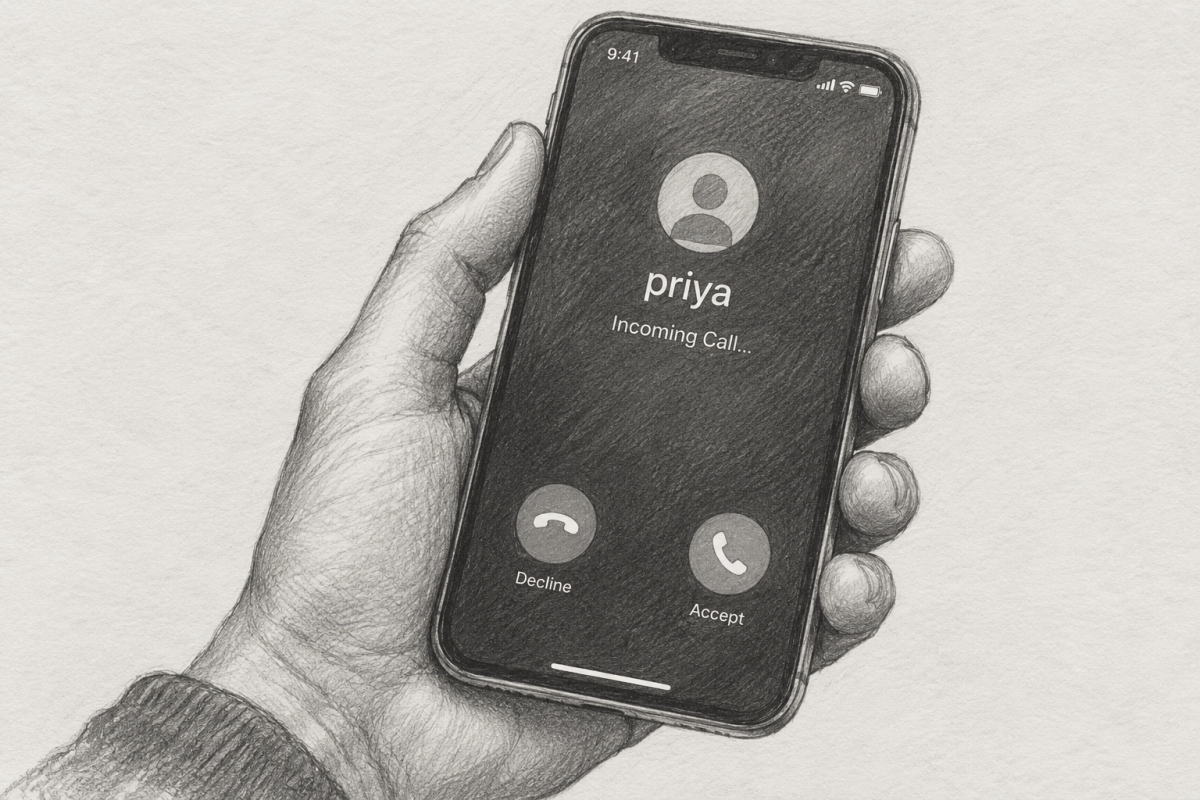
Сан-Францискод төвтэй DetectifAI стартап нь хиймэл оюун ухаанаар үүсгэсэн хуурамч дуу хоолойг илрүүлэх, ухаалаг утасны үйлдлийн системд суурилагдах боломжтой шинэ технологийг хөгжүүлж байна.
Үүсгэн байгуулагч Тарини Падманабхунигийн өвөө дипфэйк технологи ашигласан залилангийн хохирогч болсноос хойш тус компани үүсгэн байгуулагджээ. Хохирогчийн ойр дотнын хүний дуу хоолойг дуурайлган барьцааны мөнгө нэхсэн энэхүү хэргийн дараа тус стартап нь үүлэн тооцоололд суурилсан бус, төхөөрөмжийн дотоод системд шууд ажиллах чадвартай, авсаархан хиймэл оюун ухааны загварыг бүтээхэд анхаарлаа хандуулж байна. Энэ нь дуудлага болон дуут зурвасыг төхөөрөмжөөс гадагшлуулахгүйгээр бодит цаг хугацаанд шалгах боломжийг олгох юм.
DetectifAI нь өөрийн програм хангамжийн хөгжүүлэлтийн хэрэгсэл буюу SDK-г утас үйлдвэрлэгчдэд лицензээр олгож, үйлдлийн системийн үндсэн функц болгон нэвтрүүлэх зорилготой байна. Одоогоор тус стартап Энэтхэгийн санхүүгийн байгууллагуудтай хамтран ажиллаж, өр барагдуулах болон зээлийн бичиг баримтын баталгаажуулалтын хүрээнд сард 100,000 гаруй дуудлагад дипфэйк илрүүлэлт хийж байна.
Тус компани нь Жош Констайн болон Манохар Камат нараас анхан шатны хөрөнгө оруулалт татсан бөгөөд 10-р сарын 13-наас 15-ны хооронд Сан-Францискод болох TechCrunch Disrupt арга хэмжээний Startup Battlefield тэмцээнд оролцохоор шалгарчээ. FBI-ийн мэдээлснээр, өнгөрсөн онд АНУ-д хиймэл оюун ухаанд суурилсан залилангийн улмаас 900 сая орчим ам.долларын хохирол учирсан нь энэхүү технологийн эрэлтийг улам нэмэгдүүлж байна.
Дэлгэрэнгүйг эх сурвалжаас харах
↓Эх сурвалжийг нээх ↓
When the call came, Tarini Padmanabhuni’s grandfather believed he was talking to his brother. The voice on the other end of the line said he’d been kidnapped and that the only way to get him back was to pay a ransom. Her grandfather paid, only to learn later that his brother had been somewhere else entirely, with no clue any of it was happening. The voice, it turned out, was a deepfake, an AI-generated imitation.
“What stayed with me wasn’t the money,” Padmanabhuni says of the incident. “It was that he had no way of telling.”
That was about two years ago. Today, she says, DetectifAI, the San Francisco-based company she founded, aims to ensure that others can’t be hoodwinked the same way.
It’s a big and growing problem, with a market to match. According to the FBI, Americans lost close to $900 million to AI-driven scams last year, up 24% from 2024. People 60 and older lost twice as much as those aged 50 to 59.
There’s no shortage of competition in deepfake voice detection, from companies such as Reality Defender, Pindrop, Resemble AI, Microsoft Azure AI Content Safety, and Nuance (which Microsoft also owns). But today’s detection products, Padmanabhuni argues, run in the cloud on remote servers, so phone makers can’t build them directly into their devices, leaving the person being targeted with little in the way of defense.
Rather than shrinking large cloud models to fit on a phone, as some companies do, DetectifAI says it designs compact AI models from the start that are small enough to run inside a smartphone’s operating system. The aim is to deliver an instant verdict on whether a voice is AI-generated during calls, in voice messages, and in other audio, without the audio ever leaving the device.
DetectifAI is selling first to phone manufacturers, licensing its software tools so that detection can ship as a built-in feature of the phone’s operating system. Her analogy is AT&T’s role in the original iPhone launch, when the carrier’s exclusive deal set it apart from its rivals: the first phone maker to ship DetectifAI will gain an edge over competitors, she argues, and deepfake detection will become a standard spec, like camera resolution.
The core of the product is DetectifAI’s software development kit (SDK), a package of code other companies can build into their products and can be licensed through existing channels. Padmanabhuni says a secondary revenue stream will come from licensing the technology to businesses and fraud-prevention firms.
In the meantime, the startup already has early revenue, according to Padmanabhuni, and handles more than 100,000 calls a month for financial institutions in India. Those calls are placed by AI voice agents that handle debt collections and follow up on loan documents, with deepfake detection and speaker verification (confirming that callers are who they claim to be) on every call. She declined to name customers, citing confidentiality agreements.
Padmanabhuni says she began working in machine learning at age 12 and later studied cyber-physical systems (technology that links software with physical machinery) at Manipal Institute of Technology in India, where she says she became the youngest team lead of what she describes as India’s first driverless racecar division in Formula Student, an international student engineering competition.
Asked about the most rewarding moment for the startup so far, she points to a small WhatsApp beta test in which users forward suspicious voice notes and get back an assessment of whether they’re real. One tester, whose own relatives had been scammed, called to say they would pay for it without hesitation. “My grandfather didn’t have that,” she says.
DetectifAI has so far raised a small seed amount from investors Josh Constine (formerly an editor at TechCrunch) and Manohar Kamath, a principal at the consulting services firm KM Growth. The outfit is one of the startups vetted by TechCrunch’s editorial team to compete in its prestigious Startup Battlefield competition, taking place at TechCrunch Disrupt October 13 to 15 in downtown San Francisco.
When you purchase through links in our articles, we may earn a small commission. This doesn’t affect our editorial independence.

