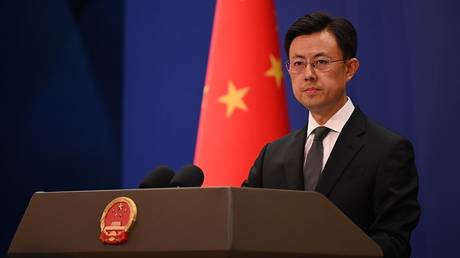
АНУ-ын Ерөнхийлөгч Дональд Трамп Кубыг “бүхэлдээ дампуурсан улс” хэмээн тодорхойлж, засгийн газрын өөрчлөлт хийхийг уриалсны дараа БНХАУ тус улсын дотоод хэрэгт гадны улс оролцохыг эсэргүүцэж буйгаа мэдэгдлээ.
БНХАУ-ын Гадаад хэргийн яамны төлөөлөгч Гуо Жиакун даваа гарагт мэдэгдэл хийхдээ, Кубын үндэсний бүрэн эрхт байдлыг хамгаалах, өөрийн нөхцөл байдалд тохирсон хөгжлийн замыг сонгоход нь дэмжлэг үзүүлэхээ илэрхийлэв. Энэхүү байр суурь нь БНХАУ болон Кубын дипломат харилцаа тогтоосны 66 жилийн ойн хүрээнд гарсан бөгөөд Хятадын тал олон улсын харилцаанд цэргийн хүчээр сүрдүүлэх, дэглэм солих оролдлогыг эсэргүүцдэг бодлоготой нийцэж байна. НҮБ-ын Ерөнхий Ассамблейн чуулганы үеэр БНХАУ-ын дэд Ерөнхийлөгч Хан Жэн Кубыг чиглэсэн хориг арга хэмжээ, бүслэлтийг нэн даруй цуцлахыг холбогдох улсад уриалсан юм.
Куба улс одоогоор хүнс, шатахууны хомсдол болон эрчим хүчний системийн доголдолтой холбоотой сүүлийн хэдэн арван жилд тохиолдоогүй хүнд хямралыг даван туулж байна. АНУ-ын зүгээс Кубын бодлогыг үндэсний аюулгүй байдалд заналхийлсэн “ер бусын аюул” хэмээн үзэж, ОХУ, БНХАУ, Иран зэрэг улстай холбоотой гэж буруутгаж буй юм. Кубын тал АНУ-ын энэхүү дарамтыг эдийн засгийн “олон талт дайн” болон “эрчим хүчний бүслэлт” хэмээн нэрлэж, үүнийг дайны ажиллагаатай дүйцэхүйц алхам гэж мэдэгдэв.
БНХАУ Кубад эрчим хүчний дэд бүтцийн, ялангуяа нарны эрчим хүчний төсөлд хөрөнгө оруулалт хийж, хүнсний тусламж үзүүлж байна. Энэхүү хамтын ажиллагаа нь Хятадын хувьд Латин Америкт худалдаа, дэд бүтцийн төслүүдээ өргөжүүлэх, улс төрийн түншлэлээ бэхжүүлэх стратегийн ач холбогдолтой юм. Куба улс нь БНХАУ-ын “Бүс ба Зам” санаачилгад нэгдсэн бөгөөд олон улсын тавцанд Тайвань, Хонконг, Шинжаантай холбоотой асуудлаар Бээжингийн байр суурийг дэмждэг билээ.
Олон улсын хэмжээнд Кубын эсрэг тогтоосон АНУ-ын хоригийг цуцлахыг дэмжсэн улс орнуудын тоо өндөр хэвээр байна. Тухайлбал, 2025 оны аравдугаар сард болсон НҮБ-ын Ерөнхий Ассамблейн санал хураалтаар 165 улс хоригийг зогсоохыг дэмжсэн юм. ОХУ мөн Кубын хамгийн ойрын түншүүдийн нэг хэвээр байгаа бөгөөд хүмүүнлэгийн тусламж үзүүлж, АНУ-ыг хориг арга хэмжээгээ цуцалж, Кубыг терроризмыг ивээн тэтгэгч улсуудын жагсаалтаас гаргахыг уриалсаар байна.
Дэлгэрэнгүйг эх сурвалжаас харах
↓Эх сурвалжийг нээх ↓
Beijing has vowed to support Havana against external interference after the US president called for “fundamental change” in Cuba
China has vowed to support Cuba against external interference after US President Donald Trump said Havana “will fall” and called for “fundamental change” on the island.
Foreign Ministry spokesman Guo Jiakun made the pledge on Monday as Beijing and Havana marked 66 years of diplomatic relations, saying China will support Cuba in “safeguarding its national sovereignty” and pursuing a “development path suited to its national conditions.”
In an address to the UN General Assembly last week, Trump described Cuba as an “absolutely failed state” and “a haven for foreign adversaries” on America’s doorstep.
What’s happening in Cuba?
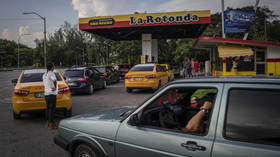
Cuba is enduring its worst economic crisis in decades, marked by chronic fuel and food shortages and prolonged blackouts. Decades of US sanctions have restricted access to financing, fuel, and equipment, compounding low domestic production, dependence on imports, and aging energy infrastructure.
The crisis intensified sharply this year after oil deliveries from Venezuela and Mexico, which together accounted for around 86% of Cuba’s imported crude oil last year, dried up, according to S&P Global. Venezuelan shipments stopped following the US military operation that removed President Nicolas Maduro in January, while Mexico paused deliveries as Washington threatened tariffs on countries that supply Cuba with oil.
Why is the US squeezing Cuba?
Pressure intensified after Trump returned to office. In a January 2026 executive order, he declared Havana’s policies an “unusual and extraordinary threat” to national security and foreign policy. The order accuses Havana of aligning itself with and supporting Russia, China, and Iran, as well as Hamas and Hezbollah. The administration says its policy is aimed at countering these perceived threats while promoting democracy and greater economic freedom in Cuba.
What does Havana say?
Cuba rejects Washington’s characterization of the island as a threat to US national security and argues that the pressure campaign is intended to force political change by worsening its economic crisis. Havana has accused the US of waging a “multidimensional” economic war and says restrictions designed to deter other countries from supplying it with fuel amount to an “energy blockade.” At the UN General Assembly on Saturday, Foreign Minister Bruno Rodriguez likened the measures to a naval blockade and called them an “act of war.”
What is China’s position?
China has framed its support for Cuba as part of a broader foreign-policy approach of defending national sovereignty, opposing external interference and sanctions, and favoring diplomacy over military coercion and regime change.
Beijing has invoked similar principles during the US-Israeli war against Iran this year, opposing attempts at regime change and calling for disputes to be settled through negotiations.
Beijing has pursued what it describes as a multipolar international order based on greater sovereign equality and a stronger voice for developing nations.
Addressing the UN General Assembly on Saturday, Chinese Vice President Han Zheng urged the “relevant country” to “immediately stop using threat of force against Cuba” and “completely lift the blockade and sanctions.”
How is China aiding Cuba?
China has played a major role in the island’s rapid expansion of solar power, supplying equipment and financing. Solar accounted for just 2% of Cuba’s average daily electricity generation in January 2025; by September 2026, renewables as a whole were generating 21.4% of the country’s electricity, according to Cuban President Miguel Diaz-Canel.
Beijing has also provided emergency food aid, while previously restructuring Cuban debt and extending financing.
What’s in it for China?
Cuba gives Beijing a close political partner and a foothold for expanding Chinese trade, investment, and infrastructure projects in Latin America. The island has taken part in the Belt and Road Initiative, China’s global infrastructure and investment program, since 2018.
Havana supports Beijing on key diplomatic issues, including Taiwan, Hong Kong, and Xinjiang, and has endorsed Xi Jinping’s global initiatives. The partnership also gives China another supportive voice as it seeks greater coordination and influence in developing countries.
Who else supports Cuba?
Cuba has enjoyed overwhelming international support at the UN for ending the US embargo. In the latest General Assembly vote in October 2025, 165 countries backed a resolution calling for an end to the embargo; seven voted against and 12 abstained.
Several countries stepped up assistance as Cuba’s crisis deepened. Mexico has sent hundreds of tonnes of food and essential supplies, Spain has reactivated a debt-conversion program, and the EU has provided funding for humanitarian aid.
Russia remains one of Cuba’s closest partners, providing diplomatic and economic support, including $18 million in food assistance through the UN from 2018 to 2025, with another $2 million allocated this year. A Russian tanker carrying 730,000 barrels of crude oil in late March has been Cuba’s only major oil shipment this year.
Russia reiterated its political backing at the UN on Saturday, with Foreign Minister Sergey Lavrov describing Cuba’s humanitarian situation as desperate and calling on Washington to lift the restrictions on the country and remove it from the list of state sponsors of terrorism.

