Парламентын сонгуульд залуучуудын оролцоо эрс багассан нь тус улсын нийгэм, эдийн засгийн гүнзгий хямрал болон эрх баригчдын бодлогод сэтгэл дундуур байгааг илтгэлээ.
Марокко улсад болсон парламентын сонгуульд санал өгөх эрхтэй иргэдийн ердөө 38 хувь нь оролцсон нь сүүлийн хорин жилд тохиолдоогүй хамгийн доод үзүүлэлт болов. Ялангуяа 35-аас доош насны иргэдийн хувьд энэ сонгууль бараг анхааралд өртөөгүй бөгөөд тэдний дөнгөж 19 хувь нь санал өгөхөөр бүртгүүлжээ. Тус улсын 15-аас 30 насны хүн амын гуравны нэг нь ажилгүйдлийн асуудалтай нүүр тулж байгаа нь залуучуудын улс төрийн үйл явцаас хөндийрөх гол шалтгаан болж байна.
Олон улсын валютын сангийн тооцоолсноор, Марокко улс 2030 оны ФИФА-гийн дэлхийн аварга шалгаруулах тэмцээнийг зохион байгуулахад 2024 оны дотоодын нийт бүтээгдэхүүний 12 орчим хувьтай тэнцэх хэмжээний хөрөнгө зарцуулахаар төлөвлөжээ. Нийгмийн эрүүл мэнд, боловсролын салбарт хөрөнгө оруулалт хийхийг шаардсан залуучууд “Дэлхийн аварга хэрэггүй, эрүүл мэндийн үйлчилгээ нэн тэргүүнд” хэмээн эсэргүүцлээ илэрхийлж байсан ч эрх баригчид олон мянган хүнийг баривчлах зэргээр хатуу арга хэмжээ авсан байна.
Тус улсын залуучуудын дунд үүсээд буй ажилгүйдэл, боломж хомс байдал нь тэднийг эх орноо орхин Европын холбооны нутаг дэвсгэр рүү эрсдэлтэй аялал хийхэд хүргэж байна. Испанийн Сеута боомт хотод олон мянган цагаач түр хоргодох байранд амьдарч байгаа нь хүмүүнлэгийн хямрал хурцадсаныг харуулж байна. Хэдийгээр эрх баригчид улс төрийн шинэчлэл хийх амлалт өгч байгаа ч иргэдийн итгэл сул хэвээр байгаа нь ирээдүйн тогтвортой байдалд сөргөөр нөлөөлөх эрсдэлтэй байна.
Дэлгэрэнгүйг эх сурвалжаас харах
↓Эх сурвалжийг нээх ↓
The spectacle of young migrants swimming en masse from Moroccan waters to the Spanish exclave of Ceutaexposed the frustration felt by a generation. One-third of the population of Morocco is aged between 15 and 30, and more than one third of that cohort is unemployed. A dearth of opportunity at home incentivises young men in particular to take huge risks to reach the European Union. More than 100people died in that attempted exodus, most of them bydrowning.
Worryingly, an adequate domestic response to a huge generational challenge is a long way off, if Morocco’s latest parliamentary election serves as anyguide. In the wake of the Arab spring, democratising reforms were introduced to Morocco’s monarchical system. But a decade and a half after thatsupposedly transformative moment, last week’spoll laid bare an alarming collapse of trust inpolitics among the young.
Overall turnout among those who had registered tovote was a miserable 38% – the lowest for two decades. But among those under 35, the election wasineffect ignored, with only 19% bothering to register. In total, less than one in four Moroccans of voting age cast a ballot, as a centre-right coalition ledby the Authenticity and Modernity party held ontopower. In what is essentially a hybrid democracy,where KingMohammed VI retains a dominant role, such numbers suggest grave problemsmay be being stored up for the future.
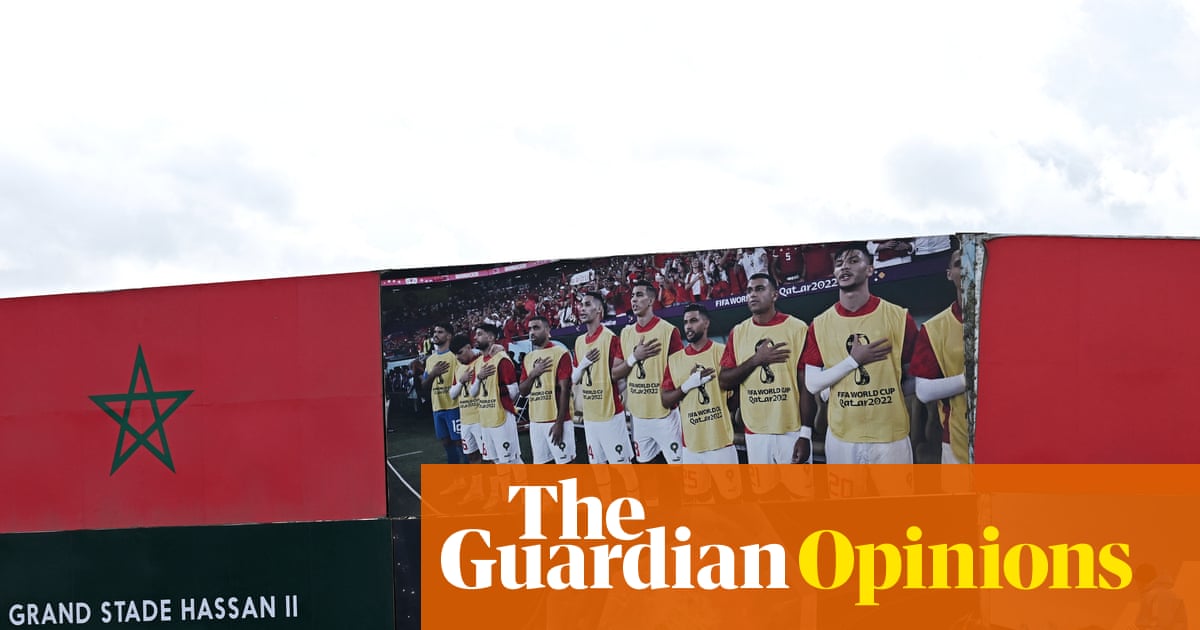
The lack of youthful participation should not be mistaken for apathy and indifference. Exactly a year ago, a gen Z protest movement organised the largest demonstrations since 2011, focused on demands for investment in public goods such as health and education. The demonstrators also gave voice to widespread anger at the vast sums of government money being diverted to preparations for the 2030 Fifa World Cup, which Morocco will host alongside Spain and Portugal. One popular chant in the streets was “Healthcare first – we don’t want the World Cup”. Rattled authorities subsequently made thousands of arrests, amid allegations of brutal beatings. Hundreds remain in prison.
As the young have more or less opted out of mainstream politics, lip service is paid to the need to encourage their greater participation. But there is little chance that the king and his incoming administration will act on demands to shift resources from a World Cup primarily set to benefit big cities and an insider elite. The International Monetary Fund has calculated that expenditure on the tournament could amount to almost 12% of Morocco’s 2024 GDP, and preparations are set to dominate the country’s politics throughout the next parliament. The head of the Royal Moroccan Football Federation, Fouzi Lekjaa, is widely tippedto be the next prime minister, having joinedthe Authenticity and Modernity party a fewweeks before the election.
In Ceuta, a humanitarian emergency continues to unfold as thousands languish in a tented camp in the port area of the territory. In four years’ time, Morocco will be the focus of global attention and theGrand Stade Hassan II, projected to be the world’s biggest football stadium with a capacity of 115,000, could conceivably be hosting the World Cup final. But among the country’s disillusioned young, the frustrated desire is for less circus, more bread and far better prospects.

