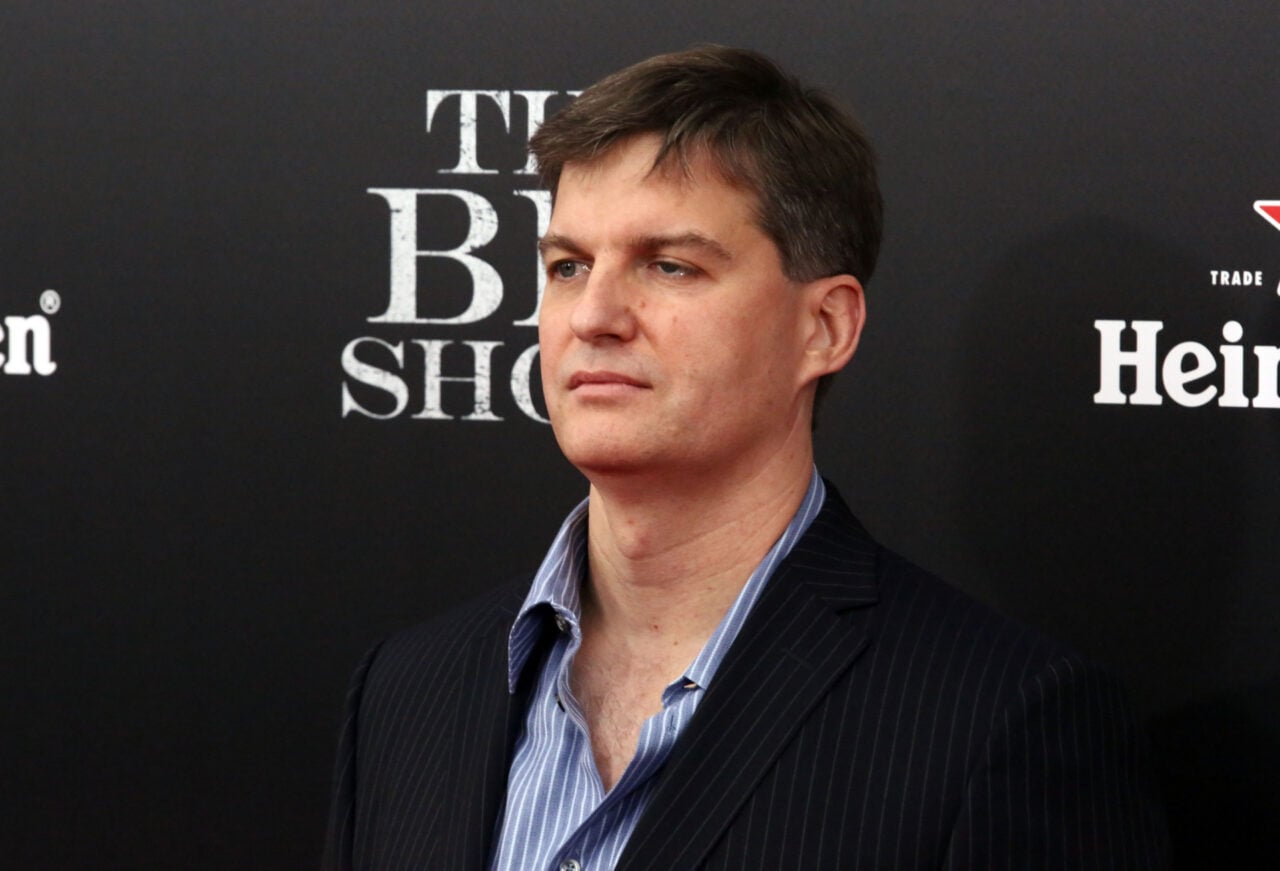
“The Big Short” киноны бодит дүр, хөрөнгө оруулагч Майкл Бөрри хиймэл оюун ухааны салбар дахь хэт өндөр үнэлгээг “хөөс” гэж үзэн, зах зээлийн уналт ойртож буйг анхаарууллаа.
2008 оны санхүүгийн хямралыг урьдчилан таамаглаж байсан хөрөнгө оруулагч Майкл Бөрри хиймэл оюун ухааны (AI) салбарт үүсээд буй хэт өсөлтийг 2000 оны “dot-com” хөөстэй зүйрлэв. Тэрбээр технологийн салбарын хөрөнгө оруулалтын өсөлт болон компаниудын хоорондох тойрог хэлбэрийн гүйлгээ нь зах зээлийг эрсдэлд оруулж байгааг Substack хуудсаараа дамжуулан онцолсон байна. Ялангуяа Nvidia компанийг энэхүү эргэлтийн гол цэгт байж, дэд бүтцийн нийлүүлэгчээс санхүүжүүлэгч болон хувирч байгаа нь системийн эрсдэлийг төвлөрүүлж болзошгүй гэж үзэж байна.
Хөрөнгө оруулагчдын болгоомжлолыг нэмэгдүүлж буй бас нэгэн хүчин зүйл бол AI салбарын томоохон тоглогчдын зардал өсөж байгаа ч ашигт ажиллагаа нь хангалтгүй байгаа явдал юм. Жишээлбэл, Google компани AI-д оруулсан асар их хөрөнгө оруулалтын улмаас түүхэндээ анх удаа улирлын чөлөөт мөнгөн урсгалаа сөрөг дүнтэй тайлагнав. Хэрэв хиймэл оюун ухааны салбар дахь эрэлт буурч, зардал зогсвол энэ нь бүхэл системд даамын цуваа мэт нөлөөлөх эрсдэлтэй гэж Бөрри үзэж байна.
Үүнтэй холбоотойгоор Майкл Бөрри Nvidia, Palantir, Oracle болон Nasdaq 100 индексийн хувьцааны уналтаас ашиг олох “put option” хэлбэрийн арилжаанд шилжиж байгаагаа зарлав. Хэдийгээр Nvidia компани саяхан 150 тэрбум ам.долларын хувьцаа эргүүлэн худалдаж авах шийдвэр гаргаж, ирээдүйдээ итгэлтэй байгаагаа илэрхийлсэн ч Бөрригийн таамаглаж буй уналтын хугацаа ирэх жилийн дотор хэрэгжих төлөвтэй байна. Даваа гарагт хийсэн уг мэдэгдэл нь технологийн салбарын хөрөнгө оруулагчдын дунд болгоомжлолыг дахин төрүүлээд байна.
Дэлгэрэнгүйг эх сурвалжаас харах
↓Эх сурвалжийг нээх ↓
Investor Michael Burry, famous for predicting the 2008 housing market crash, just upped his bet against AI hype.
In a post on his Substack, Burry said that he is “moving timelines up,” because “the bubble in AI may burst sooner than later.”
Burry, who was portrayed by Christian Bale in the Oscar-winning movie The Big Short, made headlines late last year with his big bet against AI. In a series of cryptic X posts, the investor drew parallels between the current state of the tech industry and the years preceding the 2000 dot-com bubble burst. In the posts, Burry points out increased tech capex growth matching the highs of the tech bubble that preceded the 2000 dot-com bubble burst, and the increasingly circular nature of the AI industry’s dealmaking. Nvidia, as the major infrastructure supplier of AI hype, sits at the center of this circular web of dealmaking.
Nvidia’s dealmaking has increasingly transformed the company’s relationship from being solely the main infrastructure provider for the AI industry towards being one of its biggest financiers. But critics argue that is a precarious dynamic, one that results in billions of dollars getting moved across the system in a circular fashion, both skewing demand and concentrating risks. The fear is that if breakthroughs slow down, demand doesn’t play out as expected or perhaps even one deal fails to pan out, it could create a domino effect that could take the whole system down.
These financial dependencies got investors even more spooked this past year when the hefty spending commitments put a strain on financial reports from AI hyperscalers, incidentally also some of Nvidia’s top customers. Google, for example, reported negative quarterly free cash flow in its latest earnings report, marking a first in the tech giant’s entire history as a public company. The cash flow drop was driven by Google’s massive AI spend. Critics are worried to see AI spending skyrocket while profitability continues to lag.
Burry argues that the AI bubble burst scenario he and his fellow critics have spent the last year describing has become more likely to “play out over the next year.” The investor is changing some of his short positions to put options all expiring some time within the next year, meaning that he is expecting the stocks to slump from their highs within the year.
“If the spending stops or slows, it all comes apart,” Burry wrote, per Business Insider, while also cautioning against increased reliance on debt.
Some of the stocks that he put options on include Nvidia, Palantir and Oracle, as well as the Nasdaq 100 index, which holds most major tech stocks, including those of the hyperscalers. The move creates more leverage in his positions, Burry says.
Burry’s puts on Nvidia expire next September, despite the company’s shares seeing a particularly good run recently. On Monday, the company announced an additional $150 billion in share buybacks, marking what it claims is “the largest repurchase authorization increase in history.” Share buybacks tend to signal the company’s confidence in its financial future.
“This authorization reflects our confidence in the long-term opportunity ahead,” Nvidia CEO Jensen Huang said in the press release.

