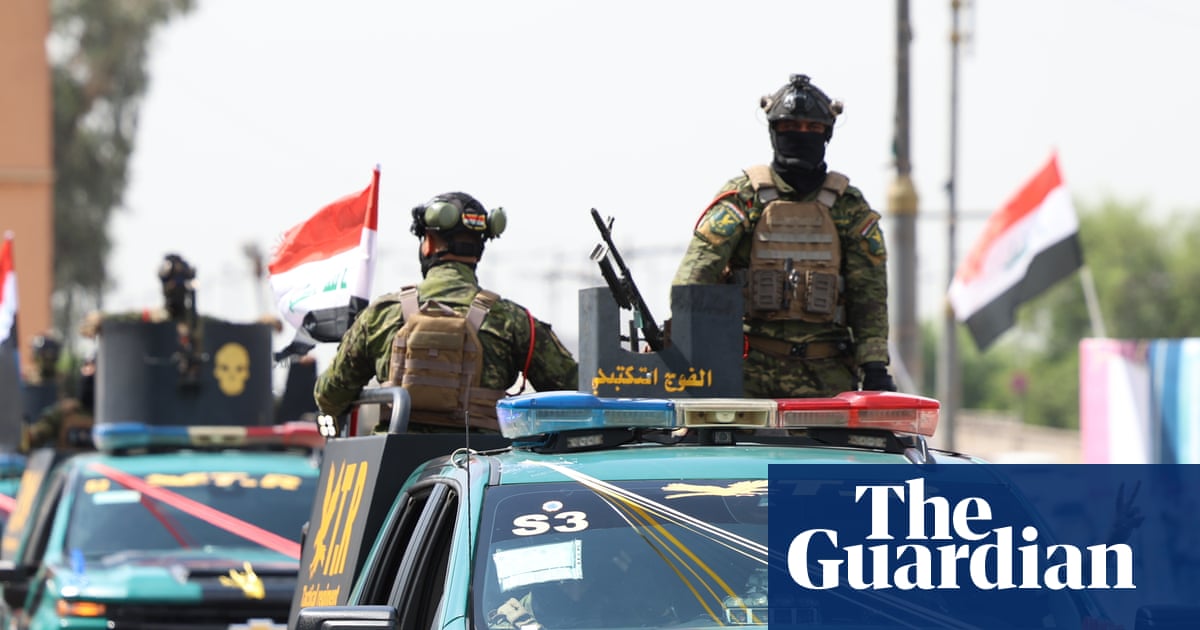
Пентагон Исламын улс бүлэглэлийн эсрэг явуулж байсан цэргийн ажиллагаагаа албан ёсоор зогсоож, Иракаас цэргээ гаргаж дууссанаа мэдэгдлээ.
АНУ-ын Батлан хамгаалах яамнаас лхагва гарагт хийсэн мэдэгдэлд “Operation Inherent Resolve” буюу Исламын улс (ISIS)-ын эсрэг явуулж байсан цэргийн ажиллагааг албан ёсоор өндөрлөж байгааг дурджээ. АНУ-ын цэргийн хүчнийг Иракаас гаргах шийдвэрийг хоёр жилийн өмнө тохиролцсон бөгөөд энэхүү алхам нь тус улсад Исламын улс бүлэглэлийг ялсан цэргийн номлолын амжилттай төгсгөл гэж Пентагон үзэж байна. Гэсэн хэдий ч АНУ Иракийн нутаг дэвсгэрт Исламын улс бүлэглэл дахин сэргэхээс урьдчилан сэргийлэх зорилгоор сургалт, тагнуулын дэмжлэг үзүүлсээр байх болно гэдгээ илэрхийлжээ.
АНУ-ын цэргийн хүчин 2003 онд Иракт нэвтэрч, Саддам Хусейны дэглэмийг түлхэн унагаснаар олон зуун мянган энгийн иргэний амь үрэгдэж, иргэний дайн, шашны мөргөлдөөн дэгдэж, Исламын улс бүлэглэл үүсэх нөхцөл бүрдсэн түүхтэй. 2011 онд АНУ-ын ерөнхийлөгч Барак Обама Иракийн дайн дууссаныг зарлаж байсан ч 2014 онд Исламын улс бүлэглэл Мосул зэрэг нутгийг эзлэн авсны дараа АНУ тэргүүтэй 80 гаруй орны эвсэл дахин байгуулагдсан юм. Энэхүү эвсэл 2017 онд Ирак дахь, 2019 онд Сири дэх Исламын улс бүлэглэлийн хяналтыг үгүй хийсэн бөгөөд 2024 онд АНУ болон Иракийн засгийн газар эвслийн үйл ажиллагааг бүрэн зогсоох шийдвэрт хүрсэн байна.
Энэхүү шийдвэрийг Иран болон түүний холбоотнууд томоохон ялалт хэмээн тэмдэглэж байгаа бол Иракийн аюулгүй байдлын шинжээчид санаа зовниж байна. Тус улсын аюулгүй байдлын зөвлөх Жассим аль-Бахадли болон тэтгэвэрт гарсан генерал Мохаммед аль-Жубури нар Иракийн аюулгүй байдлын хүчин энэхүү шинэ нөхцөл байдалд бүрэн бэлтгэлтэй эсэхэд эргэлзэж, аюулгүй байдлын орон зай үүсэх нь эрсдэлтэй болохыг анхаарууллаа. Пентагоны зүгээс Иракийн бүрэн эрхт байдал, бүс нутгийн тогтвортой байдалд заналхийлж буй Исламын улс бүлэглэлийн үлдэгдэл болон Ирантай холбоотой зэвсэгт бүлэглэлүүдтэй тэмцэх үндсэн хариуцлагыг Иракийн засгийн газар хүлээх болно гэдгийг онцолсон байна.
Дэлгэрэнгүйг эх сурвалжаас харах
↓Эх сурвалжийг нээх ↓
The Pentagon announced on Wednesday that it has formally completed its withdrawal of US troops from Iraq, two years after the withdrawal was agreed to and 12 years since the US mission to fight the Islamic State started.
After the announcement, Iran and its allies celebrated the departure as a victory, while Iraqi security experts worry that the withdrawal could give the Islamic State and others a chance to recover.
“Today, the United States and our Coalition partners formally concluded Operation Inherent Resolve in Iraq,” the Pentagon said in a statement, adding that the departure of its forces “marks the successful conclusion of the military mission that defeated ISIS in Iraq”.
The Pentagon noted it will continue to provide training and intelligence support to Iraq “to ensure ISIS can never reconstitute from Iraqi territory”.
“The primary responsibility for addressing Iraq’s remaining security challenges, including ISIS remnants and Iran-aligned militias that undermine Iraqi sovereignty and regional stability, now rests with the Government of Iraq.”
The US invaded Iraq in 2003 to oust its dictator, Saddam Hussein, who ruled the country for nearly 24 years.
The invasion would lead to hundreds of thousands of civilian deaths, civil war and sectarian violence in Iraq, as well as the rise of the Islamic State militant group.
In 2011, Barack Obama declared an end to the Iraq war and announced that all US troops would be withdrawn from the country by year’s end. At that moment, the US military presence in Iraq stood at under 40,000, and 4,400 US military members had been killed.
But in 2014, Obama sent troops back to Iraq after Islamic State militants seized large swaths of territory, including Mosul. Then, a coalition of more than 80 countries led by the US was formed to fight Islamic State, which subjugated millions during a cruel war before losing its hold in Iraq in 2017 and in Syria in 2019. Finally, in 2024, during Joe Biden’s presidency, the US and Iraq agreed to wind down the US-led coalition operations.
Some analysts fear that Iraqi security forces remain unprepared to ensure the country’s stability. Jassim al-Bahadli, who also serves as an adviser to the security forces, told Reuters that security vacuums can be extremely dangerous. Mohammed al-Juburi, a retired Iraqi army general, also told Reuters that the most important question is whether Iraq has prepared a plan for this new phase.

