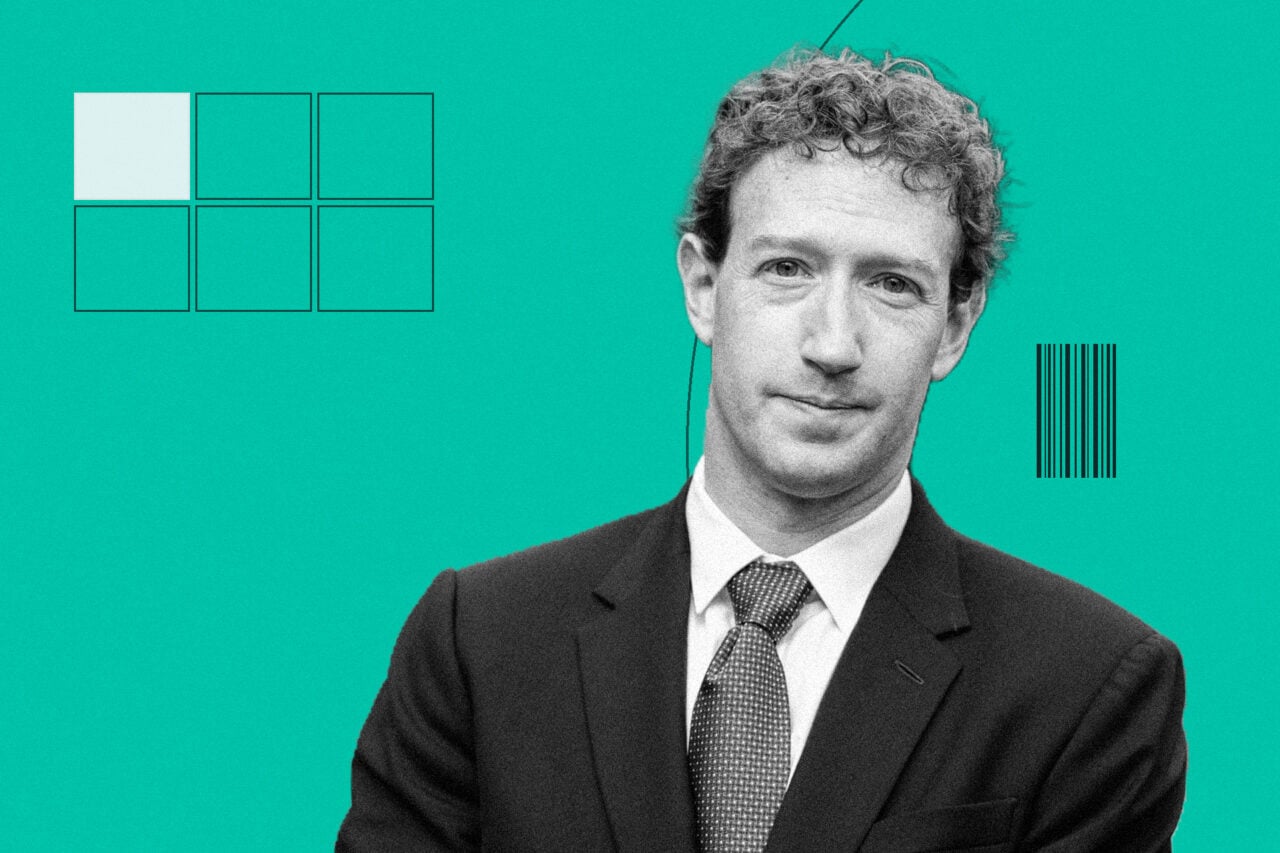
“Нью-Йорк Таймс” сонины мэдээлснээр, тус компани хиймэл оюун ухааны дата төвүүдээ “туршилтын загвар” хэмээн ангилж, татварын хөнгөлөлт эдэлж байгаа нь татвар төлөгчдийн мөнгөөр санхүүжиж байж болзошгүй нөхцөл байдлыг үүсгээд байна.
Meta компани хиймэл оюун ухааны салбарт олон тэрбум долларын хөрөнгө оруулалт хийж, улс даяар 28 дата төвийг ажиллуулж байна. Гэвч тус компани Татварын албанд мэдүүлэг өгөхдөө эдгээр төвийг үндсэн үйл ажиллагаа бус, харин судалгаа шинжилгээний “туршилтын загвар” хэмээн тодорхойлжээ. Энэхүү ангиллын ачаар тус компани сүүлийн хоёр жилийн хугацаанд олон тэрбум долларын татварын хөнгөлөлт эдэлж, энэ төрлийн хөнгөлөлтийн хамгийн том хүртэгч болсон байна.
Татварын хөнгөлөлтийн гол бүрэлдэхүүн нь Nvidia компаниас худалдан авсан үнэтэй чипүүд бөгөөд Meta-гийн аудитын байгууллага болох EY энэхүү аргыг бусад компаниудад ч зөвлөсөн гэх мэдээлэл байна. Хэдийгээр удирдлагууд хөрөнгө оруулалт үр дүнгээ өгч байгаа гэж мэдэгдсэн ч компанийн чөлөөт мөнгөн урсгал өнгөрсөн оны мөн үетэй харьцуулахад 8 тэрбум доллароор буурч, 784 сая доллар болжээ.
Энэхүү татварын хөнгөлөлт нь хууль эрх зүйн хувьд тодорхойгүй, эрсдэлтэй бүсэд хамаарч байгааг компанийн санхүүгийн тайланд ч дурдсан байна. Хөрөнгө оруулагч Майкл Бөрри зэрэг шинжээчид технологийн салбарын хиймэл оюун ухааны хөрөнгө оруулалт хэт халж, ирэх есдүгээр сар гэхэд зах зээлийн хөөс хагарах эрсдэлтэйг анхааруулж байна.
Дэлгэрэнгүйг эх сурвалжаас харах
↓Эх сурвалжийг нээх ↓
Meta has been using a controversial technique to score a tax credit, according to a new report from the New York Times. If the report is true, taxpayers could have been subsidizing Meta’s AI data center expansion for the past two years.
Meta has spentbillions of dollars as part of the company’s artificial intelligence turnaround effort, a hefty investment that includes the operation of 28 data centers nationwide. Zuckerberg said in the company’s latest earnings call that this AI investment is already “paying off.”
But, according to four people with knowledge of the company’s operations who spoke to the New York Times, Meta sings a different tune to the Internal Revenue Service.
When filing taxes, Meta describes the AI data centers as “pilot models” in a precarious experiment. That allows the company to take advantage of the research and experimentation tax credit, which provides rebates to companies for supplies used in experimental efforts rather than standard business operations.
Thanks to the method, the NYT reports that Meta has claimed billions of dollars in tax credits over the past two years, becoming the biggest publicly traded beneficiary of the tax credit. But the Times also notes that Meta’s own accountants are allegedly worried that the classification exists in a very gray area and that the IRS could decide to overturn the savings. The uncertainties tied to the research tax credits are even listed as a risk in securities disclosures.
In this case, these “supplies,” for which Meta has reportedly received billions in rebates, are the chips it buys to use specifically in AI data centers. Meta buys these chips from Nvidia, with which the tech giant signed a massive multi-year chip deal earlier this year. According to Bloomberg estimates, Meta was the second-largest buyer of Nvidia products in the last fiscal year, even before it committed to buying millions of chips more in the latest deal announced in February. The New York Times claims that Meta’s auditor EY has since pitched the tactic to other AI companies as well.
Even with the alleged tax credit, Meta’s AI investments have put pressure on the company’s financials. In the latest earnings report, executives shared that free cash flow for the quarter was down to only $784 million, a roughly $8 billion drop from the same period last year. The company is one of the hyperscalers, aka the massive big tech companies that operate AI data centers, the likes of which also include Amazon, Microsoft, and Google. The hyperscalers are also the biggest customers of the chip giant and the world’s most valuable company, Nvidia, which sits at the center of the circular web of AI dealmaking. Many AI bubble watchers argue that if the hyperscalers are not as financially healthy as predicted and demand fails to catch up to investment, it could have a significant negative impact on Nvidia’s business, thus creating a domino effect that could take the whole system down.
One of those critics is investor Michael Burry, who earlier this week said that he was expecting an AI bubble burst scenario to “play out over the next year,” sooner than he previously anticipated. The investor, who became famous for predicting the 2008 housing market crash, now expects Nvidia’s shares to tumble by next September, even though the company insists that it’s very confident in its financial future.

