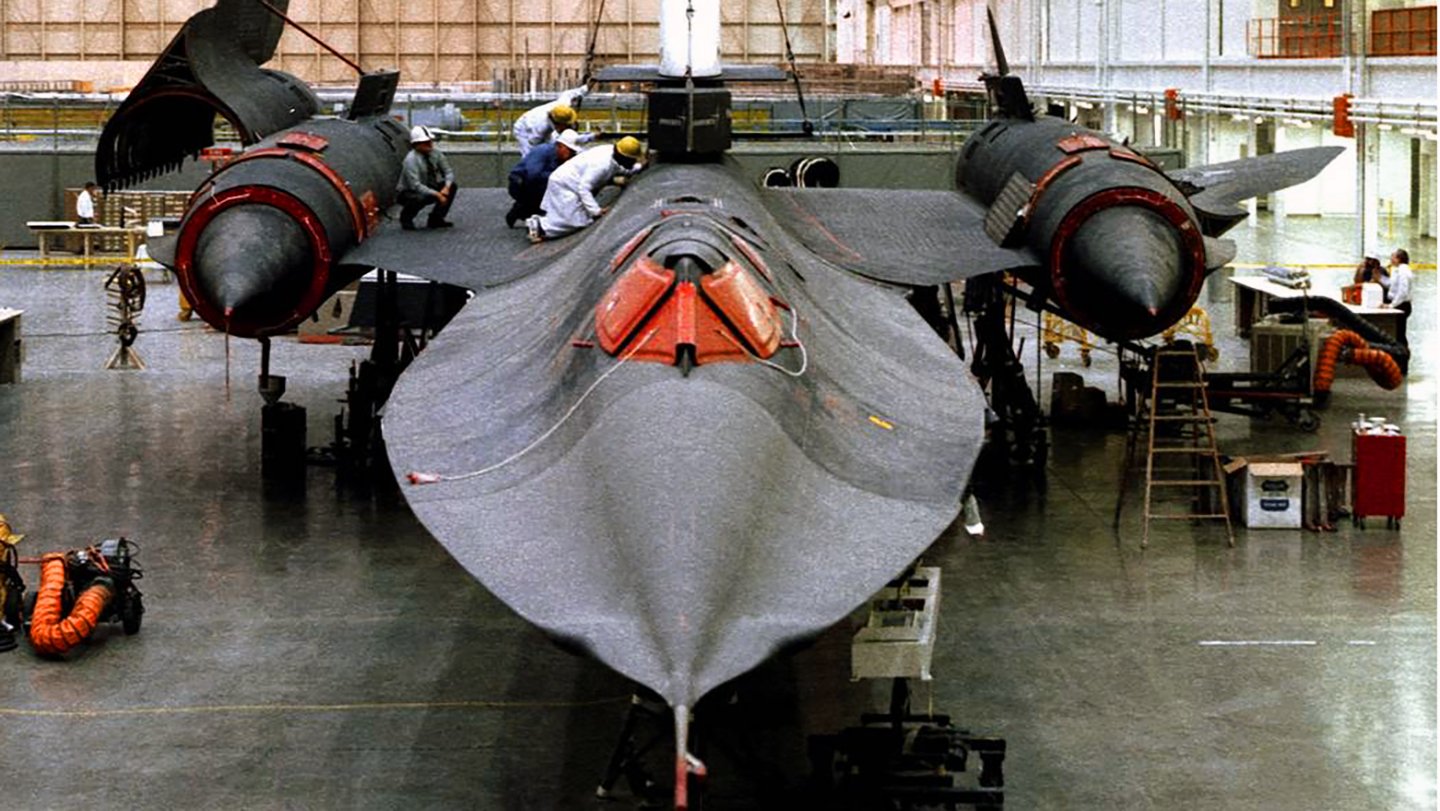
АНУ-ын агаарын цэргийн хүчин SR-71 Blackbird тагнуулын онгоцыг дахин нислэгт бэлтгэх боломжийг судалж байгаа нь орчин үеийн инженерчлэлийн чадавхыг сорих стратегийн алхам болж байна.
SR-71 Blackbird онгоцыг агаарт гаргах нь зөвхөн нислэгийн туршилтын мэдээлэл цуглуулахаас гадна, орчин үеийн дижитал инженерчлэл, нэмэлт үйлдвэрлэл болон хурдан загварчлалын арга барилыг ашиглан хуучирсан техник хэрэгслийг сэргээн засварлах туршлага хуримтлуулах чухал ач холбогдолтой юм. Мах 3-аас 4-ийн хурдтай нислэг үйлдэх чадвартай энэхүү онгоцыг дахин ашиглалтад оруулах оролдлого нь нисэх онгоцны үйлдвэрлэлийн нийлүүлэлтийн сүлжээг шинэчлэх, болон хуучин онгоцны бүтцийг “дижитал ихэр” (digital twin) технологиор загварчлах боломжийг бүрдүүлж байна.
Энэхүү төсөл нь АНУ-ын засгийн газар болон хувийн хэвшлийн хамтын ажиллагааг шаардах бөгөөд онгоцны сэлбэг хэрэгсэл, хангамжийн сүлжээг дахин бүрдүүлэхэд ихээхэн хөрөнгө оруулалт, техникийн шийдэл шаардагдах юм. Хэрэв энэ оролдлого амжилттай болбол, NASA болон батлан хамгаалахын салбарт ашиглагдахгүй байгаа бусад хуучин системүүдийг орчин үеийн технологиор шинэчлэн сайжруулах “зааварчилгааны ном” буюу аргачлалыг бий болгох боломжтой.
Хэдийгээр SR-71 онгоцыг дахин нисгэх нь өндөр өртөгтэй сорилт боловч, үүнийг хэрэгжүүлэх явцад олж авах инженерчлэлийн мэдлэг нь ирээдүйн агаарын хөлгийн хөгжилд үнэлж баршгүй хувь нэмэр оруулна гэж үзэж байна. Энэ нь зөвхөн нисэх онгоцны гүйцэтгэлийг сайжруулах төдийгүй, салбарын хэмжээнд тулгарч буй инженерчлэлийн хоцрогдлыг арилгах, технологийн шинэ боломжуудыг нээх томоохон алхам болох юм.
Дэлгэрэнгүйг эх сурвалжаас харах
Эх сурвалжийг нээх ↓
For aerospace aficionados, it’s like we have entered into an alternate dream reality. The idea that we are seriously talking about the possibility of bringing back the SR-71 Blackbird to flight status is hard to comprehend, but amazingly this is where we are at. The biggest question I am getting about all this is why? We touched on the likely primary answer to that in our original reporting — high-speed is back in tactical vogue, and the Blackbird can sustain it in a realm of great interest, between Mach 3 and 4, and do it over and over again. It can also carry very large things and even launch them off its back at those extreme speeds. But those are not the only potential reasons for taking on such a gargantuan, high-profile, and costly technical challenge. Learning from the journey itself could be just as valuable as the actual flight test data a revived SR-71 produces.
Let me explain.
The Blackbird was as close to alien tech as it gets over 60 years ago, and even today, we have nothing like it in known operation. Yet it has been dormant for nearly three decades. Much of the expertise that built, supported, and operated it is sadly gone. But the exercises of reverse engineering and leveraging breakthroughs in additive manufacturing and rapid prototyping, as well as injecting new material sciences, avionics, propulsion and other technologies where applicable, and above all else, building the digital toolkit to make it all happen as fast and efficiently as it can be done, are all of extreme learning value.
I would not be surprised if a ‘digital twin’ is being created right now of the SR-71 using NASA’s SR-71 tail number 844 — the jet in question that has mysteriously disappeared from its display pad. Once such a model exists, breakthroughs in digital engineering can be brought to bear to see how fast the program can be accelerated, both in terms of development and flight testing. This could include not only getting the SR-71 back in the air, but improving its performance and reliability, possibly substantially, using all the new technologies we have today. It’s even possible a clone of sorts leveraging all these advances could be built using digital engineering tools.
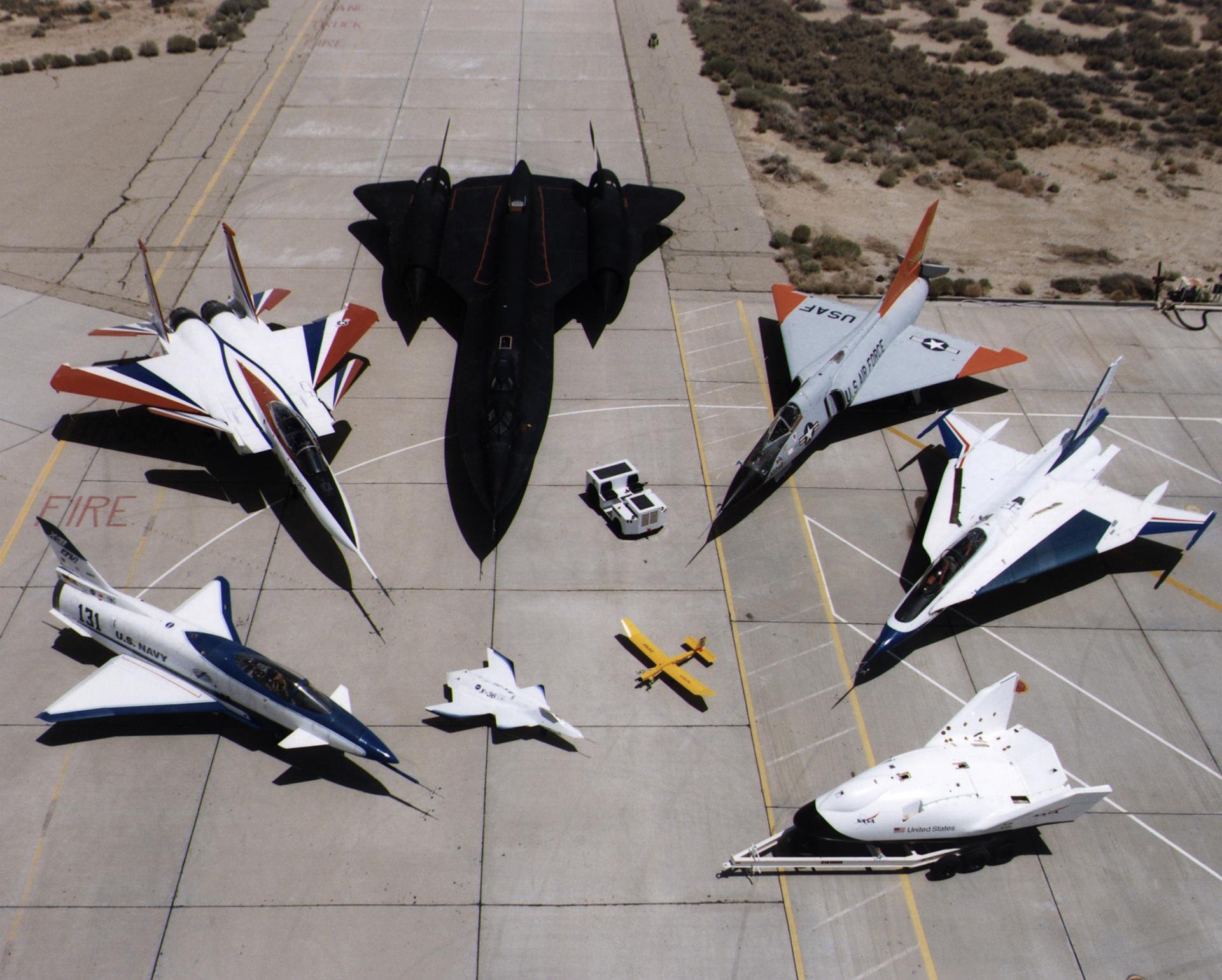
This is not necessarily an unprecedented concept. Just look at similar exploratory engineering programs like the X-55. But when it comes to partially reverse-engineering an airframe you have no support for, and few, if any, spare parts, America’s highly-secretive foreign materiel exploitation (FME) community could potentially lend a hand.
Operating in the shadows, they have been able to not only get totally foreign aircraft divorced from American supply chains pieced back together and flying, but they sustained them for years in total secrecy. They also did this long before the advent of rapid prototyping and digital engineering assets that we have today. Imagine what they can do now. They could be a top source for NASA to pull in to help in its far less sensitive but uniquely similar endeavor. This is just one example of many of how government and industry could come together to support and benefit from the SR-71 resurrection program.
Now, about those supply chains. During its heyday, the SR-71’s logistical tail was one of the most exotic ever created. It supported the Blackbird, as well as its progenitor, the A-12, for the better part of half a century. Reestablishing this supply chain would be a highly challenging, but rewarding exercise that could have major impacts across the aerospace industry, as well as others. So, how can we use all the capabilities we have now to jump-start the sustainment of the highest-performing air vehicle from an era of slide rules and drafting tables?
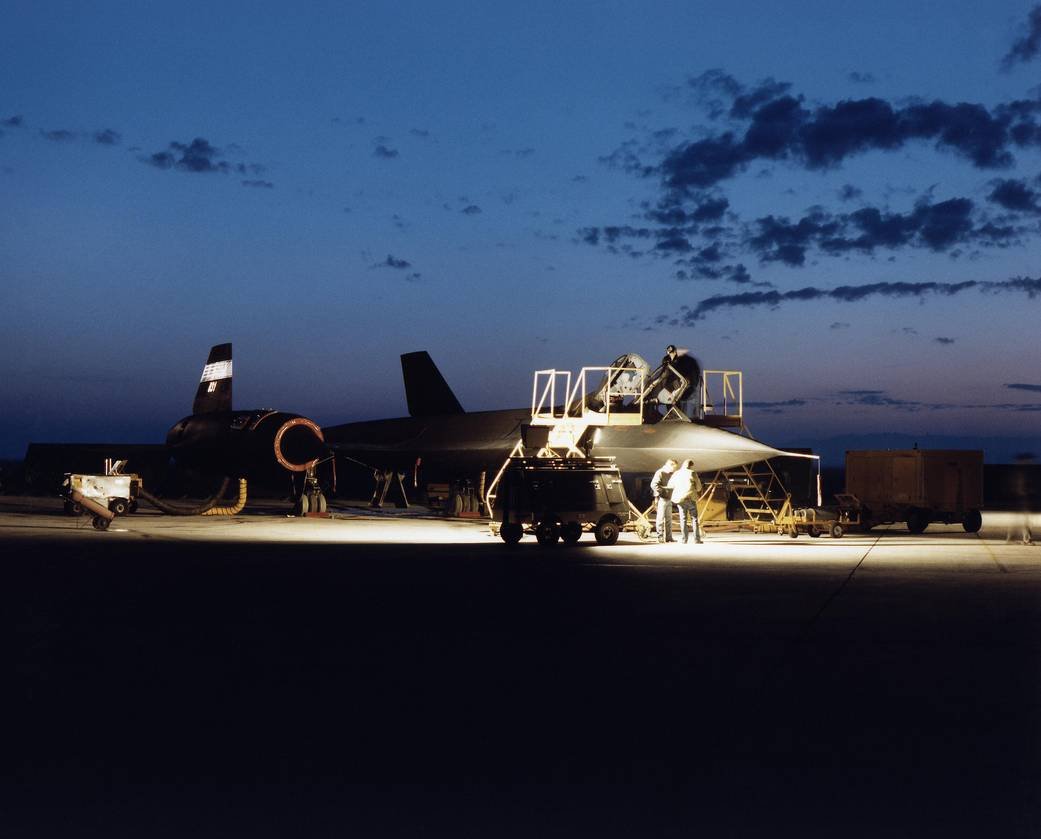
The idea of putting aircraft out of production back into production is not a foreign one to the U.S. military, either. NASA’s SR-71 program could serve as a pathfinder for better evaluating such proposals and their costs, while pushing the envelope forward on exactly how it can be done efficiently. The same can be said for simply keeping aging aircraft (or any vehicle or system for that matter) operating longer and for cheaper, by applying cutting-edge technologies and practices. NASA can create the playbook for doing so, and that playbook could end up being more valuable than the flight testing a reborn SR-71 does.
I think it’s fairly clear that we have lost something when it comes to aerospace engineering as of late. With all our advances and incredible tools even legendary Skunk Works founder Kelly Johnson could have only dreamed of, it seems like we have to relearn even simple lessons from decades ago, and often times that can be a very expensive, time consuming, and even deadly process. In some ways, it seems like we have gone backward, or at least stalled out in certain engineering areas. The simple things become hard and hard things have become simpler. How did they do so much protractors and pencils way back then? Getting a Blackbird flying again can help explore and possibly answer this and other questions, and help mitigate these deficiencies going forward, as well.
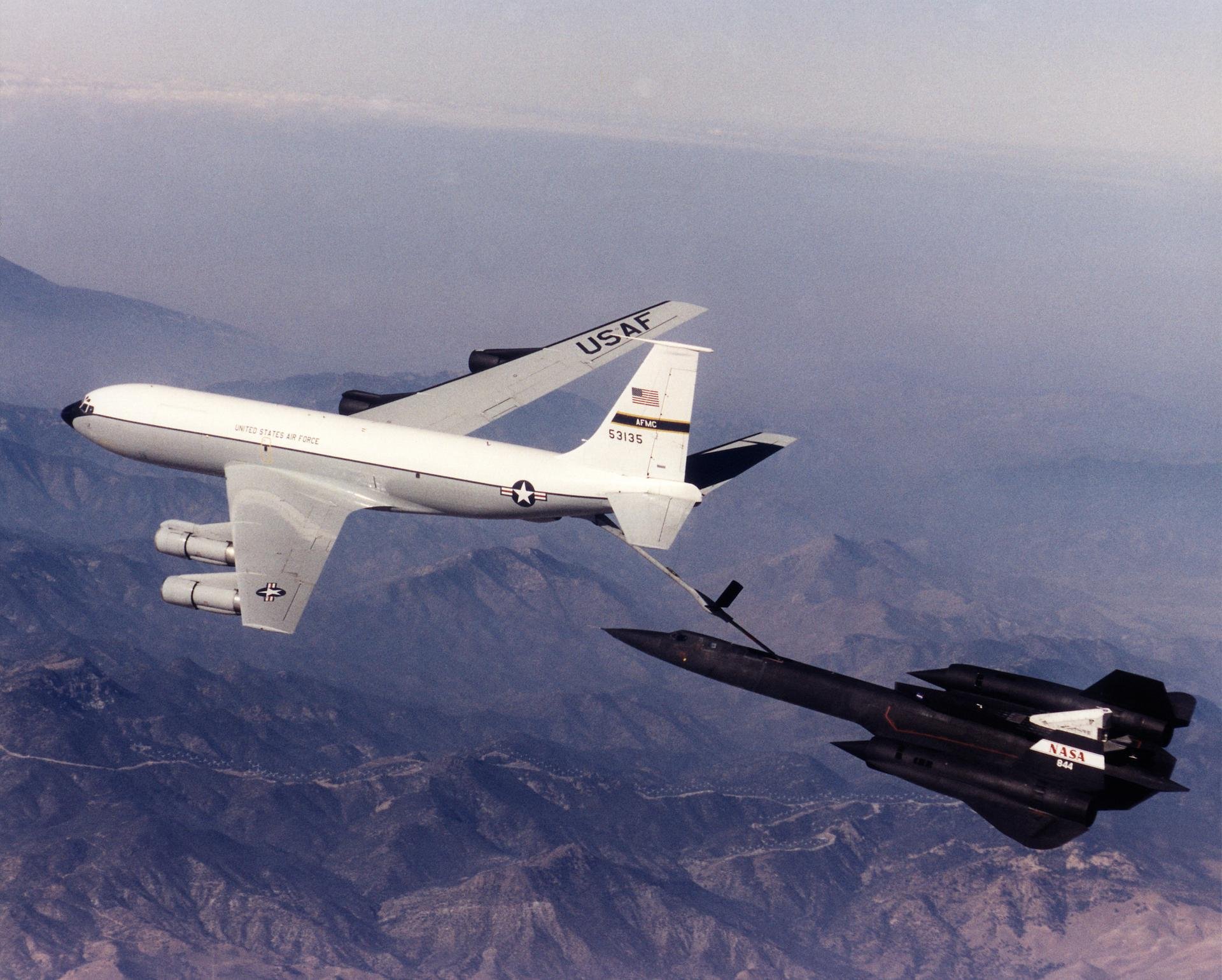
Even if NASA’s dormant SR-71 never ends up getting back in the air, even attempting such a challenge could be considered a success. Doing so could identify core areas across multiple disciplines that could be improved and areas of existing technology that could be better exploited for a whole array of tasks. It can also develop and refine new technologies in the process. All this sits at the core of NASA’s mission, and there is no vehicle on Earth that could drive people and organizations to give it their all for such comeback dream as the Blackbird. It’s even possible that we could see corporations or even individuals help foot the bill for it.
And yes, all these benefits need to be weighed against cost. Surely there is a limit the government can invest in such a program. Now corporations and individuals, that’s a different story.
So, yes, the main goal of this effort will likely be high-speed flight testing, but so much can be learned in the journey to get there that it must be quantified in the ‘business case’ for reviving the Blackbird.
Contact the author: Tyler@twz.com
The post Lessons Learned From Getting An SR-71 In The Air Again May Be As Valuable As Its Flight Test Data appeared first on TWZ.

