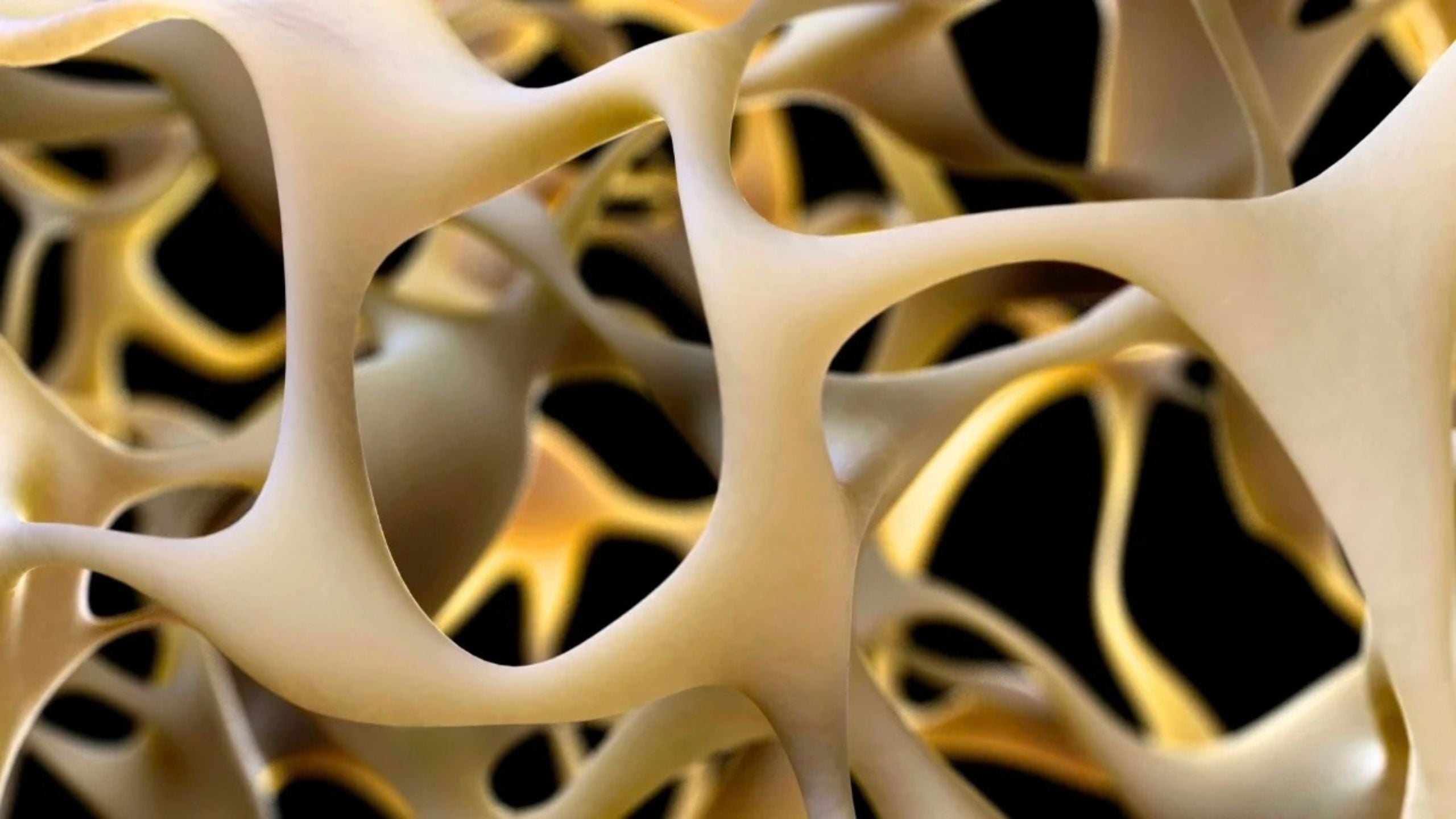
Өмнө нь зөвхөн механик элэгдлийн үр дагавар гэж үздэг байсан остеоартрит өвчний явцад артерийн даралт ихсэлт нөлөөлдөг болохыг тогтоожээ.
Chonnam National University-ийн судлаачид артерийн даралт ихсэхэд биед ихээр ялгардаг аргинин вазопрессин (AVP) даавар болон түүнийг хүлээн авагч AVPR1A нь мөгөөрсөн эдийн гэмтэлд нөлөөлдөг болохыг Science сэтгүүлд нийтэлсэн судалгаагаар илрүүлжээ. Эрүүл мөгөөрсөн эдэд бараг ажиглагддаггүй AVPR1A хүлээн авагч нь нас ахих эсвэл гэмтэл бэртлийн улмаас ихэсдэг бөгөөд энэ нь AVP даавартай урвалд орж мөгөөрсөн эдийг задалдаг байна.
Судлаачид 45-аас дээш насны 36,820 хүний эрүүл мэндийн мэдээлэлд дүн шинжилгээ хийхэд артерийн даралт ихтэй хүмүүс остеоартрит өвчнөөр өвчлөх магадлал өндөр байгааг тогтоосон бөгөөд энэ хамаарал нь эмэгтэйчүүд болон өвдөгний гэмтэл хүнд хүмүүст илүү тод илэрчээ. Туршилтын хулганууд дээр хийсэн судалгаагаар артерийн даралт ихсэлт нь дангаараа бус, харин үе мөчний механик гэмтэл эсвэл хөгшрөлтийн үйл явцтай хавсарсан үед л мөгөөрсөн эдийн гэмтлийг хурдасгадаг болох нь батлагдсан байна.
Судлаачид AVPR1A хүлээн авагчийг дарангуйлах эсвэл байхгүй болгох замаар мөгөөрсөн эдийн гэмтлийг бууруулах боломжтойг ажиглажээ. Энэхүү нээлт нь остеоартритын эмчилгээнд шинэ чиг хандлага нээж болох ч, хүний биед үзүүлэх нөлөөг баталгаажуулахын тулд цаашид урт хугацааны судалгаа хийх шаардлагатай гэж үзэж байна.
Дэлгэрэнгүйг эх сурвалжаас харах
↓Эх сурвалжийг нээх ↓
Osteoarthritis, where the cartilage in a joint gradually erodes away and leads to the painful friction of bone-on-bone, is the leading cause of disability for older adults worldwide.
Until now, it’s also been considered a consequence of mechanical wear and tear.
Researchers led by a team from Chonnam National University in South Korea have come up with an alternative hypothesis: What if high blood pressure (hypertension) could also be contributing to the breakdown of cartilage tissue?
In a new study in Science, the researchers make the connection between the hormone arginine vasopressin (AVP), which is more abundant in people with hypertension, and its receptor AVPR1A – essentially a lock on the surface of cells that enables AVP to trigger a chemical reaction.
While AVPR1A is barely present in healthy cartilage, it begins to appear more as we get older or after an injury.
That essentially primes the cartilage for AVP interactions, the researchers suggest, which then triggers chemical reactions that degrade the tissue.
“We identified a neuroendocrine pathway through which hypertension accelerates osteoarthritis pathogenesis in joints predisposed by mechanical injury or aging,” write the researchers in their published paper.
Picking up on studies that have previously identified hypertension as a risk factor for osteoarthritis, the research team studied records on 36,820 individuals aged 45 and over in a health survey database, finding that people with high blood pressure have a much higher chance of having osteoarthritis.
The link was stronger in women, the data showed, and was strongest in people who had the most severe knee damage.
This analysis was followed up by experiments involving mice modified to have high blood pressure, who were then put through surgical procedures to simulate osteoarthritis.
The mouse models showed that hypertension was associated with greater cartilage loss at the affected joint. However, the raised blood pressure had no effect on healthy mouse joints: the double combination of injury and hypertension was needed.
“Both mechanical wear and tear and natural aging acted as priming factors by upregulating basal AVPR1A expression,” write the researchers.
“Consequently, this priming, rather than hypertension alone, was required to activate the AVP-AVPR1A signaling axis.”
When the researchers bred mice without the AVPR1A receptor, or used drugs to suppress it, the amount of cartilage damage lessened.
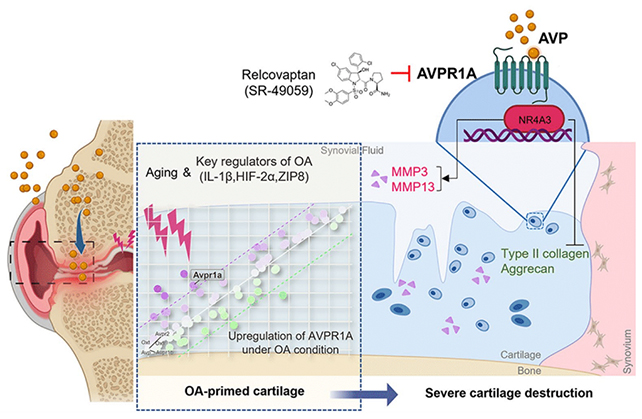
Further analysis of mouse cartilage cells in the lab identified the ‘switch’ inside cartilage cells that AVP activates to cause damage to the tissue. That’s going to be useful for developing new osteoarthritis treatments around these findings – though further research is going to be needed before that can happen.
“By demonstrating that systemic AVP signaling cooperates with locally induced AVPR1A in mechanically injured or aging joints, this study provides a mechanistic framework that explains how chronic hypertension accelerates cartilage degeneration,” write the researchers.
Long-term human studies are a potential next step, looking at the interplay of high blood pressure and cartilage loss again, to see if the same chemical reactions observed here in mice carry over.
If they do, it could mean a fundamental rethink in terms of how osteoarthritis develops and how to treat it. Obesity, for example, is a well-known risk factor for both hypertension and osteoarthritis, and this research improves our understanding of why.
The number of people affected by osteoarthritis is now approaching 600 million and rising fast, and treatments for it haven’t changed much over the last couple of decades.
If this research can be developed further, it’s possible that one of the key drivers for osteoarthritis in some people can be effectively tackled.
“Our findings highlight the AVP-AVPR1A axis as a promising therapeutic target for preventing hypertension-accelerated osteoarthritis progression and preserving joint integrity in vulnerable populations,” write the researchers.
The research has been published in Science.
This article was fact-checked by Fiona MacDonald and edited by Fiona MacDonald. While we pride ourselves on our process, we are only human. If you spot a mistake, please let us know.

