
Украины Ерөнхийлөгч Владимир Зеленский дотоодын үйлдвэрлэлийн шинэ төрлийн тактикийн пуужинг ашиглаж эхэлснээ мэдэгдсэн нь тус улсын зэвсэг техникээ бие даан хөгжүүлэх хөтөлбөрт томоохон ахиц боллоо.
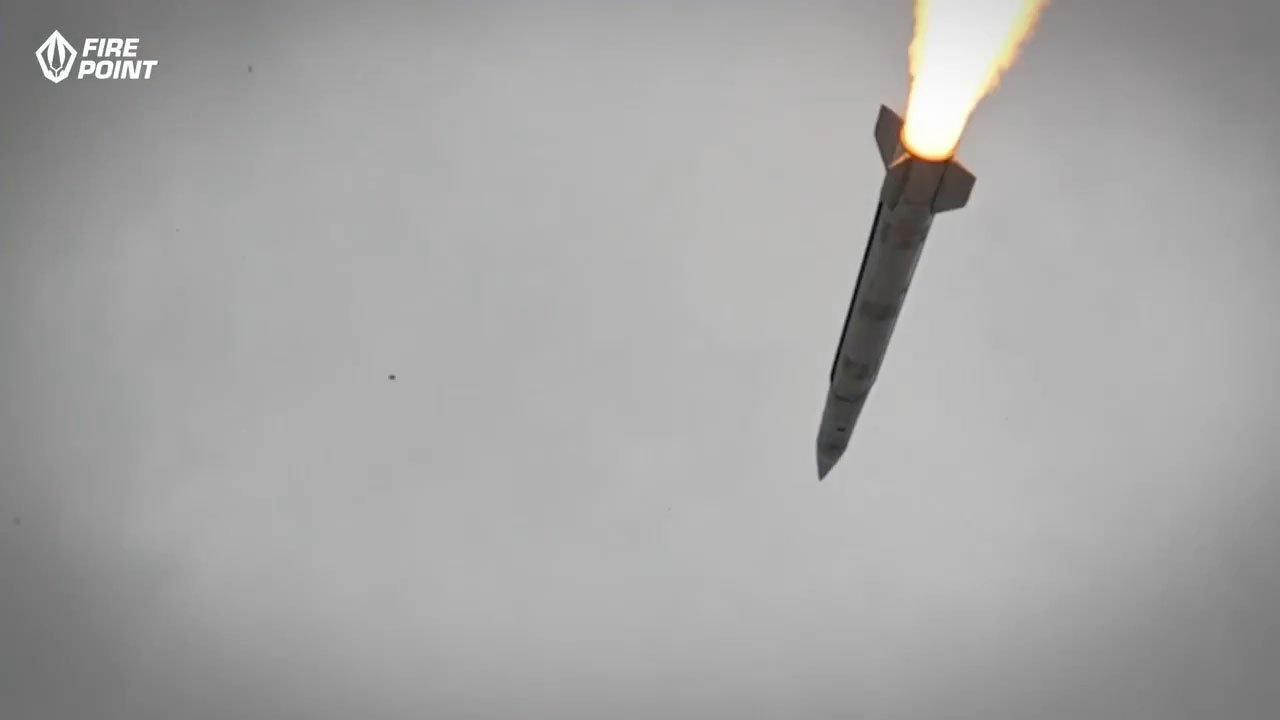
Украины “Fire Point” компанийн бүтээсэн FP-7 баллистик пуужинг байлдааны ажиллагаанд анх удаа ашигласан талаар Ерөнхийлөгч Владимир Зеленский аравдугаар сарын 1-нд зарлалаа. Тус пуужин нь ойролцоогоор 250 км-ийн тусгалтай, 150 кг жинтэй байлдааны хошуу бүхий тактикийн зэвсэг бөгөөд логистикийн төвүүд, агаарын довтолгооноос хамгаалах систем болон дроны баазуудыг устгахад чиглэгдсэн байна. Одоогоор уг цохилтын байршил, үр дүнгийн талаарх албан ёсны дэлгэрэнгүй мэдээлэл гараагүй бөгөөд бие даасан эх сурвалжаар баталгаажаагүй байна.
“Fire Point” компани нь FP-7 пуужингийн үндсэн бүтцийг ашиглан “Project Freyja” хөтөлбөрийн хүрээнд агаарын довтолгооноос хамгаалах FP-7.X нэртэй пуужин эсэргүүцэгчийг давхар хөгжүүлж байгаа юм. Энэ нь үйлдвэрлэлийн зардлыг бууруулах, технологийн уялдааг хангах зорилготой бөгөөд ирээдүйд Европын орнуудын алсын зайн цохилт өгөх чадавхыг нэмэгдүүлэхэд хувь нэмэр оруулах боломжтой гэж үзэж байна.
Украин улс барууны орнуудын нийлүүлсэн зэвсгээс гадна дотоодын үйлдвэрлэлийн дрон, далавчит болон баллистик пуужингийн төрөл бүрийн зэвсэглэлийг хөгжүүлж, өөрийн батлан хамгаалах аж үйлдвэрлэлийн баазыг өргөжүүлэх бодлого баримталж байна. Уг пуужингийн цуврал үйлдвэрлэлийг эхлүүлэх нь тус улсын хувьд дараагийн чухал алхам болох бөгөөд одоогоор үйлдвэрлэлийн хүчин чадал, тоо хэмжээний талаарх мэдээлэл ил тод болоогүй байна.
Дэлгэрэнгүйг эх сурвалжаас харах
Эх сурвалжийг нээх ↓
Ukraine says it has used its domestically developed FP-7 tactical ballistic missile in combat for the first time, in what would mark another significant milestone in the country’s rapidly expanding indigenous long-range strike program.
President Volodymyr Zelensky announced today that Ukraine had conducted the first combat use of the FP-7, a ground-launched ballistic missile developed by Ukrainian defense company Fire Point. He also said production of the weapon would follow.
The claim has not been independently verified, and Ukrainian authorities have not disclosed the target, location, number of missiles involved, or other details surrounding the reported strike. A video has been published showing what’s said to be a nighttime launch of the missile.
The FP-7 is one of several increasingly ambitious weapons being developed by Fire Point, a Ukrainian defense company that has expanded rapidly since Russia’s full-scale invasion. The company began with drones and has subsequently moved into long-range strike missiles and ballistic missile technology.
Fire Point CEO Iryna Terekh previously described the company’s development and manufacturing model in an interview with TWZ, detailing an effort to rapidly scale production while maintaining a dispersed industrial base inside Ukraine. The company’s better-known systems include the FP-1 and FP-2 long-range strike drones and the FP-5 Flamingo cruise missile.
According to Ukrainian and company-released information, the FP-7 has a range of approximately 250 kilometers (155 miles) and a warhead weighing around 150 kilograms (331 pounds). Other published figures have put its velocity at approximately 1,500 meters per second (around 3,350 miles per hour). Rather that striking targets deep in the Russian rear areas, the missile is optimized for use against objectives such as logistics hubs, air defense sites, and drone bases. This makes it more of a shorter-range complement to the U.S.-supplied Army Tactical Missile System (ATACMS) ballistic missile, rather than a direct replacement, although it comes without any restrictions on the kinds of targets that it can be used against.
Details from missile debris shown by Russia confirm Ukraine launched ATACMS at Voronezh region on November 18, marking the first use of U.S.-made missiles on Russian territory during Trump’s presidency. According to the Russian MoD, S-400 and Pantsir-S1 systems helped repel the… pic.twitter.com/8SeQCo9OEO
— NOELREPORTS

(@NOELreports) November 19, 2025
At the same time, those specifications should likewise be treated as reported figures rather than independently verified performance data. Actual range, payload and accuracy can vary according to missile configuration and mission profile.
The FP-7’s development is particularly notable because Fire Point is also using the basic missile architecture as the foundation for a very different weapon.
Fire Point has developed the FP-7.X, an anti-ballistic missile interceptor derived from the surface-to-surface FP-7.
A video showing a test launch of an FP-7.X surface-to-air missile:
Fire Point’s expectation is that commonality between the two systems can shorten development and provide manufacturing efficiencies by allowing the company to draw upon work already conducted on the FP-7’s propulsion, airframe, guidance, and production processes.
The FP-7.X forms part of Project Freyja, a European effort to develop a comparatively inexpensive and potentially more numerous ballistic-missile-defense interceptor. Fire Point has also discussed an eventual production rate of thousands of interceptors annually, although such targets represent company ambitions rather than demonstrated production capacity.
Fire Point has said it is working with European and Ukrainian partners on the system, including work on the interceptor’s seeker. The company has described an initial interceptor using a blast-fragmentation approach, with more sophisticated hit-to-kill capability envisioned for later versions.
Earlier this year, Diehl Defense confirmed that it plans to launch production of the Flamingo cruise missile in Germany. Previously, Diehl had signed a technology agreement with Fire Point but had not disclosed any details. Potentially, that could open a path to Fire Point’s ballistic and cruise missiles helping to meet the growing demand for long-range fires capabilities among NATO’s European members.
A video of the Flamingo cruise missile in action:
As it stands, the baseline FP-7 is only one element of Fire Point’s ballistic missile ambitions.
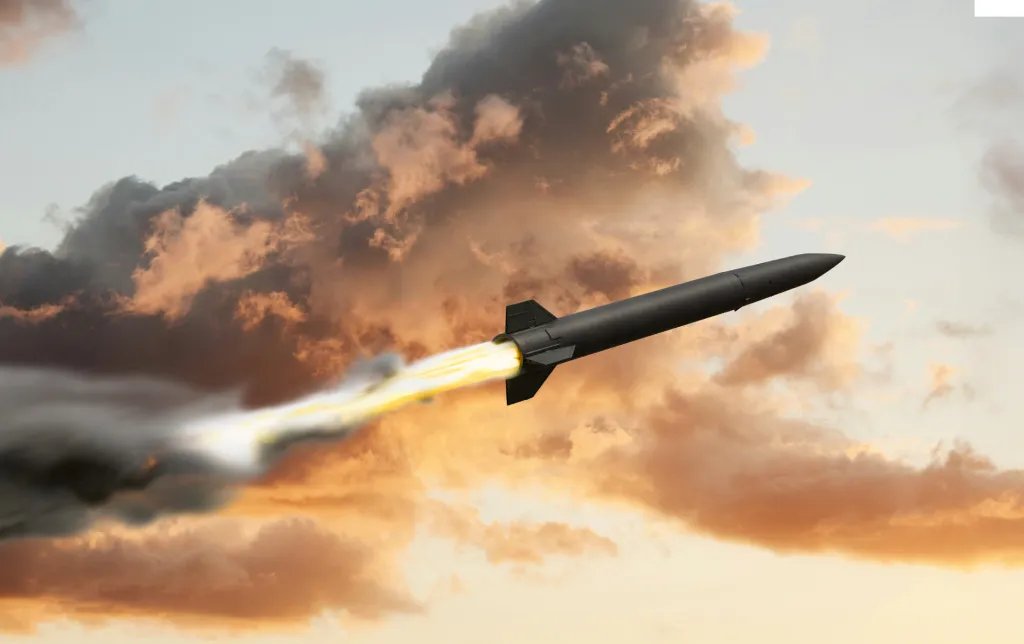
The company is also developing the larger FP-9, which Fire Point has described as having a planned range of approximately 850 kilometers (528 miles). The larger missile requires substantially more solid propellant and has driven the company to establish new industrial capabilities for manufacturing large solid-rocket motors.
As with the FP-7, the available FP-9 performance figures are based primarily on statements from Fire Point and Ukrainian sources and should not be treated as independently established specifications.
The development of these weapons reflects Ukraine’s broader effort to expand domestic production of long-range strike systems. Kyiv has relied heavily on Western-supplied weapons during the war while simultaneously attempting to establish an indigenous capacity for drones, cruise missiles, and ballistic missiles.
For Fire Point, that effort has produced an unusually broad portfolio in a relatively short period: long-range attack drones, cruise missiles, ballistic missiles and, potentially, interceptors designed to defeat ballistic missiles.
The claimed combat debut would give Ukraine a fast, hard-to-intercept strike option for targets within the FP-7’s reported range, with its combination of kinetic energy and relatively heavy warhead making it particularly useful against hardened targets. If targeting and launch procedures can keep pace, its short flight time can also enable rapid-response strikes against more time-sensitive targets. More broadly, the FP-7 represents the culmination of years of Ukrainian efforts to close a major ballistic-missile gap with Russia and establish an indigenous capability.
The reported combat debut of the FP-7 also comes as the long-range strike campaign between Russia and Ukraine continues to intensify, with both sides increasingly seeking to hold targets deep behind the other’s front lines at risk. That dynamic will become particularly important as the two countries head into another winter, when strikes against energy, industrial, and military infrastructure ramp up significantly. At the same time, the FP-7’s reported range gives it a considerably more limited target set than Ukraine’s longer-range cruise missiles and drones, constraining where it can be employed and distinguishing it from systems designed for deep strikes hundreds of miles beyond the front.
The significance of Zelensky’s announcement will ultimately depend heavily on whether the FP-7 can move from a claimed combat debut into sustained production and operational service.
Ukraine has not publicly disclosed the number of FP-7 missiles produced, current production rates, or when significant quantities could become available.
Using the FP-7 in combat for the first time would mark an important transition for Fire Point’s ballistic missile program, from development and testing toward operational employment. The company’s ability to manufacture the weapon at scale will become the next critical question.
Contact the author: thomas@thewarzone.com
The post Ukraine Claims First Combat Use Of FP-7 Ballistic Missile appeared first on TWZ.

