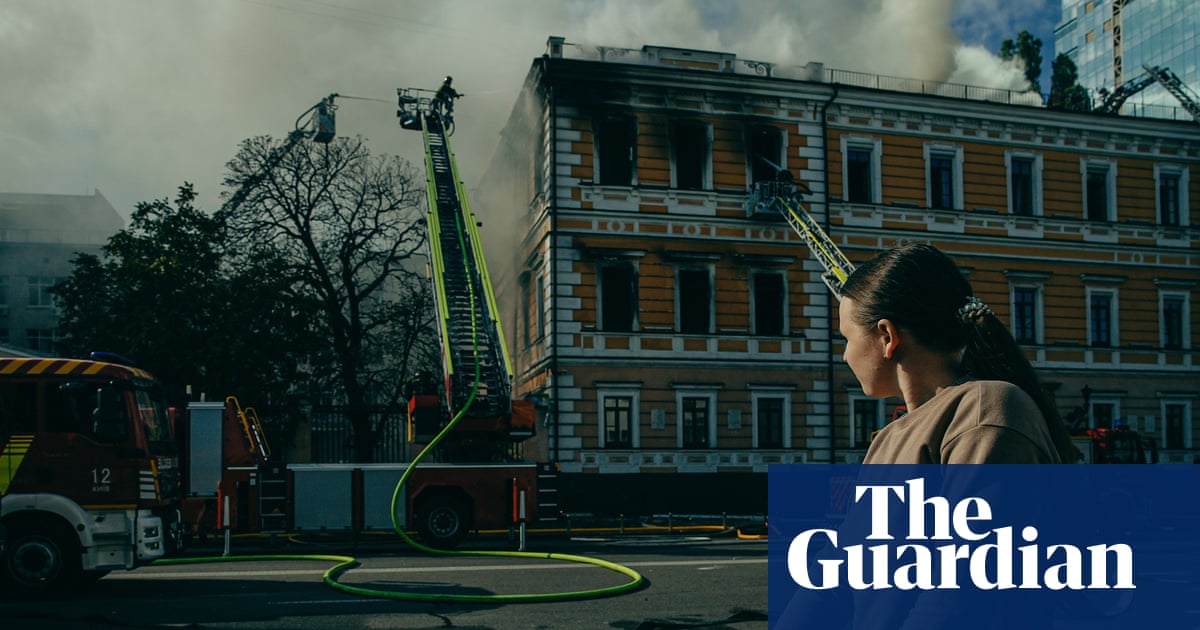
Оросын хүчин Украины нийслэл хотын эрчим хүчний байгууламж болон иргэний дэд бүтцийг онилсон цохилтуудаа нэмэгдүүлж, нөхцөл байдлыг хүндрүүлж байна.
Киев хотод сүүлийн өдрүүдэд ОХУ-ын пуужин болон нисгэгчгүй онгоцны довтолгоо эрс нэмэгдлээ. Энэхүү дайралтуудын улмаас нийслэлийн эрчим хүчний станцууд, гүүр, сургууль, эмнэлэг зэрэг чухал байгууламжууд гэмтэж, зарим дүүрэгт цахилгаан, усны хангамж тасраад байна. Хотын захирагч Виталий Кличко нөхцөл байдлыг эрсдэлтэй гэж тодорхойлж, энгийн амьдралын хэмнэл алдагдаж байгааг онцолсон юм.
Украины тал агаарын довтолгооноос хамгаалах Patriot зенит пуужингийн системийн хүрэлцээ муу байгаагаас гадна Оросын шинэ төрлийн, хурдтай нисгэгчгүй онгоцуудыг устгахад хүндрэлтэй тулгарч байна. Үүний хариуд Украины батлан хамгаалах салбар довтолгооны нисгэгчгүй онгоцуудыг устгах чадвартай шинэ үеийн интерцептор дронуудыг ашиглаж эхэлсэн ч бүрэн хэмжээгээр байршуулахад хугацаа шаардлагатай байгаа аж.
ОХУ-ын зүгээс Украины эрчим хүчний системд 1000 орчим пуужин, нисгэгчгүй онгоц, бөмбөг ашиглан томоохон довтолгоо хийхээр төлөвлөж байгааг Украины тал мэдээлсэн байна. Энэ нь өвлийн улирлыг угтан нийт хүн амыг гэрэл цахилгаангүй, хүйтэнд нэрвэгдүүлэх зорилготой байж болзошгүй гэж үзэж байгаа юм. Дипломат төлөөлөгчийн газрууд Киевийг орхихгүй байх байр суурьтай байгаа ч Оросын цохилт гадаадын байгууллагууд руу чиглэвэл нүүлгэн шилжүүлэх нөөц төлөвлөгөөг боловсруулжээ.
Газрын байлдааны хувьд ОХУ-ын арми Донбассын бүс нутагт ахиц гаргахаар оролдож байгаа ч удаашралтай байна. Үүний зэрэгцээ Украины арми зүүн зүгт “Vivaldi” нэртэй сөрөг довтолгооны ажиллагаа явуулж, газар нутгаа эргүүлэн авах оролдлого хийсээр байна. Гэсэн хэдий ч фронтын шугамын байлдаанаас илүүтэй арын алба, хотуудын дэд бүтцэд чиглэсэн агаарын дайралт нь дайны нөхцөл байдлыг шинэ шатанд гаргаж байгааг шинжээчид анхааруулж байна.
Дэлгэрэнгүйг эх сурвалжаас харах
↓Эх сурвалжийг нээх ↓
Valeriya Tkachenko was dropping her son off at school in central Kyiv when the air raid alert sounded. Staff hurried the children and parents into the shelter, where the frightened lawyer spent the next two hours with her son.
“I’m scared to death all day about what could happen to my son,” she said as she emerged from the shelter, already late for work.
A day earlier, a Russian jet-powered drone had struck a school nearby. “And I can’t plan anything any more,” she said. “It’s not sustainable like this.”
Across the city on Friday morning, Artem Marchenko, an IT worker, was forced to abandon his car and walk for 20 minutes across the Pivdennyi Bridge on his way to work after repeated Russian strikes damaged the crossing.
He feared Russia would soon target Kyiv’s other bridges, paralysing movement across a city of about 3 million people, the two halves of which are divided by the Dnipro.
Kyiv is entering its most difficult period since the early days of the invasion, as intensifying Russian attacks reshape everyday life in a capital that Moscow is seeking to plunge into darkness.
For weeks, the main worry in the capital had been the coming winter, when Russia is expected once again to try to plunge Ukraine into darkness and cold. But a sharp escalation in Russian attacks has left many residents feeling that some of the hardship they had been bracing for is already here.
“The capital is in a very dramatic situation. And it’s no longer possible to pretend that we can live now as we do in peacetime,” the Kyiv mayor, Vitali Klitschko, said on Friday. “The enemy is tearing Kyiv apart.”
This week alone, Russian missiles and drones have struck offices, datacentres, a school and hospital and one of Kyiv’s main bridges. Moscow has also started its attacks on Ukraine’s energy, targeting a thermal power plant and other energy facilities, leaving several neighbourhoods without power and water by morning.
Volodymyr Zelenskyy underlined the apparent shift in Russian tactics in an interview with the Financial Times this week, saying Vladimir Putin had recently ordered his commanders to abandon the rules of war.
“They want Ukrainians to leave the capital … and show that if you don’t have the capital you don’t have the capital,” Zelenskyy said in separate comments to reporters.
Until recently, Kyiv had retained a deceptively normal rhythm, while cities closer to the front, including Kharkiv and Dnipro, absorbed the brunt of daily missile and drone attacks. Now, residents joke grimly that the balance is beginning to shift, with those cities at times feeling safer than the capital.
The city is confronting a particularly dangerous combination of an acute shortage of Patriot interceptors for ballistic missiles and a new generation of faster, jet-powered Russian drones that are harder to shoot down.
Kyiv is racing to fast-track a new generation of interceptor drones capable of taking down the jet-powered models. Several are already in use, according to three defence industry sources, though they said it could still take weeks or months to deploy them at a scale sufficient to provide meaningful protection for the capital.
At the same time, Russia’s advances on the battlefield remain relatively slow and are coming at enormous cost.
Moscow captured about 361 sq km in September, according to the military analyst Konrad Muzyka, an increase on recent months but still far short of the pace needed to seize the rest of the Donbas before winter, when offensive operations typically become more difficult.
Ukraine, meanwhile, has clawed back about 126 sq km in a series of counteroffensives in the east, being conducted under the codename Vivaldi. That slower-moving battle on the ground is increasingly at odds with what is happening far behind the front. The contrast reflects a broader shift in the war, as Ukraine’s major cities come under growing pressure.
“You can be quite successful in the land domain, but if you are vulnerable in the air, especially in the rear, that is the vulnerability your opponent is going to exploit,” said Mykola Bielieskov, a military analyst at Ukraine’s government-run National Institute for Strategic Studies.
Ukrainian officials have been warning their European counterparts about the scale of the looming threat. According to the New York Times, Ukraine’s energy minister, Denys Shmyhal, recently briefed European counterparts on an intercepted Russian plan to use as many as 1,000 missiles, drones and bombs against the country’s energy system. The targets included electrical substations, hydroelectric and thermal power plants and boiler houses, in what appeared to be an effort to plunge Ukrainian cities into darkness and cold and create a humanitarian crisis.
“Russia plans to freeze Kyiv out, to throw it back into the Stone Age,” said one senior western diplomat in Kyiv, speaking on condition of anonymity.
Western diplomats say publicly that they intend to remain in Kyiv, mindful that leaving would hand Moscow a propaganda victory and risk creating the impression that Ukraine was being abandoned. However, privately two senior diplomats said contingency plans were being drawn up to relocate embassies to Lviv or eastern Poland if Russia began deliberately targeting foreign missions.
“The situation is obviously deteriorating fast,” the diplomat said.

