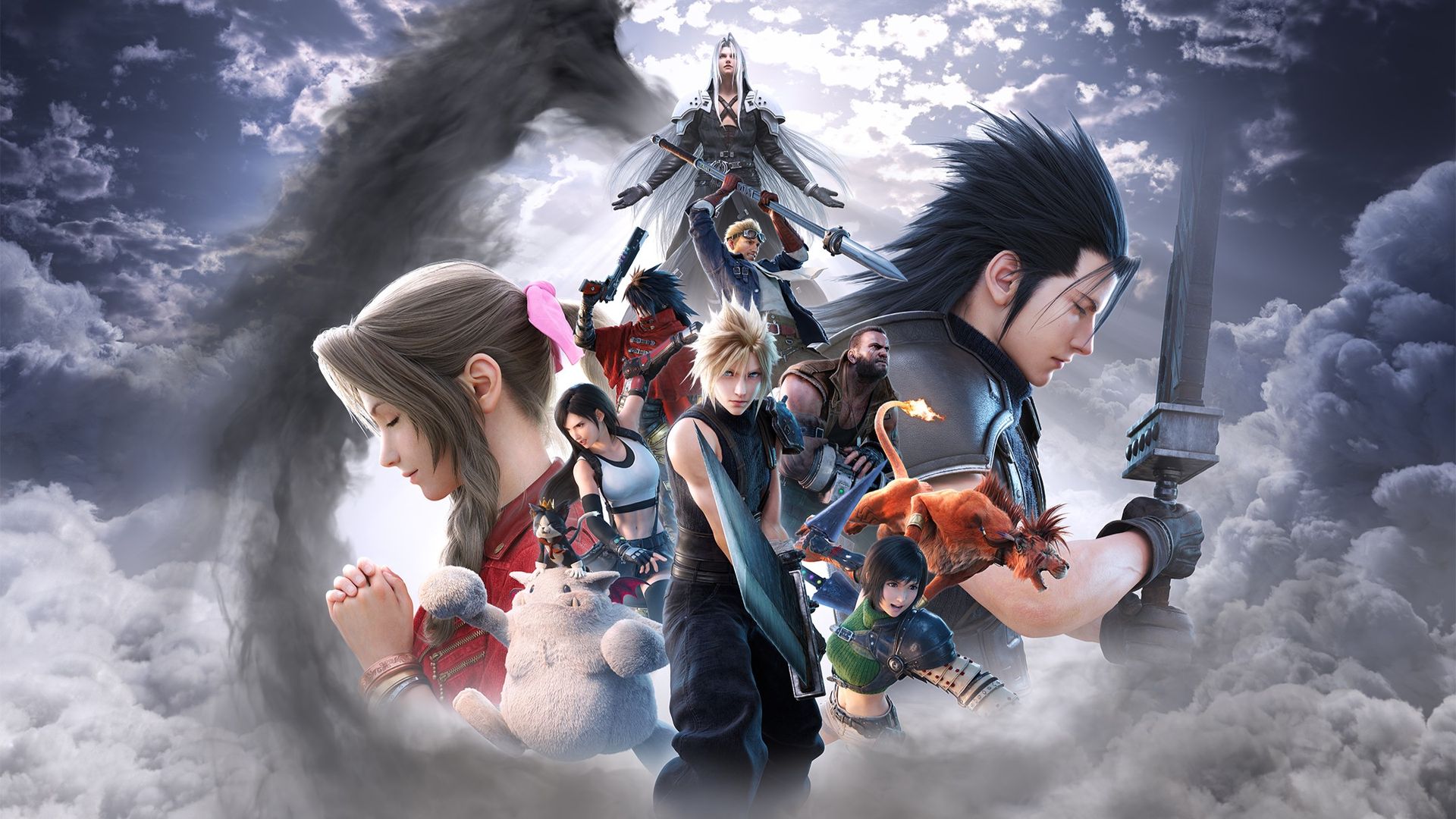
Найруулагч Наоки Хамагүчи Final Fantasy 7 Remake гурамсан зохиолын сүүлийн анги болох Revelation-ы талаар дэлгэрэнгүй ярилцлага өглөө.
Дөрөвдүгээр сарын 8-нд нээлтээ хийх Final Fantasy 7 Revelation тоглоомд Сефирот гаригийг устгах зорилгоор Метеор шившлэгийг дуудсанаар үйл явдал өрнөнө. Тоглоомын найруулагч Наоки Хамагүчигийн хэлснээр, энэ нь эх хувилбарын сүүлийн гуравны нэг хэсгийг хамарч байгаа бөгөөд тоглогчид дэлхийн газрын зураг дээрх аварга том “Weapons” бүтээлүүдтэй тулгарах юм. Тэрээр энэхүү төсөл нь Square Enix-ийн хувьд бизнесийн амжилтаас гадна 10-12 жил хамтран ажилласан итгэлт багийг бүрдүүлснээрээ онцлог болохыг онцлов.
Тоглоомын явцын хувьд өмнөх ангиудын нэгэн адил түүхэн дээр суурилсан нягт бүтэцтэй байх ч Side content буюу хажуугийн даалгаврууд нь тоглогчдод өөрсдийн мотивацыг олох боломжийг олгоно. Хамагүчигийн тайлбарласнаар, Юффи болон Винсент нарын дүрүүд энэ ангид илүү гүнзгийрч, Зак Фэйрийн хувьд өөрийн гэсэн байлдааны систем, чадварын мод бүхий илүү өргөн хүрээтэй тоглох боломжтой хэсгүүд нэмэгджээ. Рокет Таун хотыг илүү өргөн хүрээтэйгээр дүрсэлж, Сидийн машинаар аялах боломжийг бүрдүүлсэн нь тоглоомын ертөнцийг улам баяжуулсан байна.
Сефироттой хийх эцсийн тулааны тухайд найруулагч энэ нь өмнөх ангиудаас илүү тансаг, бүх хүчээ шавхсан тулаан байх болно гэдгийг амлав. Хэдийгээр тоглоомын төгсгөлийн нарийн ширийн зүйлийг нууцалж байгаа ч Клаудын эцсийн “Limit Break” буюу Omnislash зэрэг эх хувилбарын домогт мөчүүдээс сэдэвлэсэн хүндэтгэлүүд багтсан гэдгийг баталлаа. Хамагүчи ийм хэмжээний гурамсан зохиолыг дахин давтах нь бусад багуудын хувьд хүндрэлтэй, тогтвортой удирдлага болон багийн хамтын ажиллагаа хамгийн чухал хүчин зүйл байсныг тэмдэглэв.
Дэлгэрэнгүйг эх сурвалжаас харах
↓Эх сурвалжийг нээх ↓
Final Fantasy 7 Revelation director Naoki Hamaguchi must be one of the least guarded interviewees working for a major publisher. Before I speak to him, I find tons of details about the final game in the Remake trilogy spread across a dozen different sources—everything from granular titbits about why Vincent Valentine has a unique skydiving animation to defending the sheer volume of minigames that make the cut. This is someone whose team has built a hell of a lot of game over the past decade, and he clearly enjoys discussing the sweeping vision of it all.
In Revelation, which launches April 8, series villain Sephiroth has summoned the destructive cosmic spell Meteor towards the planet, intending to destroy it. Cloud, Barret, Tifa and company stand in his way—and the planet itself begins fighting back in the form of Weapons, kajiu-sized creatures that emerge from an enormous crater and then unleash mayhem across the land and sea. The events in Revelation cover the last third or so of the original game.
This is the third in a series of remakes that have been defined, in some ways, by their extraordinary production values. I ask Hamaguchi whether he thinks the FF7 Remake trilogy could offer a more sustainable model for building blockbuster games in future.
“So I can’t say whether in the future anyone else will decide that they’re going to take a famous old game and remake it as a multi-part series, but regardless, I do think that this has left quite a lot of interesting knowledge as a case study,” Hamaguchi says via a translator, explaining that his team has now been working together for 10-12 years.
“I think that this project has contributed hugely to Square Enix, not only in terms of the business as a successful game, but also in building this team that I can trust. But whether this becomes a model case or a template is, I think, a bit of a difficult question, because it becomes a question of whether or not other teams can recreate that.”
Keeping the same person at the top, too, is vital to how the end product turns out.
“For example, I have been able to stay on for the whole project as the series director because I’m extremely motivated. I’ve been more than happy to pour all of my energy into this project, but there might be some people out there who are like, ‘Well, I’ve done the first installment in this, and I’m done, I’d like to do something different.’ And so if then the top person were to change, that can really change the trajectory of a project, the style of a project, even some of the themes that it’s dealing with might be impacted by that.”
It’s true that the three FF7 Remake games feel like the result of a steady leadership team that knows what it wants to create. Even if someone else could convince a publisher to greenlight three games at once, that consistency is harder to replicate.
“Requiring a stable development environment for 10+ years is incredibly difficult,” Hamaguchi says. “I really do mean this: even though I’ve obviously been in the leadership position, I’ve had my own skills to lean on and to lead this, it’s because the same team has stuck with me that whole time that we’ve been able to achieve what we have.”
Third time’s the charm
It’s undeniable that FF7 Revelation achieves the scope it does because it’s Square Enix’s third go-around: the increased size of the world map with both new and existing locations; the growing roster of characters who each have a rich suite of combat moves; more minigames; the FITS job system which confers additional abilities upon existing characters.
It’s gloriously ostentatious as a project—or overstuffed, if you ask the more negative recent reviewers of Rebirth on Steam. I fall somewhere in the middle. I admire how unashamedly massive and generous these games are, even if the flab tested my patience in both Remake and Rebirth.
That may be because they’ve caught me in my time-starved late 30s. If these games existed at the peak of my Final Fantasy fandom when I was 17, I would’ve absolutely devoured them. I ask Hamaguchi how he thinks about pacing, and how Rebirth compares to Revelation on that front.
“Obviously, Rebirth has this world map with so much content, so much to explore, but if you just do the story, then what you’ll find is that the pacing is extremely similar and the structure is extremely similar to the tight, story-driven experience of Remake,” Hamaguchi says. “And we’ve essentially kept the approach the same for Revelation in terms of pacing.”
More of the same, then. One thing that has changed since the events of Rebirth, of course, is that there’s a big meteor heading towards the planet—which may change up the urgency of exploring its open world for players.
Hamaguchi and his team, however, have thought ahead of concerned fans on this topic. “So, you’ve got Meteor up there in the sky, and in the main story, obviously, you’re going to have that time pressure, that sense that you really need to be getting on with things because there’s this looming, impending threat,” he says. “I’ve seen people concerned that all the side content may detract from that sense of urgency.
“But we have been really careful about how that’s approached, and obviously that’s something that [Kazuhige] Nojima has really been keeping in mind when writing the scenario. Obviously Cloud and all of the main characters are heading towards this final confrontation and they’re very aware of that, but that means that they’re also trying to find and discover their own motivations to make sure that they are certain of what [they’re] doing, to find a reason to move forward.
“So it’s not that you’re just rushing into this final battle. They’re saying, ‘Well, if this is the end, then let’s do what we want to do, let’s do what feels right for us along the way.'”
So Queen’s Blood, dog football and all the other minigames are still on the menu, even when the world seems like it’s coming to an end.
Weapons-grade
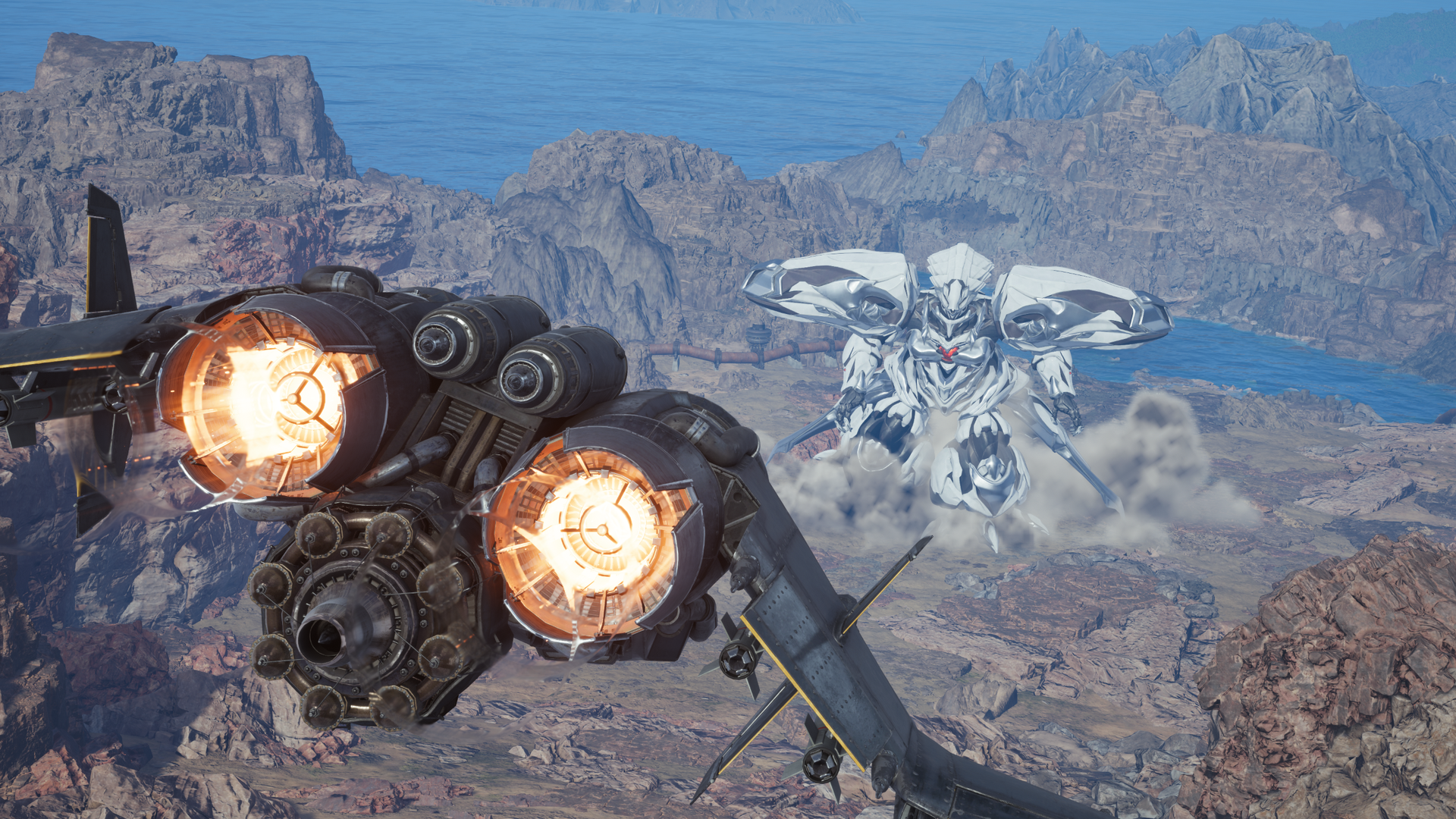
The biggest surprise for me is how much Square Enix has decided to reveal about the game in its marketing campaign, including some things I considered sacred secrets of the original.
I wasn’t surprised to see them spoil the playable Highwind airship and how that moves around the open world—that looks rad as shit—but the Weapon bosses were almost playground myths to me while I played the original. I ask if Hamaguchi had any qualms about spoiling them all during Gamescom, including how dauntingly huge they appear in the open world.
“First of all, I am glad to hear that it was a surprise that we would showcase the Weapons,” Hamaguchi says, pointing out that the previous two instalments focused their marketing around the characters, and this time they wanted to dial in on gameplay. “I suppose that was what we were going for.”
Hamaguchi is determined to match the spectacle of the Weapons in Revelation with players remember them in the original.
“In terms of how strong and how difficult the Weapons are going to be, as with the original, some of the Weapons are going to be part of the main story, and some of them are side content,” he says. “And whether they’re ones in the main story or side content, they have a lot of unique mechanics and interactive elements; some of them even have minigames in, and are quite strategic in that same way as well.
“In terms of the difficulty, obviously those that are part of the main story need to be defeatable by most players, so I would say the difficulty there is somewhat lower. For those that are part of side content, I would say those are hard, and you’re probably going to need to be a higher level than you would have been to complete the game to take those on.”
I use the rest of my time with Hamaguchi to ask about details of the original FF7 that still stick in my memory, decades after I first completed it, and how they’ll be interpreted in Revelation.
FF7 Rebirth gave players a little sample of Highwind captain Cid, but in the original game he was quite a complicated and self-loathing character, stuck on the ground because his dream of going into space went kaput. The order of when that story occurs has changed, which fans already knew, but Revelation will be faithful to the specifics.
“Revelation does pay tribute to the original with everything that’s going on in Rocket Town, [including] that mission from Shinra to launch the rocket, exploring the relationship between Cid and [Shera], and that experience of going to space and space travel,” Hamaguchi says. “We really think that it’ll allow players to explore Cid’s internal world a little bit more.”
As fans may have already seen, too, Rocket Town is a more expansive setting in Revelation, which requires its own form of transportation. “There was a buggy in Rebirth, of course, but this [time you] will be driving around in Cid’s car. And you can put some background music on in the car if you like, and who knows, maybe if you do some more side content you might unlock some more tracks for his car and things like that, so there’s plenty to explore.”
I ask which characters get expanded upon the most versus the original game, since we’ve now spent tens more hours with some of these heroes than we did in the 1997 version. “In terms of extra depth and exploration, I think particularly with Revelation, the characters that we’ve really been able to explore in more detail, in more depth, are Yuffie and Vincent. Because in the original, Yuffie and Vincent were both optional characters, they weren’t able to be so intricately tied into the main story.”
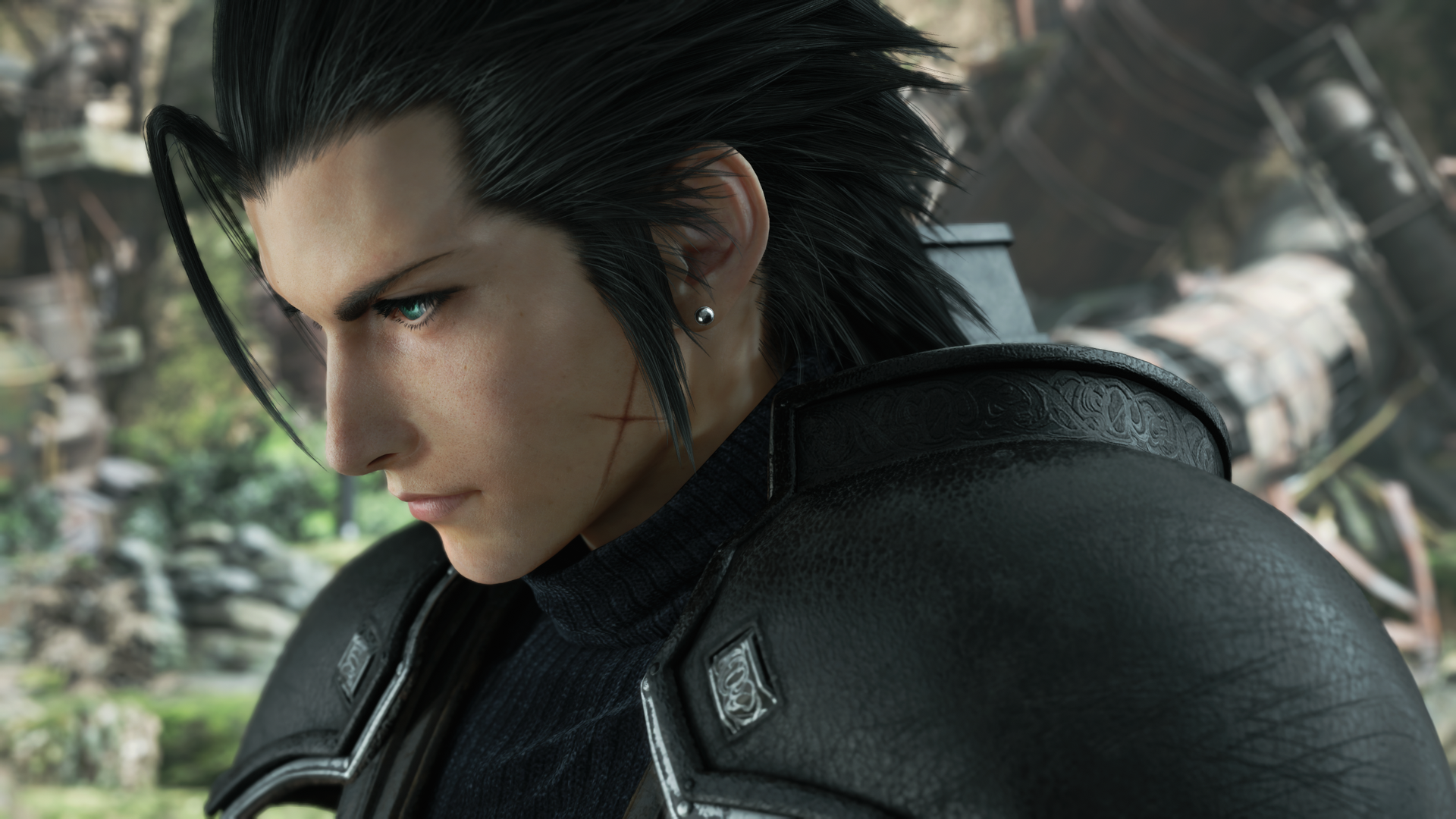
Elsewhere, Hamaguchi has expressed his enthusiasm for folding in elements from the wider net of FF7 side projects. I’ve always been curious about the remake games’ obsession with Zack Fair, a flashback character in FF7 who was spun off into the popular PSP prequel Crisis Core (which has since been remade and released on PC). Hamaguchi says this creative choice is driven by fans’ enthusiasm for the character as depicted in the game.
“In Revelation, there are more playable sections with Zack, and they are more extensive than those in Rebirth,” Hamaguchi says. “He’ll actually be playable in battle with his own combat system that’s unique to him, and there will be room for growth in a skill tree kind of way. It’s very closely tied into the story experience, so it’s on a much larger scale than what you’ve seen before, which I think will hopefully make Zack fans happy, and his sections, let’s just say they are full of surprises.”
Speaking of surprises: it took FF7 Remake only a few hours to break the seal on series antagonist Sephiroth, which perhaps robbed the character of his elusive potency in the original game. By the time Revelation comes along, it’ll be the third time players have faced him—I’m curious how Hamaguchi and team will top the spectacle of Rebirth’s prolonged Sephiroth encounter, which reached double digit phases.
“First let me just say that we haven’t said whether there will be a dramatic showdown with Sephiroth in this third of the series,” laughs Hamaguchi. “However, if there wasn’t a dramatic showdown with Sephiroth, I do think the fans would be angry, so there will be one!”
He’s keen not to spoil the surprise, but also can’t help but drop a few hints—including a nod to Cloud’s final Limit Break attack, a legendary moment of the original game’s finale. “What I can say is that it’s going to be a very extravagant, all-out battle that will far and above surpass what was in Remake and Rebirth in what I believe will be a very satisfying encounter. I know there are a lot of people out there who are looking forward to seeing the ultimate limit break [Omnislash] at the end of the battle with Sephiroth.
“Obviously we are putting in plenty of homages to the original, including to things like [that limit break]. We have crammed it full of everything that we can,” Hamaguchi says, clearly excited to show fans another eye-wateringly high-end boss battle that will no doubt consume an entire evening.
While I think less could’ve been more with the FF7 Remake trilogy, I do enjoy Hamaguchi’s absolute confidence in his vision of what he believes fans want. It’s impossible to look at the Highwind cruising over the 1:1 scale world map in Revelation and argue that was a poor way to burn three games’ worth of budget.

