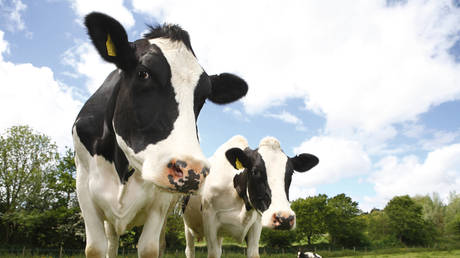
Тус улсын Засгийн газрын мэдээллээр, шавьжаар дамждаг энэхүү вирусийн тархалт сүүлийн гурван улирлын үзүүлэлтийг нийлүүлснээс ч давж, эрчимтэй нэмэгдэж байна.
Их Британийн Байгаль орчин, хүнс, хөдөө аж ахуйн яам (Defra) болон Амьтны эрүүл мэндийн агентлагийн (APHA) мэдээлснээр, 2026 оны долдугаар сарын 1-нээс эхэлсэн 2026-27 оны улиралд “хөх хэл” өвчний 2,579 тохиолдол бүртгэгджээ. Энэ нь өмнөх гурван улиралд бүртгэгдсэн нийт тохиолдлоос дөрөв дахин их үзүүлэлт юм. Засгийн газар уг өвчнийг баталгаажуулсан аж ахуйн нэгж бүрийг нэг тохиолдолд тооцож байна.
Хонины төрлийн болон үхэр зэрэг хивэгч малд халдварладаг уг вирус нь халуурах, доголох, амны хөндийн шархлаа, хэл хавагнах зэрэг шинж тэмдгээр илэрдэг. Хүндэрсэн тохиолдолд мал үхэх, зулбах, ураг гажигтай төрөх эрсдэлтэй ч хүнд халдварлахгүй бөгөөд хүнсний аюулгүй байдалд эрсдэл учруулахгүй гэж албаныхан мэдэгдлээ.
Дэлхийн мал амьтны эрүүл мэндийн байгууллагын (WOAH) судалгаагаар, дэлхийн дулаарал нь вирусийг тээгч хачиг, бясаа зэрэг шавьжийн идэвхтэй байх хугацааг уртасгаж, тархах хүрээг нь тэлсээр байна. Эрдэмтдийн тайлбарласнаар, шавьж эрт идэвхжиж, оройтож ичдэг болсон нь өвчний улирлын хоорондох зайг багасгаж, вирус өвөлжих таатай нөхцөлийг бүрдүүлж байгаа аж.
Үүний зэрэгцээ, Атлантын далайг дамнан АНУ-д хэдэн арван жилийн өмнө устгагдсан гэж үзэж байсан “New World screwworm” хэмээх шимэгч ялаа зургаадугаар сард дахин илэрчээ. Холбооны болон муж улсын эрх баригчид уг өвчнийг хязгаарлах арга хэмжээг чангатгасан бол Канад улс Техас болон Шинэ Мексико мужаас мал импортлохыг хязгаарлаад байна.
Дэлгэрэнгүйг эх сурвалжаас харах
↓Эх сурвалжийг нээх ↓
Severe infections of the midge-borne virus can cause a blue tongue, abortions, stillbirths and death in livestock
British livestock farmers are confronting an unprecedented spread of bluetongue, a virus carried by biting midges. Cases this season have exceeded the previous three seasons combined, according to UK government data updated on Saturday.
The UK has recorded 2,579 cases so far in the 2026-27 bluetongue season, which runs from July 1, 2026 through June 30 of next year, according to the Department for Environment, Food & Rural Affairs (Defra) and the Animal and Plant Health Agency (APHA). The government defines a case as a property where bluetongue has been confirmed.
In just three months, this season’s bluetongue outbreak has recorded more than four times as many cases as the previous three seasons combined.
The government recorded 348 cases in Great Britain in the 2025-26 season, 163 in 2024-25 and 126 in 2023-24.
The virus affects sheep, cattle and other ruminants. Common signs include fever, lameness, mouth sores and swelling of the head or tongue. Severe infections can cause a blue tongue, breathing problems, abortions, fetal deformities, stillbirths and death. The virus does not infect people or pose a risk to food safety.
Bluetongue was first identified in Africa but has spread across southern, central and northern Europe. Rising temperatures have helped expand the range and transmission season of the biting midges that carry the virus, according to the World Organisation for Animal Health (WOAH).
”Essentially the midges are active earlier and continue their activity until later in the year,” Dr. Christopher Sanders of The Pirbright Institute said in a WOAH publication on an earlier outbreak. “That means that the gap between transmission seasons is actually reduced, which may allow the virus to overwinter more easily.”
The bluetongue outbreak comes as livestock producers across the Atlantic are confronting another insect-borne threat.
The New World screwworm, a flesh-eating parasitic fly eradicated from the US decades ago, re-emerged in the country in June. Federal and state authorities have since stepped up surveillance and imposed measures aimed at containing its spread. Canada has restricted imports of livestock and other susceptible animals from Texas and New Mexico, where screwworm cases have been detected.
You can share this story on social media:



