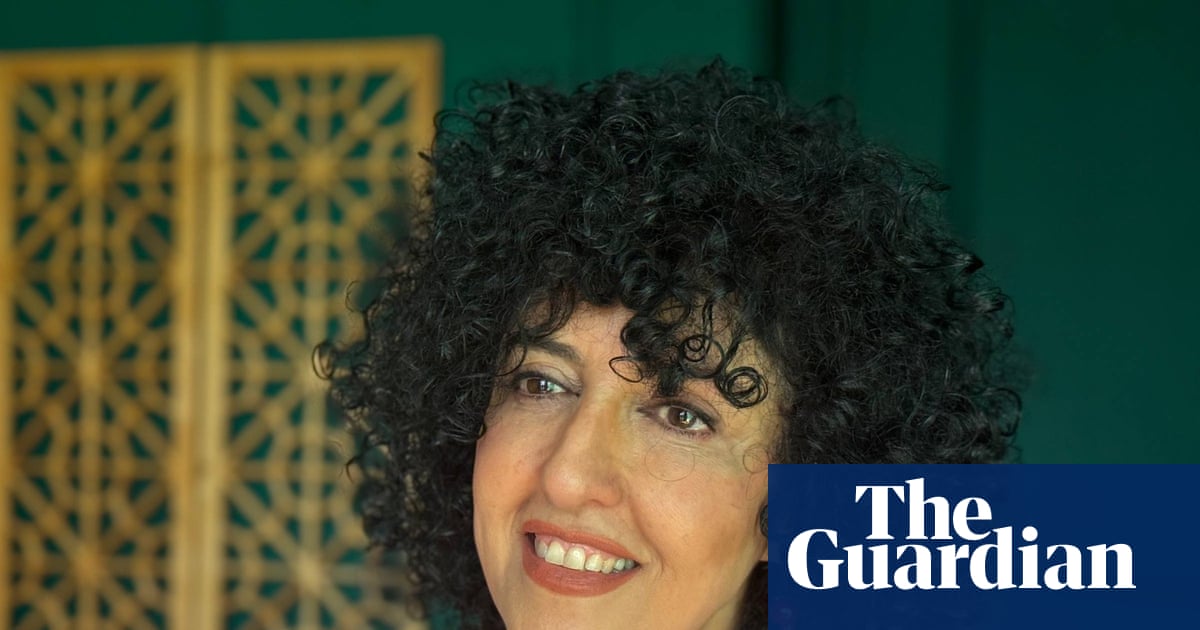
Хүний эрхийн төлөө тэмцэгч, Нобелийн энхтайвны шагналт Наргес Мохаммади шоронгийн нөхцөлд бие махбод болон сэтгэл зүйн хувьд хүндээр хохирсон талаараа анх удаа дэлгэрэнгүй мэдээлэл өглөө.
Наргес Мохаммади 2025 оны арванхоёрдугаар сарын 12-нд Машхад хотод хүний эрхийн хуульч Хосроу Аликордигийн дурсгалыг хүндэтгэх арга хэмжээний үеэр баривчлагдахдаа Ираны аюулгүй байдлын албаныхны харгис үйлдлийн золиос болсноо ярьжээ. Түүний хэлснээр, байцаалтын үеэр толгой болон биеийн хэсэгт хүчтэй цохилт авсны улмаас тархины шинжилгээ хоёр ч удаа хийлгэх шаардлагатай болсон байна. Хүнд гэмтэл авсан ч түүнийг эмнэлгийн тусламж үзүүлэхийн оронд шууд ганцаарчлан хорих өрөөнд шилжүүлж, шүүх эмнэлгийн дүгнэлт гаргуулахаас эрх баригчид татгалзжээ.
Өдгөө 54 настай тэмцэгч бүсгүй өнгөрсөн тавдугаар сард зүрхний шигдээсийн улмаас ухаан алдсан байдалтай олдсоны дараа эмчилгээ хийлгэхээр түр хугацаанд суллагдсан ч биеийн байдал нь маш хүнд байгаа аж. Шоронгийн нөхцөл байдал нь түүний зүрх, уушги болон мэдрэлийн системд ноцтой хохирол учруулсан тул дахин хоригдох нь амь насанд нь шууд аюул учруулахаар байгааг тэрээр онцолсон байна. Түүнийг хорих ялаас гадна хоёр жилийн хугацаатай дотоодод цөлөх ялаар шийтгэж, Занжан дахь шоронд шилжүүлсэн нь олон улсын анхаарлыг татаж байна.
Мохаммади шоронд нууцаар бичсэн “Эмэгтэй хүн тэмцлээ хэзээ ч зогсоодоггүй” нэртэй дурсамж номондоо удаан хугацааны ганцаарчилсан хорих ялыг “цагаан эрүү шүүлт” хэмээн тодорхойлжээ. Иранд сүүлийн үед өрнөж буй эсэргүүцлийн хөдөлгөөнүүд болон түүнийг дагалдан гарч буй олноор цаазлах ажиллагаа, хүний эрхийн ноцтой зөрчлүүд нь нийгмийн сэтгэл зүйд хүндээр тусч байгааг тэрээр анхаарууллаа. Хэдийгээр өөрийн амь нас, үр хүүхдийнхээ ирээдүйд санаа зовниж байгаа ч тэрээр Иранд үлдэж, хүний эрхийн төлөөх тэмцлээ үргэлжлүүлэх шийдвэрээ мэдэгдэв.
Дэлгэрэнгүйг эх сурвалжаас харах
↓Эх сурвалжийг нээх ↓
The human rights activist Narges Mohammadi has described being beaten so severely by Iranian security agents that she required two brain scans, before being held in solitary confinement for two months despite her grave injuries.
In an interview with the Guardian, the 54-year-old Nobel peace prize laureate said that during her arrest in December, security agents “inflicted extremely severe blows to my head and body.
“They grabbed and forcibly pulled me by my hair, kicking and punching me repeatedly with such force that massive, painful bruises covered my entire body,” she said.
Mohammadi suffered dizziness, nausea and vomiting in the days that followed, but said authorities refused to allow a forensic examination of her injuries. “Despite the severe physical injuries and trauma I sustained, I was immediately transferred to a solitary confinement cell,” she said.
“During the first few days in solitary confinement I was completely dazed and confused, had severe dizziness, was nauseous and was vomiting. They sent me from the detention centre twice for a brain CT scan in a hospital,” she said. “Despite this, they were not willing to allow the forensic medical examiner to come and prepare a report on my injuries.”
Mohammadi was temporarily released from prison for medical treatment in May, after being found unconscious in her cell after a cardiac arrest. She said she feared that another imprisonment could endanger her life.
“A return to prison is always looming,” she said. “Truthfully, it is a dangerous prospect. Imprisonment left me with severe physical damage to my heart, lungs and nervous system – injuries that have demanded ongoing medical treatment, medication, physical therapy and rehabilitation since I was transferred from Zanjan to Tehran.
“My medical treatment is far from over, and being sent back to prison under these conditions poses a grave threat to my life,” she said.
Mohammadi, who was awarded the Nobel peace prize in 2023 for her “campaign against the oppression of women in Iran and her fight for human rights and freedom for all”, was arrested on 12 December 2025 while attending a memorial gathering for the human rights lawyer Khosrow Alikordi in the north-eastern city of Mashhad.
In February, a court sentenced her to a further seven and a half years in prison and two years of internal exile to the town of Khosf. She was subsequently transferred to Zanjan prison.
Over the years, Mohammadi has endured 14 arrests, 10 trials and five periods of solitary confinement. She said her health had deteriorated further after multiple operations over the past decade, after which she was repeatedly returned from hospital to prison.
Her experiences of imprisonment and resistance also form the basis of her latest memoir, A Woman Never Stops Fighting, published last month. Written in secret during her incarceration, with fragments of the manuscript smuggled out of Iran with the help of fellow prisoners and trusted contacts, the book offers an intimate account of her struggle for human rights and the sacrifices that have accompanied it, including her prolonged separation from her children.
Beyond the physical injuries, Mohammadi described the psychological toll of prolonged isolation, which she characterised as “white torture”.
In a cell with nobody to speak to, nothing to embrace and no connection to the world beyond its walls, she said, even a prisoner’s sense of identity could begin to erode.
“When you are cut off from your family and surrounding environment … a person’s perceptions undergo a kind of distortion,” she said.
However, Mohammadi said her most painful doubts concerned not her political beliefs but the price her activism had exacted on her children during her incarceration. Alone in her cell, she says she repeatedly thought about her twins, Ali and Kiana, and whether her responsibilities as a mother should have taken precedence over the struggle for human rights.
“Was my duty to take care of Ali and Kiana, not leave them alone and ensure they had a mother?” she recalled asking herself. “Or was it human rights activism … the goals we hold in our hearts, like freedom, justice, democracy, human rights and lasting peace?”
Her children had seen her being arrested three times – when they were just three, five and eight years old – and she witnessed their distress each time. “In these harsh conditions, to be honest, I rarely doubted my ideals, my convictions, or whether or not I should have carried out these activities,” she said.
“But the truth is, when I thought about Ali and Kiana and what they suffered in my absence as a mother, what happened to them during the moments of my arrests … I thought about what happens to the minds and psychological wellbeing of such very young children when they drag me away before their eyes, and whether my children deserved to experience such escalating violence.”
Her account comes as Iran continues to grapple with the aftermath of the deadly crackdown on nationwide protests in January, alongside war and worsening economic hardship.
Mohammadi, who was imprisoned during the January violence, said she had since learned of the scale of the repression and was particularly alarmed by the treatment of detained protesters.
“What terrifies me most is the speed and intensity of the executions – carried out after trials stripped of due process, legal representation and fundamental fairness – inflicting relentless wounds on our society,” she said.
She warned that ordinary Iranians were facing mounting pressure from domestic repression, external conflict and deteriorating living conditions.
“The people’s economic situation is severely fractured; yet when they protest that they cannot survive under such dire conditions and political oppression, they are met with further violence,” she said.
Mohammadi is continuing to receive medical treatment after her transfer from Zanjan to Tehran. Despite the potential prospect of further imprisonment, she insisted she would remain in Iran and continue campaigning for human rights: “I have always chosen to stay in Iran, and I choose to stay even now.”
She said she continued to draw hope from younger Iranians, particularly women and young people. “They do not back down; they know their rights, understand them, strive to reach them and never relent,” she said.
“I have immense hope in younger generations, in the youth, and in women. I am certain that no power can erase hope from our hearts, and no power can sustain tyranny permanently.”


Ираны хүний эрхийн зүтгэлтэн Наргес Мохаммади шоронгийн харгислал, зүрхний өвчиндөө хэрхэн нэрвэгдсэнийг ярилаа. Түүнийг хэчнээн бэртсэн байгааг ойлгоход бэрх, гэхдээ түүний зоригийг магтаж болохгүй гэж үү? Тэр хэдий хүчирхийлэлд нэрвэгдсэн ч хүний эрхийн төлөө тэмцсээр байна, энэ үнэхээр бахархам. Та энэ тухай юу бодож байна, хүний эрхийн төлөө тэмцэгчдийн хүчин чармайлт ямар үр дүнд хүрч болох вэ?