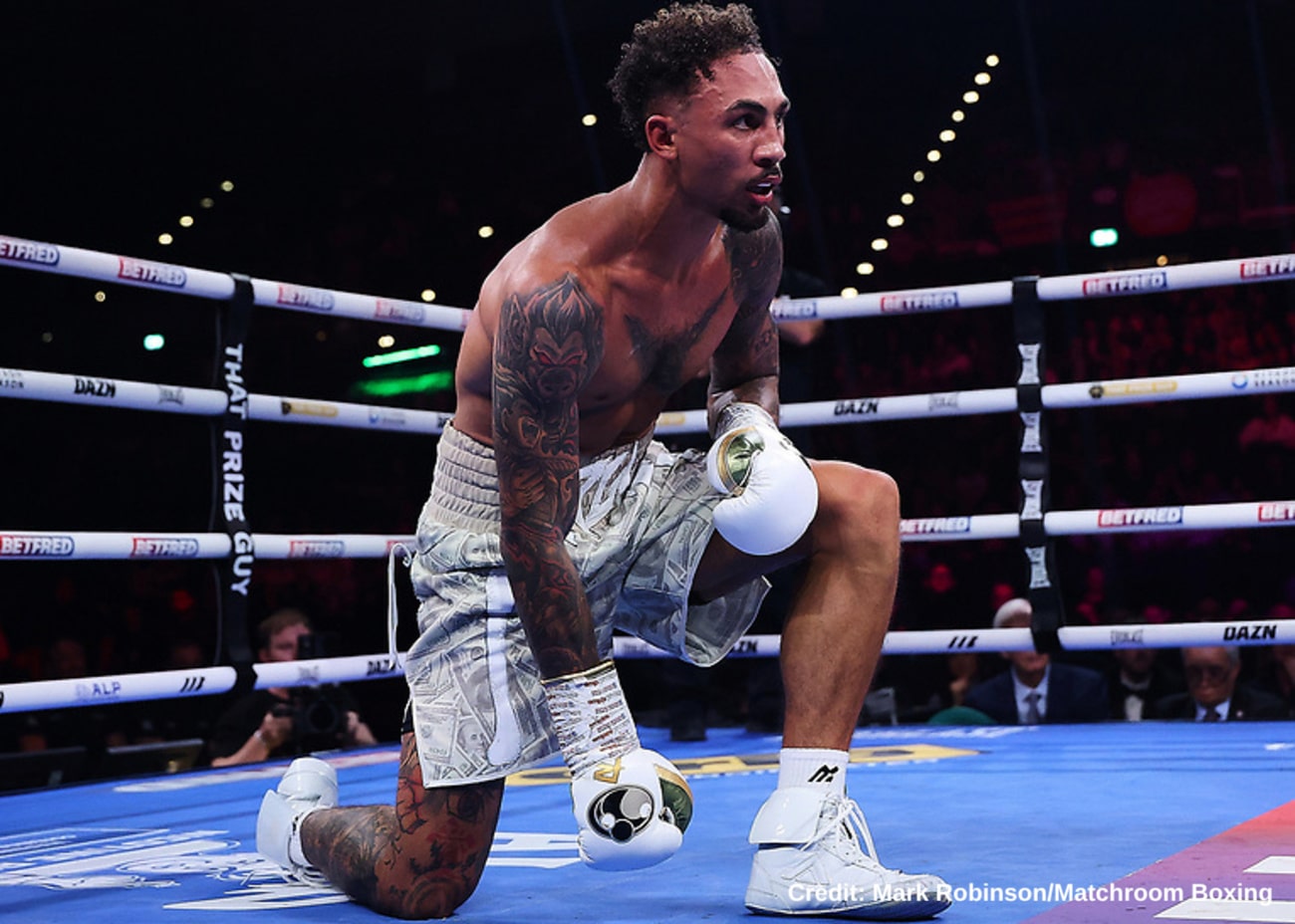
Бирмингем хотноо болсон IBF-ийн хөнгөн жингийн элиминатор тулааны үеэр Бен Уиттакерын үзүүлсэн гүйцэтгэл болон шүүгчдийн шийдвэр олны анхаарлыг татаж байна.
Бен Уиттакер Бямба гарагт болсон тулаанд Конор Уоллесийг 117–111, 116–112, 115–113 гэсэн оноогоор ялж, IBF-ийн заавал тулалдах эрхийг авсан. Гэсэн хэдий ч тулааны сүүлийн раундад Уиттакер гурван удаа унасан ч шүүгчид үүнийг нэг ч удаа нокдаун гэж тооцоогүй юм. Matchroom Boxing-д өгсөн ярилцлагадаа промоутер Эдди Хирн эдгээр уналтын нэгийг нокдаун гэж тооцох боломжтой байсныг хүлээн зөвшөөрсөн байна.
Хирн уг асуудлыг боксчны ядаргаа, түүнчлэн өрсөлдөгчийнх нь түлхэлт болон толгойн ар хэсэгт хийсэн цохилттой холбон тайлбарлажээ. Гэвч тулааны явцад Уиттакер өрсөлдөгчөө байнга барьж, барилдах тактик ашигласан нь шүүмжлэл дагуулж байна. Хэрэв шүүгч эдгээр уналтыг нокдаун гэж тооцож, барилдааныг зогсоон сануулга өгсөн бол тулааны эцсийн дүн өөрөөр эргэх боломжтой байсныг мэргэжилтнүүд онцолж байна.
Хэрэв тухайн раунд 10–6 гэсэн оноогоор шийдэгдсэн бол нийлбэр оноо 114–114, 113–115, 112–116 болж өөрчлөгдөх байсан бөгөөд энэ нь Уоллесийн олонхын шийдвэрээр ялах хувилбарыг бий болгох байв. Уиттакер тулааны эхний үеүүдэд давуу байдалтай байсан ч сүүлийн раундад гарсан алдаа болон шүүгчдийн шийдвэр нь түүний ялалтын хувь заяанд нөлөөлөхүйц байсан нь илэрхий байна.
Дэлгэрэнгүй эх сурвалжийг харах
Эх сурвалжийг нээх ↓
Eddie Hearn’s admission that one of Ben Whittaker’s final-round falls could have been counted as a knockdown leaves a bigger question unanswered: how different would the result have been if all three falls and his repeated holding had been punished?
Whittaker won Saturday’s IBF light heavyweight eliminator against Conor Wallace in Birmingham by scores of 117–111, 116–112 and 115–113. But his survival in the championship rounds deserves more attention than Hearn’s limited concession gives it.
“I think possibly one of them,” Hearn said to Matchroom Boxing when asked about the potential knockdowns against Wallace. “There was one I think one time he went down when I thought, ‘Oh, that could be counted.’”
Hearn attributed Whittaker’s trouble largely to exhaustion, while also pointing to pushes and punches behind the head. That is his explanation, but being tired does not rule out a knockdown. If a legal punch causes a fighter to fall, exhaustion does not excuse it.
Whittaker went down three times in the final round, with none counted as knockdowns. The argument that all three should have counted goes further than Hearn’s admission, although each fall needs to be judged separately for whether a punch, a push or tangled bodies caused it.
The potential effect on the result was substantial. If Wallace received the round 10–9 on the original cards, changing it to 10–6 for three knockdowns would turn the totals into 114–114, 113–115 and 112–116. Under that scenario, Wallace wins a majority decision.
Then there was Whittaker’s repeated holding. He was grabbing to survive, and the referee’s handling of that could have affected more than the scores. A warning followed by a deduction might have forced him to stop clinching so often and defend himself while exhausted.
That could have given Wallace more opportunities to finish him. Whittaker’s early-round work earned him a lead, but it did not entitle him to hold without consequence when that lead came under attack.
Hearn has acknowledged one questionable decision. The stronger criticism is that the combination of uncounted falls and unpunished holding may have helped Whittaker leave Birmingham with a win and an IBF mandatory position.

