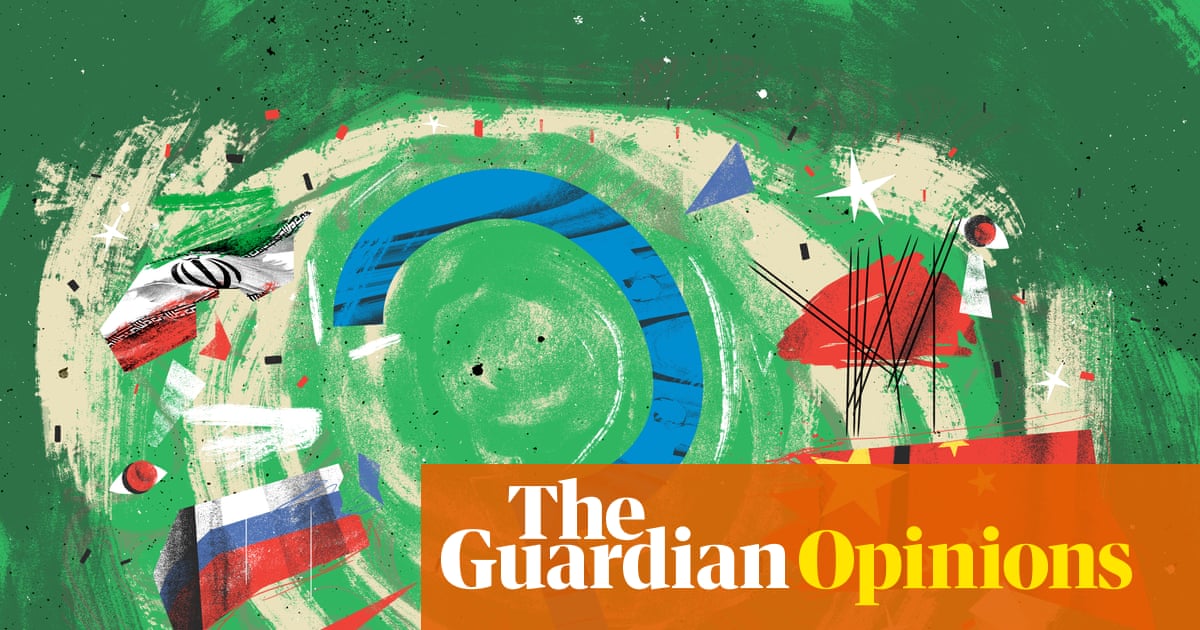
Олон улсын мөргөлдөөний нөлөөгөөр тус улсын стратегийн байгууламжуудын аюулгүй байдал эрсдэлд орж, иргэний эрх чөлөө болон үндэсний аюулгүй байдлыг тэнцвэржүүлэх сорилт үүсээд байна.
Иран улстай холбоотой байж болзошгүй аюул заналхийллийн улмаас RAF Fairford баазад байрлаж байсан АНУ-ын бөмбөгдөгч онгоцуудыг яаралтай татан авчээ. Тус бааз руу халдлага үйлдэхээр төлөвлөсөн байж болзошгүй хэргийг мөрдөн шалгах явцад Ираны оролцоо байж болзошгүй гэх хүчтэй сэжиг байгааг Ерөнхий сайд мэдэгдсэн байна. Үүнтэй холбогдуулан Их Британи даяар цэргийн баазуудын аюулгүй байдлын түвшинг өндөрсгөж, НАТО-гийн тагнуулын төв байрладаг RAF Molesworth баазад нэвтрэхийг завдсан хоёр хүнийг баривчилжээ.
Геополитикийн хурцадмал байдал нь зөвхөн цэргийн хүрээнд хязгаарлагдахгүй бөгөөд эрчим хүч, хүнсний үнийн өсөлтөөр дамжин энгийн иргэдийн амьдралд нөлөөлж эхэллээ. Иран болон ОХУ Hormuz-ийн хоолой болон Хар тэнгис дэх тээврийн маршрутуудыг хязгаарлаж байгаа нь дэлхийн зах зээл дэх нийлүүлэлтийн сүлжээнд ноцтой саад учруулж байна. Британийн засгийн газар стратегийн чухал салбарын удирдлагуудыг цуглуулж, гадны хорлон сүйтгэх ажиллагаанаас сэргийлэх арга хэмжээг чангатгаж эхэллээ.
Их Британи улс 9/11-ний дараах үеийнх шиг аюулгүй байдлын хэт давамгайлсан бодлого болон ардчилсан зарчмуудын хоорондох хүндхэн сонголтын өмнө ирээд байна. Өмнө нь эдийн засгийн хувьд нээлттэй байх зарчмыг баримталж, гадны хөрөнгө оруулалтыг дэмждэг байсан бол одоо автократ дэглэмүүд энэхүү нээлттэй байдлыг ашиглан тагнуул болон нөлөөллийн ажиллагаа явуулж байна гэсэн болгоомжлол нэмэгдэв. Засгийн газар аюулгүй байдлыг хангах нэрийдлээр иргэний эрх чөлөөг хязгаарлахгүй байх, улс үндэстнээр нь ялгаварлан гадуурхахгүй байх тэнцвэрийг хадгалах сорилттой тулгарч байна.
Дэлгэрэнгүйг эх сурвалжаас харах
↓Эх сурвалжийг нээх ↓
The first time the window-rattling roar of a B-1 bomber woke me up this summer, I thought for one crazed second we were under attack. By the second time, I’d learned to recognise the sound of US planes taking off from their base at RAF Fairford for what it was: a reminder that although Britain wants no part in this war with Iran, we cannot quite escape the consequences.
We’ll feel them at the petrol pump, or in the supermarket this autumn, or in this winter’s heating bills. But living under the flight path adds an extra edge to it. The skies finally fell silent last week, but only because the bombers have been hastily summoned home after an alleged terrorist plot to attack Fairford, in which (according to the prime minister) there are “strong indications that Iran played a part”. If Fairford is now a target of war, did that threat disappear when the Americans did? Nobody knows.
Rural Oxfordshire is peppered with military bases, and after 15 years here I don’t bat an eyelid at helicopters practising low-flying drills, uniforms on the school run, or the stash of Day-Glo marshmallow cereal our local supermarket used to keep for homesick Americans. But the Fairford incident follows a serious security breach at RAF Brize Norton last year – and though this involved pro-Palestinian protesters rather than the Russians, it didn’t inspire confidence – and news this summer that the Manchester synagogue attacker had scoped out the security arrangements for the nearby Shrivenham defence academy. Bases nationwide are on high alert, with two Latvians arrested on Thursday on suspicion of trespass inside RAF Molesworth in Cambridgeshire, home to a Nato intelligence hub. At Fairford, it was a farmer who sounded the alarm, raising some difficult questions about how vigilant to be in small rural communities where strangers tend to stand out. I don’t want to become paranoid about every passing dog walker, or leap to ridiculous conclusions on hearing a Russian accent. But not since living in London in the aftermath of 9/11 have I felt more alert to anything seemingly out of the ordinary.
And that, of course, is how terrorism works. It’s not just the attacks themselves, but the fear and distrust they engender. For a while after the 7/7 bombings, people would change train carriages rather than stand next to some poor kid with a rucksack. At the height of the Troubles in Northern Ireland, Irish émigrés in Britain faced hostility. Sadly, it’s usually minorities who are singled out for suspicion or – in areas prone to far-right protests or antisemitic attacks – forced to wonder which of their neighbours might have joined the marches, or daubed graffiti on Jewish-owned shops. This time, there’s a particularly grim risk of a backlash against asylum seekers, with Reform pouncing on unproven reports that Tehran may be using small boat crossings to smuggle covert operatives into Britain. (For the record, those arrested and released on bail in connection with the alleged Fairford plot have British nationality. However, a Kuwaiti citizen recently convicted of a terror plot against the Israeli embassy and two Iranian nationals recently charged with allegedly plotting to target Jews in Manchester reportedly got here in dinghies.) Whatever the truth, Tehran must be delighted to see such destabilising ideas spread.
For the second time since 9/11, Britain faces a dilemma over how much of a securocracy – a country dominated by security concerns, whose citizens live at a pitch of constantly heightened anxiety – it should become in response to increasing threats. As Andy Burnham will remember, the “war on terror” forced the last Labour government, of which he was part, into a painful rolling back of civil liberties at home. Since the threat this time is less from an ideology than from three hostile nation states with domestic reach – namely Russia, Iran and China – the coming dilemmas may be more over the movement of technology, assets and people.
Historically, Britain’s economy has been a relatively open one, even after Brexit. We let Gulf states buy our football clubs, Russian oligarchs prop up the prime London real estate market, and Chinese money bail out our cash-strapped universities and build our power stations, despite concerns about espionage, censorship and interference in domestic politics. (Tom Tugendhat, the shadow foreign affairs minister and longstanding China hawk, revealed last week that he still gets letters from Beijing to the family home “that say, basically, ‘we know where you live’”.)
London’s tech startups, expanding faster than they could hire domestically, snapped up skilled young Russian coders understandably anxious to escape a country at war. We didn’t slap tariffs on cheap Chinese EVs when the EU did, despite concerns they could kill off domestic car manufacturing – or even that some of their software might still be controllable from China, because trade wars are generally bad for business. (Though the business secretary, Jonathan Reynolds, suggested recently that that debate is not entirely closed.)
We chose not to become a fortress because for a long time, the benefits of being open to the world felt worth the risks, but perhaps also as a statement of our values. But there is an increasingly live debate in Whitehall about whether, in retrospect, autocracies saw that openness as a weakness to exploit. If nothing else, they’re certainly weaponising it now: both Iran and Russia are throttling shipping routes in the strait of Hormuz and Black Sea respectively, with consequences for oil and food prices that are now ringing serious alarm bells within governments.
Though it’s not entirely clear yet what Burnham makes of all of this, there are early signs of attitudes hardening. The Cabinet Office recently summoned CEOs of critical infrastructure companies to brief them on the threat of Russian sabotage, while last week MI5 issued a rare public warning to academics against working with a Chinese organisation regarded as a front for espionage. The concrete barriers hurriedly going up around Fairford last week may be a harbinger of what is to come: a signal that as the world moves closer to a war footing, our relaxed way of life may have to change.
But there’s a difference between being vigilant and being paranoid, let alone xenophobic, and we are going to need to hold that line in months to come. No foreign national in the UK should ever be persecuted for the sins of their country of origin: there’s no going back to the dark days of 1939, when Jewish refugees fleeing Nazi Germany and Austria were shockingly interned in Britain as “enemy aliens”. New powers of surveillance should always come with new safeguards.
after newsletter promotion
And this government should remember that if the “war on terror” taught us anything, it’s that security crises test liberal principles to breaking point. I just hope Burnham is ready for that.
-
Gaby Hinsliff is a Guardian columnist
-
Do you have an opinion on the issues raised in this article? If you would like to submit a response of up to 300 words by email to be considered for publication in our letters section, please click here.

