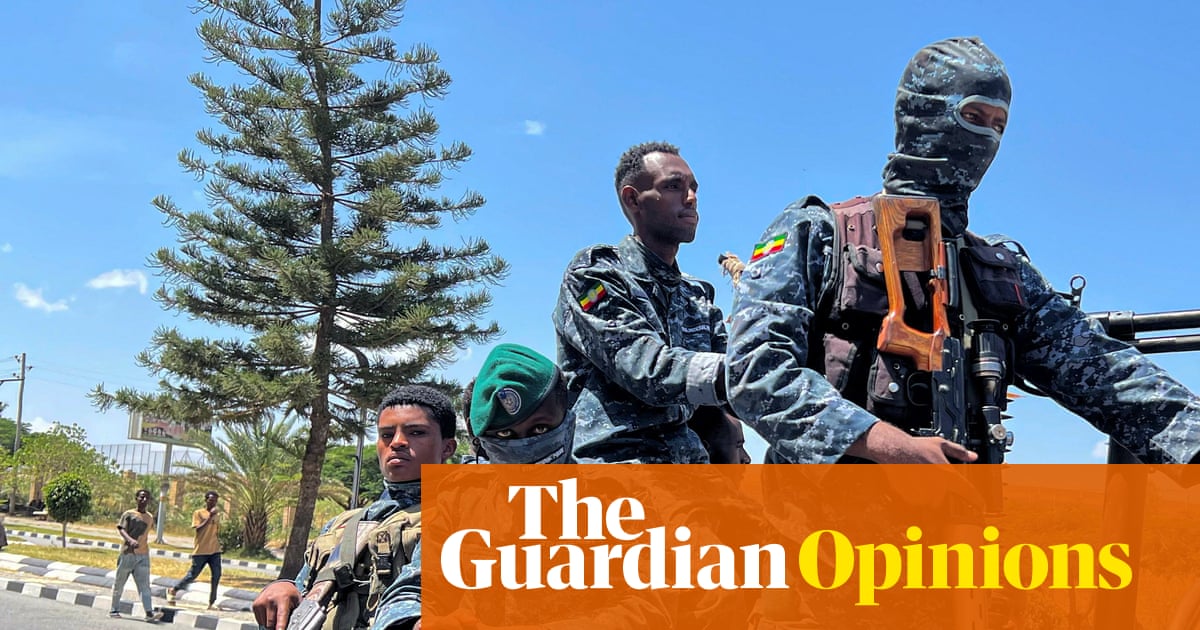
Хойд Этиопт хүчирхийлэл дахин дэгдэж, бүс нутгийн хэмжээний хямрал гүнзгийрч байгаа нь энгийн иргэдийн аюулгүй байдал болон хүмүүнлэгийн нөхцөл байдалд ноцтой эрсдэл учруулаад байна.
Этиопын Ерөнхий сайд Абий Ахмед 2019 онд Эритрейтэй хийсэн олон жилийн хилийн мөргөлдөөнийг зогсоосон гавьяагаараа Нобелийн энх тайвны шагнал хүртэж байсан ч, түүнээс хойш тус улсад үүссэн дотоодын дайн олон зуун мянган хүний аминд хүрч, сая сая хүнийг дүрвэхэд хүргэжээ. 2022 онд байгуулсан энх тайвны хэлэлцээрийг талууд бүрэн хэрэгжүүлээгүйгээс болж хойд бүс нутагт хүчирхийлэл дахин сэргэсэн байна. Одоогоор долоон бүс нутгийн бүлэглэлээс бүрдсэн “Амьд үлдэхийн төлөөх эвсэл” нэртэй сөрөг хүчний бүлэглэл холбооны засгийн газрыг огцруулахаар нэгджээ.
Олон улсын геополитикийн нөхцөл байдал Этиопын дотоод хямралтай нягт холбогдож байна. Тус улс Улаан тэнгист гарцтай болохыг эрмэлзэж байгаа нь Эритрейн зүгээс эсэргүүцэлтэй тулгарч буй бол, Египет болон Судан улсуудыг Этиопын сөрөг хүчнийг дэмжиж байна хэмээн Аддис-Абеба буруутгаж байна. Эсрэгээрээ, Судан улс Этиопыг тус улсын иргэний дайнд оролцож буй RSF босогчдыг дэмжсэн гэж үзэж байгаа нь бүс нутгийн улс төрийн зөрчлийг улам бүр төвөгтэй болгож байна.
Этиоп дахь хямрал нь Ираны дайнтай холбоотой түлш, бордооны хомсдол, Эл-Ниньо үзэгдлийн нөлөө болон олон улсын тусламжийн төсөв танагдсантай давхцаж байгаа нь хүмүүнлэгийн нөхцөл байдлыг улам дордуулж байна. Хэдийгээр хүчирхийлэл бүрэн хэмжээний дайн болон хувираагүй байгаа ч, TPLF бүлэглэл доторх дотоод хагарал, удирдагчдын авлигад идэгдсэн байдал нь энгийн иргэдийн хувьд хүнд нөхцөл байдлыг үүсгээд байна. Нөхцөл байдлыг тогтворжуулахын тулд гал зогсоох хэлэлцээр хийх нь нэн тэргүүний зорилт болоод байгаа бөгөөд Их Британи болон бусад улс орон хүмүүнлэгийн тусламжийг яаралтай үзүүлэх шаардлагатай байна.
Дэлгэрэнгүйг эх сурвалжаас харах
↓Эх сурвалжийг нээх ↓
When the Nobel peace laureate is announced on Friday, the committee will be hoping that its choice ages better than 2019’s. Ethiopia’s prime minister, AbiyAhmed, won the prize for ending the 20-year border conflict with neighbouring Eritrea – signing a peace agreement with President Isaias Afwerki. A year later, their new relationship facilitated a war with the Tigray People’s Liberation Front (TPLF) that killed as many as 600,000 people, displaced millions more, led to atrocities by both sides, and pushed Tigrayans into famine.
Both sides bear responsibility for failing to properly implement the deal that ended that conflict in 2022, and the African Union and US did little to ensure that a piece of paper became a durable settlement. Now violence has resurged in northern Ethiopia, and old foes are forming bizarre new pacts. Last month, seven Ethiopian regional groups announced an “Alliance for Survival” to remove the federal government. MrAbiy’s coalition is held together by his patronage, but so far may be faring better than his rivals, united solely by shared loathing of him and riven by deep disputes. The TPLF, which controls Tigray, has previously battled the Fano militia of Amhara, and their territorial dispute endures. Ethiopia accuses Eritrea – previously accused of atrocities against Tigrayan civilians – of backing the rebel alliance. Despite Asmara’s denials, there are multiple reports of Eritrean troops in Tigray.
The Ethiopian prime minister demands his landlocked country should gain access to the Red Sea, to Eritrea’s concern and anger. The Eritrean president’s control of the coastline, opposite Houthi-held stretches of Yemen, means that Washington is now keen to engage with his regime and unlikely to challenge him. Ethiopia’s complex internal politics are interlocking with geopolitical turmoil. Addis Ababa also accuses Egypt and Sudan of backing the TPLF. They deny it, but Cairo is furious over the Grand Ethiopian Renaissance dam on the Nile. Khartoum too fears losing water, and says Ethiopia is supporting the RSF rebels in the civil war (Addis Ababa denies it). The UAE, having lost a foothold in Yemen, has increased support for Ethiopia.
The concern now is not merely the grave risk of full-scale war within Ethiopia, or between Ethiopia and Eritrea, but that a spiralling regional polycrisis is hitting already beleaguered communities. Agricultural production has not recovered from thelast war. Now the fertiliser and fuel crisis bornof the Iran war, the evisceration of aid budgets and the impact of El Niño are intensifying the crisis. The UK and others must urgently providehumanitarian support.
Though the escalating violence is alarming, with hundreds reportedly killed, this conflict has not yet fully ignited. In 2020, Tigrayans believed they had to unify for collective survival. This time the TPLF itself is deeply split, with veteran commanders reportedly arrested for questioning the new war, and soldiers and civilians showing little appetite for a conflict fuelled by factionalised, self-serving and corrupt leaders. A truce is not impossible and must be a priority. Ethiopia needs relief, reconstruction and a political reconfiguration. But its conflict cannot be separated from the broader picture, as wars in Sudan, Somalia, Yemen, Iran and beyond enmesh to devastating effect. The longer that ambitious leaders convince themselves that interference elsewhere can advance their own power and resources, the deeper and more intractable it will become.

