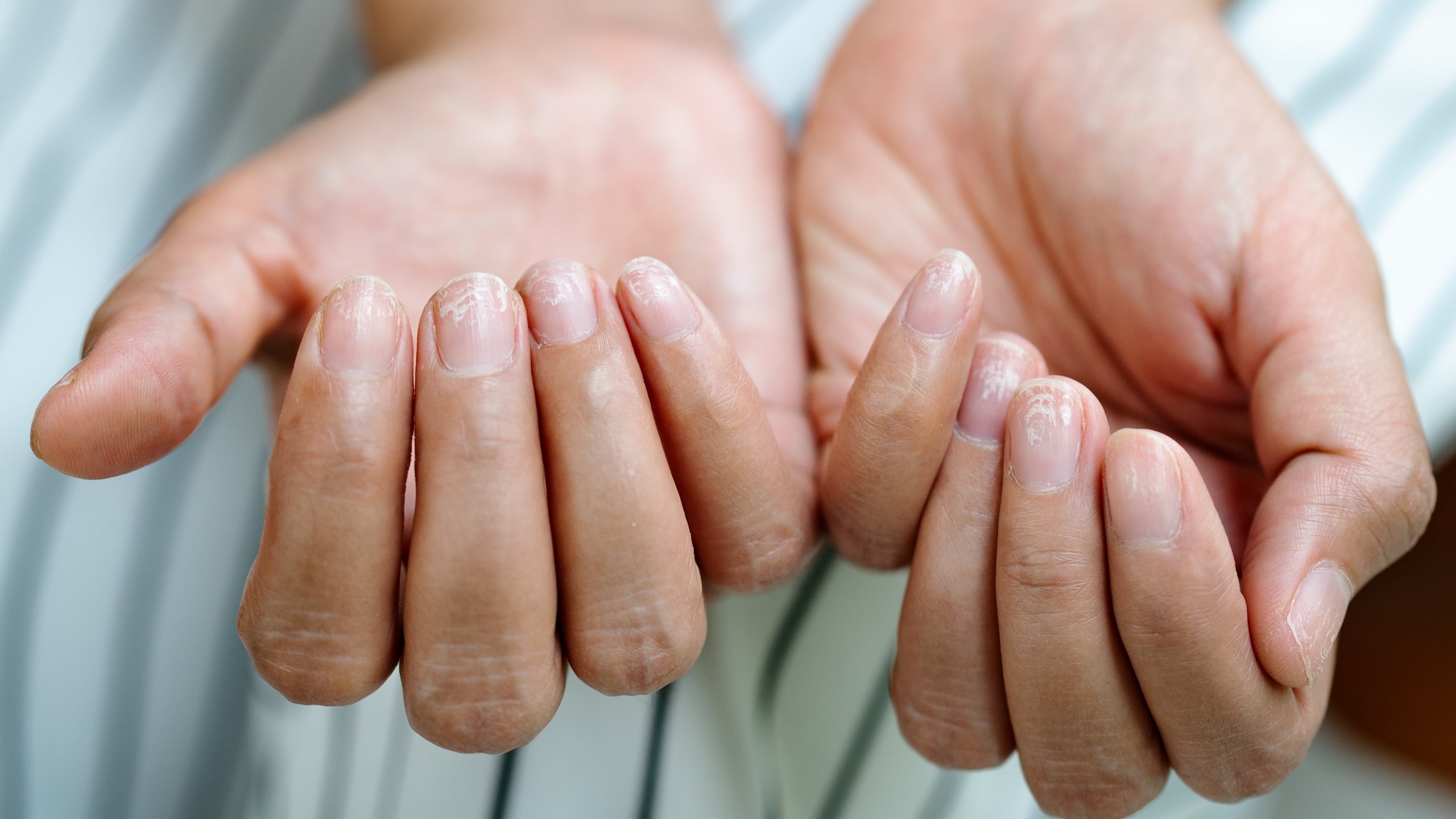
Вена хотод болсон EADV 2026 хурлаар танилцуулсан шинэ судалгаагаар GLP-1 бүлгийн эм хэрэглэгчдийн дунд хумсны асуудал илүү түгээмэл ажиглагдсан байна.
Судлаачид Франц, АНУ, Бразил болон Мексик улсын нийт 1,904 хүнийг хамруулан судалгаа явуулжээ. Үүнд 575 GLP-1 хэрэглэгч болон уг эмийг огт хэрэглэж байгаагүй 1,329 таргалалттай эсвэл чихрийн шижинтэй хүмүүсийг харьцуулсан байна. Судалгааны үр дүнгээр GLP-1 хэрэглэгчдийн 39 хувь нь хумс салж унах (onycholysis) асуудалтай гэж мэдээлсэн бол хяналтын бүлэгт энэ үзүүлэлт 9 хувьтай байжээ. Мөн хумс өнгөө алдах шинж тэмдэг хэрэглэгчдийн 46 хувьд, хяналтын бүлгийн 17 хувьд тус тус илэрсэн байна.
Гэсэн хэдий ч судалгааны зохиогч, European Market Maintenance Assessment байгууллагын захирал Чарльз Таиеб эмчилгээний явцад илэрч буй бүхий л өөрчлөлтийг эмийн нөлөө гэж шууд дүгнэх боломжгүйг онцолжээ. Учир нь GLP-1 хэрэглэгчдийн тал орчим хувь нь эмчилгээ эхлэхээс өмнө хумсны асуудалтай байсан байна. Энэхүү судалгаа нь хөндлөн огтлолын судалгаа тул эмийн шууд нөлөөллийг тогтоох боломжгүй бөгөөд оролцогчдын хумсны асуудал гэмтэл, халдвар эсвэл арьсны өвчнөөс үүдэлтэй байх магадлалыг үгүйсгэхгүй.
Судалгааны баг мөн үс уналттай холбоотой үзүүлэлтүүдийг судалсан бөгөөд GLP-1 хэрэглэгчдийн 50 хувь нь үс уналт, 42 хувь нь үсний нягтрал багассан гэж мэдээлжээ. Энэхүү үс болон хумсны өөрчлөлт нь зөвхөн жин хасалттай холбоогүй, үрэвслийн шинжтэй байж болзошгүй гэж дерматологич Бруно Халиуа таамаглаж байна. Одоогоор уг судалгаа нь хэвлэгдээгүй бөгөөд DUCRAY Laboratories-ийн дэмжлэгтэйгээр хийгджээ. Мэргэжилтнүүд эдгээр шинж тэмдэг илэрсэн тохиолдолд эмийг дур мэдэн зогсоохгүйгээр эмчтэйгээ зөвлөлдөхийг зөвлөж байна.
Дэлгэрэнгүйг эх сурвалжаас харах
↓Эх сурвалжийг нээх ↓
When you start a medication and notice something different about your body, a question can follow: Is the drug responsible?
Changes to your nails might prompt that question, too.
In a new study, researchers investigating GLP-1 drugs used to treat obesity and type 2 diabetes wanted to know whether nail problems were more common among people taking them.
As it turns out, their study of 1,904 people across four countries found a difference.
Nail detachment was reported by 39 percent of GLP-1 users, compared with 9 percent of people with type 2 diabetes or obesity who had never taken the drugs.
However, around half of the drug users reported nail problems before treatment began.
The findings were presented at the European Academy of Dermatology and Venereology (EADV) Congress 2026 in Vienna.
Researchers compared 575 GLP-1 users with 1,329 people with type 2 diabetes or obesity who had never used the medications, recruited across France, the United States, Brazil, and Mexico.
According to an EADV press release, 66 percent of users reported at least one nail disorder, compared with 53 percent of controls. Nail discoloration was reported by 46 percent of GLP-1 users versus 17 percent of controls.
“Our findings show a clear association, but they also underline an important point,” says study author Charles Taïeb, the managing director of the European Market Maintenance Assessment.
“Not everything that happens during GLP-1 treatment is necessarily caused by the treatment itself.”
The study relied on participants describing their symptoms. It was cross-sectional, capturing their experiences at one point rather than following them through treatment with standardized dermatological examinations. That means it cannot establish that the medications caused the changes.
The extent of nail detachment described in the study is also unclear. The researchers have not specified whether it covers partial separation from the nail bed, complete nail loss, or both, and the information currently available does not distinguish between fingernails and toenails.
In general, separation of the nail plate from its bed is called onycholysis. DermNet explains that this can affect fingers or toes and can have several causes, including injury, skin disease, and infection. That background does not establish which conditions participants in this study experienced.
The 39 percent figure, therefore, should not be read as evidence that nearly four in ten users lost their nails completely. It also does not estimate a new patient’s chance of developing the problem after starting medication.
Researchers accounted for dermatological conditions and nutritional deficiencies when analyzing the results. Some associations weakened, but nail detachment and discoloration remained around two to three times more frequent among users, according to the release.
The exact adjusted estimates and confidence intervals are not provided. Without them, the precision of those comparisons cannot be assessed from the announcement alone.
The team also examined weight loss. Differences remained statistically significant when the analysis focused on participants who had lost weight, suggesting weight loss alone might not explain the findings. This still does not demonstrate a direct effect on nails.
A companion study involving the same participants examined hair and scalp symptoms, adding to interest in possible links betweenGLP-1 pathways and hair loss.
Unusual hair loss was reported by 50 percent of users versus 34 percent of controls. Reduced hair volume or density affected 42 percent versus 19 percent.
Among users, hair loss was usually accompanied by scalp symptoms such as itching, redness or scaling.
Study author and dermatologist Bruno Halioua from the Société Française des Sciences Humaines sur la Peau (SFSHP) suggests that this pattern could go beyond the shedding typically seen after rapid weight loss and involve inflammation.
The hair findings came from the same group of people, so they do not independently replicate the nail results. Instead, they offer another view of symptoms reported within this sample.
Whether similar patterns appear in other populations, and how often problems begin after treatment starts, remain questions for research to resolve.
The release does not identify which GLP-1 medications participants took or provide results for any specific drug. The findings therefore cannot establish a nail effect tied to any one drug.
The release cites conference presentations as the sources for both studies; it does not reference a published paper reporting them.
The nail study was conducted with institutional support from DUCRAY Laboratories, part of the Pierre Fabre Group, which develops dermatological and hair care products.
Researchers now plan to follow patients from the start of treatment. Standardized dermatological examinations and biological monitoring could help establish when changes develop, what contributes to them, and whether they are reversible.
Halioua describes the changes as frequent and usually benign. For people noticing nail changes, hair loss or an itchy or red scalp, his advice is to discuss those symptoms with their doctor rather than stop treatment themselves.
This article was fact-checked by Rachel Garner and edited by Peter Dockrill. While we pride ourselves on our process, we are only human. If you spot a mistake, please let us know.

