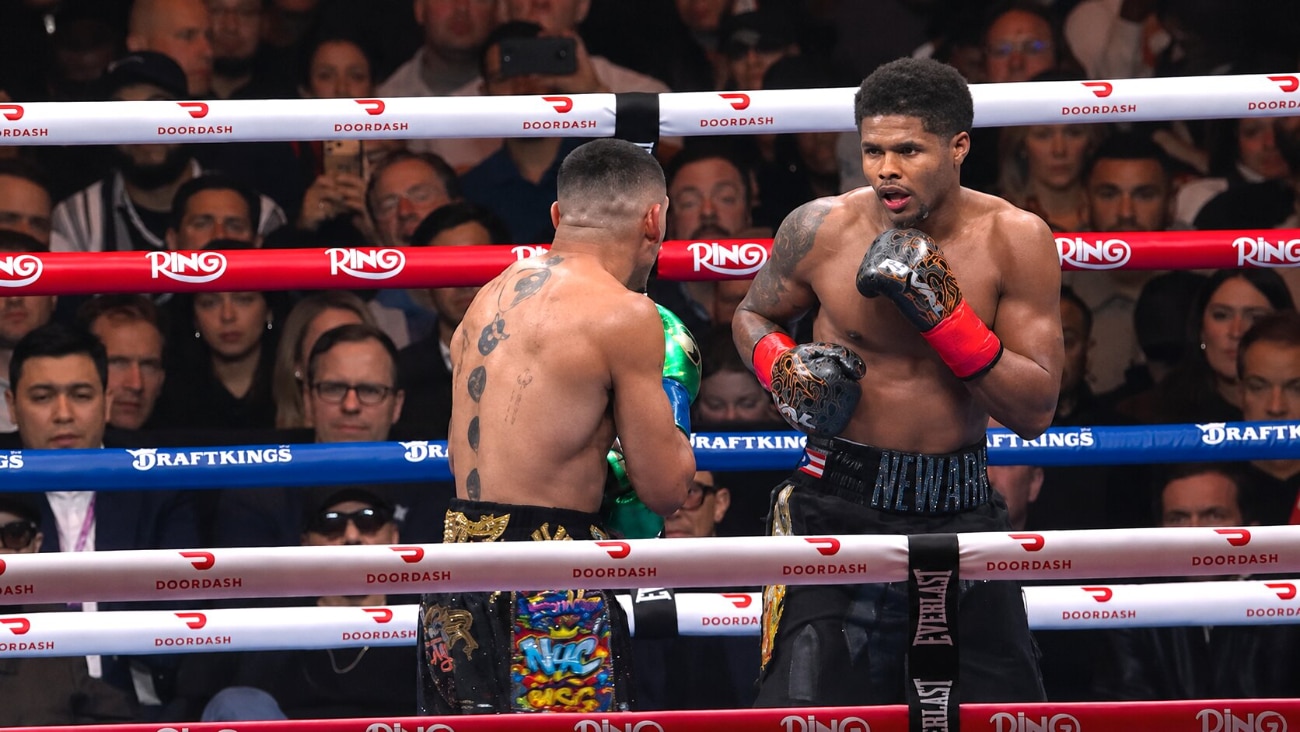
Боксчин Шакур Стивенсон тулааны гэрээг эцэслэн баталгаажуулахын тулд Девин Хэйнигийн тавьсан шаардлагуудыг хүлээн зөвшөөрөх нь зүйтэй хэмээн Тим Брэдли зөвлөжээ.
Тим Брэдли өөрийн байр суурийг илэрхийлэхдээ, хэрэв өөрөө Стивенсоны оронд байсан бол жингийн асуудлыг шийдвэрлэсний дараа бусад бүх нөхцөлийг өрсөлдөгчийн хүссэнээр хүлээн зөвшөөрөх байснаа мэдэгдсэн байна. Тэрээр Хэйниг өмнөх амжилтуудынхаа ачаар “A-side” буюу давуу талтай тал байх эрхтэй гэж үзэж байгаа ч рингэн дээр Стивенсоныг ялна гэсэн таамаг дэвшүүлжээ.
Брэдлигийн үзэж буйгаар, рингний хэмжээ болон дэвжээний зөөлөвч зэрэг техникийн нөхцөлүүд нь хоёр боксчны хөдөлгөөн, зай барих чадварт нөлөөлдөг тул анхаарал хандуулах ёстой асуудал юм. Гэсэн хэдий ч Теренс Кроуфорд өмнө нь Канело Альваресийн тавьсан нөхцөлүүдийг хүлээн зөвшөөрч байсныг жишээ болгон дурдаж, Стивенсоныг гэрээгээ хурдан эцэслэн, маргаанаа рингэн дээр шийдвэрлэхийг уриалсан байна.
Гэрээний хэлэлцээрт жингийн асуудлаас гадна шагналын сангийн хуваарилалт нь томоохон саад болж болзошгүй байгааг мөн онцолжээ. Хэдийгээр жингийн хязгаарыг тохиролцсон мэт яригдаж байгаа ч нарийн тоо баримт тодорхойгүй хэвээр байна. Брэдли Стивенсоныг өөртөө итгэлтэй байхаас гадна Хэйнигийн зай барих, хянах чадварыг сөрөх тактикийн бэлтгэлдээ илүү анхаарах хэрэгтэйг санууллаа.
Дэлгэрэнгүй эх сурвалжийг харах
Эх сурвалжийг нээх ↓
Tim Bradley wants Shakur Stevenson to give Devin Haney the remaining negotiating concessions once the weight is settled. That advice could help get the fight signed, but it assumes the other conditions are less valuable to Shakur.
“Whatever you want, Haney. Whatever you want. I got the weight. That’s all I want,” Bradley said on his YouTube channel, describing the approach he would take in Shakur’s position. “I make it how you want to make it because when I get in there, and I tax that ass, I don’t want to hear no excuses whatsoever.”
Bradley believes Haney deserves the A-side position because of his accomplishments, yet picks Shakur to win. His argument is that Shakur should accept the remaining demands and settle the debate inside the ring.
However, Bradley also describes discussions over ring size and the padding beneath the canvas. Those conditions can influence how comfortably a fighter moves, maintains distance, and changes direction. In a contest between two boxers who rely heavily on positioning, they deserve attention.
Getting the preferred weight would be a substantial concession from Haney. It would not automatically make every other term acceptable. Shakur’s team still has to assess the complete agreement rather than treat negotiations as an opportunity to demonstrate confidence.
Bradley points to Terence Crawford accepting Canelo Alvarez’s conditions as the example to follow. Crawford’s success does not establish that Shakur should make the same choices against a different opponent with different physical advantages.
There is also uncertainty in Bradley’s account. Although he describes the weight as handled, he refers to “144 … 145 or whatever.” That wording offers little basis for treating a precise limit as finalized.
Bradley expects Shakur to adapt and believes both men will need more than their jabs to win rounds. They may instead remain cautious if initiating exchanges creates opportunities for the opponent.
Accepting Haney’s terms might remove negotiating obstacles. It would still leave Shakur facing a fighter whose reach and control of distance require a specific answer. Confidence alone does not supply it.
The purse split could be a bigger obstacle than the walkout order or ring dimensions. Bradley does not identify an agreed division of the money.
If Haney accepts 50-50 after conceding on weight, he would also be granting Shakur equal financial status without an established case that Shakur brings an equal paying audience. Winning titles across several divisions demonstrates sporting achievement, but negotiating power depends heavily on the tickets, broadcast purchases, and revenue a fighter can generate.

