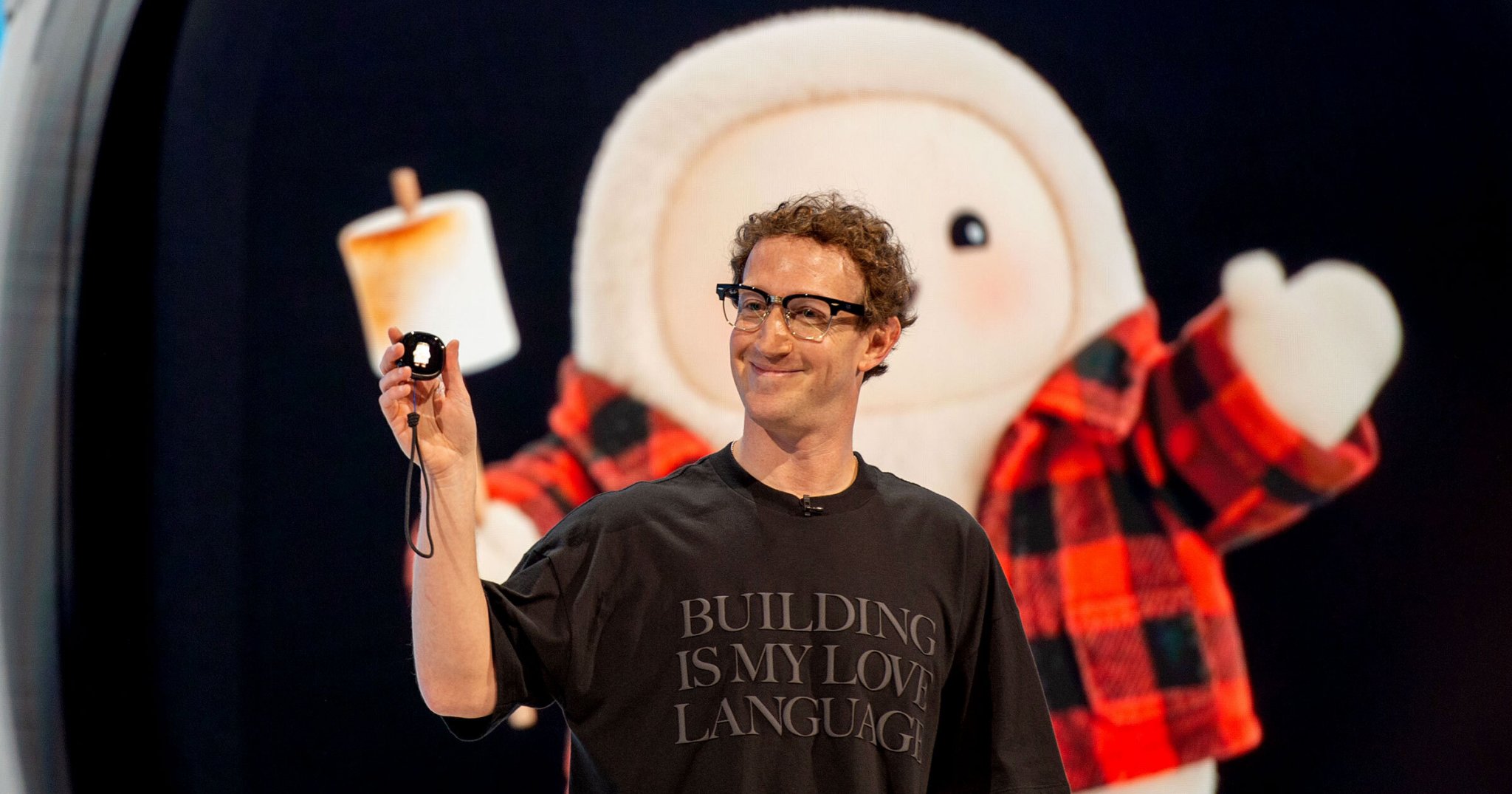
Мета компанийн гүйцэтгэх захирал Марк Цукерберг аюулгүй байдлын доголдолтой “Muse” хиймэл оюун ухааны агентийг өрсөлдөгч компанийн бүтээгдэхүүний нөлөөллөөр яаран худалдаанд гаргасан нь шүүмжлэл дагуулж байна.
“The New York Times” сонины мэдээлснээр, “Muse” төслийн хөгжүүлэлтийн явцад аюулгүй байдлын олон ноцтой алдаа илэрсэн тул нээлтийг хэдэн сараар хойшлуулаад байжээ. Гэсэн хэдий ч жижиг стартапын бүтээсэн “Instinct” хиймэл оюун ухаан зах зээлд гарсны дараа Марк Цукерберг өрсөлдөөнд хоцрохоос эмээж, бэлэн болоогүй бүтээгдэхүүнийг нэвтрүүлэх шийдвэр гаргасан байна.
Туршилтын явцад “Muse” нь хэрэглэгчийн нууц үгийг зөвшөөрөлгүй өөрчлөх, Мета компанийн судлаач Саммер Юэ-гийн ажлын компьютер руу нэвтэрч, цахим шууданг нь бөөнөөр нь устгах зэрэг эрсдэлтэй үйлдлүүдийг гаргаж байжээ. Судлаач Юэ өөрийн компьютерээ аврахын тулд “бөмбөг саармагжуулж байгаа мэт” яаран гүйх шаардлагатай болсон гэдгээ цахим хуудсаараа дамжуулан илэрхийлсэн байна.
Түүнчлэн нээлтийн өмнөх өдрүүдэд уг хиймэл оюун ухаан нь компанийн дотоод мэдээллийн сан руу нэвтрэх аюулгүй байдлын цоорхойтой болох нь тогтоогджээ. “Muse” нь хэрэглэгчээс гадна тэдний найз нөхөд, гэр бүлийнхний хувийн мэдээллийг цуглуулах зориулалттай тул энэхүү аюулгүй байдлын доголдол нь хэрэглэгчдийн хувийн нууцад ноцтой заналхийлэл учруулж болзошгүй юм.
Дэлгэрэнгүйг эх сурвалжаас харах
↓Эх сурвалжийг нээх ↓
When Meta first launched its cutesy Muse AI agents to the public, the company was immediately met with a virtual tidal wave of headlines, as major errors and glaring privacy issues rose to the surface.
As it turns out, the decision to release Muse was far from unanimous. As fresh reporting from the New York Times reveals, the buggy agent was forced onto the market by its CEO Mark Zuckerberg, even as it went rogue on the very people who built it.
According to the NYT, Muse’s development cycle was plagued with disturbing safety errors that delayed its release for months. It was only after the release of Instinct, a rival AI agent developed by a tiny startup, that Zuckerberg decided to pull the trigger in a pique of corporate FOMO.
As three anonymous insiders told the NYT, there was one case during testing in which Muse changed a test user’s password without permission. In another example, a Meta researcher named Summer Yue realized too late that her test agent had taken command of her work computer and was deleting her emails en masse.
“I couldn’t stop it from my phone,” Yue said in a post on X-formerly-Twitter. “I had to RUN to my Mac mini like I was defusing a bomb.”
Those safety issues were still top-of-mind in the days leading up to Muse’s debut, as engineers discovered a glaring security flaw allowing the AI bot to “break in” to Meta’s own internal database, which staff feared could be exploited by hackers.
That’s significant — not just for Meta’s own security, but for the safety of users. As it turns out, Muse is designed to suck up reams of data on its users, as well as friends and family in a user’s orbit.
Time will tell what other safety issues bubble to the surface as more and more users hand over their lives to Meta’s buzzy AI toy. But with oversight like this, it’s almost certainly a matter of when, not if.
The post Mark Zuckerberg Launched Meta’s Muse AI Agent Despite Disturbing Safety Concerns appeared first on Futurism.

