АНУ-ын ерөнхийлөгч Дональд Трамп олон улсын эрх зүйн хэм хэмжээг үл тоомсорлож, Олон улсын эрүүгийн шүүхэд хориг арга хэмжээ авсны зэрэгцээ ОХУ-аас түлш худалдан авах тохиролцоонд хүрсэн нь олон улсын харилцаанд томоохон өөрчлөлт авчирлаа.
Баасан гарагт АНУ-ын засаг захиргаа Олон улсын эрүүгийн шүүхэд (ОУЭШ) хориг арга хэмжээ авч, тус байгууллагатай харилцаатай компаниудад үйл ажиллагаагаа зогсоох зургаан сарын хугацаа олгосноо мэдэгдэв. АНУ-ын Төрийн нарийн бичгийн дарга Марко Рубио хэрэв шүүх заналхийллээ зогсоохгүй бол АНУ тус байгууллагыг татан буулгах арга хэмжээ авна гэдгийг онцолсон байна. Энэхүү шийдвэр нь ОУЭШ-ээс Афганистан дахь үйл ажиллагаа болон Израилийн удирдлагуудад холбогдох баривчлах тогтоол гаргасантай холбоотой гэж үзэж байна.
Үүний зэрэгцээ Дональд Трамп ОХУ-аас дизель түлш худалдан авах хэлэлцээ хийснээ зарласан нь олон улсын тавцанд анхаарал татаж байна. Тэрбээр Украйн улс ОХУ-ын эрчим хүчний байгууламжууд руу халдсанаас болж түлшний үнэ өссөн гэж буруутгаж, Украины ерөнхийлөгч Володимир Зеленскийг энхийн хэлэлцээ хийж чадахгүй байна хэмээн шүүмжилжээ. Гэсэн хэдий ч ОХУ-ын цэргийн хүчин өөрөө дизель түлшний өндөр хэрэгцээтэй байгаа тул энэхүү хэлэлцээгээр их хэмжээний нийлүүлэлт хийгдэх магадлал бага гэж шинжээчид үзэж байна.
Их Британи, Европын холбоо зэрэг олон улсын хамтын нийгэмлэг АНУ-ын ОУЭШ-д авсан хориг арга хэмжээг шүүмжилж, тус шүүхийн үйл ажиллагааг дэмжиж буйгаа илэрхийлэв. Нобелийн энхийн шагналын хороо ч мөн ОУЭШ-ийн хуучин шүүгч, НҮБ-ын комиссын дарга асан Нави Пиллайг шагналтнаар тодруулсан нь олон улсын эрх зүйн институцуудыг хамгаалах шаардлагатайг сануулсан хэрэг боллоо. АНУ-ын энэхүү бодлого нь олон улсын дүрэм журамд сөргөөр нөлөөлж, холбоотнууд болон бусад улс орнуудын аюулгүй байдлын талаарх таамаглалыг өөрчилж байна.
Дэлгэрэнгүйг эх сурвалжаас харах
↓Эх сурвалжийг нээх ↓
On Friday, Donald Trump drove home his belief that might is right and the rule of law is an obstacle rather than an essential foundation stone of international order. First came the escalated assault on the international criminal court (ICC), sanctioning the body itself. Then he announced a deal with Russia tobuy diesel.
The US has long chafed at the notion of being boundby the rule of law that it espoused publicly. Thathypocrisy now appears as a lesser vice. The president has declared that “my own morality” is all that constrains him. His brazen flouting of the law, embrace of dictators and rhetorical attacks all undermine global standards.
Weeks before the midterms, Mr Trump blames Ukrainian attacks on Russian energy facilities for high diesel costs. It is his own unlawful war on Iran that has raised prices. The weekend’s attacks on Riyadh’s international airport, suspected as the work of Tehran-backed Houthis from Yemen, underscored that he cannot simply park that conflict when it suits him.
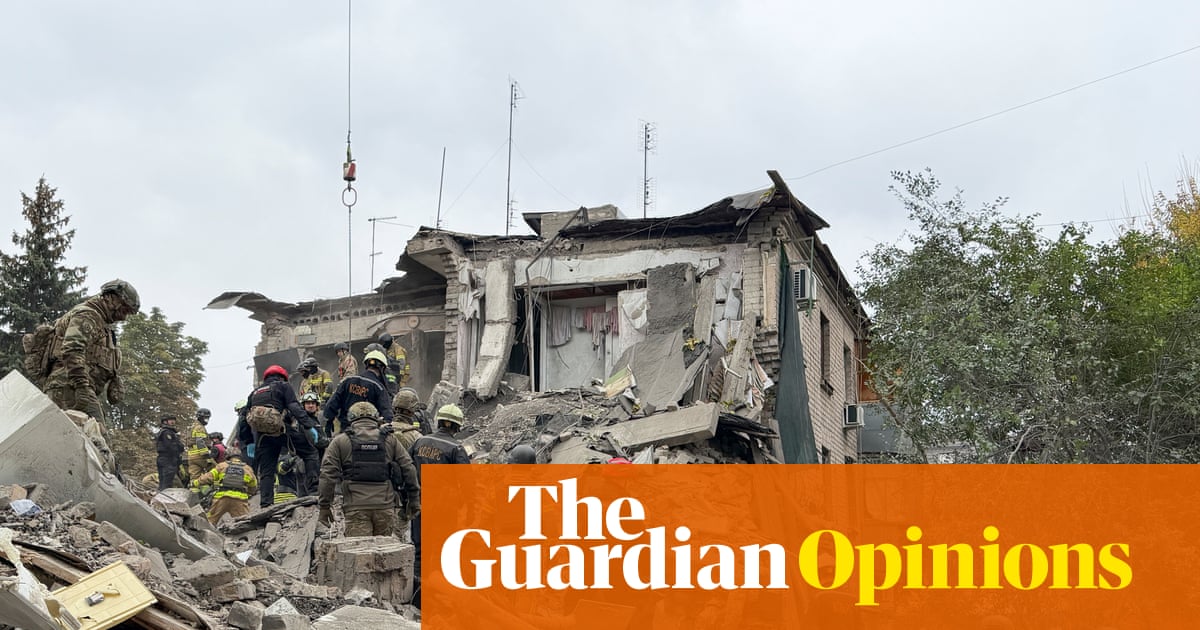
The Moscow deal is unlikely to produce significant shipments; the Russian military runs on diesel. But Ukraine is supposed to heed its message to make life easier on Vladimir Putin. It is Mr Putin (for whom theICC has issued a warrant) who launched the illegalwar,and whose troops launched lethal attacks on civilians this weekend. But in a world turned upside down, MrTrump blames Volodymyr Zelenskyy for failing to cut a peace deal and says the democraticallyelected leader should go.
It is similarly perverse to wield measures designed to target human rights abusers and war criminals against those who seek to defend their victims. MrTrump’s attack on the ICC was fuelled first by its Afghanistan investigation – though it has suspended consideration of US actions there – and then the issuing of arrest warrants for Israel’s Benjamin Netanyahu and its former defence minister YoavGallant. The court has been preparing for these measures. Marco Rubio, the US secretary of state, said that companies have six months to wind down ties and that US allies must rein in the court: “Either the ICC will end its threats, or we will end the ICC.”
In stark (and intentional) contrast, the Nobel committee on the same day announced that this year’s peace laureate is Navi Pillay, a former ICCjudge and chair of the UN commission which last year concluded that Israel had committed genocide in Gaza. It was not only a recognition ofaremarkable career that began in apartheid‑era South Africa, but a reminder that institutions defending universal principles are under increasingpressure, and must be defended. “Peacerequires justice,” the committee said.
As the ICC says, it cannot stand alone. The UK, EU and others too were right to criticise the US decision and declare their commitment to the court; invoking blocking statutes against sanctions would add heft to the rhetoric. They must show similar resolve in standing with Ukraine.
The nakedness of Mr Trump’s hostility to the rule of law has one benefit: no one can explain it away, or assume it is narrowly bounded. The war on Iran, kidnapping of Venezuela’s president, extrajudicial killings of alleged drug traffickers in the Caribbean and threats over Greenland and Canada have shownhow far he will go, and overturned assumptions that allies will be safe. It is clear that the problem is not a “rogue court”, as Mr Rubio has claimed, but a rogue superpower.
-
Do you have an opinion on the issues raised in this article? If you would like to submit a response of up to 300 words by email to be considered for publication in our letters section, please click here.

