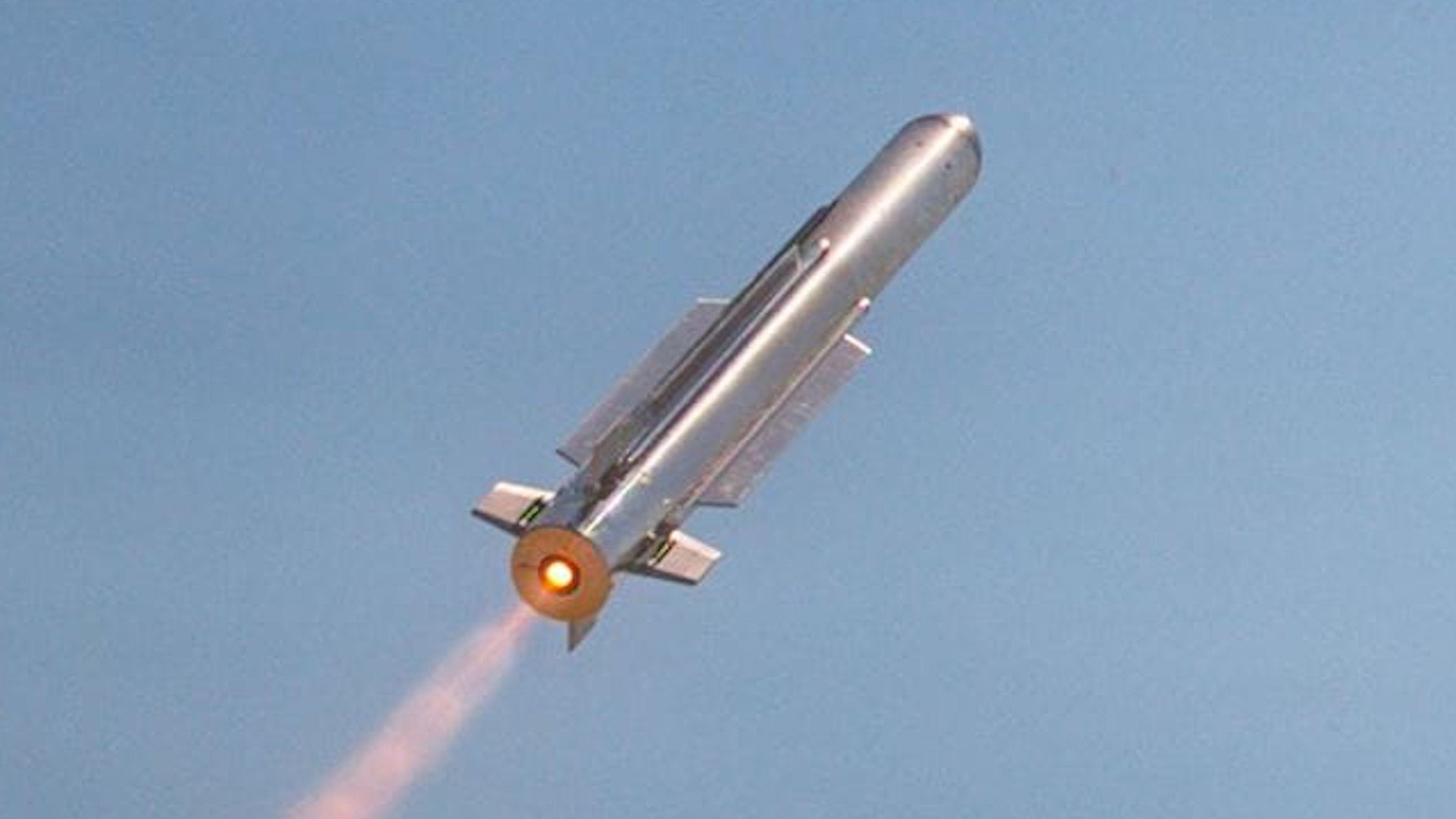
Raytheon компани Coyote пуужингийн системийн шинэ хувилбарыг танилцууллаа
Raytheon компани Coyote Block 2 системийн пуужингийн хөдөлгүүртэй, сайжруулсан удирдлага болон байлдааны хошуу бүхий шинэ хувилбарыг бүтээж байна.
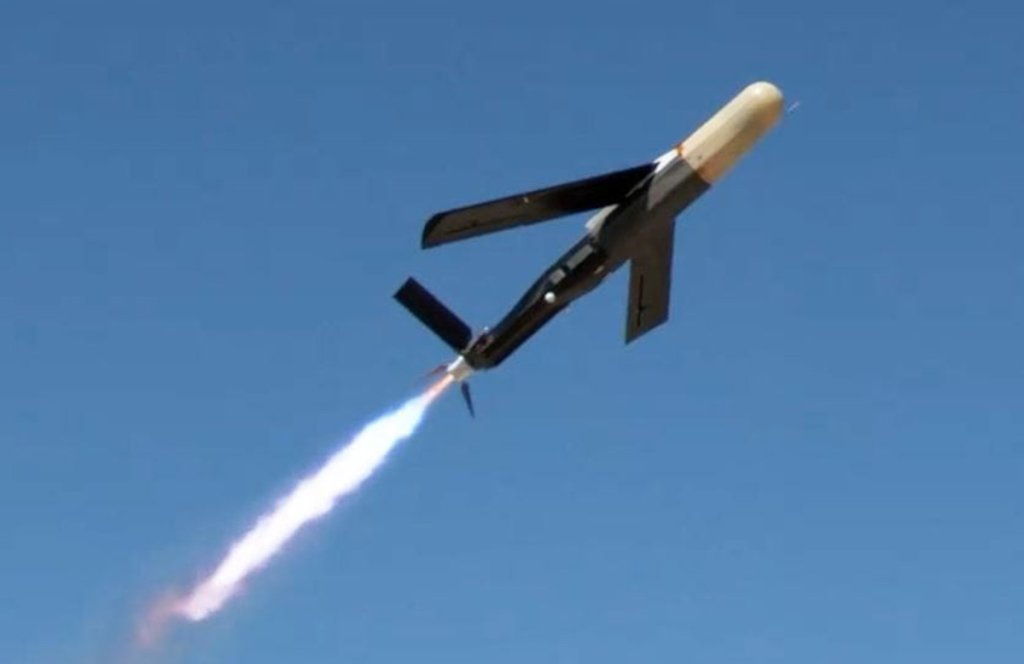
Raytheon компани өөрийн үйлдвэрлэдэг Coyote Block 2 дроны эсрэг пуужингийн системдээ өөрчлөлт оруулж, тийрэлтэт хөдөлгүүрийг хатуу түлшээр ажилладаг пуужингийн хөдөлгүүрээр солихоор ажиллаж байна. Coyote Block 2C+RM хэмээн нэрлэгдсэн энэхүү шинэ хувилбар нь илүү өндөр хурд, алсын тусгал болон байг устгах чадвартай бөгөөд агаараас агаар руу харвах пуужингийн ангилалд багтаж байна. Энэ нь орчин үеийн, нэг чиглэлд довтлогч дронууд болон бусад агаарын аюул заналыг саатуулахад чиглэсэн шийдэл юм.
АНУ-ын Армийн жил тутмын чуулганы үеэр танилцуулсан энэхүү хувилбарыг сүүлийн 15 сарын турш хөгжүүлж байгаа бөгөөд туршилтын гурван удаагийн амжилттай харвалт хийжээ. Одоогоор АНУ-ын Батлан хамгаалах яамтай хамтран ажиллаж байгаа ч уг системийг худалдан авах албан ёсны гэрээ байгуулагдсан эсэх нь тодорхойгүй байна. АНУ-ын Арми 2025-2029 оны санхүүгийн жилүүдэд Coyote Block 2 цувралын 6000 орчим пуужин худалдан авахаар төлөвлөж байгаа юм.
Coyote Block 2C+RM нь одоогийн ашиглаж буй дөрөв болон найман хошуу бүхий пуужин харвагч төхөөрөмжүүдтэй бүрэн нийцэх бөгөөд газрын болон усан цэргийн хөлөг онгоцны тавцангаас харвах боломжтой. Raytheon компани нь тийрэлтэт хөдөлгүүртэй хуучин хувилбаруудын үйлдвэрлэлийг зогсоохгүй бөгөөд Катар, Йордан зэрэг орнуудтай нийлүүлэлтийн гэрээтэй хэвээр байна. Шинэ хувилбарын нэмэлт туршилтуудыг ирэх оны эхний хагаст үргэлжлүүлэн хийхээр төлөвлөж байна.

Raytheon Missiles & Defense proves counter-UAS effectiveness against enemy drones
RFE/RL takes apart a Russian Geran-4 drone to uncover what makes the jet-powered unmanned aerial vehicle (UAV) faster, harder to intercept, and capable of operating deep inside Ukraine — from its turbojet engine and advanced camera to foreign-made communications and navigation… pic.twitter.com/WGNdlpS9w1
— Radio Free Europe/Radio Liberty (@RFERL) September 25, 2026
Дэлгэрэнгүйг эх сурвалжаас харах
Эх сурвалжийг нээх ↓
Raytheon is developing a new iteration of its Coyote Block 2 counter-drone interceptor powered by a solid rocket motor rather than a small jet engine. This pushes the Block 2C+RM version, which also comes with a new seeker and warhead, into the surface-to-air missile side of the interceptor spectrum. With a significant boost in speed, range, and terminal intercept performance, it is designed to address evolving one-way-attack drone threats. The Coyote Block 2 series is already a combat-proven system, with more than 600 kills in the course of operational U.S. military deployments to date.
The unveiling of the Coyote Block 2C+RM came today around the start of the Association of the U.S. Army’s (AUSA) main annual convention, at which TWZ is in attendance. The rocket-powered version has been in the works for some 15 months now, and three successful live test launches have been conducted. That followed static test fires of the new rocket motor, which an unnamed subcontractor is supplying, and other testing.
The Pentagon and the U.S. Army have been engaged with Raytheon (now formally RTX) on the development of the Block 2C+RM, but whether there are formal U.S. military contracts to buy this version now is unclear. The U.S. Army is the largest known operator of Coyote Block 2-series interceptors now, with previously stated plans to buy at least 6,000 of them between Fiscal Years 2025 and 2029. We will come back to this later on.
As mentioned, existing versions of Coyote Block 2 are powered by a turbojet engine. A small rocket booster is also used to launch these interceptors, but does not propel them through the entire course of their flight.
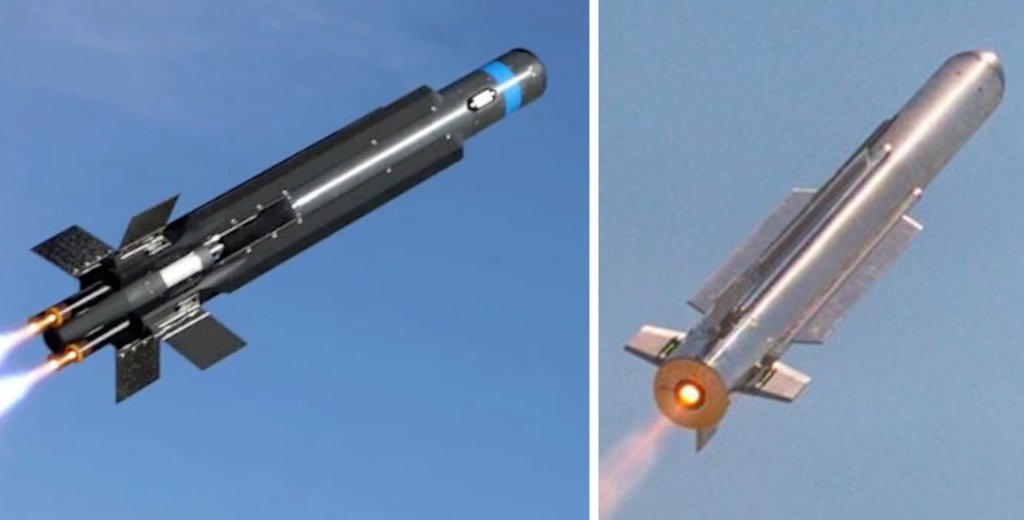
With the rocket motor, “you get upgraded propulsion for faster launch and higher velocity flight,” Tom Laliberty, President of Land & Air Defense Systems at Raytheon, told TWZ and other outlets during a press call last week ahead of today’s announcement. “In terms of range and so forth, I can’t really get into any specifics about that, for obvious reasons.”
“What I would just say is it’s significant in terms of the range difference, and in the [sic] what I call end-game capabilities of the missile, where velocity might come into play,” he added. “Then with the seeker [and] warhead [upgrades], it really gets after the sort of more cutting-edge drone capabilities that we’re seeing from the adversary.”
Laliberty also did not elaborate on the specific improvements to the seeker or warhead. Existing Block 2-series Coyotes use on-board radio frequency seekers to find their targets in the terminal phase of flight after first being cued via radars and other sensors on the ground. They also carry blast-fragmentation warheads.
Raytheon Missiles & Defense proves counter-UAS effectiveness against enemy drones
During last week’s call, Laliberty was asked about whether new faster-flying jet-powered one-way-attack drones, like Iran’s Shahed 238 and Russia’s Geran-4 and -5 derivatives, had prompted Block 2C+RM’s development. He was also queried about Block 2C+RM’s ability to defeat traditional cruise missiles.
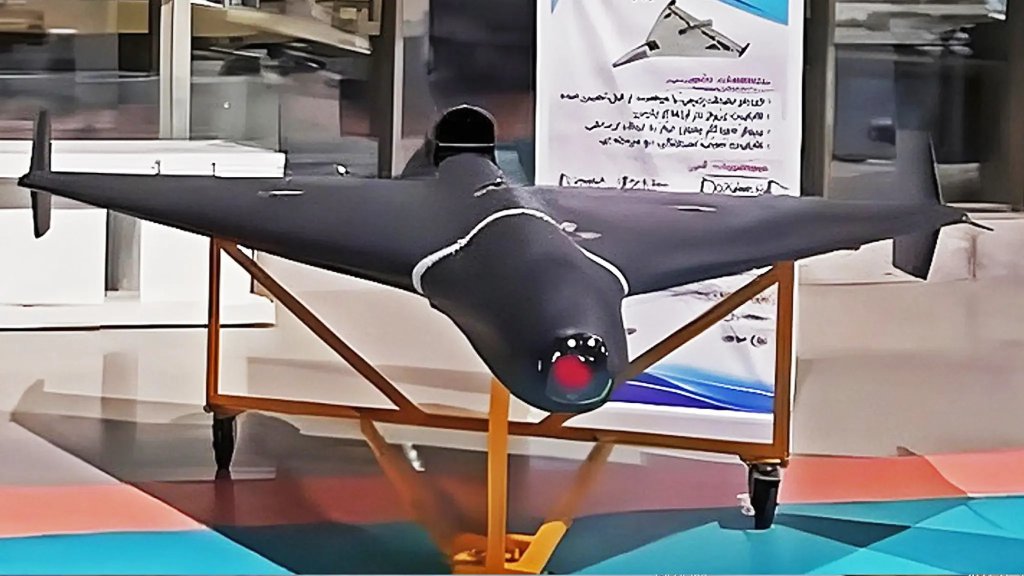
“Unfortunately, I can’t get into the specific threats, but I can tell you the intention is to have this cover all types of Class 3 drones,” he said in response. “If you think about the Class 3 drone kind of ‘spectrum,’ there’s a pretty good overlap there with the capabilities of cruise missiles, as well, right? So it all depends on the specific[s] of the cruise missile.”
The U.S. military defines Group 3 drones, whether they are weaponized or not, as designs that weigh anywhere from 56 to 1,320 pounds, are able to fly up to an altitude of 18,000 feet, and reach a top speed of no more than 250 knots. The Shahed 238’s combustion engine-powered predecessor, the Shahed 236, is a prime example of a Group 3 kamikaze drone. The claimed top speeds of the jet-powered derivatives (approximately 270 to 320 knots) actually push the upper boundaries of this broad middle-tier category. TWZ regularly highlights the additional challenges that jet-powered kamikaze drones like the Shahed 238 and Geran-4/5 present. We also routinely note how the line between longer-range one-way-attack drones and cruise missiles has become increasingly blurry. The Block 2C+RM itself also further blurs the definition between a drone-like counter-drone interceptor and a more traditional surface-to-air missile.
The conflict with Iran, as well as other crises in the Middle East in recent years and the ongoing war in Ukraine, make clear that even slower-flying Group 3 kamikaze drones present real dangers now. Those threats are magnified when these one-way attacks are employed in large volumes and/or in complex attacks mixed in with ballistic and cruise missiles.
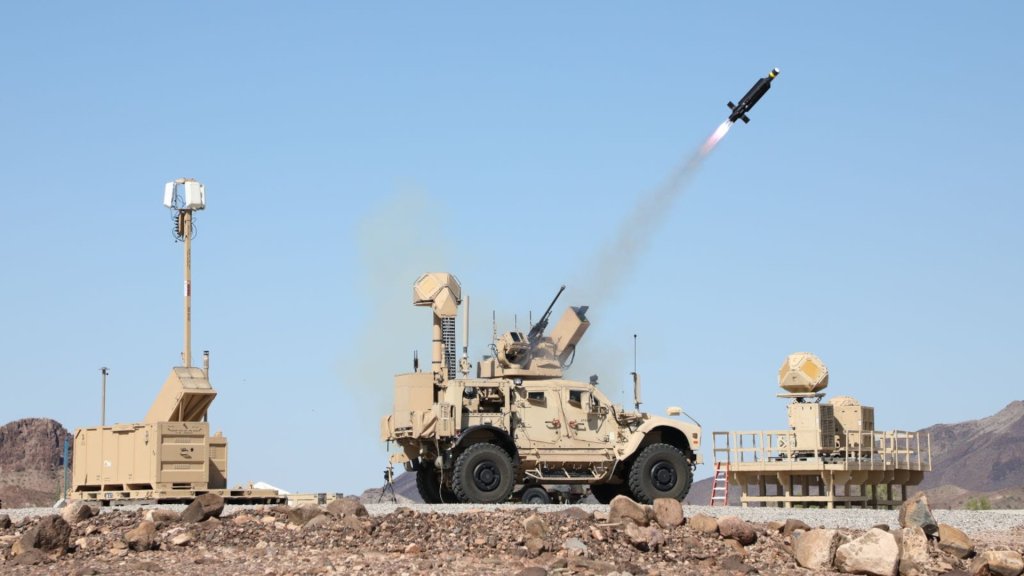
As noted, Raytheon has highlighted how Coyote Block 2C+RM also has a faster overall response time compared to its predecessors, offering additional flexibility for engaging incoming waves of drones. The new version also works with all existing four- and eight-cell launchers, which can be variously mounted on vehicles and static positions on the ground, as well as on ships.
As mentioned earlier, the U.S. Army is the primary operator of Coyote Block 2s today, with the interceptors being used in both vehicle-based and palletized versions of its Low, Slow, Unmanned Aircraft Integrated Defeat System (LIDS). The U.S. Air Force has also been at least involved in the operation of fixed-site versions of LIDS at forward-deployed locations. The U.S. Navy has integrated launchers for Coyote Block 2s on several Arleigh Burke class destroyers, as well.
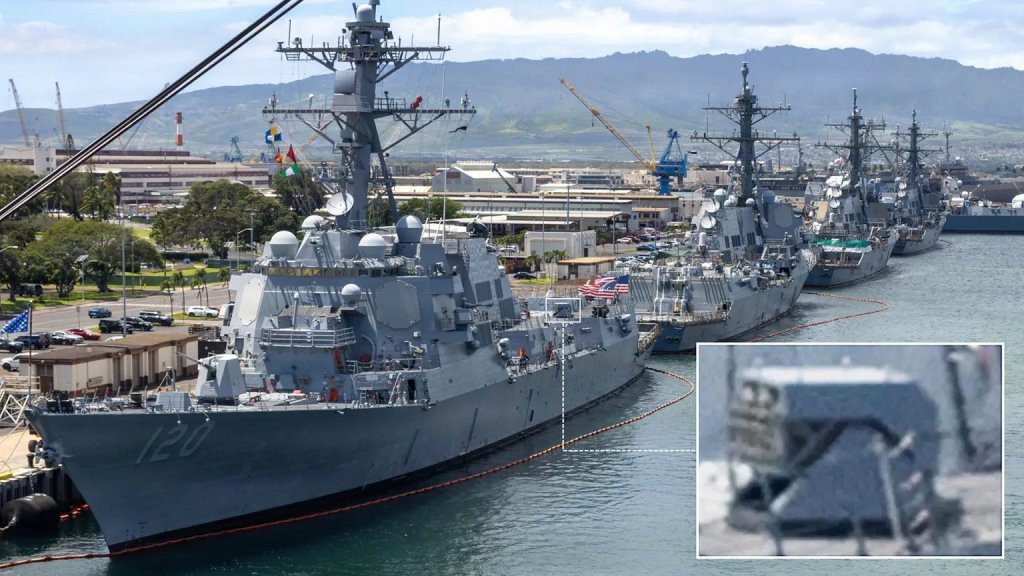
It’s also worth noting here that Coyote is generally described as a lower-cost interceptor, with a unit cost reported in the past to be around $100,000. How the new rocket-powered version will compare to existing types price-wise is unclear, but this is an increasingly important factor for the U.S. military and others, especially when considering the cost curve against the expected target set. As an example, the estimated cost of a Shahed 236 is in the $50,000 range.
To be clear, Coyote Block 2C+RM is still in development, and when it might start to enter operational service with any user remains to be seen.
“We’ve got additional tests scheduled into the first half of next year, and we’re working with the Department of War,” Raytheon’s Laliberty said last week. “We’ve got an ongoing investment from Raytheon, but now essentially received some government sponsorship as it kind of transitions into the program of record, and that’s still kind of ongoing with the Department of War in terms of how all of that is going to be structured. Certainly, in follow-on contracts for Coyote, this can be cut in.”
Raytheon has no plans to stop producing jet-powered Block 2 versions, either, at least for now. Beyond the U.S. military, there are now contractors to supply these interceptors to Qatar and Jordan.
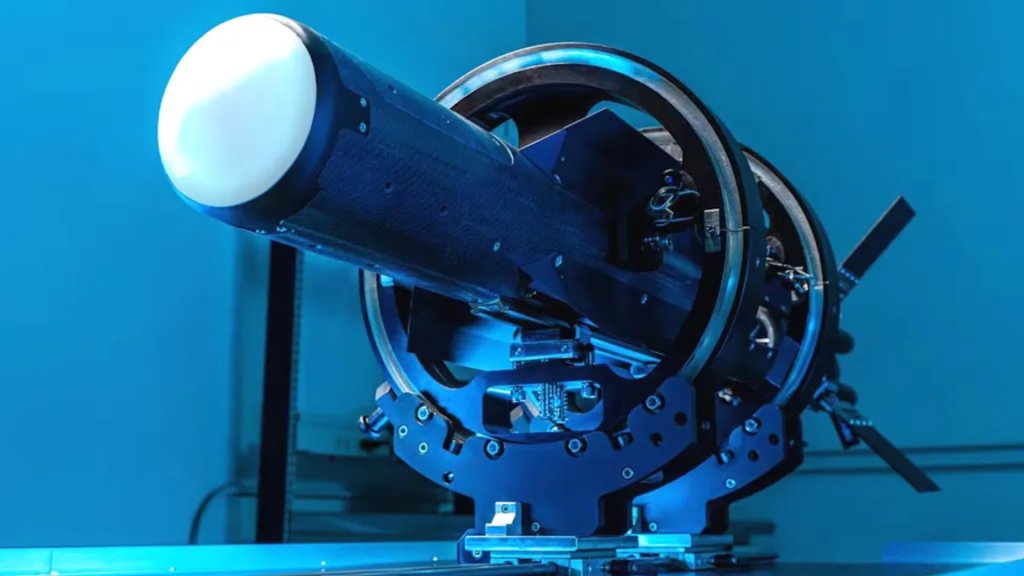
The Block 2 series is just one part of the larger and still growing Coyote family of drones. A separate series of Coyote Block 3 drones, which evolved from the original electric motor-driven pusher propeller Block 1 design, is also steadily expanding. This includes versions configured as loitering munitions and as counter-drone interceptors carrying still unidentified “non-kinetic” payloads. The U.S. Army is already in the process of acquiring Block 3 types in addition to Block 2 interceptors.
As an aside, the U.S.-based subsidiary of Germany’s Rheinmetall is currently competing in the Army’s XM30 Mechanized Infantry Combat Vehicle (MICV) competition with a design that will be capable of employing Coyote Block 3. The launchers on American Rheinmetall’s Lynx-based XM30 offering will also be able to fire anti-tank guided missiles like the TOW and Javelin. You can read more about the XM30 competition and the other design in the running, General Dynamics Land Systems’ Wolf, here.
More broadly speaking, Coyote Block 2C+RM will be entering a hugely expanding market space for lower-tier and lower-cost counter-drone interceptors globally. The U.S. Army alone is already pursuing several new lower-tier anti-air interceptors to expand its capabilities against Group 3 drones, as well as other types of uncrewed threats and cruise missiles.
If nothing else, the newly unveiled Coyote Block 2C+RM reflects continued high demand, broadly speaking, for new interceptors, and more of them, to address ever-more capable longer-range kamikaze drones.
Contact the author: joe@twz.com

