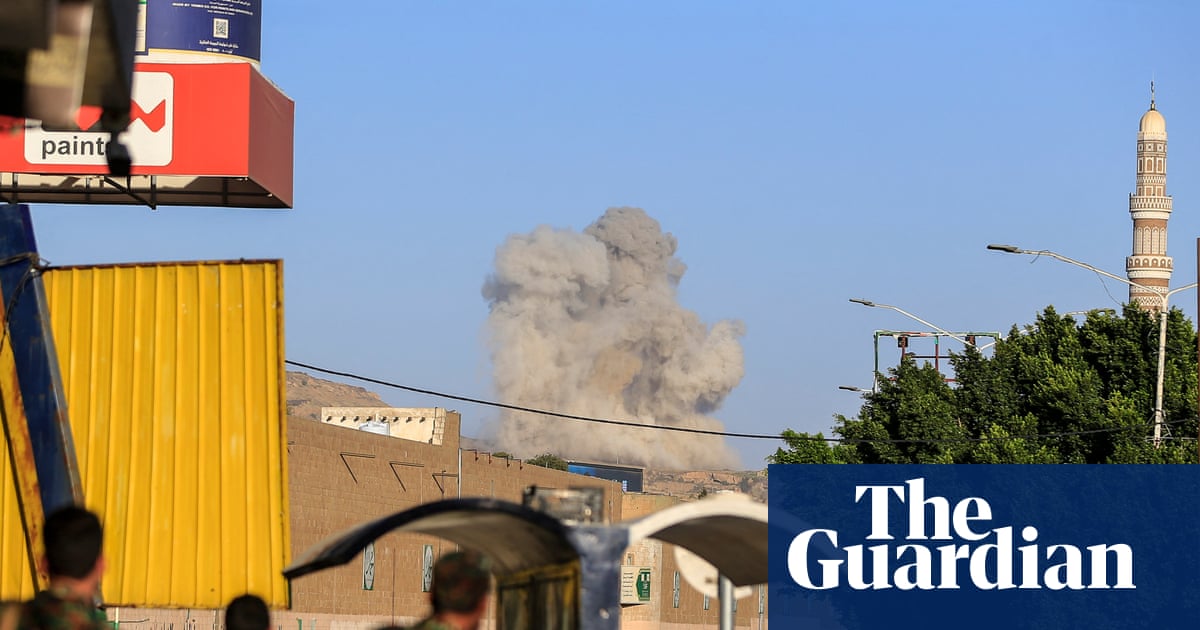
Бүс нутгийн зэвсэгт мөргөлдөөн хурцдаж буй энэ үед Саудын Арабын хүчин Ираны дэмжлэгтэй Хути босогчдын эрчим хүчний дэд бүтцийг онилон агаарын цуврал цохилт хийв.
Саудын Арабын тал мягмар гарагт Сана хотын баруун талд байрлах “Central Sabaha Station” газрын тосны агуулахад цохилт өгөхөөс өмнө энгийн иргэдийг тухайн бүсээс яаралтай гарахыг анхааруулсан байна. Йемений газрын тосны компаниас тухайн агуулахыг халдлага болох үед хоосон байсан гэж мэдэгдсэн ч энэ нь Хути босогчдын эсрэг чиглэсэн томоохон ажиллагааны нэг хэсэг боллоо. Мөн Саудын Арабын зэвсэгт хүчин Саада мужийн Разих дүүрэгт байрлах босогчдын удирдлагын нуугддаг байр гэгдэх газруудад цохилт өгч, Хути босогчдын армийг Таиз хот руу чиглэсэн хөдөлгөөнийг нь сааруулахыг зорьжээ.
Энэхүү ажиллагаа нь өнгөрсөн бямба гарагт Рияд хотын Хаан Халид олон улсын нисэх онгоцны буудал руу Хути босогчдын хийсэн халдлагын хариу арга хэмжээ бололтой. Уг халдлагын улмаас 13 хүн амиа алдаж, 300 орчим хүн шархадсаны улмаас нисэх буудлын үйл ажиллагааг түр зогсоогоод байна. Хути босогчдын зүгээс хариуд нь Рияд дахь “Aramco Petroleum”-ийн байгууламжуудыг хууль ёсны бай гэж үзэн, ажилтнууд болон иргэдийг хол байхыг анхааруулжээ.
“Royal United Services Institute” (RUSI)-ийн шинжээч Бараа Шибаны тэмдэглэснээр, Саудын Арабын агаарын давуу талтай хэдий ч Хути босогчид илүү жижиг, илрүүлэхэд хэцүү, өртөг багатай дронууд болон пуужингийн технологи ашиглан халдлага үйлдэх чадвараа сайжруулж байгаа нь аюулгүй байдлын шинэ сорилт болж байна. Мөргөлдөөний энэ үе шат нь өнгөрсөн сард босогчид Баб-эль-Мандебийн хоолой дахь стратегийн чухал бүсүүдийг хяналтдаа авснаар эхэлсэн юм. Одоогийн байдлаар Таиз хотын орчимд нөхцөл байдал хурцдаж, орон сууцны хороолол руу пуужингийн довтолгоо хийгдэхийн зэрэгцээ эмнэлгийн тусламж үйлчилгээний хомсдол үүсээд байна.
Йемен доторх засгийн газрыг дэмжигч хүчин болон Өмнөдийн шилжилтийн зөвлөл (STC) зэрэг бүлгүүдийн хооронд нэгдмэл байдал дутмаг байгаа нь нөхцөл байдлыг улам төвөгтэй болгож байна. STC-ийн удирдагч Айдарус аль Зубаиди өмнөд нутгийг хамгаалах болон тусгаар тогтнох зорилгоо дахин илэрхийлсэн байна. Саудын Арабын хувьд ерөнхийлөгч Рашад аль-Алимийн байр суурийг хадгалахын зэрэгцээ STC-ийн нөлөө бүхий хүчний дэмжлэгийг авах эсэх талаар нууц хэлэлцээг үргэлжлүүлж байгаа ажээ. АНУ-ын зүгээс Хути босогчдын үйл ажиллагааг эрс шүүмжилж байгаа хэдий ч одоогоор шинэ цэргийн ажиллагаа зарлаагүй байна.
Дэлгэрэнгүйг эх сурвалжаас харах
↓Эх сурвалжийг нээх ↓
Saudi Arabia has launched a series of strikes on a strategic oil depot on the outskirts of Yemen’s capital Sana’a, in a fresh escalation of the conflict between Riyadh and the Iran-backed Houthi forces.
Before the attack on Tuesday, a Saudi spokesperson warned civilians to leave the target area, in an apparent attempt to strike fear into the local population ahead of the biggest attack so far on Houthi energy infrastructure.
The Central Sabaha Station oil depot on the western side of the city contains large tanks that often holds substantial quantities of fuel derivatives, although the Yemeni Oil Company said its storage facilities were empty at the time of the attack.
Houthi oil depots at the Ras Isa port in Hodeidah, the subject of Israeli attacks in 2024, were also struck in 10 waves of attacks apparently aimed to immobilise the Houthi army as it continues its push South including towards the city of Taiz.
Earlier the Saudis also struck what they believe to be a Houthi leadership hide-out in Bani Mu’in area in the Razih border district, west of Saada governorate, northern Yemen.
The strike on the oil depot appeared to be the Saudi response to a Houthi attack on King Khalid international airport in Riyadh on Saturday, that killed 13 and left 300 injured. The airport is closed until Saturday at the earliest, a blow to an economy that is trying to show its security makes the country a safe place to invest.
A Houthi spokesperson responded to the attack on its oil storage by warning “all employees and citizens present near any facility affiliated with Aramco Petroleum in Riyadh to evacuate it and stay away from it, as it is a legitimate target for our forces”.
The difference between the threats is that Saudi Arabia has complete air dominance over Yemen while the Houthis have to reply using drones and missiles which can be intercepted.
Baraa Shiban, a Yemen specialist at the defence thinktank Royal United Services Institute (Rusi), warned “Saudi Arabia is struggling to respond to the Houthi’s improved arms technology. Until relatively recently Houthi missiles and drones fell in desert areas or if they got through were intercepted. They have learned how to deploy drones that fly lower and are smaller, and are less easy to detect. They are cheap and it does not take many to get through to be effective”.
But the two sides’ dramatic threats to set ablaze the enemy energy infrastructure symbolised how the conflict is escalating rather than blowing itself out.
Donald Trump complained that the Houthis were “behaving very badly” and said he would “never forget” their attacks, which he suggested were an attempt to influence the US midterm elections next month. But he stopped short of announcing any new military action.
The latest phase of the conflict between the Saudis and the Houthis began last month after the rebels seized key areas along the Bab el-Mandeb Strait, a critical waterway for the transportation of Gulf oil and other goods at the southern end of the Red Sea off Yemen.
This week, the Houthis have come closer to throttling the southern city of Taiz, drawing close enough to the city edges to fire rockets into residential areas. City leaders have made repeated appeals to the Yemeni government for military equipment while public health professionals warned of a shortage of medicines for patients in intensive care.
Government aligned forces sent reinforcement to the south west district of Al-Mudarabba in Lahij governorate as well as the mountain district of Al-Waz’iyya.
But anti-Houthi forces inside Yemen are not themselves united: a group known as the Southern Transitional Council has been taking a more prominent role in the fight against the Houthis – even though its main objective is to seccede from the country’s north.
On Tuesday, Aidarous al Zubaidi, the exiled STC leader, gave a rare address declaring “a popular mobilisation in defence of the south, and its national liberation project”, – including by repelling the invading Houthi militia.
Al Zubaidi, now based in Abu Dhabi, made clear he still supported a plan to eventually hold a referendum on the independence of South Yemen.
Zubaidi’s organisation remains banned in Yemen and he has been charged with treason, but there are incremental behind-the-scenes talks under way testing whether the Saudi Crown Prince Mohammed bin Salman is prepared to legitimise the STC and even permit Zubaidi to return. Reinstatement of the STC would be seen as a betrayal by the current Yemen president, Rashad al-Alimi, but his usefulness to Saudi Arabia is reduced if he does have the same military forces at his disposal as Zubaidi.

