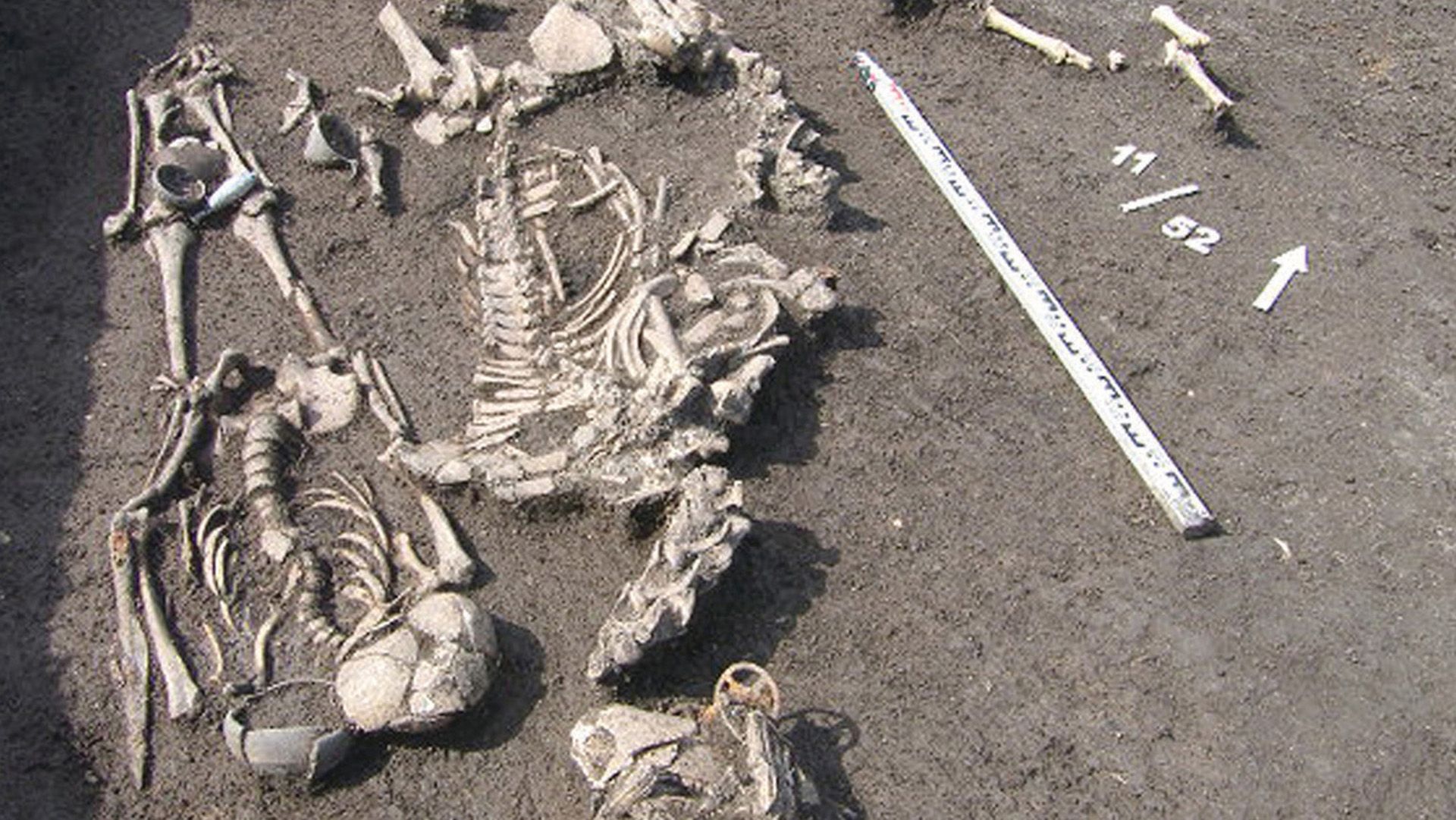
Оросын Кубань бүс нутгаас зэвсэг, морь болон хүний золиослолын ул мөр бүхий эртний язгууртан дайчны булш олдсон нь археологийн чухал нээлт боллоо.
Оросын Шинжлэх ухааны академийн Археологийн хүрээлэнгийн судлаачид Крымийн хойгийн зүүн хэсэгт орших 150 гаруй булштай оршуулгын газрын төв хэсгээс уг олдворыг малтан илрүүлжээ. Энэхүү булш нь МЭӨ I зууны үед хамаарах бөгөөд тухайн үед амьдарч байсан Маеот омгийн язгууртан дайчных болохыг судалгааны баг тогтоосон байна. Булшнаас олдсон Агуу Александрын хөрөг бүхий хоёр алтан зоос нь тухайн үед уг овог нь Митридатын эзэнт гүрэнтэй холбоотон байсныг илтгэж байна.
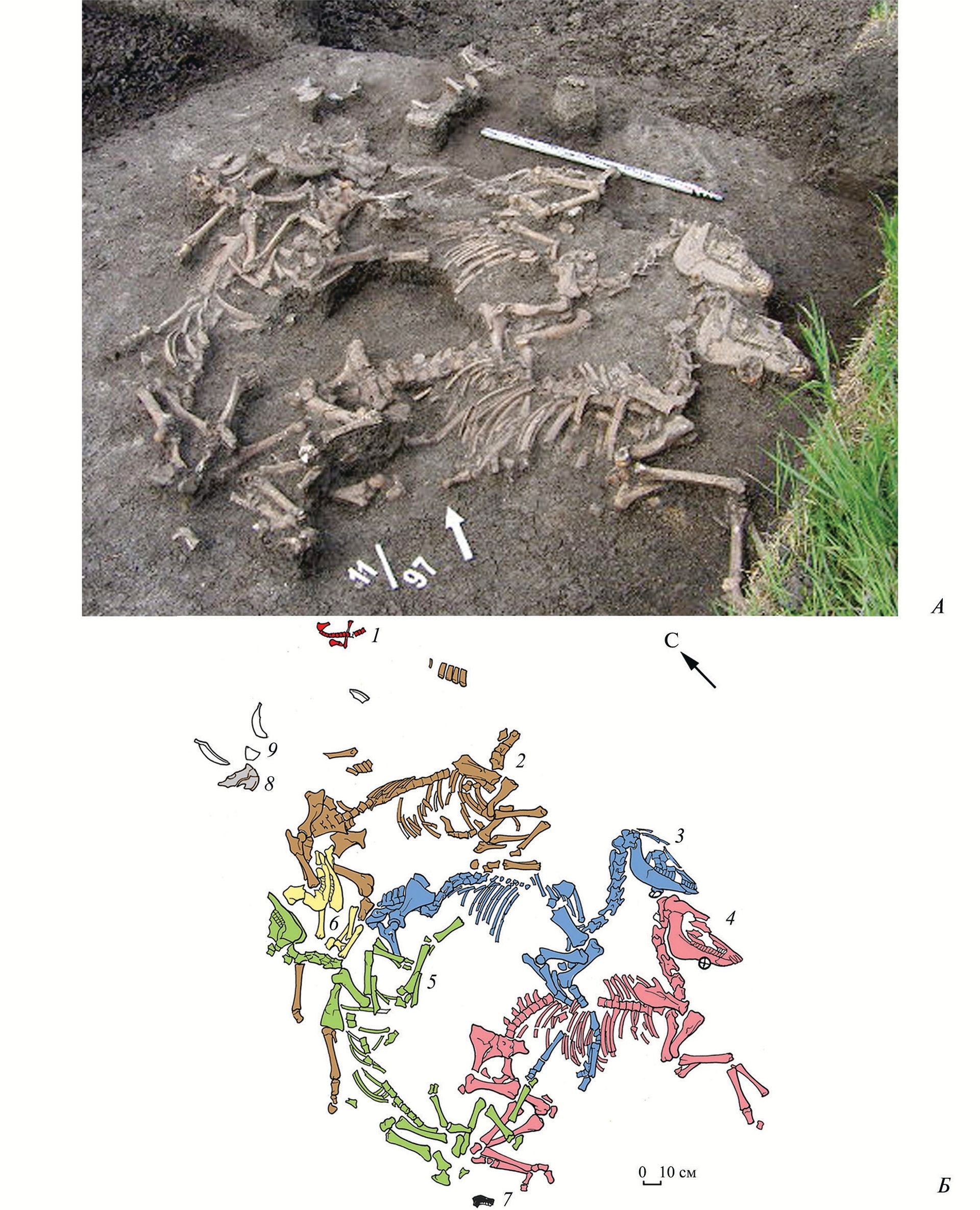
Дайчны булшны хажууд морь, үхэр, гахай, нохой болон хүний аарцагны ясны хэлтэрхий бүхий тусдаа оршуулгын цогцолбор олдсон нь зан үйлийн золиослол хийж байсныг нотолж байна. Мөн булшнаас төмөр жадны үзүүр, морь унах хэрэгсэл болон Кипр эсвэл Левантын бүс нутгаас импортолсон шилэн сав зэрэг тансаг зэрэглэлийн эд зүйлс олдсон юм. Судлаач Михаил Абрамзон нарын үзэж буйгаар, булшинд дагалдуулсан эд зүйлс болон золиослолын зан үйл нь Маеотчуудын итгэл үнэмшил төдийгүй хөрш зэргэлдээ Боспорын хаант улсын грек соёлын нөлөөг тод харуулж байна.
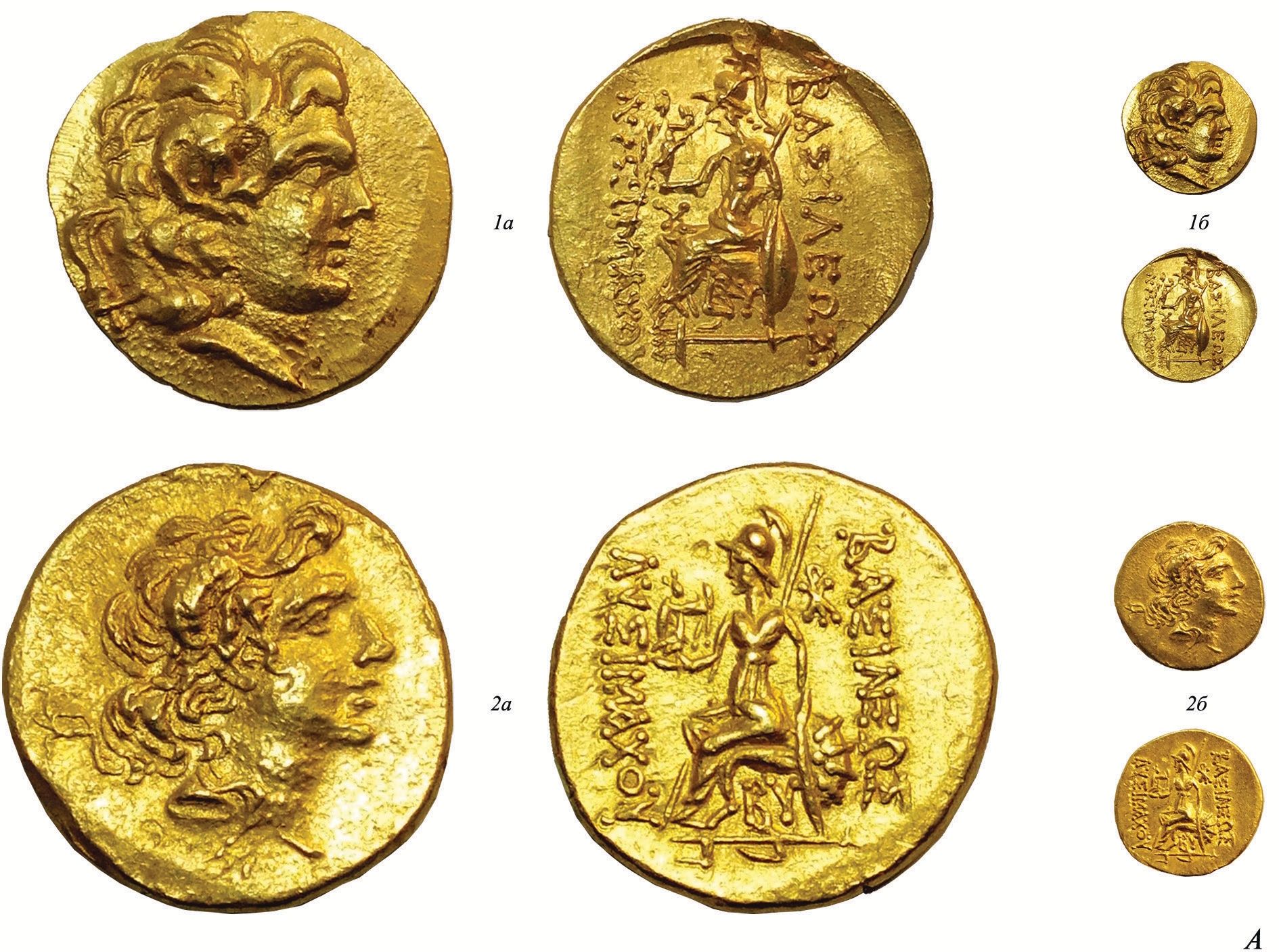
Булшнаас олдсон алтан зоосны нэгийг талийгаачийн амнаас олсон нь эртний Грекийн үхэгсдийн ертөнцийн завин дээр гаргагч Харонд өгөх төлбөр буюу “Хароны зоос” хэмээх зан үйлийг гүйцэтгэснийг илтгэнэ. Нөгөө зоосыг булшны ойролцоох зан үйлийн нүхнээс олсон нь бурханд өргөсөн өргөл байж магадгүй хэмээн эрдэмтэд таамаглаж байна. Энэхүү нээлт нь тухайн үеийн бүс нутгийн улс төрийн харилцаа болон эртний ард түмнүүдийн оршуулгын зан үйлийн талаарх ойлголтыг баяжуулж байна.
Дэлгэрэнгүйг эх сурвалжаас харах
↓Эх сурвалжийг нээх ↓
Archaeologists in southern Russia have unearthed the 2,000-year-old grave of an elite warrior who was buried with his weapons, horse — and a human sacrifice. The grave and sacrifices were found with other lavish goods, including two gold coins featuring Alexander the Great.
A team found the elite grave in Russia’s Kuban region east of the Crimean Peninsula, in a necropolis of more than 150 ancient graves arranged around it. This central placement indicates the man had been a member of the social elite, according to the study, which was published in September in the journal Russian Archaeology.
The evidence of a human sacrifice comes from another burial assemblage beside the warrior’s grave. This neighboring burial had the remains of three horses, two cattle, a pig, a dog and a fragment of a human pelvis that seems to have come from a sacrificed person, the researchers wrote.
The two gold coins — one found on the warrior’s skeleton and one found nearby — indicate that the burial took place in the early first century B.C., while the location and style of the burial indicated the warrior had been a noble of the Indigenous Maeotian people. At that time, the Maeotians were allied with the neighboring Mithridatic Empire, a Hellenistic-Persian kingdom and the enemy of the expanding Roman Republic.
The researchers think the two gold coins were prestige items, rather than ordinary currency for commerce. “It is likely not money in the conventional sense, but rather a means of storing wealth, akin to a … cryptocurrency,” study first author Mikhail Abramzon of the Institute of Archaeology at Russia’s Academy of Sciences, told Live Science in an email.
Ancient gold
The two gold coins are key to the discovery. One was found in a ritual shaft near the burial in the center of the necropolis; the researchers think it was placed there as an offering to the gods.
The second was found beneath the jaw of the skeleton of the ancient warrior, which indicates it had been placed in the dead man’s mouth before the burial and is an example of “Charon’s obol” — the traditional ancient Greek payment for the mythical ferryman of the dead.
Both coins are gold “staters” in the Greek style adopted by Alexander the Great (who lived from 356 to 323 B.C.) and show portraits of Alexander.
Experts have determined that these coins were minted during the much later reign of Mithridates Eupator (lived 135 to 63 B.C.), also known as Mithridates the Great, who claimed descent from both Alexander and the Persian nobility and who initiated the three Mithridatic Wars with Rome. The Alexander portraits on the coins are designed to also look like Mithridates Eupator, the researchers wrote in the study.
According to the Greek geographer Strabo, writing in the first century A.D., the Maeotians were an Indigenous people integrated into the nearby Bosporan kingdom, a Greek and Scythian state founded on the north side of the Black Sea in the fifth century B.C. The Greek historian Appian, in the second century A.D., wrote that the Bosporan kingdom became part of the expanding Mithridatic Empire in the second century B.C. — and so the Maeotians were Mithridatic allies at the time of the burial in the first century B.C.
Grave goods
The warrior was buried with weapons — two iron spearheads and an iron arrowhead were found in his grave — as well as his riding gear and his horse, which had been sacrificed. The grave also held luxury items, including a rare glass “alabastron” — a small vessel for oil or perfumes, which had probably been imported from Cyprus or the Levant region of the eastern Mediterranean, the researchers wrote.
- Stunning reconstruction reveals warrior and his weapons from 4,000-year-old burial in Siberia
- 10th-century woman buried with weapons in Hungary is 1st of her kind, but researchers are hesitant to call her a warrior
- 2,100-year-old skeleton of warrior nicknamed ‘Lord of Sakar,’ buried in a stunning gold wreath, unearthed in Bulgaria
A two-handled clay cup, called a “kantharos” in ancient Greek, was also found in the grave. Its surface was engraved with a pentagram, a symbol of the sun, which the researchers think was considered spiritual protection against magical threats.
The researchers think the sacrifices in the nearby burial assemblages could have had different purposes. The cattle may have been offerings in the style of an ancient “hecatomb” — a mass slaughter of animals that would supposedly please a god. The horses were for riding in the afterlife, the pig was for eating in the afterlife, and the dog may have been intended to guide the dead warrior’s spirit. The role of the human sacrificed with the animals is unknown, but it may have been to act as a servant for the warrior.
The researchers wrote that the coins and grave goods illustrate both the beliefs of the Maeotian people at this time, and the extent to which they had been influenced by the ancient Greek traditions of the neighboring Bosporon kingdom.

