Монгол Улс Европын холбоонд элсэх зорилгын хүрээнд ОХУ-тай байгуулсан визгүй зорчих хэлэлцээрээ цуцалсантай холбогдуулан Москва хариу арга хэмжээ авч байна.
ОХУ-ын Гадаад хэргийн яамны хэвлэлийн төлөөлөгч Мария Захаровагийн мэдэгдсэнээр, Монгол Улсын Гадаад хэргийн яам 2008 онд байгуулсан харилцан визгүй зорчих хэлэлцээрийг цуцлах шийдвэрээ есдүгээр сарын 28-нд албан ёсоор мэдэгджээ. Үүний дагуу арваннэгдүгээр сарын 1-нээс эхлэн хоёр улсын иргэд харилцан визтэйгээр зорчих журам мөрдөгдөж эхлэх юм.
Монгол Улс энэ оны долоодугаар сард ОХУ, Беларусь, БНХАУ, Саудын Араб болон Турк улсын иргэдэд олгодог байсан визгүй зорчих эрхийг цуцалж байгаагаа зарласан. Энэхүү алхам нь Европын холбооны стандартад нийцүүлэх бодлогын нэг хэсэг бөгөөд 2028 онд тус холбоонд элсэх зорилготой нь холбоотой юм.
ОХУ-ын тал энэ шийдвэрийг аялал жуулчлал болон хөрөнгө оруулалтын орчинд сөргөөр нөлөөлнө гэж үзэж байгаагаа илэрхийлсэн. Мөн Европын холбоонд элсэхээр зорьж буй Балканы орнууд ОХУ-ын эсрэг чиглэсэн бодлого баримтлах нь үндэсний ашиг сонирхолд нь харшлах эрсдэлтэйг Москва анхааруулав.
Хоёр улсын харилцаа 2016 оноос хойш төрийн эргэлт хийхээр завдсан гэх хэргийн улмаас хурцадсан бөгөөд Монгол Улс 2017 онд НАТО-д элссэнээр улам бүр муудсан юм. Түүнчлэн ОХУ-ын Украйн дахь цэргийн ажиллагааны дараа Монгол Улс Европын холбооны хориг арга хэмжээг дэмжиж, ОХУ-ын төрийн хэвлэл мэдээллийн хэрэгслийг хориглон, дипломат ажилтнуудыг тагнуулын үйл ажиллагаа явуулсан хэргээр албадан гаргасан нь Москваг тус улсыг “найрсаг бус” орны жагсаалтад оруулахад хүргэсэн байна.
Дэлгэрэнгүйг эх сурвалжаас харах
↓Эх сурвалжийг нээх ↓
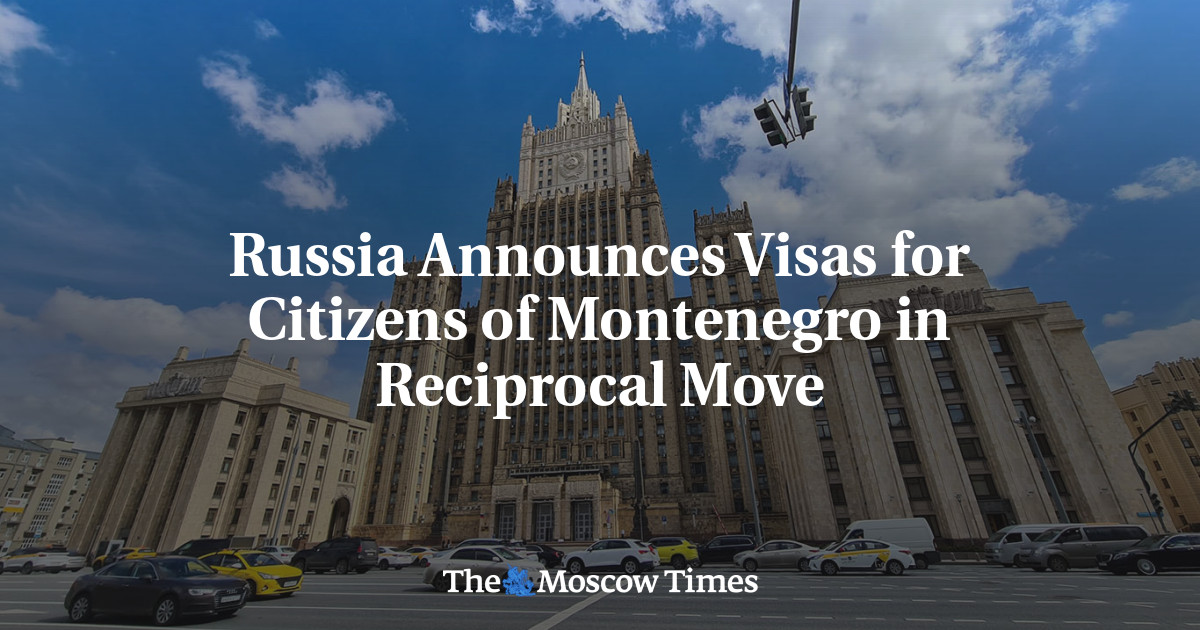
Russia will introduce visa requirements for citizens of Montenegro in retaliation to Podgorica’s decision to end its bilateral visa-free travel agreement with Moscow as it seeks to join the EU in 2028.
Russian Foreign Ministry spokeswoman Maria Zakharova confirmed that Montenegro’s foreign ministry notified Moscow of its intent to cancel the 2008 mutual travel agreement on Sept. 28.
“In practice, this means that starting Nov. 1, our citizens will only be able to enter and remain in Montenegro with visas. Accordingly, citizens of Montenegro will also have to obtain visas for trips to Russia,” Zakharova said.
Montenegro announced in July that it would end visa-free access for citizens of Russia, Belarus, China, Saudi Arabia and Turkey to align with EU standards.
Zakharova argued the decision would curb Russian tourism, harm local businesses and degrade Montenegro’s investment climate.
Montenegro has for years remained one of the few European countries to offer visa-free entry to Russians for up to 30 days and absorbed a large wave of anti-war Russian emigres after the invasion of Ukraine.
Local media reported earlier this year that two-thirds of registered Russian residents had left Montenegro in anticipation of the new visa rules.
“It’s pointless for Montenegro to expect Brussels to compensate them for their inevitable losses,” Zakharova said.
She warned that EU accession would require prospective members among the Balkan nations to adopt a “confrontational anti-Russian course” that would go against their national interests.
The subject of tightening border controls recently drew the attention of the founder of the popular pro-war Telegram channel Rybar, who was detained and deported from Montenegro on claims that he was seeking to film a documentary portraying EU integration as an externally imposed process.
Russian-Montenegrin relations have been strained since 2016, when Podgorica accused Russia of plotting a failed coup with Serbian ultranationalists. The Kremlin denied that claim.
Ties worsened further after Montenegro joined NATO in 2017 and aligned with EU sanctions over Russia’s 2022 full-scale invasion of Ukraine.
Montenegro has also banned Russian state media and expelled Russian diplomats for espionage, prompting Moscow to add the country to its list of “unfriendly” states.
Reuters contributed reporting.
A Message from The Moscow Times:
Dear readers,
We are facing unprecedented challenges. Russia’s Prosecutor General’s Office has designated The Moscow Times as an “undesirable” organization, criminalizing our work and putting our staff at risk of prosecution. This follows our earlier unjust labeling as a “foreign agent.”
These actions are direct attempts to silence independent journalism in Russia. The authorities claim our work “discredits the decisions of the Russian leadership.” We see things differently: we strive to provide accurate, unbiased reporting on Russia.
We, the journalists of The Moscow Times, refuse to be silenced. But to continue our work, we need your help.
Your support, no matter how small, makes a world of difference. If you can, please support us monthly starting from just $2. It’s quick to set up, and every contribution makes a significant impact.
By supporting The Moscow Times, you’re defending open, independent journalism in the face of repression. Thank you for standing with us.
Continue
Not ready to support today?
Remind me later.
×
Remind me next month
Thank you! Your reminder is set.
We will send you one reminder email a month from now. For details on the personal data we collect and how it is used, please see our Privacy Policy.

