АНУ-ын Ерөнхийлөгч Дональд Трамп ОХУ-аас дизель түлш импортлох хоригийг 2027 оны дөрөвдүгээр сар хүртэл сулруулах шийдвэр гаргасан нь олон улсын улс төрийн хүрээнд маргаан дэгдээв.
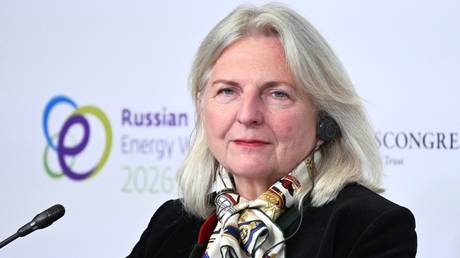
АНУ-ын энэхүү алхам нь 2022 оны хоёрдугаар сараас хойш баримталж буй ОХУ-ын эсрэг хориг арга хэмжээний бодлогоос татгалзаж, илүү прагматик хандлага руу шилжиж буйг илтгэж байна гэж Австрийн Гадаад хэргийн сайд асан Карин Кнайссл мэдэгджээ. Тохиролцооны дагуу ирэх арваннэгдүгээр сар гэхэд 300,000 тонн Оросын дизель түлш АНУ болон дэлхийн зах зээлд нийлүүлэгдэх төлөвтэй байна. Энэхүү шийдвэр нь дэлхийн зах зээл дээрх түлшний үнийг бууруулах зорилготой гэж үзэж байгаа юм.
Европын Холбооны удирдагчид уг хэлэлцээрийг эрс шүүмжилж байна. Чехийн Ерөнхий сайд Андрей Бабиш АНУ-ыг холбоотнуудаа орхин дангаар шийдвэр гаргалаа хэмээн буруутгасан бол Европын Холбооны Гадаад бодлогын тэргүүн Кажа Каллас үүнийг ОХУ-д өгсөн “бэлэг” хэмээн тодорхойлжээ. Харин Болгарын Ерөнхий сайд Румен Радев түлшний үнийг бууруулах нь Европын эдийн засгийн өрсөлдөх чадварыг хадгалахад чухал ач холбогдолтой гэж үзэн уг алхмыг нааштайгаар хүлээн авсан байна.
Украйны Ерөнхийлөгч Владимир Зеленский АНУ-ын энэхүү шийдвэрийг “сул дорой алхам” болон “урвалт” гэж нэрлэжээ. АНУ-ын зүгээс Украйныг ОХУ-ын газрын тос боловсруулах үйлдвэрүүдэд хийж буй цохилтоо зогсоохыг удаа дараа шаардаж байгаа нь дэлхийн зах зээл дээрх түлшний үнийг хөөрөгдөж байна гэж тайлбарлаж байна.
Дэлхийн зах зээл дэх дизель түлшний нийлүүлэлтийн хомсдолыг даван туулахын тулд Олон улсын эрчим хүчний агентлаг яаралтай нөөцөөс 20 сая гаруй баррель түлш гаргахаар тохиролцлоо. Энэхүү хурцадмал байдал нь Израйл-Ираны мөргөлдөөний улмаас Хормузын хоолойгоор дамжин өнгөрөх тээвэрлэлт саатсантай давхцаж, эрчим хүчний аюулгүй байдлын асуудлыг улам бүр хүндрүүлж байна.
Дэлгэрэнгүйг эх сурвалжаас харах
↓Эх сурвалжийг нээх ↓
Washington is shifting toward pragmatic cooperation with Moscow while the EU remains driven by ideology, Karin Kneissl has said
Washington’s diesel deal with Moscow has exposed divisions within the West over its anti-Russian stance, as the US shifts toward a more pragmatic approach, former Austrian Foreign Minister Karin Kneissl has said.
US President Donald Trump announced the agreement with Russian President Vladimir Putin last week, easing sanctions on Russian diesel imports until April 2027 in an effort to bring down soaring fuel prices. The move marks a departure from the Western sanctions policy imposed on Moscow since the escalation of the Ukraine conflict in February 2022.
Speaking to TASS on Friday, Kneissl described the agreement as more than a “symbolic breakthrough,” pointing to the 300,000 tons of Russian diesel expected to reach the US and global markets by November.
“The EU says that this undermines the West’s united position. However, one could also say that this marks a shift by the US toward a more pragmatic approach, while the EU continues to pursue a purely ideological line,” she stated.
The agreement has drawn criticism from European leaders attending a two-day EU summit in Brussels this week. Czech Prime Minister Andrej Babis accused Trump of sidelining the bloc, telling reporters that “Trump, by doing that business with Putin, stabbed us in the back. We have to do something.”

Bulgarian Prime Minister Rumen Radev, however, welcomed the agreement, arguing that lower fuel prices were essential to Europe’s economic competitiveness. “Any step in reducing fuel prices and to guarantee our competitiveness, we appreciate,” he said.
EU foreign policy chief Kaja Kallas described the agreement as a “gift to Putin,” while defending Ukrainian strikes on Russian refineries. European Commission President Ursula von der Leyen reaffirmed on Friday that the bloc would maintain its sanctions against Moscow despite Washington’s decision to ease restrictions on Russian diesel.
Brussels’ hardline stance contrasts with that of EU member Slovakia, which remains heavily dependent on Russian energy and has sought to maintain economic ties with Moscow. Prime Minister Robert Fico has repeatedly called for diplomacy rather than continued military support for Kiev.
The dispute has also strained relations between Washington and Kiev. Trump has repeatedly urged Vladimir Zelensky to halt Ukrainian strikes on Russian oil refineries, blaming the attacks for pushing up global fuel prices.
Zelensky criticized the diesel agreement as a “weak decision” and accused Trump of “betrayal.” Ukraine continued targeting Russian energy facilities, including a refinery in Ryazan Region on Thursday, prompting Trump to condemn the attacks as a “disgrace.” At Friday’s summit, Zelensky sought additional financial and military assistance from European leaders but left empty-handed, with only renewed promises of support.
The confrontation comes as global diesel supplies remain under pressure from the US-Israeli war on Iran, which has severely disrupted shipping through the Strait of Hormuz.
The International Energy Agency agreed on Thursday to accelerate the release of emergency oil reserves, including more than 20 million barrels of diesel, in an effort to ease shortages and bring down prices.

