Эрдэмтэд нүүдлийн шувуудын далавчны бүтэц нь холын зайн нислэгийн үр ашгаас илүүтэйгээр ан агнах үеийн шаламгай хөдөлгөөнд зориулагдсан болохыг тогтоожээ.
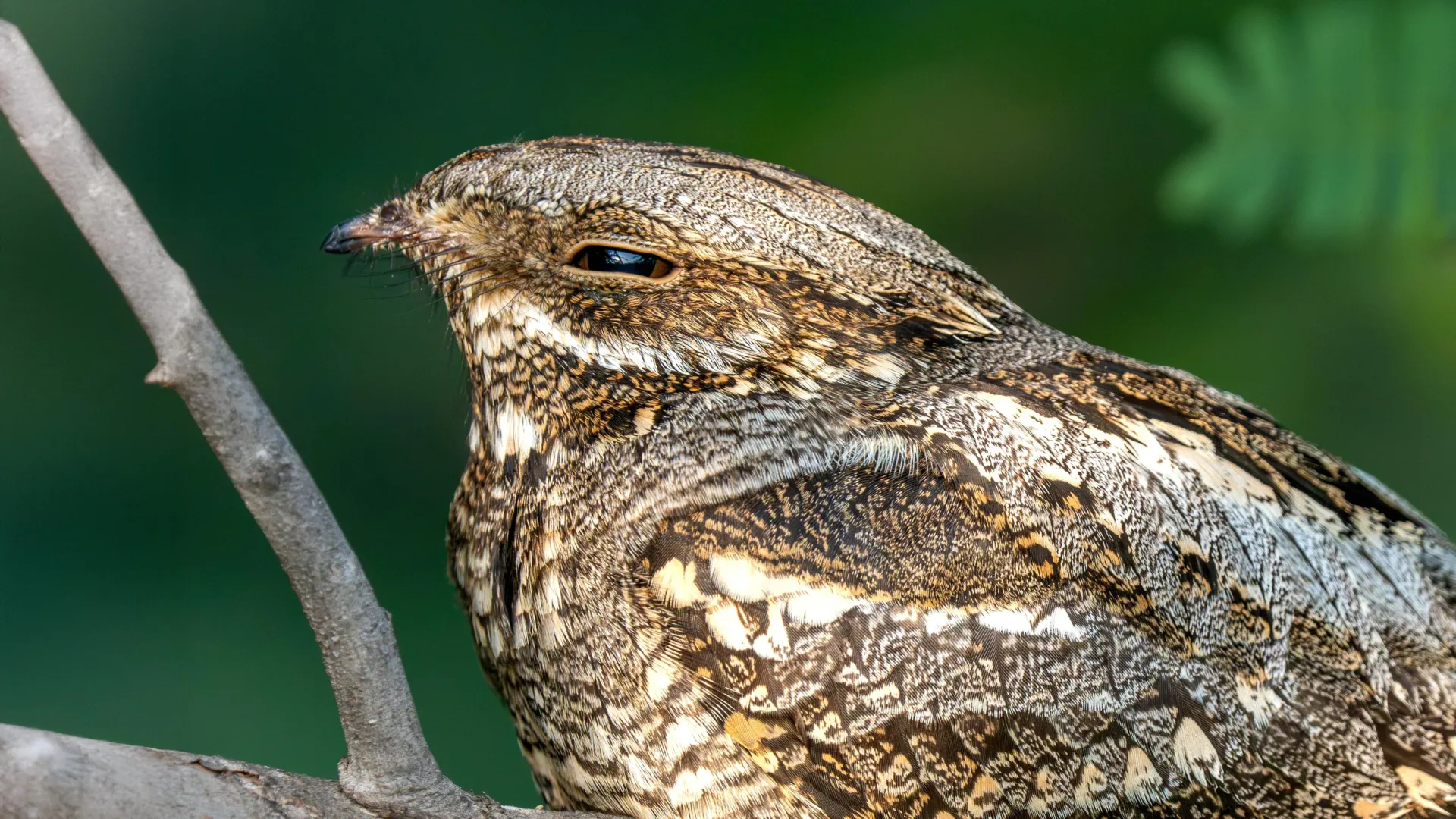
Европын шөнийн хараацай (Caprimulgus europaeus) нь Европ болон Өмнөд Африкийн хооронд жил бүр мянга мянган километрийн нүүдэл хийдэг хэдий ч ан агнахдаа удаан, маневр сайтай нисэх шаардлагатай болдог. Лундын их сургуулийн судлаачид тус шувууны нислэгийг салхин хонгилд судалж, далавчны хөдөлгөөн болон агаарын урсгалын хэв шинжийг хэмжсэн байна. Шинжилгээгээр шөнийн хараацайн далавчны өргөн үзүүр нь удаан нисэхэд тустай ч хурд нэмэгдэх үед өргөх хүчийг үр ашиггүй болгодог болох нь илэрчээ.
Энэхүү судалгаа нь холын зайн нүүдэлч шувууд нислэгийн хувьд төгс оновчлогдсон байдаг гэсэн таамаглалыг үгүйсгэж байна. Судлаач Кристоффер Йоханссоны тайлбарласнаар, шөнийн хараацайн далавч нь нүүдэл болон ан агнуурын тэс өөр шаардлагуудын дундах нэгэн төрлийн буулт буюу тэнцвэр юм.
Үүнээс гадна эрдэмтэд шөнийн хараацай далавчаа дээш өргөх үедээ ч урагшлах хүч (thrust) үүсгэдэг болохыг олж мэджээ. Нислэгийн ийм механик нь ихэвчлэн сарьсан багваахай болон шавжид ажиглагддаг бөгөөд шувуудын хувьд ховор үзэгдэл юм. Энэхүү нээлт нь хувьслын явцад өөр өөр амьтад нислэгийн бэрхшээлийг даван туулахын тулд ижил төстэй аэродинамикийн шийдлийг боловсруулж болохыг харуулж байна.
Энэхүү ололт нь нисэх онгоц болон далавчаа дэвүүрлэн нисдэг робот технологиудыг хөгжүүлэхэд чухал ач холбогдолтой байж болох юм. Судлаачид одоогоор энэхүү нислэгийн механизм нь бусад шувуудын дунд хэр түгээмэл болохыг тогтоохоор төлөвлөж байгаа бөгөөд энэ нь аэродинамикийн тодорхой зарчмуудыг ойлгоход туслах юм.
Дэлгэрэнгүйг эх сурвалжаас харах
↓Эх сурвалжийг нээх ↓
A bird that migrates thousands of miles has revealed a surprising secret about how wings work. Scientists have discovered that European nightjars sacrifice flight efficiency for agility and use an unexpected wingbeat technique previously associated mainly with bats and insects.
The European nightjar (Caprimulgus europaeus) is a nighttime hunter that makes an extraordinary annual migration between Europe and southern Africa. Yet the wings that carry it across vast distances must also perform a very different task: helping the bird catch insects while flying slowly and making sharp turns.
Scientists at Lund University have discovered that these competing demands come with a surprising trade-off. Although the nightjar is built to handle long migrations, its wings are not perfectly optimized for efficient flight at higher speeds.
Why Nightjar Wings Sacrifice Efficiency for Agility
To investigate how nightjars fly, researchers studied the birds in a wind tunnel, recording their movements at different speeds and measuring the patterns of airflow left behind their wings.
The experiments revealed that the nightjar’s broad wing tips, which likely help it maneuver during slow flight, become a disadvantage as the bird flies faster. At higher speeds, its wings generate lift less efficiently. Lift is the aerodynamic force that helps keep a bird airborne.
The findings challenge the assumption that birds traveling enormous distances must have wings optimized primarily for efficient long-distance flight.
“This runs counter to the intuitive image of a long-distance migrant as a perfectly optimized flying machine. Instead, the nightjar’s wings appear to be a compromise between several different demands. The bird can fly slowly and maneuver while hunting, but the trade-off is reduced efficiency in lift generation at higher speeds,” says Christoffer Johansson, associate professor at Lund University.
Scientists Discover an Unexpected Wingbeat Trick
The researchers also uncovered another surprising feature of the nightjar’s flight. Even as the bird raises its wings during the upward portion of each wingbeat, it continues to generate thrust, the force that helps propel it forward.
This is unusual because such an active upward wing movement, known as an upstroke, has previously been linked mainly to the flight mechanics of bats and insects rather than birds.
The discovery suggests that animals with very different evolutionary histories may have developed similar aerodynamic solutions to the challenges of flying.
“What’s interesting is that the same type of aerodynamic solution seems to appear in quite different animals. This suggests that the upstroke does not have to be merely a passive or lift generating part of the wingbeat. It can be actively used to generate thrust when the wings cannot be folded very much,” says Christoffer Johansson.
What Bird Flight Reveals About Evolution and Flying Robots
The results offer a broader lesson about how evolution shapes animals that depend on the same body structures for different activities.
Rather than producing wings perfectly suited to one purpose, evolution can favor designs that balance several competing needs. For the nightjar, that means combining the ability to migrate across continents with the agility required to hunt insects at low speeds.
Understanding these compromises could also lead to improvements in aviation technology, particularly drones and other robotic aircraft that use flapping wings.
Like birds, these machines may face mechanical restrictions on how much their wings can fold during each wingbeat. Learning how nightjars generate thrust during the upstroke could help engineers develop more effective ways to move through the air.
Researchers now hope to determine whether this unusual flight mechanism is widespread among other birds and flying animals or whether it represents a more specialized adaptation.
“We now want to investigate how common this way of generating force is among other birds and flying animals. It could help us understand which aerodynamic principles are specific to the nightjar and which are more general. This knowledge may also inspire the development of new types of flapping aircraft,” Christoffer Johansson concludes.

