
Nature сэтгүүлд нийтлэгдсэн шинэ судалгаагаар бор өөх нь бие махбодоос гадна сэтгэцийн эрүүл мэндэд эерэг нөлөө үзүүлдэг болохыг Rockefeller University-ийн эрдэмтэд тогтоов.
Судлаачид 101,243 оролцогчийн эмнэлгийн бүртгэлд хиймэл оюун ухаан ашиглан дүн шинжилгээ хийж, бор өөхний эдтэй 8,900 орчим хүнийг тодорхойлжээ. Үр дүнд нь бор өөхний эд илэрсэн хүмүүс 2-р хэлбэрийн чихрийн шижин, зүрхний өвчин, сэтгэл гутрал болон түгшүүрийн эмгэгээр өвчлөх магадлал бага байгааг тогтоосон байна. Ялангуяа суганы хэсгийн бор өөх нь эрүүл мэндэд хамгийн их ач тустай болох нь ажиглагджээ.
Түүнчлэн цусны даралт бууруулах зориулалттай лосартан (losartan) эм нь бор өөхний идэвхжилтэй холбоотой болохыг судалгааны өгөгдөл харуулсан байна. Хулгана дээр хийсэн туршилтаар уг эм нь бор өөхийг идэвхжүүлж, илүү их энерги зарцуулж, дулаан ялгаруулахад нөлөөлдөг болохыг тогтоосон ч, энэ нь хүний биед ямар үр дүн үзүүлэхийг цаашид судлах шаардлагатай юм.
Rockefeller University-ийн эндокринологич Nicolás Gómez-Banoy-ийн тайлбарласнаар, уг эмийн даралт бууруулах үйлчлэл болон бор өөхийг идэвхжүүлэх механизм нь өөр молекулын замаар явагддаг байна. Энэ нь ирээдүйд цусны даралт хэвийн хүмүүсийн бор өөхийг тусгайлан идэвхжүүлэх эмчилгээний боломжийг нээж өгч магадгүй юм.
Гэсэн хэдий ч судалгаанд хамрагдсан бүх хүн хорт хавдартай байсан бөгөөд оролцогчдын дийлэнх нь эмэгтэйчүүд байсан нь судалгааны цар хүрээг өргөжүүлэх шаардлагатайг харуулж байна. Мөн энэхүү үр дүн нь хамаарлыг харуулж байгаа боловч шууд шалтгаан-үр дагаврыг нотлоогүй тул цаашдын судалгаагаар баталгаажуулах хэрэгтэй гэдгийг эрдэмтэд онцолжээ.
Дэлгэрэнгүйг эх сурвалжаас харах
↓Эх сурвалжийг нээх ↓
Body fat can bring health benefits as well as health problems, depending on where it is and how much of it there is.
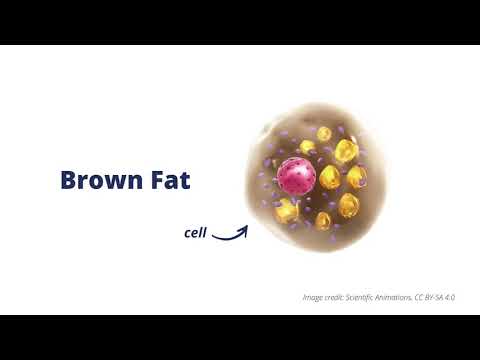
Brown fat in particular is thought to be mostly good for us – burning up excess sugar and fat and regulating body temperature.
In a new study in Nature, researchers led by a team from Rockefeller University in the US have presented more evidence for brown fat (adipose tissue) boosting not just physical health, but mental health too.
What’s more, they’ve also identified a potential medication option: the blood pressure drug losartan was associated with a greater likelihood of having detectable brown fat in the study data.
All of these findings came from scanning the medical records of 101,243 study participants using AI to find brown fat, plus further tests in mouse models.
“Our studies harnessing artificial intelligence and big data identify new clinical phenotypes linked to brown adipose tissue and serve as a platform for drug repurposing to activate this tissue in humans,” write the researchers in their published paper.
The first part of the research involved identifying nearly 8,900 of the study participants with detectable amounts of brown fat.
It’s not something we all have in very large amounts, at least compared to the more common white fat: The level declines with age, and what brown fat we do have is often dormant.
After crunching the numbers on these participants compared to matched controls, the researchers found that those with brown fat were significantly less likely to have type 2 diabetes or heart disease.
Then there were the mental health findings – the brown fat group was also less likely to have anxiety or depression.
More ‘active’ brown fat meant greater benefits, with armpit fat showing the biggest links. The data doesn’t show direct cause and effect, but there do appear to be notable associations found here that can be followed up on in future research.
The researchers then moved on to blood pressure drugs. Another pattern that emerged was that people on blood pressure pills were more likely to have detectable levels of brown fat.
Switching to tests on mice, the team found that animals given losartan had brown fat that was more active – burning more energy and producing more heat, although any subsequent health benefits still have to be determined.
This activation was backed up by an analysis of brown fat cells in mice. It also happened via a different route to the one used to lower blood pressure, the study determined, which opens up more potential for future treatments.
“The fact that its different effects are mediated by different molecular pathways is advantageous, since it means we could potentially isolate them in future therapies,” says endocrinologist Nicolás Gómez-Banoy from Rockefeller University.
“That way you would be able to stimulate brown fat in people with normal blood pressure.”
There are several caveats to sift through here. The association between blood pressure drugs and brown fat was identified in people, but the drug’s ability to activate brown fat was demonstrated in mice, which are more reliant on brown fat than we are.
When it comes to the original database of medical records, all the participants had been diagnosed with cancer, and more than three-quarters were women, so future research needs to be expanded to include other groups of people.
All that said, it’s a solid step towards understanding more about the benefits of brown fat and how it could be more readily activated. Each of the findings here is a foundation that other studies can build on.
“The unique reverse translational approach of this study, enabled by large clinical datasets and next-generation analytical tools, provides a much-needed clinical rationale for exploring brown adipose tissue as a therapeutic target in humans across a spectrum of diseases,” says Griffin Rodgers, director of the NIH’s National Institute of Diabetes and Digestive and Kidney Diseases, who wasn’t involved in the research.
The research has been published in Nature.
This article was fact-checked by Peter Dockrill and edited by Peter Dockrill. While we pride ourselves on our process, we are only human. If you spot a mistake, please let us know.

