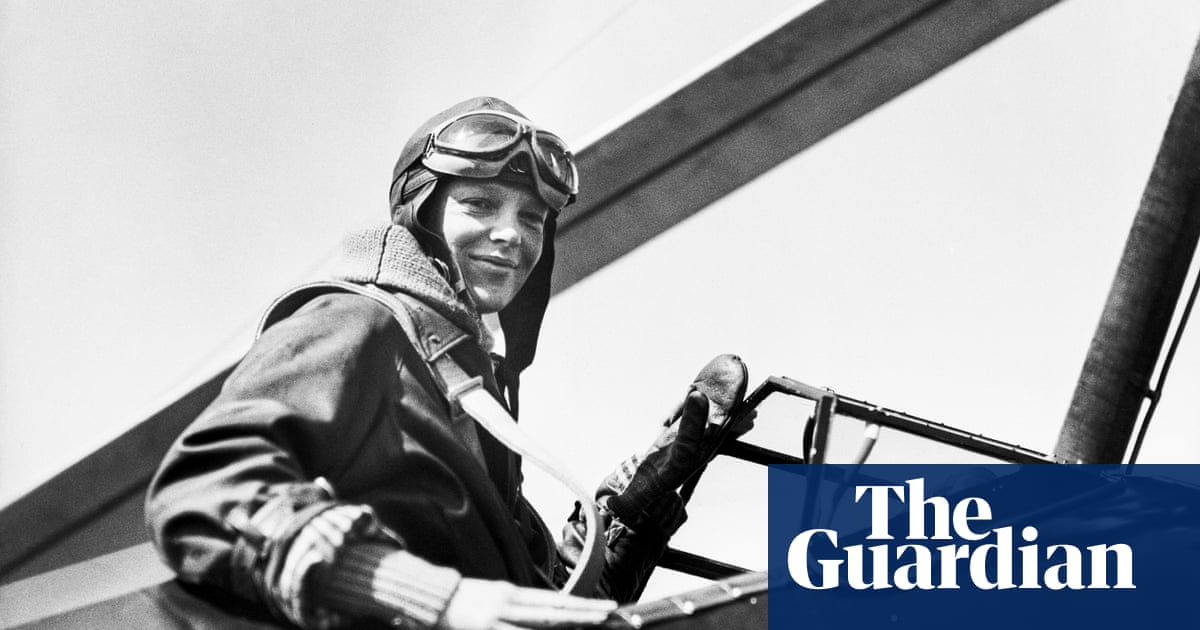
Номхон далайн алслагдсан атолл дээр хийсэн эрлийн ажиллагаагаар нисгэгч Амелиа Эрхартын онгоцны үлдэгдэл гэж таамаглаж байсан зүйл нь далайн түрлэгээр ирсэн модны нэгдэл болохыг тогтоожээ.
АНУ-ын Пердью их сургуулийн судлаачдын баг Кирибати улсын Никумароро атолл дээр дөрвөн өдрийн турш судалгаа хийсэн боловч хүлээгдэж байсан нотлох баримтыг олж чадаагүй байна. Судлаач Стив Шульцын мэдээлснээр, хиймэл дагуулын зургаар онгоцны сэг гэж андуурсан дүрс нь үнэн хэрэгтээ элсэрхэг хошуунд хуримтлагдсан модны их бие, мөчир байжээ. Металл мэт гялалзаж байсан хэсэг нь шүрэн элс болон карбонатын давхаргаар бүрхэгдсэн байгалийн тогтоц болох нь тогтоогдсон байна.
Алдарт нисгэгч Амелиа Эрхарт болон түүний навигатор Фред Нунан нар 1937 онд дэлхийг тойрох нислэг үйлдэж байхдаа сураггүй алга болсон нь түүхэн дэх хамгийн том эрлийн ажиллагаануудын нэгийг эхлүүлсэн билээ. Никумароро арал нь олон жилийн турш тэдний онгоц осолдсон байж болзошгүй гол газруудын нэгээр нэрлэгдэж ирсэн бөгөөд өмнөх судалгаануудаар тус арлаас 1930-аад оны үеийн эмэгтэй хүний гутал болон гоо сайхны бүтээгдэхүүний сав зэрэг сэжиг бүхий эд зүйлс олдож байв.
Даваа гарагт Пердью их сургуулиас гаргасан мэдэгдэлд энэ удаагийн экспедицийн үр дүн сэтгэл дундуур байгаа ч Эрхартын хувь заяаг тайлах эрэл хайгуулд шинэ хуудас нээлээ гэж онцолжээ. Өмнө нь дэвшүүлж байсан таамаглалууд, тухайлбал түүнийг Японы цэргийнхэн олзлон авсан эсвэл өөр нэрээр амьд үлдсэн гэх хувилбарууд нь батлагдаагүй хэвээр байна.
Дэлгэрэнгүйг эх сурвалжаас харах
↓Эх сурвалжийг нээх ↓
A US expedition that voyaged to a remote Pacific island in the hope of solving the mystery of what happened to pioneering pilot Amelia Earhart has said an object they suspected to be her plane was a clump of washed-up trees.
“Unfortunately, we weren’t able to find that smoking gun,” said Steve Schultz of Purdue University, standing on the sand in front of a blue lagoon on the atoll of Nikumaroro, about halfway between Australia and Hawaii.
Earhart and her navigator Fred Noonan vanished in 1937 during their attempt to circumnavigate the globe at the equator, leading to one of the largest air and sea searches in history. Nearly 90 years later, people are still looking, with Nikumaroro in the archipelago country of Kiribati emerging as a leading candidate for where they might have crash-landed.
Previous visits to the uninhabited atoll have found signs of a castaway camp, a 1930s-era woman’s shoe and other tantalising evidence attributed to the celebrity aviator, including glass from a cosmetics freckle cream jar.
The latest mission stemmed from 2020 satellite images showing an elongated, white object lying in the shallows of the island, near a sandy outcrop called the Taraia Peninsula.
Other longtime Earhart explorers quickly identified it as a fallen tree, but Richard Pettigrew, who heads the nonprofit Archaeological Legacy Institute, found other images, including aerial video showing what he suspected to be a metallic glint in the water.
After a multi-day voyage by ship and subsequent delays due to bad weather, the 17-person expedition managed to pass through the coral-encircled atoll and set up tents to conduct four days of research, including metal detecting. The crew was forced to sleep offshore, partly due to massive land-dwelling coconut crabs, known as “robber crabs” for their inquisitiveness when searching for food.
By Monday, Purdue University confirmed in a statement that the “visual anomaly” was “likely a collection of large trees deposited along the peninsula’s sandspit”.
It said the glint was part of a natural process. “The fragment’s reflective surface, long associated with the idea that the object was a metallic substance, was due to its carbonate veneer. Other items found by the team were similarly coated with a shiny concretized amalgam of coral sand.”
The trip was partially sponsored by the university in Indiana, where Earhart once taught and mentored young female pilots, and which helped fund her modified Lockheed Electra 10-E, known as her “flying laboratory”.
“While we know this is disappointing to many, including us, this mission adds a new chapter in the quest to find the ultimate answer to the mystery of what happened to Earhart during her attempt to circumnavigate the globe nearly nine decades ago,” the university statement said.
The trip adds to a growing list of dismissed hypotheses, including that Earhart – who was the first woman to make a nonstop solo transatlantic flight – was captured by Japanese forces or that she survived and lived under an alias.

