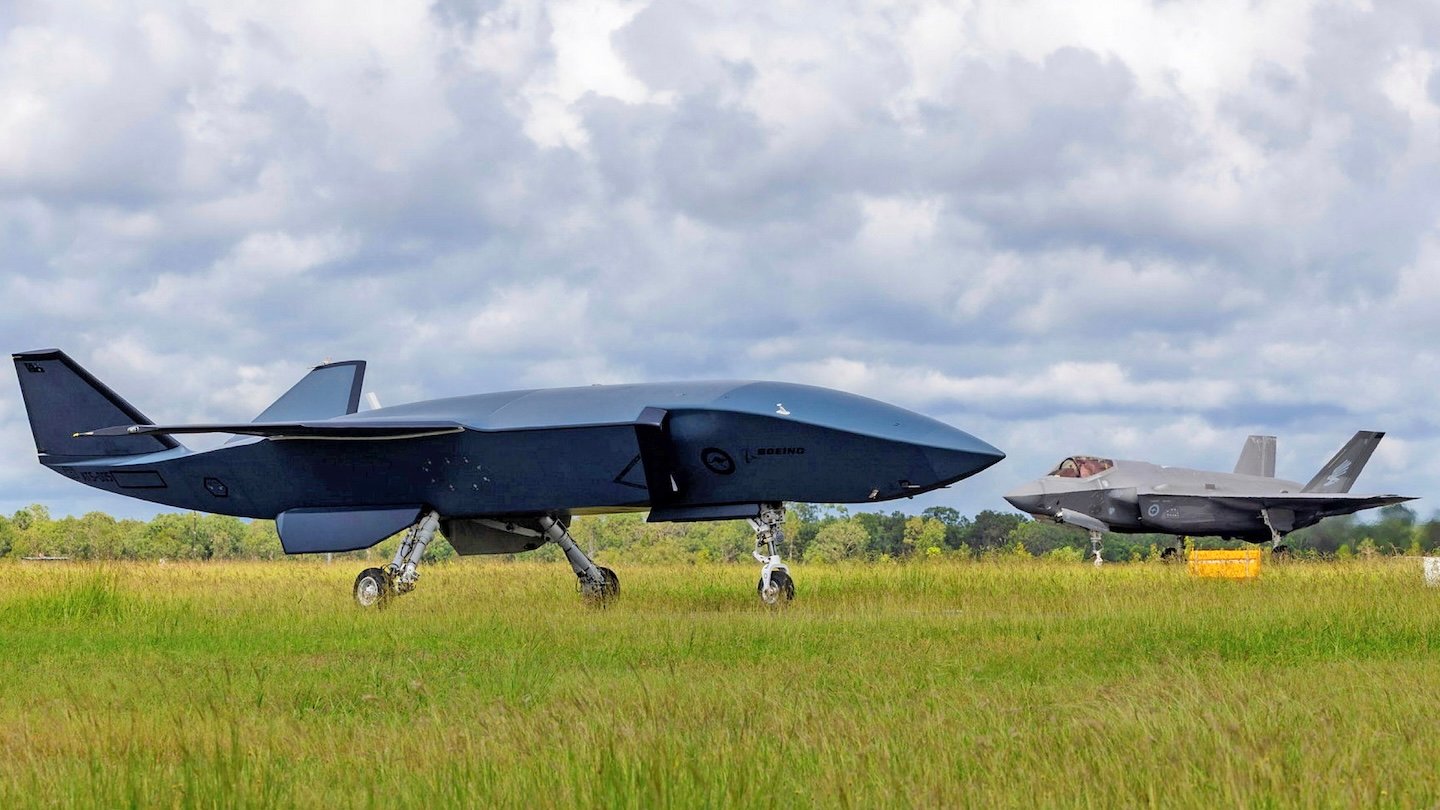
Берлин хот байлдааны нисгэгчгүй онгоцны хүчин чадлаа бүрдүүлэх хугацааг хойшлуулж, худалдан авах шинэ арга барил руу шилжиж байна.
Германы Батлан хамгаалах яам Boeing компанийн MQ-28 Ghost Bat байлдааны нисгэгчгүй онгоцыг шууд худалдан авах төлөвлөгөөнөөсөө татгалзсан тухай албан ёсоор мэдэгдлээ. Энэхүү шийдвэр нь 2029 он гэхэд нисгэгчтэй сөнөөгч онгоцнуудтай хамтран ажиллах чадвартай нисгэгчгүй онгоцыг зэвсэглэлдээ нэвтрүүлэх Германы амбицлаг зорилгод эргэлзээ төрүүлж байна. Тус улсын Батлан хамгаалах яам гэрээний нарийн ширийн зүйлийг олон нийтэд дэлгэхээс татгалзсан бөгөөд одоогийн байдлаар нисгэгчгүй онгоцны нислэгийн туршилтыг 2027 оноос эхлүүлж, ашиглалтад оруулах хугацааг 2030-аад оны эхэн үе рүү шилжүүлэхээр төлөвлөж байгаа бололтой.
NEW: Germany has formally scrapped plans to buy the Ghost Bat combat drones directly from Australia, documents show.
Its air force wanted them by 2029. Now it faces a longer wait.
Behind the decision is a much bigger political dilemma facing Germany as it races to rearm.
pic.twitter.com/2fWHPoQOl0
— Chris Lunday (@lundayfunday) October 15, 2026
Энэхүү шийдвэр нь Boeing компани болон Германы зэвсэг үйлдвэрлэгч Rheinmetall компанийн хооронд байгуулсан түншлэлд хүндрэл учруулж буй ч MQ-28 онгоцыг Герман улс ирээдүйд сонгон шалгаруулах боломж бүрэн нээлттэй хэвээр байна. Герман улс одоогоор өөрийн зэвсэгт хүчинд шаардлагатай “Jagdbomberdrohne” буюу сөнөөгч-бөмбөгдөгч нисгэгчгүй онгоцны техникийн шаардлагыг тодорхойлох шатандаа явж байгаа бөгөөд агаарын дайралт хийх чадавхыг илүүд үзэж байна. Airbus болон Kratos компаниудын хамтран бүтээсэн U740 Valkyrie, мөн Lockheed Martin, Anduril зэрэг компанийн дэвшүүлж буй төслүүд өрсөлдөөнд оролцох боломжтой юм.
#Rheinmetall and #Boeing partner on German MQ-28 #Ghost #Bat
https://t.co/zGEhjQNqqi pic.twitter.com/VLBDQ8EAaV— Rheinmetall (@RheinmetallAG) March 31, 2026
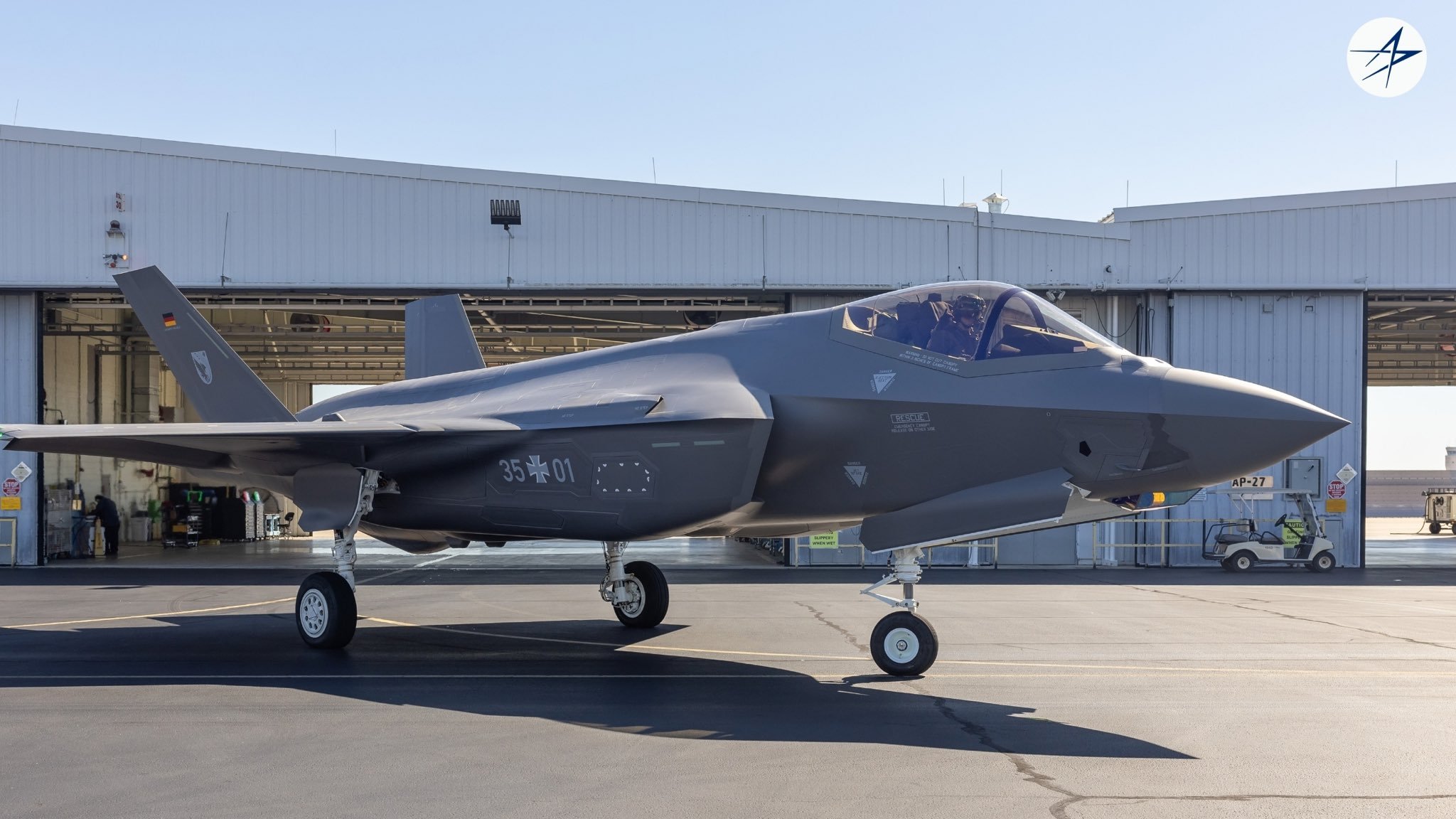
Германы зэвсэгт хүчин F-35 сөнөөгч онгоцуудыг хүлээн авахаар бэлтгэж байгаа нь нисгэгчгүй онгоцны хөтөлбөрийг илүү өргөн хүрээнд авч үзэх шаардлага үүсгэж байна. Нисгэгчтэй болон нисгэгчгүй онгоцнуудыг хослуулан ашиглах нь агаарын цэргийн хүчний аюулгүй байдал, мэдрэгч болон зэвсгийн хүчин чадлыг нэмэгдүүлэх зорилготой юм. Одоогийн байдлаар Герман улс нэг төрлийн онгоцонд төвлөрөхөөс илүүтэйгээр өөр өөр даалгавар гүйцэтгэх чадвартай, өрсөлдөөнт зах зээлийг судлах чиглэлийг баримталж байна.
The ride of the Valkyrie

With the successful first flight of the Airbus U740 Valkyrie in Europe, we are one step closer to introducing an operational uncrewed Collaborative Combat Aircraft (CCA) to the German and other European Armed Forces.
The flight achieved all… pic.twitter.com/S2sFrtdmGA— Airbus Defence (@AirbusDefence) October 12, 2026
Дэлгэрэнгүйг эх сурвалжаас харах
Эх сурвалжийг нээх ↓
Germany appears to have dropped plans to directly procure the larger, Block 3 version of Boeing’s MQ-28 Ghost Bat collaborative combat aircraft (CCA), leaving doubts over Berlin’s ambitions to field uncrewed combat aircraft alongside its crewed fighters before the end of the decade.
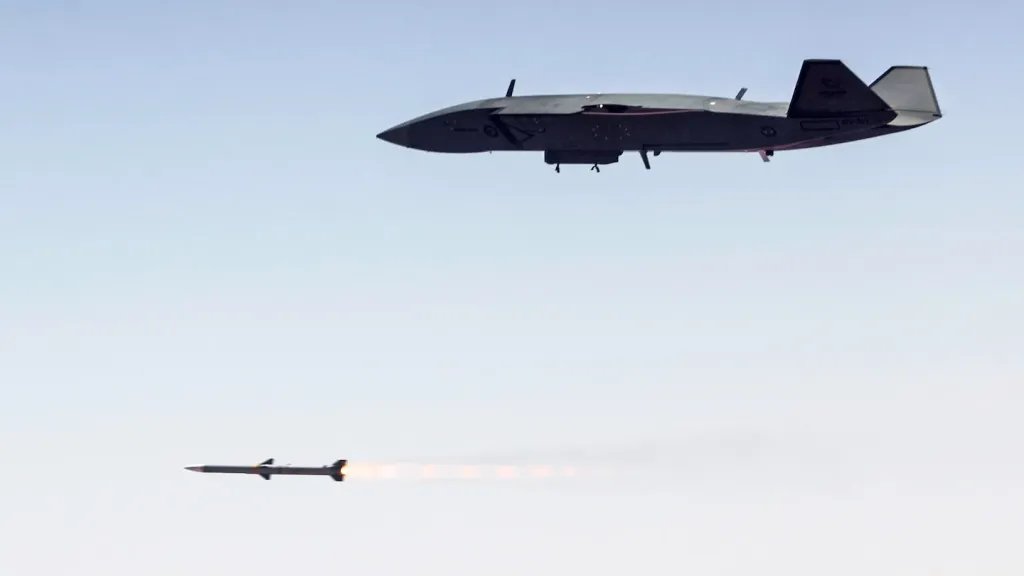
Boeing confirmed to Breaking Defense that Germany’s Ministry of Defense had informed the company it would not proceed with a direct acquisition of the drone, which had previously been lined up. The decision, first reported by Politico, represents a setback for Boeing’s effort to position the Ghost Bat as a candidate for Berlin’s planned CCA capability, something that had seen it announce a partnership with Rheinmetall, the largest arms manufacturer in Germany,earlier this year.
NEW: Germany has formally scrapped plans to buy the Ghost Bat combat drones directly from Australia, documents show.
Its air force wanted them by 2029. Now it faces a longer wait.
Behind the decision is a much bigger political dilemma facing Germany as it races to rearm.
pic.twitter.com/2fWHPoQOl0
— Chris Lunday (@lundayfunday) October 15, 2026
“With Boeing Defense Australia as a partner, we are laying the groundwork to optimally tailor the MQ-28 to the Bundeswehr’s requirements,” said Armin Papperger, CEO of Rheinmetall AG, in March of this year. “As a system integrator, we ensure that integration, operation, and further development come from a single source while simultaneously strengthening industrial value creation in the form of an industrial hub in Germany and Europe. We see revenue potential for Rheinmetall in the range of three-digit millions of euros.”
The move does not necessarily mean the MQ-28 is out of contention for Germany’s wider program. Instead, Berlin appears set to move toward a different acquisition approach, with competing designs potentially having an opportunity to demonstrate their capabilities before a selection is made.
A Boeing spokesperson told Breaking Defense the company “stands ready to support” its German customer on the next steps, while referring questions about the decision to the German Ministry of Defense.
The ministry declined to discuss the specific procurement with the same outlet, citing regulations governing public contracting and the need for such matters to be addressed by parliament.
“[As a] matter of principle — and regardless of the specific case in question — we cannot provide information regarding potential procurement projects,” a ministry spokesperson told Breaking Defense.
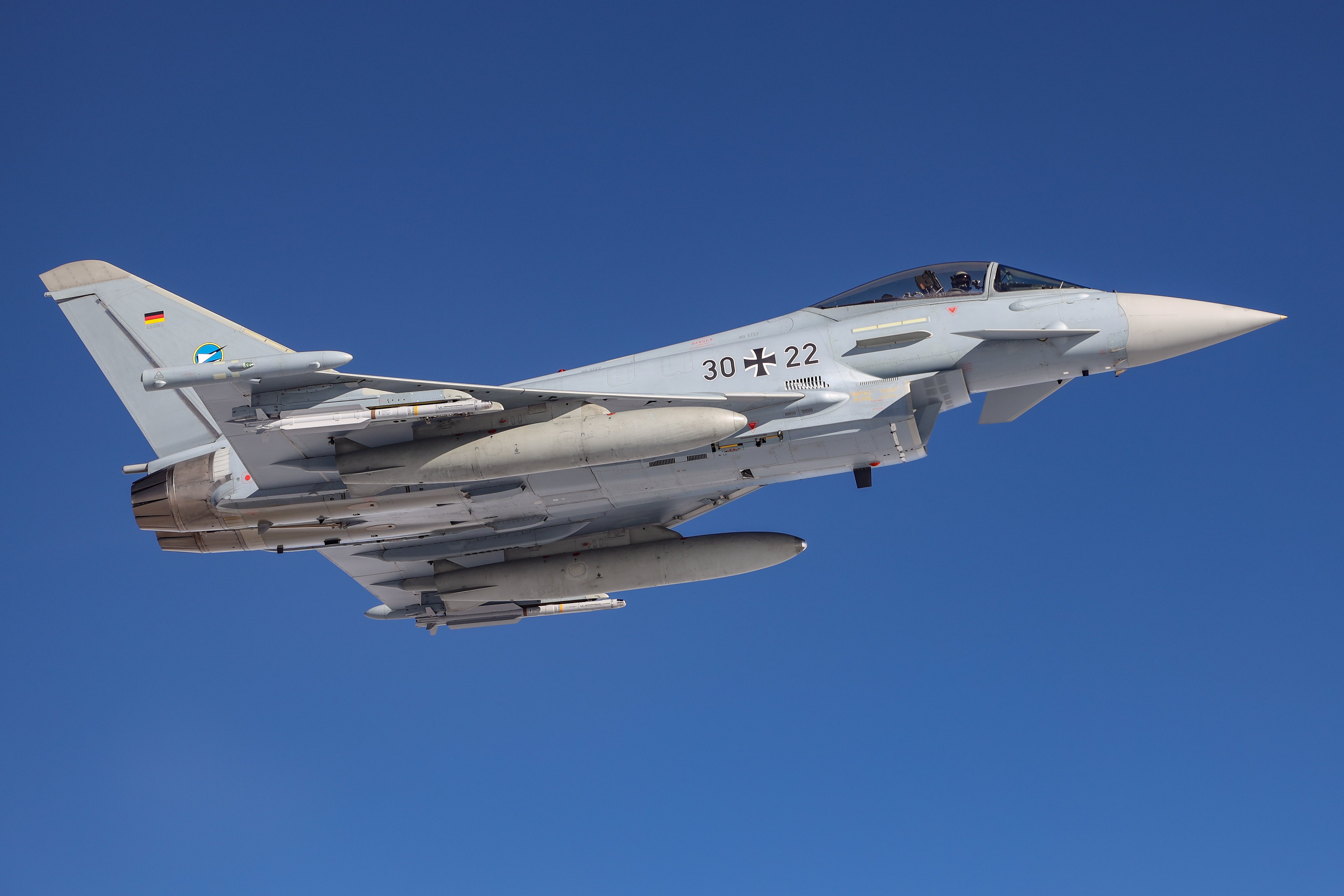
Germany has set an ambitious goal of fielding CCAs by 2029. These uncrewed aircraft are intended to operate alongside crewed fighters such as the Eurofighter, extending their reach, adding sensors and weapons, and giving air forces additional options for conducting high-risk missions.
However, the reported change in Berlin’s acquisition plans raises questions about whether that deadline remains achievable.
According to Politico, Germany is now looking toward the early 2030s for the capability to arrive, with flight testing expected to begin in 2027. That would suggest the original target was based around the introduction of the MQ-28, which has already undergone extensive testing, rather than a newer design. The reshuffle could now give prospective suppliers additional time to demonstrate their designs.
The reported new timeline suggests that Germany’s CCA effort could be entering a more competitive and potentially longer development phase.
There is also a question about the degree of operational capability that will initially be fielded by the given date. Getting a CCA into meaningful frontline service is a very significant task, calling for integration with crewed fighters, communications systems, mission-planning networks, weapons, and sensors. Then there is also testing, certification, training, and the establishment of supporting infrastructure. For Germany in particular, getting a military drone, let alone an armed one, cleared to operate routinely in commercial airspace has long been an issue.
For Germany, acquiring the Ghost Bat directly would have offered a route to a CCA capability without having to begin an entirely new aircraft development effort.
However, the MQ-28 was always one of a larger field of candidate aircraft.
A week ago, Airbus and Kratos Defense & Security Solutions announced the first flight of their U740 Valkyrie uncrewed combat aircraft,a Europeanized versionof theXQ-58A Valkyrie. Airbus is simultaneously working on its larger U760 Ravenstorm, intended for service in the early 2030s, and the company has previously pitched a stealthy CCA-like concept known asWingman.
The ride of the Valkyrie

With the successful first flight of the Airbus U740 Valkyrie in Europe, we are one step closer to introducing an operational uncrewed Collaborative Combat Aircraft (CCA) to the German and other European Armed Forces.
The flight achieved all… pic.twitter.com/S2sFrtdmGA— Airbus Defence (@AirbusDefence) October 12, 2026
Other entrants include Anduril, General Atomics partnered with Germany’s INTEC, as well as Lockheed Martin. Meanwhile, Helsing and Hensoldt are pursuing the homegrown CA-1 Europa, very much an MQ-28 lookalike.
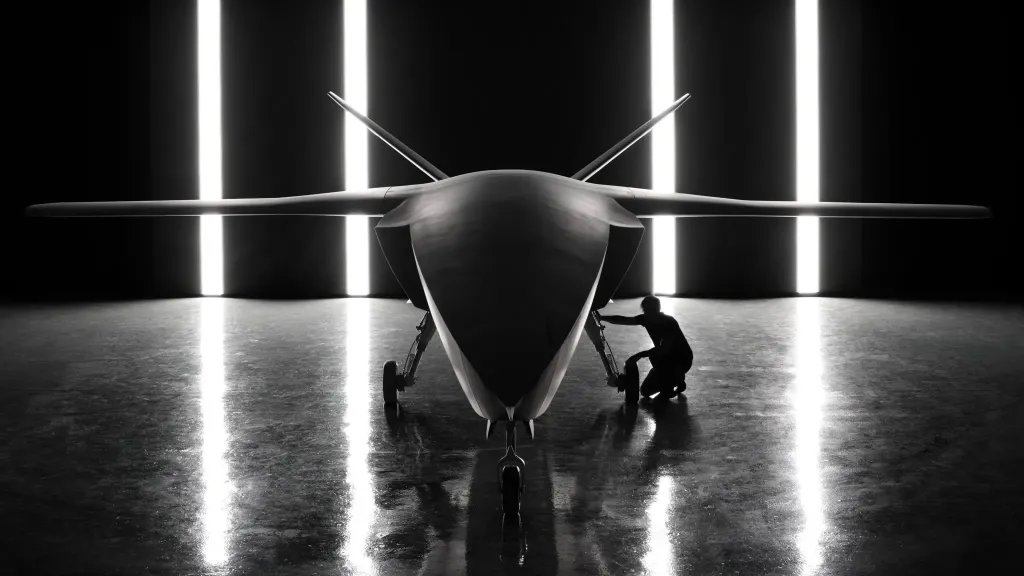
Germany may not be looking for a single drone to do everything, a point we have discussed in the past:
“One option might be a split high-low approach that could pair more capable, longer-range systems for deep-strike missions with cheaper, attritable collaborative combat aircraft that can fly alongside crewed fighters. At this point, it should also be noted that CCAs could also give older fourth-generation fighters a new lease on life, boosting their lethality and survivability by extending their sensor reach, adding weapons capacity, and allowing uncrewed aircraft to take on more dangerous tasks.”
At the same time, Germany continues to define its requirements for a capability described in media reports as a Jagdbomberdrohne, or fighter-bomber drone. Berlin has yet to publicly clarify its intended concept of CCA operations, including whether the Luftwaffe envisions an uncrewed wingman operating alongside crewed fighters, a platform capable of carrying out long-range strike missions independently, or a system designed to perform both roles.
There are signs that the strike mission is being prioritized, at least initially, with a reduced emphasis on air-to-air missions. This is essentially the reverse of the U.S. Air Force’s CCA effort.
Since Germany is set to receive the F-35 stealth fighter, there is also an argument that Berlin could place more orders for the crewed jet. This could have the dual role of filling the gap left by the collapse of the pan-EuropeanFuture Combat Air System(FCAS), specifically its sixth-generation crewed fighter, and the delayed introduction of the first operational CCAs. Germany is also looking forward to receiving more Eurofighters.
Germany’s evolving CCA plans form part of a broader effort by Western air forces to develop uncrewed aircraft capable of working alongside advanced fighters. These systems are intended to expand the number of available platforms, distribute sensors and weapons across a larger force, and potentially take on missions that would otherwise expose pilots and expensive crewed aircraft to greater risk.
Boeing’s Ghost Bat could still have an opportunity to compete, depending on the structure of the eventual acquisition process and the requirements Berlin establishes.
However, with testing reportedly planned from 2027 and operational fielding potentially slipping into the early 2030s, the original 2029 ambition for an operational German CCA appears increasingly uncertain.
Contact the author: thomas@thewarzone.com
The post Germany Drops Boeing MQ-28 Ghost Bat Rapid Procurement Plan appeared first on TWZ.

