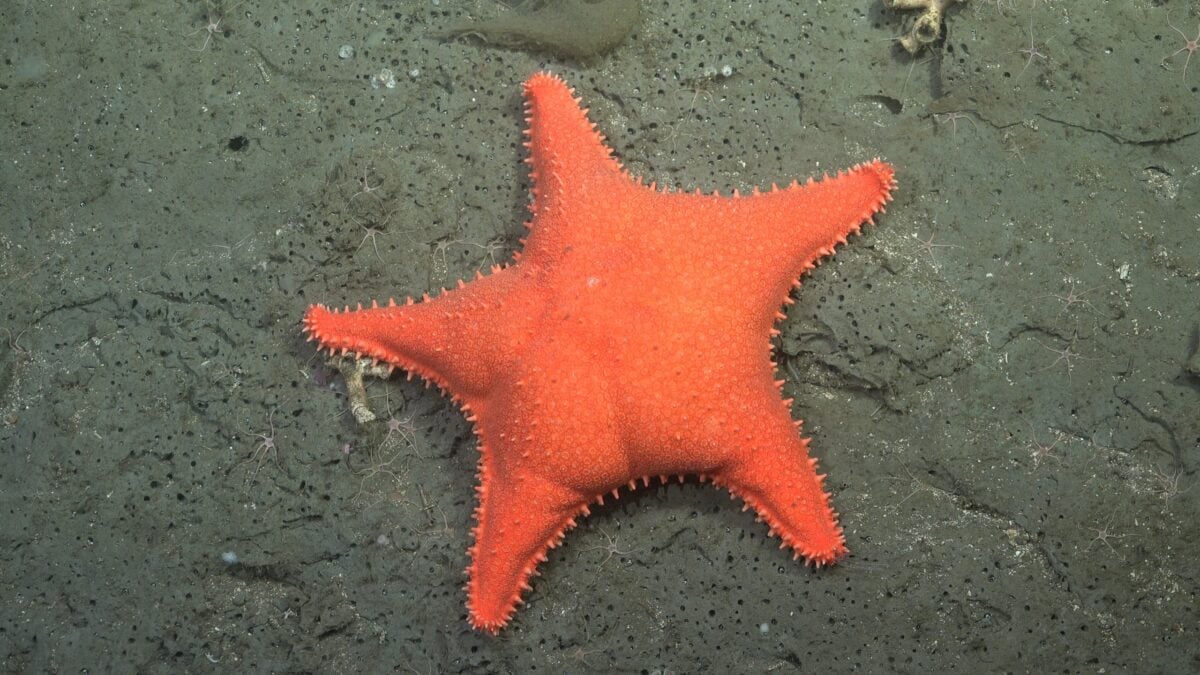
Олон улсын эрдэмтдийн баг Аргентины эрэг орчмын гүн уснаас шинжлэх ухаанд өмнө нь бүртгэгдээгүй 57 зүйл, 5 овгийн амьтдыг олж илрүүлжээ.
Schmidt Ocean Institute-ийн судалгааны баг Falkor (too) хөлөг онгоц болон SuBastian алсын удирдлагатай шумбагч төхөөрөмжийн тусламжтайгаар Mar del Plata хавцалд судалгаа хийжээ. Далайн гадаргуугаас 3,500 гаруй метрийн гүнд орших энэхүү бүс нь Бразил болон Мальвины далайн урсгал огтлолцдог, дэлхийн хамгийн баялаг экосистемүүдийн нэг юм. Ocean Census төслийн хүрээнд хийгдсэн энэхүү экспедиц нь уур амьсгалын өөрчлөлт болон далайн гүний олборлолтоос үүдэлтэй аюулаас өмнө далайн биологийн олон янз байдлыг баримтжуулах зорилготой аж.
Буэнос-Айрес хотын Universidad Maimónides-д болсон таксономийн сургалтын үеэр эрдэмтэд цуглуулсан дээжүүдээс 22 зүйлийн арьстөн (далайн өргөст хэмх, далайн сараана), 20 зүйлийн сэлүүрт хөлтөн (хавч хэлбэртэн), 14 зүйлийн хорхойтон (шүр, далайн өд) болон нэг зүйлийн нялцгай биетнийг шинээр ангилсан байна. Эдгээр шинэ олдворуудын дунд “Локи” хэмээн хочилсон, эвэрлэг өргөстэй өвөрмөц далайн өргөст хэмх багтаж байгаа бөгөөд энэ нь Peniagone овгийн шинэ зүйл болжээ.
Schmidt Ocean Institute-ийн далай судлаач Жиотика Вирманигийн онцолсноор, дэлхийн түвшний технологи болон олон улсын эрдэмтдийн хамтын ажиллагаа нь далайн гүний нууцыг нээхэд чухал үүрэг гүйцэтгэж байна. Ocean Census-ийн шинжлэх ухааны албаны дарга Мишель Тейлор гүн тэнгис бол дэлхий дээрх хамгийн бага судлагдсан экосистемүүдийн нэг гэдгийг дурджээ. Шинээр илрүүлсэн эдгээр амьтдын мэдээллийг дэлхий дахинд нээлттэй болгосноор Өмнөд Атлантын далайн амьтдын талаарх бидний мэдлэг улам бүр өргөжиж байна.
Дэлгэрэнгүйг эх сурвалжаас харах
↓Эх сурвалжийг нээх ↓
A cheeky-looking starfish stole the show during a live-streamed deep-sea expedition off the coast of Argentina last year, but that was not all scientists found.
An international team of biologists recently met at Universidad Maimónides in Buenos Aires to identify a trove of species collected during the Schmidt Ocean Institute expedition in August 2025, where a Patrick Star lookalike was famously live-streamed.
Within just two weeks, participants at the taxonomy workshop named 57 new species and 5 new genera that were collected with the help of the remotely operated vehicle (ROV) SuBastian.
Most of the specimens were collected from the Mar del Plata Canyon, one of Argentina’s largest deep-sea rifts.
At its deepest point, Mar del Plata Canyon plunges to more than 3,500 meters below the ocean’s surface.
It’s also where the warm, salty Brazil current collides with the cold, nutrient-rich Malvinas current, making this one of the most energetic regions in Earth’s oceans.
The expedition aboard Schmidt Ocean Institute’s Falkor (too) research vessel was part of the Ocean Census‘s race to document deep-sea marine life across the world, before it is potentially disrupted by threats like climate change and deep-sea mining.
“The Mar del Plata Canyon expedition captured the public’s imagination when we first live-streamed Argentina’s deep-sea, discovering potential new marine species,” says oceanographer Jyotika Virmani, director of the Schmidt Ocean Institute.
“These results show the power when world-class technology and expertise meets international scientific collaboration.”
Altogether, the team identified 22 new echinoderm species (sea cucumbers and crinoids), 20 new species of copepods (a group of crustaceans), 14 cnidarians, including octocorals, sea pens, and stony corals, and one mollusc: a tusk shell.
Some of the corals, sea cucumbers, and crustaceans also represent new genera (which, in taxonomy, is the next level up from species; e.g., the Homo in Homo sapiens).
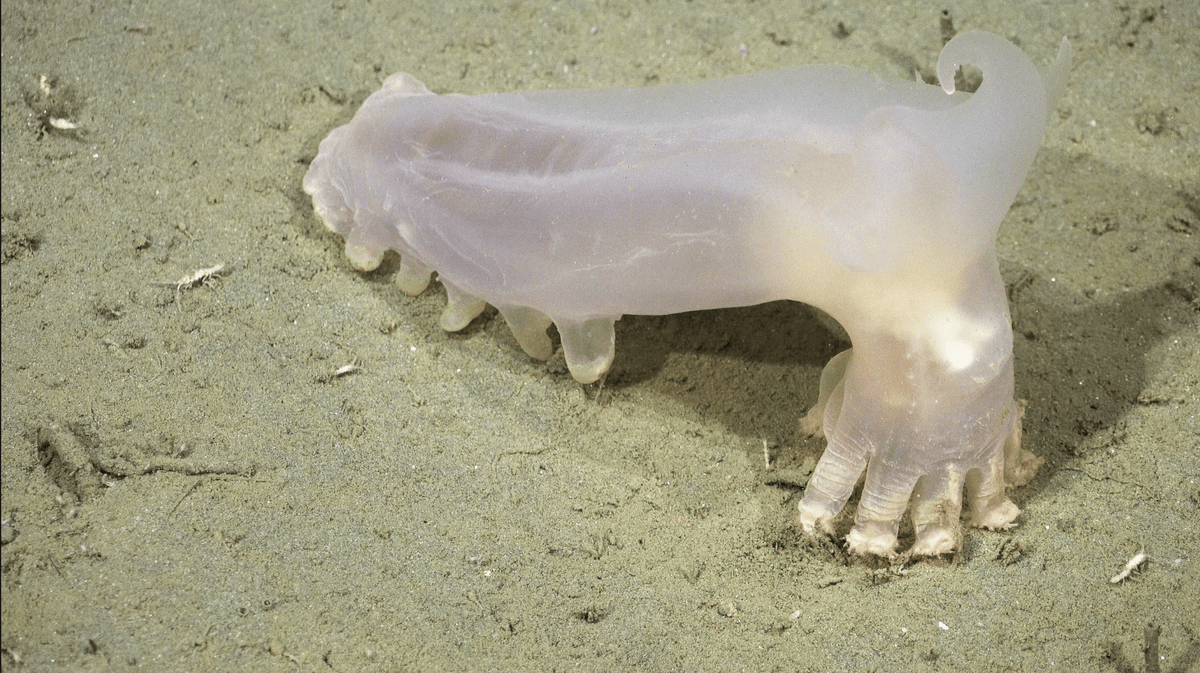
An impressive deep-sea holothurian – nicknamed ‘Loki’ for its horn-like appendages that resemble the Norse god’s hat – was one of up to 10 new sea cucumbers discovered. It’s been added to the genus Peniagone.
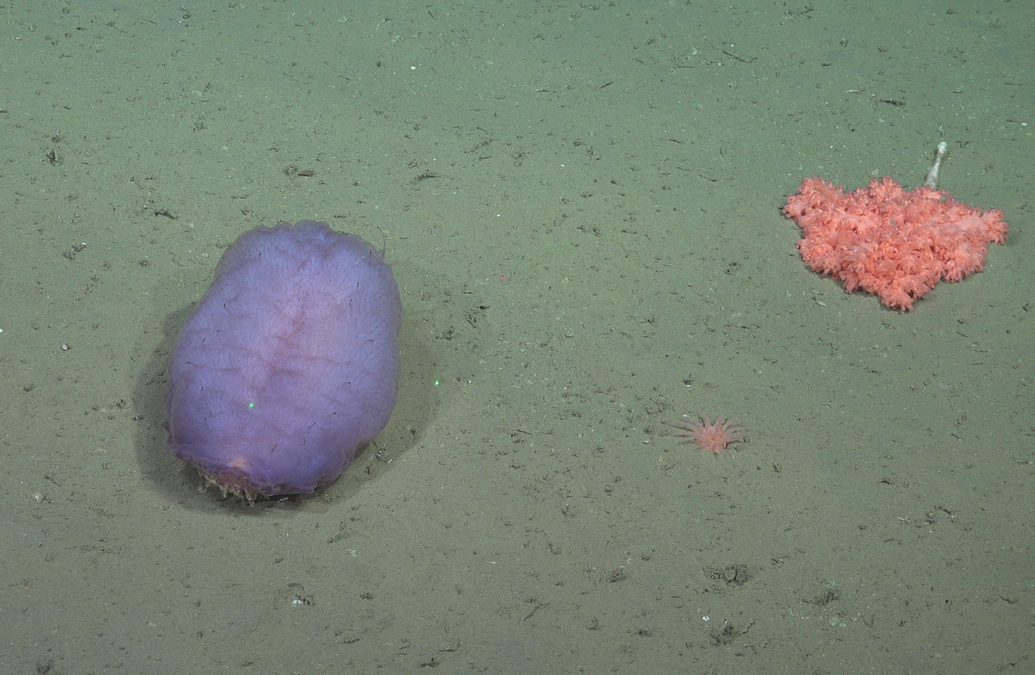
This vivid purple sea cucumber is a newcomer to the genus Benthothuria.
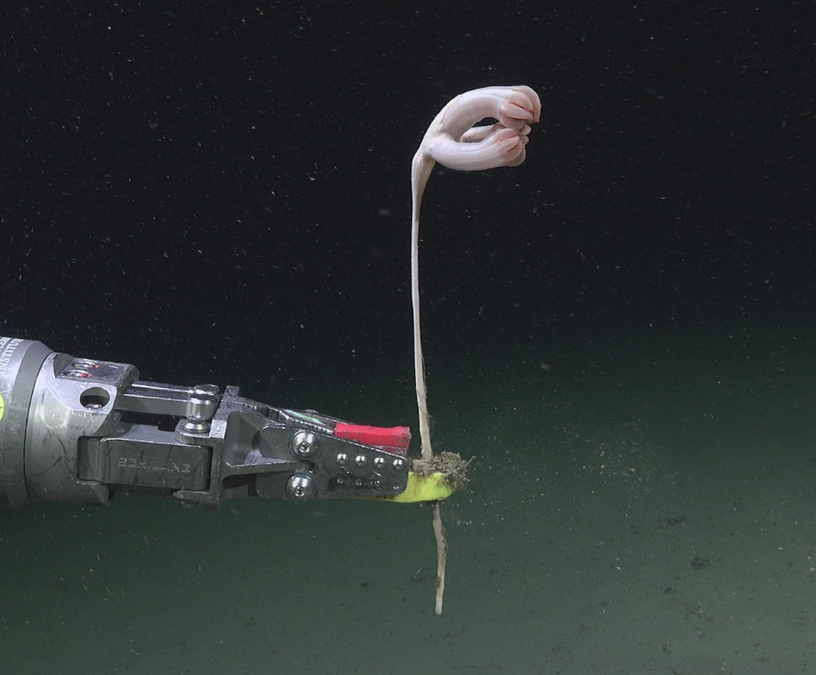
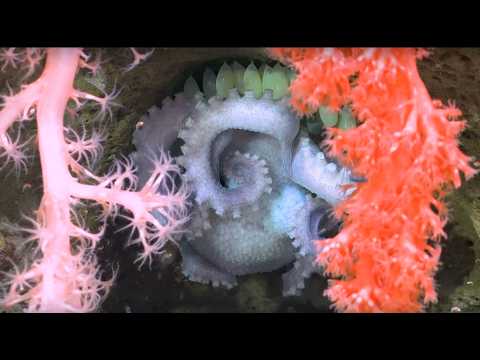
Here’s one of the new sea pen species. Sea pens are strange filter-feeding animals. They look a lot like plants, but each sea pen is actually a coral colony, made up of multiple polyps.
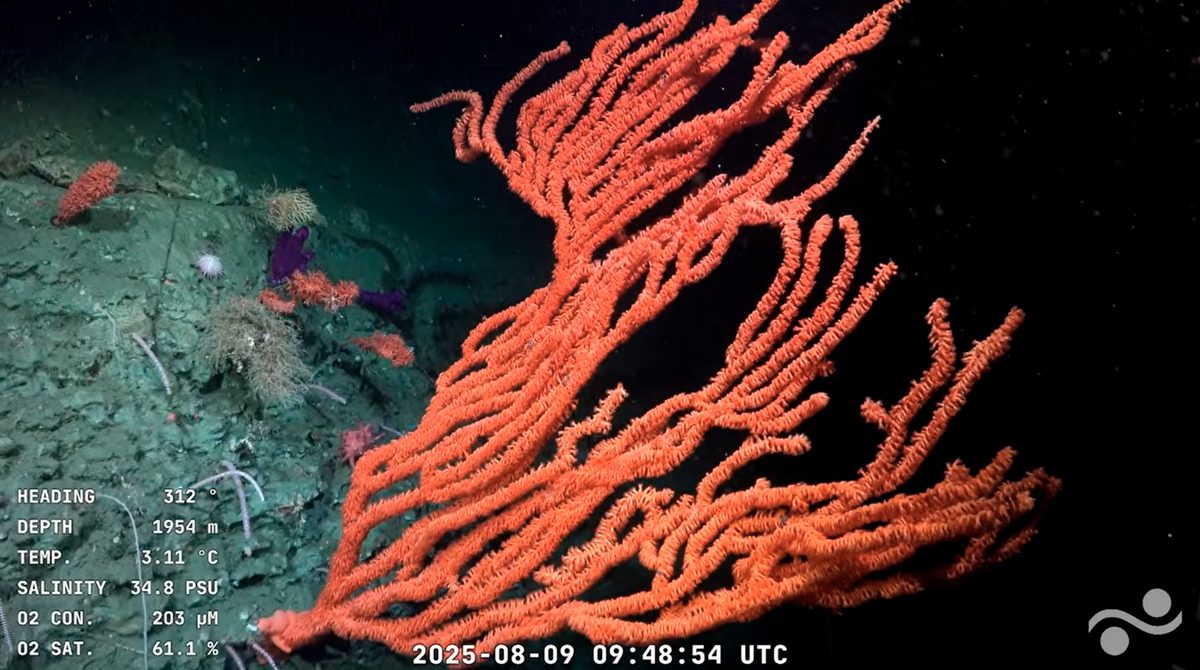
This octocoral, with its branching structures, looks a bit more familiar, though it too is an entirely new species.
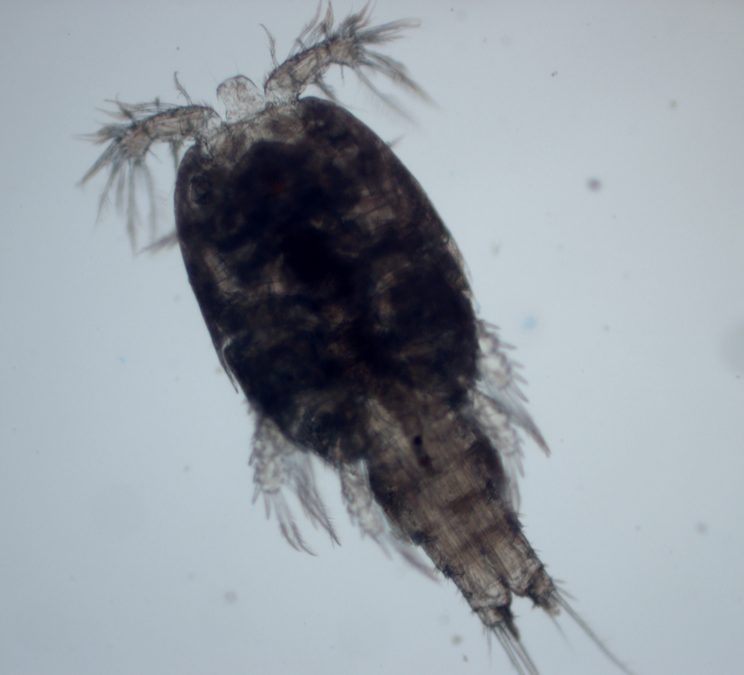
Some of the new species were much smaller, like this copepod, which is a type of crustacean. Every single copepod the biologists examined during the taxonomy sprint was new to science, contributing 20 new species and one new genus to the total.
From these tiny bug-like critters to the elaborate Loki sea cucumber, these discoveries are a reminder of just how much more we have to learn about life on Earth.
“The deep sea holds some of the least understood ecosystems on Earth,” says Michelle Taylor, head of science for Ocean Census.
“By identifying new species, these scientists have advanced our understanding of South Atlantic marine life and, via Ocean Census, ensured that this data is accessible globally,” Virmani adds.
This article was fact-checked by Fiona MacDonald and edited by Fiona MacDonald. While we pride ourselves on our process, we are only human. If you spot a mistake, please let us know.

