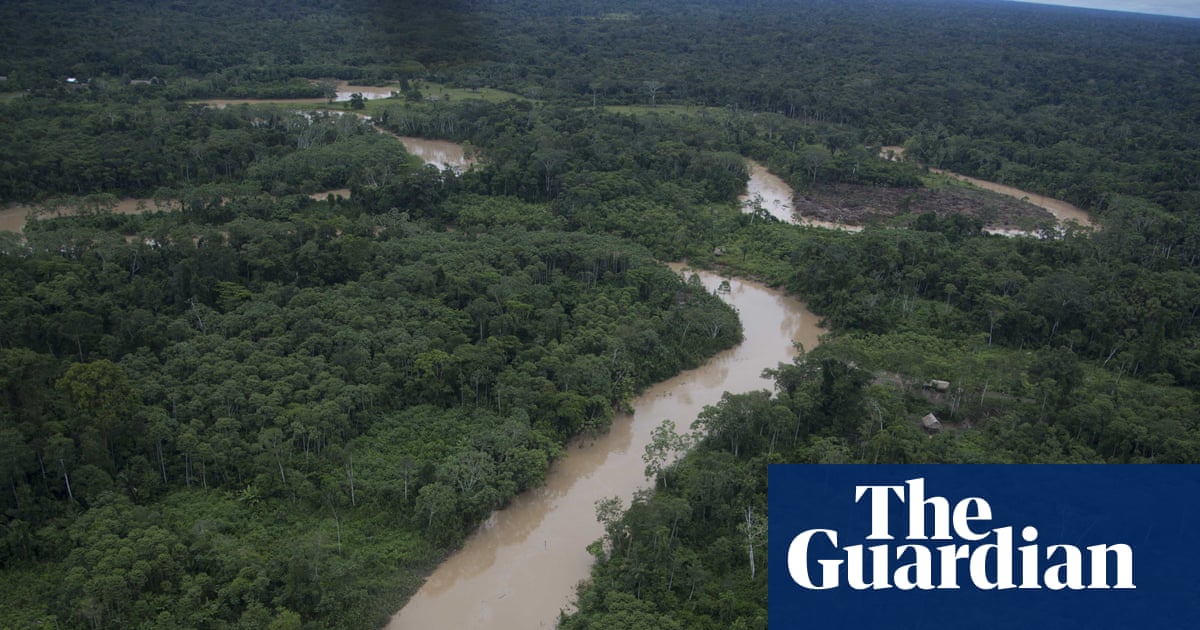
Перу улсын Ашанинка бүс нутагт хэрэгжүүлсэн туршилтын хөтөлбөр нь уугуул иргэдийн амьжиргааг дээшлүүлэхийн зэрэгцээ ширэнгэн ойг хамгаалахад үр дүнтэй байгааг Батын их сургуулийн судалгаа харууллаа.
“Cool Earth” олон улсын байгууллагаас хоёр жилийн хугацаанд явуулсан уг төслөөр 211 хүнд нөхцөл болзолгүйгээр мөнгөн тэтгэмж олгосон байна. Судалгаанд хамрагдсан иргэдийн 90 орчим хувь нь ойн цэвэрлэгээ, усны эх үүсвэрийг нөхөн сэргээх, ойг шатаах үйлдлийг багасгах зэрэг байгаль орчинд ээлтэй арга хэмжээг хэрэгжүүлж эхэлжээ. Түүнчлэн хүнсний аюулгүй байдал сайжирснаар хууль бусаар мод бэлтгэх болон байгаль орчны гэмт хэрэгт холбогдох эрсдэл буурсан байна.
Судалгааны багийн дүгнэснээр, иргэдийн эдийн засгийн бие даасан байдал нь тэдний амьдарч буй экосистемийг хамгаалах чадавхийг нэмэгдүүлж байна. Мөн ажил хайж хот руу шилжин суурьших иргэдийн тоо 43 хувиас 18 хувь хүртэл буурсан нь нутгийн иргэд өөрсдийн газар нутгаа хамгаалан үлдэх боломжийг бүрдүүлжээ.
Гэвч зарим судлаачид бэлэн мөнгөн тэтгэмж нь хөдөө аж ахуйг өргөжүүлэх эсвэл тээврийн хэрэгсэл худалдан авахад зарцуулагдаж, улмаар зам барилгын ажил нэмэгдэн ой модыг сүйтгэх эрсдэлтэйг анхааруулж байна. Судлаачид энэхүү туршилт нь ойн хамгаалал болон уугуул иргэдийн эрхийг хүндэтгэх шинэ жишиг тогтоож буйг онцлоод, илүү өргөн хүрээтэй судалгаа хийх шаардлагатайг тэмдэглэжээ.
Дэлгэрэнгүйг эх сурвалжаас харах
↓Эх сурвалжийг нээх ↓
A pioneering project to provide Indigenous people in the Peruvian Amazon with an unconditional basic income has contributed to the protection of the rainforest, according to a study.
The analysis from the University of Bath is expected to contribute to a growing debate about the role of direct payments to communities that maintain globally important ecosystems.
A two-year pilot managed by the UK-based charity Cool Earth gave 211 people in three communities in Peru’s Asháninka region six cash transfers of 1,032 Peruvian soles each – roughly equivalent to £2 a day – to spend as they wished.
Over the course of the trial, researchers found almost 90% of participants adopted environmentally beneficial practices, such as collective reforestation, restoration of critical water sources and reductions of forest burning.
They also noted a reduction in food insecurity, which can sometimes prompt forest people to start logging or become involved in environmental crimes. Households unable to afford nutritious food fell from 73% to 26%.
Another reported benefit was reduced migration, with the share of participants forced to leave their homes to find work falling from 43% to 18%. Researchers said this allowed more people to remain and protect the forest.
Dr Nick Langridge, a co-author of the report, said: “The findings suggest that when communities have greater security and autonomy, they are better able to protect the ecosystems they depend on.”
There is increasing recognition of the importance of Indigenous stewardship of the Amazon and other biomes that sequester carbon, shelter biodiversity and provide vital ecological services to the planet. But this role is increasingly difficult as Indigenous lands are threatened by miners, loggers, farmers and land grabbers, and as many of the young people of these often economically poor communities are exposed to the internet or lured away to wealthier cities.
How to sustain, encourage and reward Indigenous stewardship is a hot debate in the international aid and environmental community. Many previous payment schemes came with strings attached, such as the Brazilian government’s bolsa família, which has child education obligations, or bolsa verde, which has conservation activity requirements.
The authors of the new study say the project – which was drawn up with local women’s groups – is the first to offer an unconditional basic income to an Indigenous community in the Amazon.
The lead author, Dr Neil Howard, said: “All of this helps ethical conservation. The incentive to exploit or abandon land is diminished, and people are put front and centre with respect and dignity, which contrasts sharply with the colonial history of conservation and Indigenous policy.”
after newsletter promotion
To boost the impact, the project delivered a voluntary “cash plus” complementary programme of community-led education on finance, conservation and climate change.
Other academics are more cautious about the environmental impacts of cash transfers, pointing out that similar studies elsewhere have found they can lead to an increase in deforestation as people use the extra cash to expand agriculture.
In some parts of the Amazon, cash payments are used to buy motorbikes and cars, which increases demand for more roads. There are also reports of Indigenous communities becoming more exposed to drugs when they visit cities to collect transfers.
The authors of the new report acknowledge that wider research is needed on the ecological impacts of unconditional basic income. Their two-year study was small, covering little over 500 hectares (1,235 acres) of forest. They did not measure changes in vegetation or soil quality, nor account for the influence of any separate projects that might have been affecting community behaviour.
Despite these limitations, they say the early results have excited the cash-for-conservation network of civil society organisations.
“Yes, this is an experimental pilot and and we could do with something much larger,” Howard said. “But this is very pioneering. My hope is that the trade-off between scale and innovation tips in this direction.”

