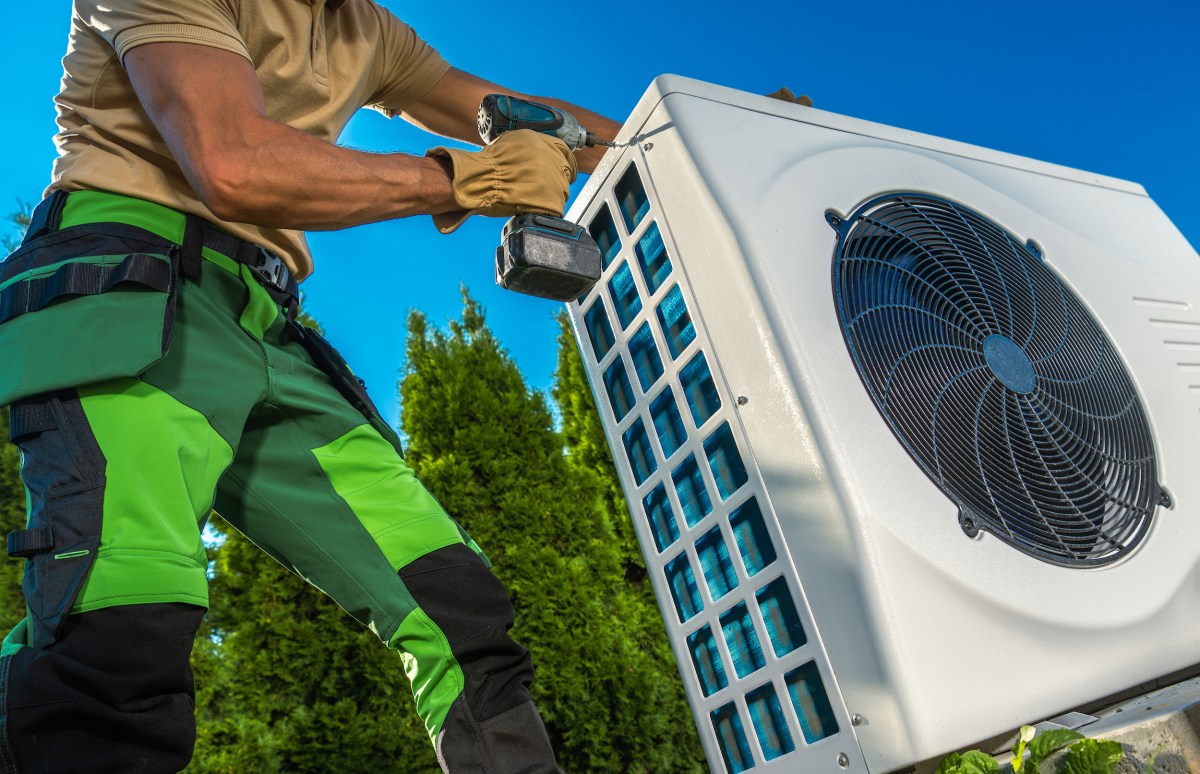
Тус компани нь хөргөгч болон дулааны насосны үр ашгийг 20 хувиар нэмэгдүүлэх чадалтай, хатуу төлөвт хөргөлтийн шинэ технологийг хөгжүүлж байна.
Хөргөлтийн салбарт удаан хугацаанд ашиглагдаж ирсэн хийн хөргөгч бодисууд нь озоны давхарга болон уур амьсгалд сөрөг нөлөөтэй байдаг. Үүнийг шийдвэрлэх зорилгоор Адам Славнейн үүсгэн байгуулсан Pascal стартап нь хатуу төлөвт хөргөлтийн шинэ аргыг нэвтрүүлж байна. Тэдний технологи нь нүүрстөрөгчийн давхар ислийг тусгай нүх сүвэрхэг материал бүхий картрижид шахаж, энерги шилжүүлэх замаар хөргөлтийн үйл явцыг гүйцэтгэдэг аж.
Тус стартап Sazze Partners болон LB Investment тэргүүтэй хөрөнгө оруулагчдаас 8.5 сая долларын санхүүжилт татжээ. Энэхүү санхүүжилт нь компани томоохон ундаа үйлдвэрлэгч компанитай хамтран туршилтын төсөл хэрэгжүүлэх гэрээ байгуулсны дараа хийгдсэн байна. Славнейн хэлснээр, уг технологи нь одоогийн хөргөлтийн системүүдээс 20 орчим хувиар илүү үр ашигтай байх боломжтой юм.
Pascal компани ирэх оны эхээр анхны прототипээ танилцуулахаар төлөвлөж байгаа бөгөөд 2028 онд зах зээлд бэлэн бүтээгдэхүүнээ гаргахаар зорьж байна. Уламжлалт хөргөлтийн системүүдтэй нийцтэй, хямд өртгөөр үйлдвэрлэх боломжтой энэхүү шийдэл нь хөргөлтийн салбарт томоохон өөрчлөлт авчирна гэж үүсгэн байгуулагчид үзэж байна. Тус материалын бат бөх чанарыг 300,000 удаагийн циклээр туршиж баталгаажуулсан байна.
Дэлгэрэнгүйг эх сурвалжаас харах
↓Эх сурвалжийг нээх ↓
When the experimental results came back, they puzzled Adam Slavney. He had been testing a new class of materials for more efficient refrigerators, air conditioners, and heat pumps, a mission that the cooling appliance industry has been on for eons. The measurements for the materials that Slavney was testing shouldn’t have been different, but they were.
“Why are these things different? What did we change?” he told TechCrunch. “We had an inkling of it in within three-ish months, but we didn’t have definitive proof for a year or two.”
That proof is now underpinning Slavney’s startup, Pascal, where he’s co-founder and CEO. The company recently raised $8.5 million in a follow-on to its seed round, co-led by Sazze Partners and LB Investment with participation from KDB Silicon Valley, the company exclusively told TechCrunch.
A refrigerator or heat pump using Pascal’s material promises to be around 20% more efficient than existing models, he said. (Both heat pumps and refrigerators use the same basic technology.) The startup has signed a contract with a multinational beverage company for a pilot of the technology.
“This whole funding round came together originally because we got a customer contract earlier than we were expecting to,” Slavney said. Pascal is on track to deliver its first prototype early next year, while the first batch of more polished refrigerators will follow in 2028.
Scientists have been searching for better refrigerants for almost as long as refrigerators have existed. More recently, they’ve been looking for compounds that don’t harm the atmosphere in one way or another. They exist, but they also need to be at least as effective as existing refrigerants.
“We’ve been playing whack-a-mole with refrigerants for 35 years, 40 years,” Slavney said. Older gaseous refrigerants like Freon ate a hole in the ozone layer, while newer ones like R-134a are still extremely potent greenhouse gases. “It’s just a never-ending treadmill,” he said.
One alternative that has attracted researchers’ attention is a class of materials known as solid-state refrigerants. Because they’re solid, they can’t escape to the atmosphere, eliminating the climate and ozone concerns that haunt modern refrigerants. Solid-state refrigerants promise to make refrigerators and heat pumps more efficient. They work similarly to traditional refrigerants, giving off heat when squeezed and absorb it when that pressure is released.
Before his serendipitous discovery, Slavney and his colleagues at Harvard University had been researching the materials. “We wanted to do some high-pressure measurements, and the instrument that we were using required us to use gas. So we used the gas and then we swapped to a different gas and we were like, why are these different?” Slavney said.
After numerous additional experiments, the team realized they had discovered another path toward solid-state refrigeration. Rather than squeeze a solid block of material, Pascal’s heat pumps compress a gas — carbon dioxide —into a cartridge that contains a sponge-like material, which Slavney said is proprietary.
As the carbon dioxide works its way into the porous material, the gas molecules inside the pores start bouncing off the walls. Those collisions transfer energy to the material, warming it up. A radiator then exhausts some of that heat. Run it in reverse and the material absorbs heat from the radiators and transfers it to the carbon dioxide molecules.
In a Pascal refrigerator, two cartridges are running at any given time. One is absorbing heat from the inside of the refrigerator, transferring it to the carbon dioxide, while the other takes the heat from the carbon dioxide and transfers it to the outside air. Eventually, the cartridges become too hot and too cold, so the flow gets reversed.
“The material is very robust,” Slavney said. “We’ve cycled it up to 300,000 times. It’s the equivalent of a year or so in operation.”
The material also moves heat more effectively than other solid-state refrigerants, which means that Pascal doesn’t have to operate at high temperatures like other solid-state refrigerants might demand.
“We’re using conventional systems to do it,” Slavney said. “That mean we believe we can make it cheap, and that means we can make it widespread.”
When you purchase through links in our articles, we may earn a small commission. This doesn’t affect our editorial independence.

