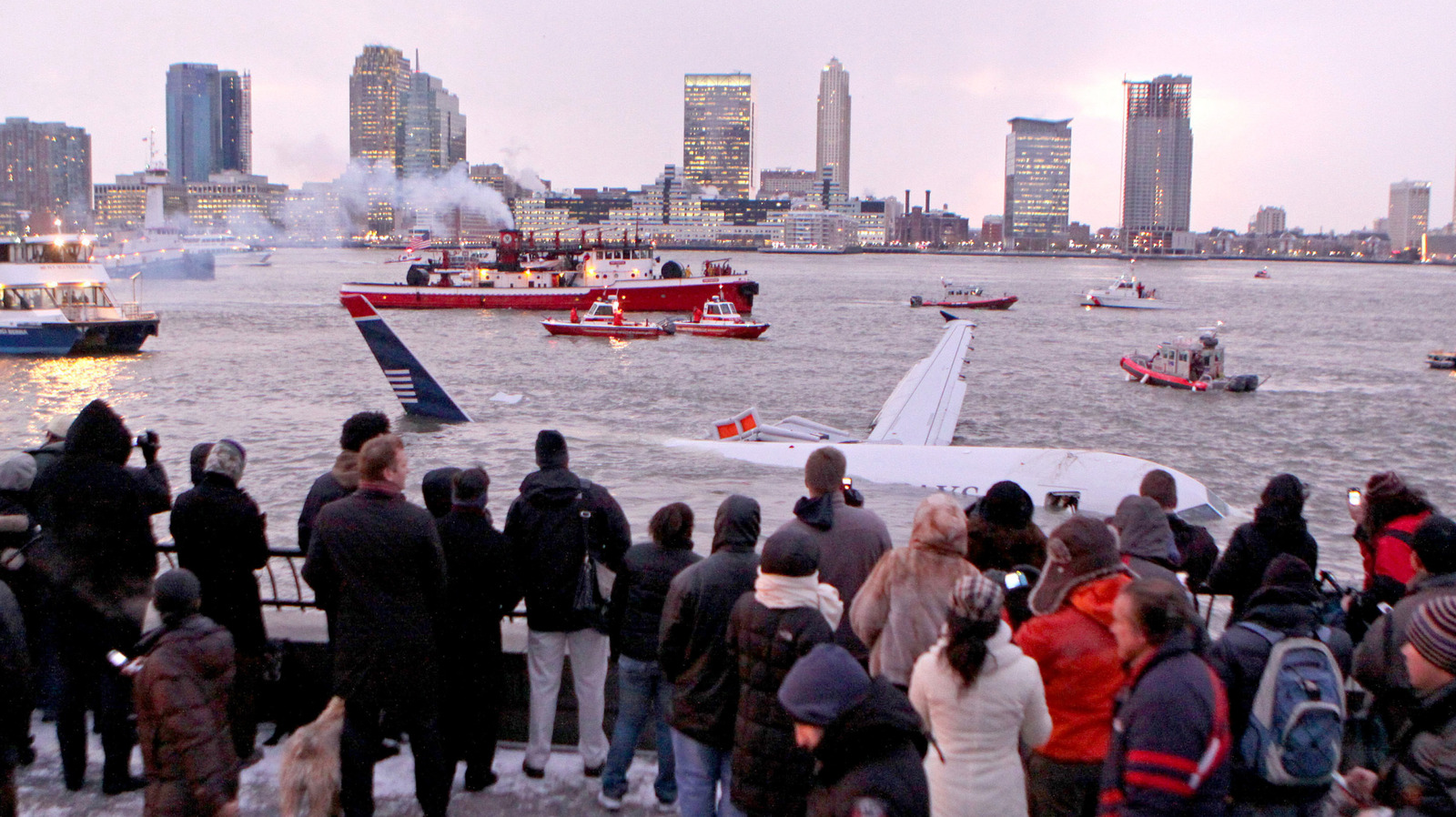
Нисэх онгоцны усан дээрх хяналттай буулт буюу “ditching” ажиллагаа нь нисгэгчийн ур чадвараас гадна агаарын хөлгийн бүтцийн бүрэн бүтэн байдлыг хадгалахад чиглэсэн нарийн төвөгтэй үйл ажиллагаа юм.
Нисэхийн салбарт “ditching” гэж нэрлэгддэг усан дээрх ослын буулт нь онгоцны жолоодлогыг бүрэн алдсан ослоос ялгаатай, нисгэгчийн хяналттай үйлдэл юм. Буулт хийх үед хамгийн гол сорилт нь нисэх онгоцны хурдыг эрс бууруулж, усан гадаргуутай зөөлөн шүргэлцэхэд оршдог. Энэ үед онгоцны их биеийн бүтцийг гэмтээхгүй байх нь ус нэвчихээс сэргийлэх, зорчигчдын аюулгүй байдлыг хангах гол нөхцөл болдог. Airbus A320 зэрэг орчин үеийн агаарын хөлгүүд нь усан дээр буух үед гадны ус нэвтрэхээс сэргийлэх тусгай системээр тоноглогдсон байдаг.
Далай тэнгис зэрэг нээлттэй усанд буулт хийх нь гол мөрнийг бодвол илүү өндөр эрсдэлтэй бөгөөд давалгааны чиглэл, салхины хүчийг тооцоолохыг шаарддаг. Нисгэгч нь давалгааны чиглэлтэй параллель байдлаар буулт хийх замаар онгоц эргэх, хөмрөх эрсдэлийг бууруулах ёстой. Агаарын хөлөг усан дээр буусны дараа их биеийн ачааны хэсэгт үлдсэн агаарын бөмбөлгүүд нь богино хугацаанд хөвөх чадварыг хангадаг бөгөөд ихэнх тохиолдолд 90 секунд орчим хугацаанд зорчигчдыг аврах ажиллагааг зохион байгуулах шаардлагатай болдог.
Нисэхийн салбарын судалгаагаар дэлхий даяар жилд дунджаар 12-15 удаагийн усан дээрх ослын буулт бүртгэгддэг байна. 1962 онд болсон “Flying Tiger” компанийн онгоцны ослын дараах туршлагаас суралцаж, одоогийн байдлаар аврах завь болон хантаазыг илүү тод гэрэлтүүлэгтэй, хоёр тал нь ашиглах боломжтой болгож сайжруулжээ. Хэдийгээр ийм нөхцөл байдал ховор тохиолддог ч орчин үеийн агаарын тээврийн аюулгүй байдлын стандарт нь осол гарах магадлалыг эрс бууруулж, зорчигчдын аюулгүй байдлыг нэн тэргүүнд тавьж байна.
Дэлгэрэнгүйг эх сурвалжаас харах
Эх сурвалжийг нээх ↓
The aviation term used to describe a controlled water landing is “ditching.” This is different from a “crash,” which indicates the pilot lost control. When ditching, the first challenge is to slow the aircraft’s speed dramatically and bring it down as gently as possible. The highly publicized event of U.S. Airways Airbus A320 ditching into the Hudson River in 2009 showcased significant pilot skill under pressure. The man behind the controls, Captain “Sully” Sullenberger, touched the tail down into the water first, dramatically slowing the speed of the plane before full impact.
One of the primary goals when ditching is to prevent significant structural damage to the aircraft, not only for the passengers’ physical safety, but to limit as much water incursion as possible. In addition, the crew must close intake vents prior to touchdown, which can allow water inside. Some aircraft, like the Airbus A320, feature a dedicated ditching control, which triggers components open to the exterior to seal.
Once in the water, air pockets are created in the fuselage in places like the cargo area, which help keep the plane afloat. However, even in the best-case scenarios, buoyancy is short-lived. Commercial jets strive for at least 90 seconds of flotation, just enough time to get everyone off the plane before it sinks.
Ditching in the ocean presents additional challenges
Piola666/Getty Images
While a successful emergency landing in a river or lake requires masterful control of the aircraft from expert pilots, the ocean raises the difficulty significantly. Unpredictable swells and intense winds, for example, put a pilot in a situation where certain factors are simply out of their control. Nevertheless, a pilot must orient the aircraft so the waves are parallel, reducing the chance of a swell catching a crestand spinning the plane.
The remote nature of ocean ditching makes it especially dangerous, because landing is only the first hurdle to overcome. According to the National Air and Space Museum, many passengers who perish in a ditching event don’t do so during the landing, but instead succumb to drowning or exposure afterward. Rescue crews can’t reach survivors in remote ocean waters as quickly as they can in a situation occurring in a lake or river.
One terrifying example was the Flying Tiger Flight 923, which had to ditch 500 miles west of Ireland following a series of catastrophic engine trouble in 1962. Icy waters, 20-foot-high waves, and winds whipping around at 50 mph caused severe structural damage on impact. All but one life raft was taken away by the wind, and the one remaining was deployed upside down, blocking access to survival equipment. For hours, huddled survivors endured, with rescuers unable to see them amid the relentless conditions. Fortunately, as a result of this incident, life rafts are nowreversibleand can’t be deployed upside down. In addition,lights are now included on both rafts and life jackets for better visibility.
How safe is air travel and how often are aircraft forced to ditch
DJ Creative Studio/Shutterstock
Despite the fact that as many as 40% of Americans harbor a fear of air travel, per The Hill, modern commercial aircraft are safer than ever before. Even when looking at which airlines have the worst record for plane crashes globally, while still tragic, they register a much smaller number of incidents than you might think.Research data fromMITshows that commercial passenger deaths were 1 for every 350,000 who boarded in 1968 and, by 2022, were 1 for every 13.7 million who boarded.
However, emergency situations can’t be eliminated entirely and, in rare cases, require an aircraft to attempt an emergency water landing. Those wondering why airplanes don’t carry parachutes for passengers in these types of scenarios need only consider things like lack of trainingand scattering survivors over a wide areaamong the potential problems.
According to the National Air and Space Museum, there are between 12 and 15 incidents annually across aviation (not just commercial airliners) where a pilot must ditch over a body of water. If that figure sounds high, keep in mind the staggering number of flights taking place every day across the world without incident, making the chances of experiencing this situation extremely slim.

