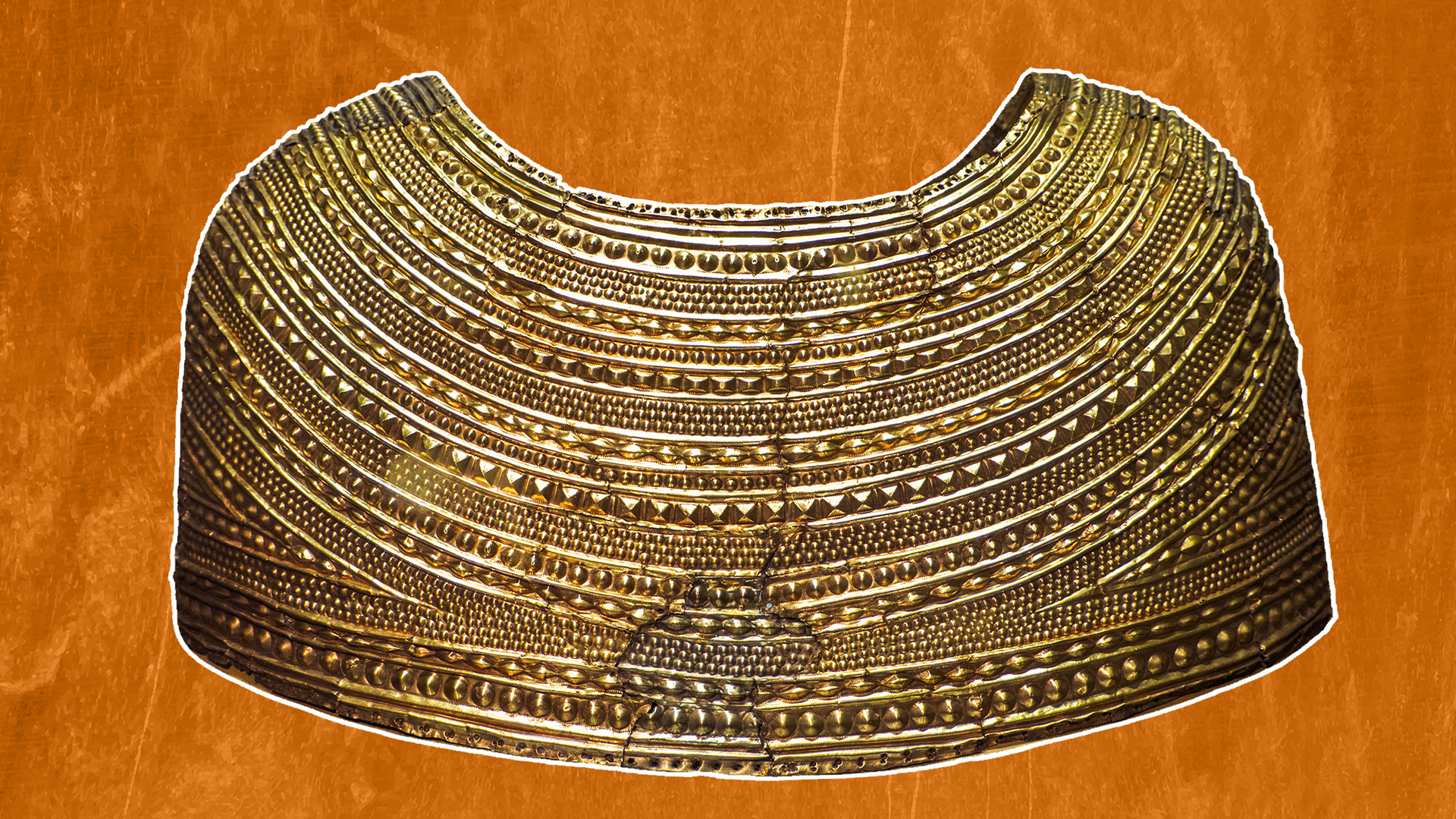
Уэльсийн Молд хотын ойролцоогоос 1833 онд олдсон энэхүү ховор олдвор нь эртний шашны эрх мэдэл эсвэл ёслолын зориулалттай эд зүйл байж болзошгүй гэж судлаачид үзэж байна.
1833 онд Уэльсийн Молд хотын ойролцоох “Гоблинс Хилл” хэмээх газарт чулуу олборлогчид эртний булш илрүүлжээ. Чулуун ханатай уг булшнаас бутарсан араг яс болон хүрэл зэвсгийн үед (МЭӨ 1900-1600 он) хамаарах алтан нөмрөг олдсон байна. Энэ нь урьд өмнө олдож байсан хамгийн гайхамшигтай эртний алтан эдлэлийн нэгд тооцогддог бөгөөд одоо Британийн музейд хадгалагдаж байна.
Британийн музейн судлаач Бенжамин Робертсын мэдээлснээр, уг нөмрөгийг анх олдсон үед нь цэргийн жанжин эсвэл шашны тэргүүний өмссөн хувцас хэмээн таамаглаж байжээ. Гэвч уг эдлэлийн хэмжээ нь тун жижиг буюу 23.5 см өндөр, 46.5 см өргөн тул эмэгтэй хүн эсвэл хүүхдэд зориулагдсан байх магадлалтай аж. 560 грамм жинтэй энэхүү нөмрөгийг ойролцоогоор ширээний теннисний бөмбөгтэй тэнцэх хэмжээний алтан гулдмайг давтаж хийсэн байна.
Нөмрөгийн гадаргууг бөмбөлөг хэлбэртэй хээгээр чимэглэсэн бөгөөд булшнаас олдсон хэдэн зуун хув болон арьсан доторлогооны үлдэгдэл нь уг эдлэлийг анх илүү тансаг харагдуулдаг байсныг гэрчилнэ. Энэхүү нөмрөг нь хүний гарны хөдөлгөөнийг хязгаарладаг тул өдөр тутмын хэрэглээнд бус, зөвхөн ёслолын үеэр өмсдөг шашны эрх мэдлийг илтгэх хэрэгсэл байсан байх талтай. Гэвч булшнаас олдсон араг ясны үлдэгдэл 19-р зуунд бүрэн хадгалагдан үлдээгүй тул уг эдлэлийг хэн өмсөж байсныг тодорхойлох боломжгүй хэвээр байна.
Дэлгэрэнгүйг эх сурвалжаас харах
↓Эх сурвалжийг нээх ↓
Name: Mold gold cape
What it is: A hammered gold accessory
Where it is from: Bryn yr Ellyllon (Goblins’ Hill), Wales
When it was made: Circa 1900 to 1600 B.C.
In 1833, stone quarry workers discovered an ancient burial mound at Goblins’ Hill near the town of Mold in Wales. At the center was a stone-lined grave that contained a fragmented skeleton and a gold, cape-like accessory that had been crushed over time. The Mold gold cape has a unique shape and style, and it is one of the finest examples of prehistoric goldwork ever found, according to the British Museum, where the artifact is on display.
The cape dates to Britain’s Early Bronze Age (2500 to 1200 B.C.), a time that saw a metalworking revolution as artisans shifted from crafting flint tools to making weapons and jewelry out of gold, copper and bronze.
When the cape was originally unearthed, experts assumed that it had belonged to an ancient warrior, chief or religious leader, due to the spectacular design of the object, Benjamin Roberts, then curator for the European Bronze Age collections at the British Museum, told the BBC in 2010. But after the broken pieces of the cape were put back together, the small size of the artifact suggested it may have been worn by a woman or a child.
The Mold gold cape measures roughly 9.3 inches (23.5 centimeters) tall and 18.3 inches (46.5 cm) wide. It weighs about 1.2 pounds (560 grams) and was probably crafted from a single lump of gold about the size of a ping-pong ball.
The gold ingot was beaten incredibly thin, fashioned into a cape, and then embellished with decorations that mimicked beads or necklaces, according to the British Museum. Additionally, several hundred amber beads were found on the cape in the grave, which likely added to the gilded appearance of the accessory. Perforations around the neck opening suggest the cape originally had a lining made of leather or another perishable material that did not survive.
Because the gold cape, when worn, would restrict a person’s upper arm movements, it may have been a ceremonial accessory that conferred religious authority and was worn only on special occasions. But experts are still unsure why the cape was buried in a grave. Nor can they confirm whether the person it was interred with was male or female, as the skeleton was not recovered by the quarry workers in the 19th century.
“The cape is unique — there is really nothing to compare it to in the whole of Europe,” Roberts told the BBC. “This makes it more difficult to understand why it was made and what significance it had.”
For more stunning archaeological discoveries, check out our Astonishing Artifacts archives.
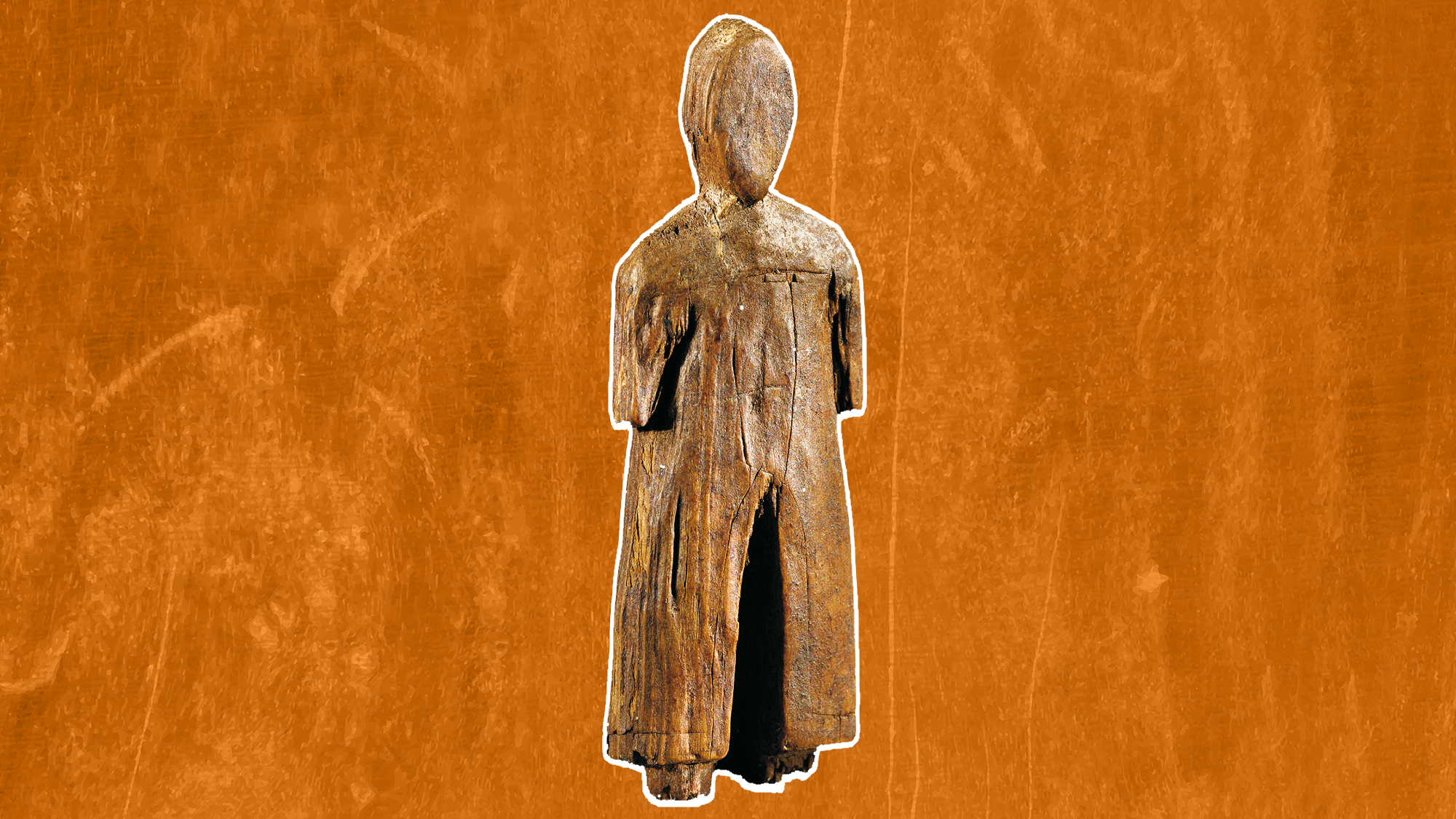
Inuit Figurine
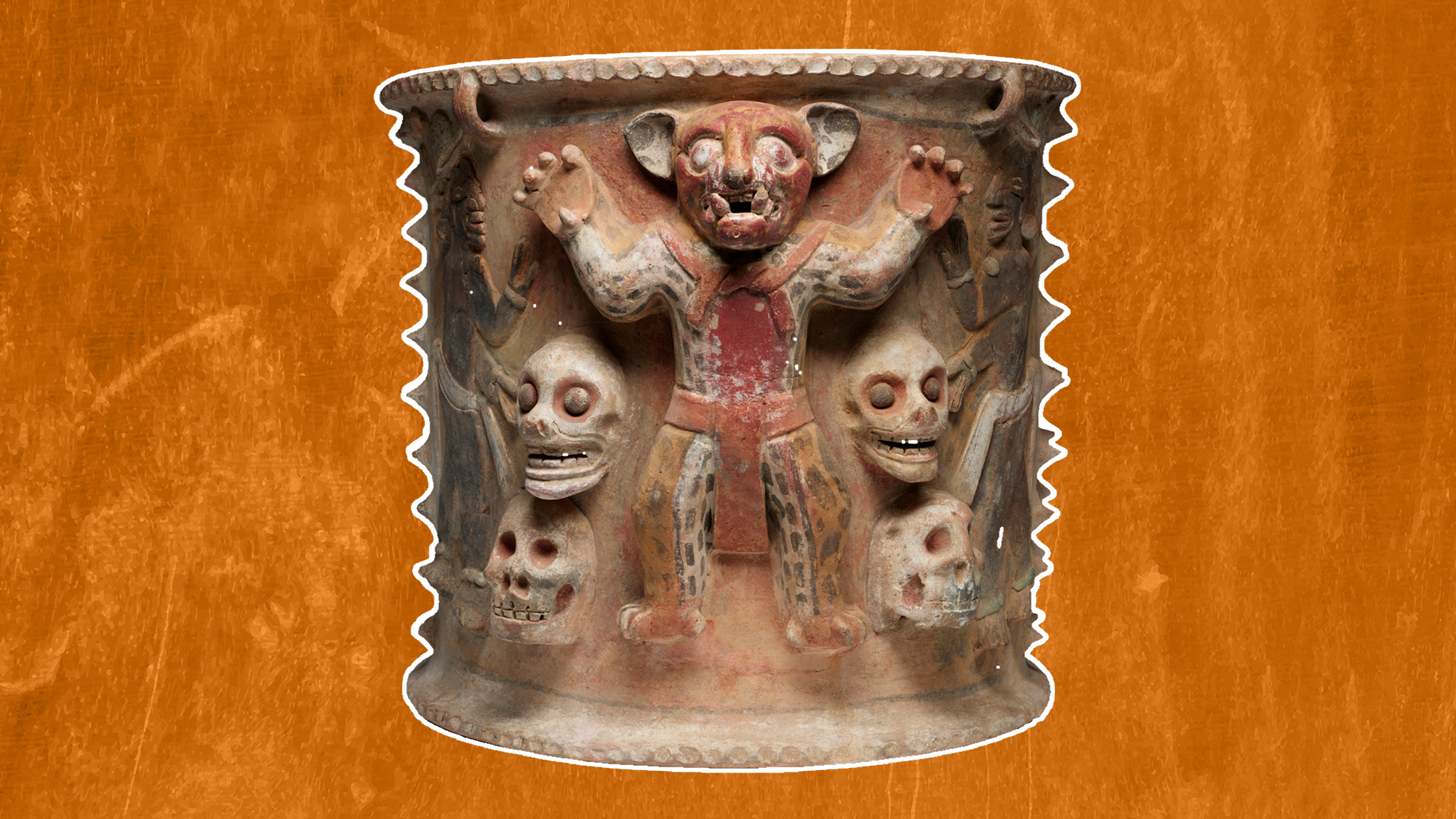
Maya Death Urn
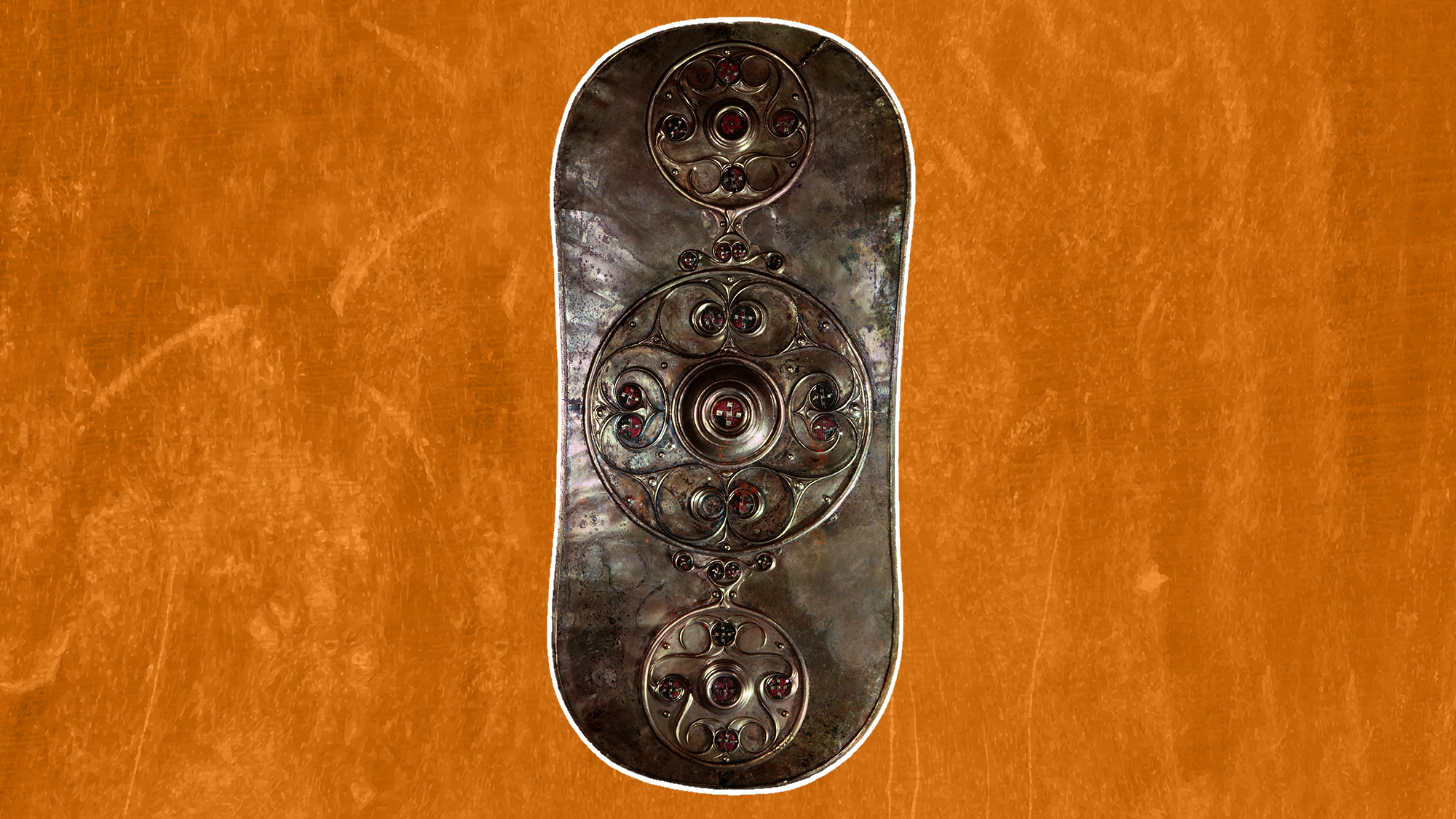
Battersea Shield
Can you put together last week’s Astonishing Artifact?

