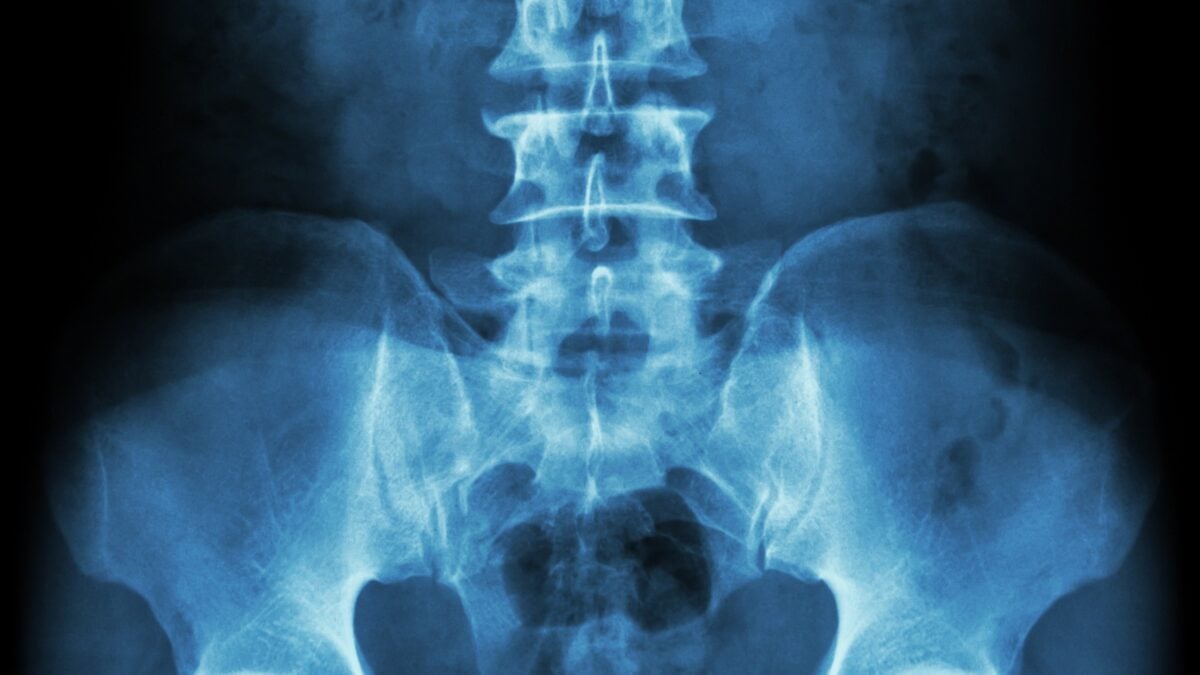
Эстроген дааврын эмчилгээнд тестостероныг нэмснээр зөвхөн эстроген хэрэглэхээс илүүтэй ясны нягтралыг хамгаалах боломжтой гэсэн судалгааны үр дүн гарчээ.
Тестостероныг уламжлал ёсоор “эрэгтэй” даавар гэж үздэг ч энэхүү өрөөсгөл ойлголт нь цэвэршилтийн дараах эмэгтэйчүүдийн эрүүл мэндийн тусламж үйлчилгээнд сөргөөр нөлөөлж болзошгүй байна. University of Southern California-ийн судлаач Сона Дэвис болон түүний баг цэвэршилтийн дараах 51 эмэгтэйг хамруулан судалгаа хийжээ. Оролцогчид нэг жилээс дээш хугацаагаар зөвхөн эстроген, эсвэл эстроген ба тестостероны хавсарсан эмчилгээг тус тус хийлгэж, ясны нягтралаа рентген шинжилгээгээр хянуулсан байна.
Судалгааны урьдчилсан дүнгээр, зөвхөн эстроген хэрэглэх нь ясны нягтралыг тогтвортой байлгаж байсан ч мэдэгдэхүйц өсөлт үзүүлээгүй аж. Харин эстроген болон тестостероныг хавсарч хэрэглэхэд нурууны ясны нягтрал нэмэгдсэн байна. Энэхүү үр дүнг 2026 оны аравдугаар сард Сан Диего хотод болсон The Menopause Society-ийн жилийн хурлаар танилцуулсан бөгөөд тестостерон нь эстроген даавартай харилцан үйлчилж, ясны бүтцэд эерэг нөлөө үзүүлдэг байж болзошгүй гэж судлаачид дүгнэжээ.
Одоогоор энэхүү судалгааны үр дүн нь хянан магадлагаа бүхий эрдэм шинжилгээний өгүүлэлд нийтлэгдээгүй байна. Түүнчлэн ясны нягтрал нэмэгдэх нь яс хугарах эрсдэлийг бууруулахад хангалттай эсэх нь тодорхойгүй байгаа тул цаашид илүү өргөн хүрээтэй, урт хугацааны судалгаа шаардлагатай гэж эрдэмтэд үзэж байна. Тестостерон дааврын эмчилгээ нь эрэгтэйчүүдийн ясны эрүүл мэндэд үр дүнтэй болох нь тогтоогдсон ч эмэгтэйчүүдийн хувьд энэ чиглэлийн нотолгоо хараахан хангалтгүй байгаа юм.
Эмэгтэйчүүдийн цэвэршилтийн дараах үеийн ясны алдагдалд эстроген дааврын бууралт гол нөлөөтэй гэж үздэг боловч тестостероны үүрэг оролцоог судлах нь хувь хүний онцлогт тохирсон эмчилгээг бий болгоход чухал ач холбогдолтой юм. Цаашид энэ төрлийн даавар орлуулах эмчилгээний эрсдэл болон ач тусыг эмч, өвчтөнүүд нарийн хяналттайгаар үнэлэх шаардлагатайг мэргэжилтнүүд зөвлөж байна.
Дэлгэрэнгүйг эх сурвалжаас харах
↓Эх сурвалжийг нээх ↓
Testosterone has historically been considered a ‘male’ sex hormone, but that outdated notion may be preventing better treatments for post menopausal women.
Along with estrogen, the ovaries also produce testosterone, and this overlooked androgen could be part of the reason why bone is lost in older age.
A small new study has found that adding testosterone to hormone replacement therapy may protect bone density more than estrogen on its own.
The findings are not yet published in a peer-reviewed paper, but they were presented at the 2026 Annual Meeting of The Menopause Society in San Diego this October.
“Menopausal patients deserve treatment options that reflect the complexity of their health needs, including long-term bone health,” says lead author Sona Davis from the University of Southern California.
“We hope that our findings can encourage further research into how testosterone could be used safely and effectively as part of individualized menopausal care.”
Today, testosterone replacement therapy is best established as a bone treatment for men with low testosterone levels.
But preliminary evidence suggests this therapy may work for women, too.
Estrogen levels are usually named as the main culprit for bone loss in women, but they may not act alone.
After menopause, when menstruation ceases, estrogen levels are known to drop rapidly, and this is a major cause of weak, porous bones in older age.
For decades now, estrogen therapy has been used to protect against bone loss in some older patients.
Replacing this hormone can increase bone density and reduce fractures in both the spine and the hip in postmenopausal women.
But testosterone can also decrease with age, and recent studies have found evidence that it is linked to bone health, not just in older men but in women, too.
In 2022, for instance, a population-based studyamong females aged 40 to 60 years in the US found that testosterone levels were positively associated with bone mineral density in the lumbar spine.
“According to the literature, it is basically clear that testosterone promotes bone mineral density in males,” the authors wrote at the time.
But by contrast, the researchers said, evidence for females is “sparse and controversial.”
To see if testosterone can improve estrogen therapy’s benefits for women’s bones, this new study analyzed the health outcomes of 51 postmenopausal participants.
These individuals were each prescribed hormone therapy at the same private hospital.
All the participants tried two therapies, each for at least a year, and typically for several years. One involved just estrogen, and the other involved both estrogen and testosterone.
X-ray scans measured their bone mineral density at the start of the trial, and then again, one year into each type of therapy.
Surprisingly, researchers found that estrogen therapy alone kept bone density stable, but didn’t significantly increase it at any of the locations examined: not the lumbar spine, the femoral neck, or the hip.
But estrogen plus testosterone therapy did increase bone density scores for the lumbar spine.
“These findings suggest that testosterone may exert a synergistic effect with estrogen on trabecular bone, particularly at the spine, and may offer enhanced skeletal benefit beyond estrogen alone,” the authors conclude in an abstract supplied for the recent conference.
It’s unclear whether these changes in spinal density are sufficient to reduce fracture risk, which is the main measure of success in osteoporosis treatment.
But the results support the idea that testosterone may have a role to play in protecting bone health as we age.
In 2023, researchers at Monash University in Australia launched a trial to test this, noting that “there is some evidence that the addition of testosterone to estrogen replacement therapy might prevent bone loss and restore sexual function in women with early menopause.”
That same year, a small trial found that testosterone therapy alone or in combination with low-dose estrogen therapy can improve spine and hip bone density.
But larger and longer trials are still needed, and these studies need to demonstrate reductions in fracture risk, not just increases in bone density.
Knowing these clinical outcomes is key to evaluating the risks and benefits of hormone replacement therapy, which should be carefully weighed by clinicians and patients.
For now, it’s important to recognize that testosterone is an essential hormone for the female body, impacting everything from the brain to the heart.
How it affects our bones is a mystery we are only just starting to crack.
This article was fact-checked by Rebecca Dyer and edited by Rebecca Dyer. While we pride ourselves on our process, we are only human. If you spot a mistake, please let us know.

