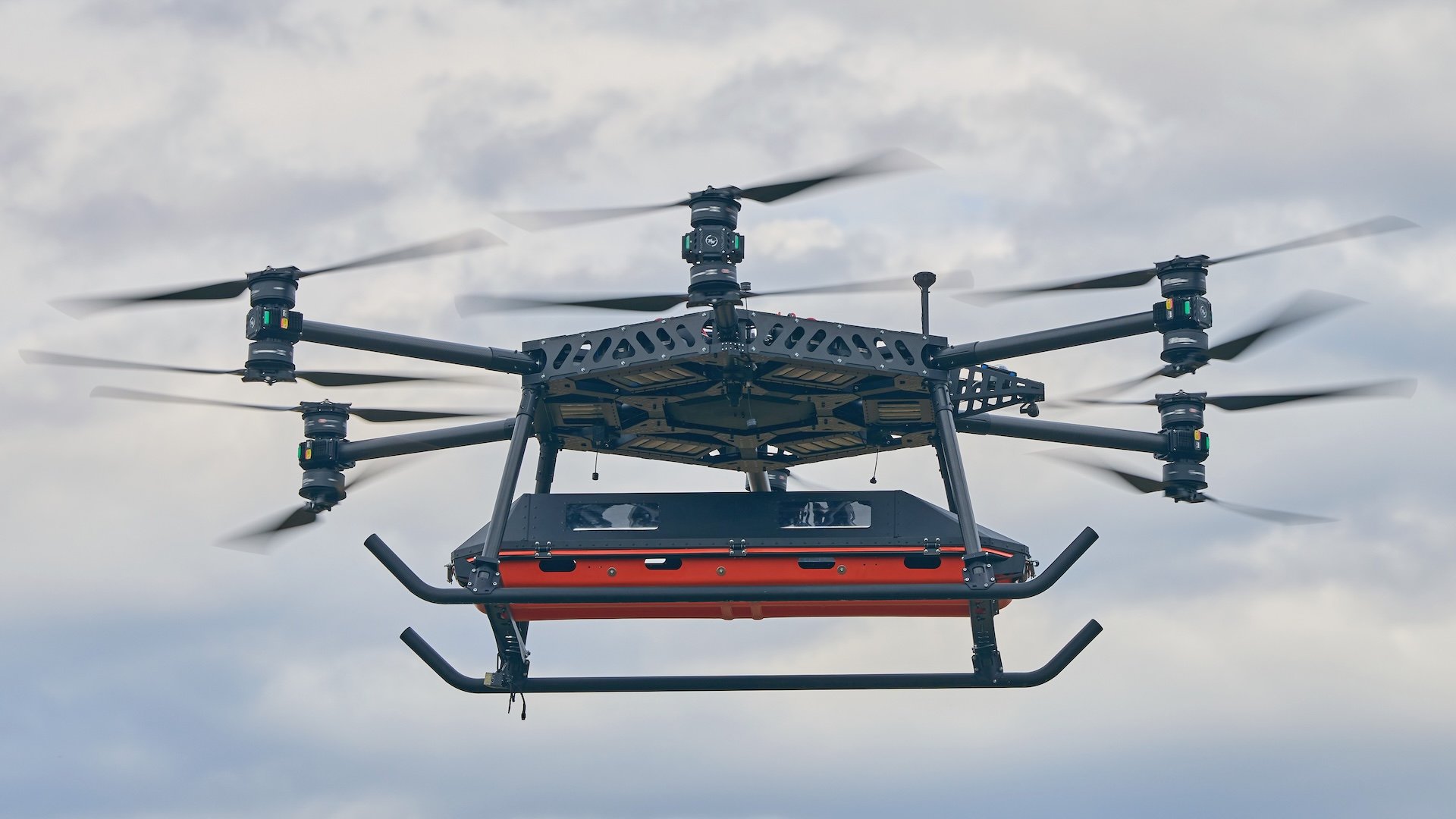
Украины 475-р тусгай дайралтын хороо байлдааны талбараас хүнд бэртсэн цэргүүдийг агаарын замаар татан гаргах зориулалттай StarGate дроныг анх удаа амжилттай туршжээ.
Украины “SkyFall” компанийн бүтээсэн StarGate платформыг ашиглан өнгөрсөн долоо хоногт хоёр цэргийг байлдааны бүсээс нүүлгэн шилжүүлсэн байна. Оросын талын электрон дайны системүүд болон FPV дронуудын аюул заналхийлэл ихтэй, бартаа ихтэй газарт хуурай замын тээврийн хэрэгсэл нэвтрэх боломжгүй байсан тул уг ажиллагааг агаарын замаар гүйцэтгэжээ.
Уг ажиллагааны үеэр StarGate дрон нь Оросын электрон дайны саад тотгорыг үл харгалзан хиймэл оюун ухаанд суурилсан навигацийн системээр дамжуулан 20 орчим миль замыг туулсан байна. Уг дрон нь 330 фунт хүртэлх ачаа тээвэрлэх хүчин чадалтай бөгөөд шархадсан цэргийг хамгаалалтын бүрхүүлтэй дамнуургаар тээвэрлэх зориулалттай юм.
CODE 9.2 хороо нь энэхүү туршлагаа ашиглан агаарын замаар цэрэг нүүлгэн шилжүүлэх тусгай нэгжийг эмнэлгийн салбартаа байгуулахаар төлөвлөж байна. Өмнө нь Украины 92-р тусгай дайралтын бригад “Audag-6” хэмээх хүнд даацын гексакоптер ашиглан цэрэг нүүлгэн шилжүүлж байсан туршлагатай бөгөөд ийнхүү фронтын бүсэд дроныг эмнэлгийн зориулалтаар ашиглах нь улам бүр өргөжиж байна.
Дэлгэрэнгүйг эх сурвалжаас харах
Эх сурвалжийг нээх ↓
Ukraine’s 475th Separate Assault Regiment, known as CODE 9.2, says it has used the StarGate uncrewed aerial platform to evacuate two seriously wounded soldiers from the battlefield in the span of a week. Reportedly, this is the first time the specialized drone has been used for an operation of this kind. It is not, however, the first instance of Ukraine using an aerial rescue drone on the battlefield, with the more extemporized heavy hexacopter also having been used recently, as you can read about here.
Taken together, the missions underscore Ukraine’s efforts to develop alternative casualty evacuation capabilities as Russian drone threats, electronic warfare, and harsh terrain increasingly complicate conventional recovery operations, including those using uncrewed ground vehicles (UGVs).
According to CODE 9.2, on its Facebook page, the regiment’s personnel carried out two complex evacuation missions using StarGate, a platform developed and manufactured by Ukrainian company SkyFall. The two wounded servicemen were 25-year-old Yevhen, callsign “Izyum,” and 24-year-old Artem, callsign “Kolobok.” Both belonged to adjacent units and had suffered severe limb injuries while occupying positions in a so-called gray zone approximately three miles from the Russian border.
Difficult terrain, including water obstacles, and the threat posed by Russian first-person-view (FPV) drones prevented ground vehicles from reaching the casualties, the regiment said. Air evacuation was the only available option.
The missions were planned and executed by CODE 9.2 personnel with support from SkyFall. They required coordination among multiple units, additional forces and equipment, and dedicated fire support — much like a more traditional casualty evacuation effort involving crewed helicopters. Vampire heavy strike drones were employed to suppress enemy positions during the operations.
“The injury tore off half of my foot, so a lot of blood was lost already,” Izyum said in a video interview from his hospital room. “I think if that incredible little bird hadn’t flown in, well, getting out from there would have been unrealistic.”
During one of the missions, StarGate reportedly flew nearly 20 miles to reach the casualty before covering approximately the same distance on the return leg with the wounded serviceman aboard. CODE 9.2 said Russian electronic warfare systems were actively attempting to suppress satellite navigation signals in the area.
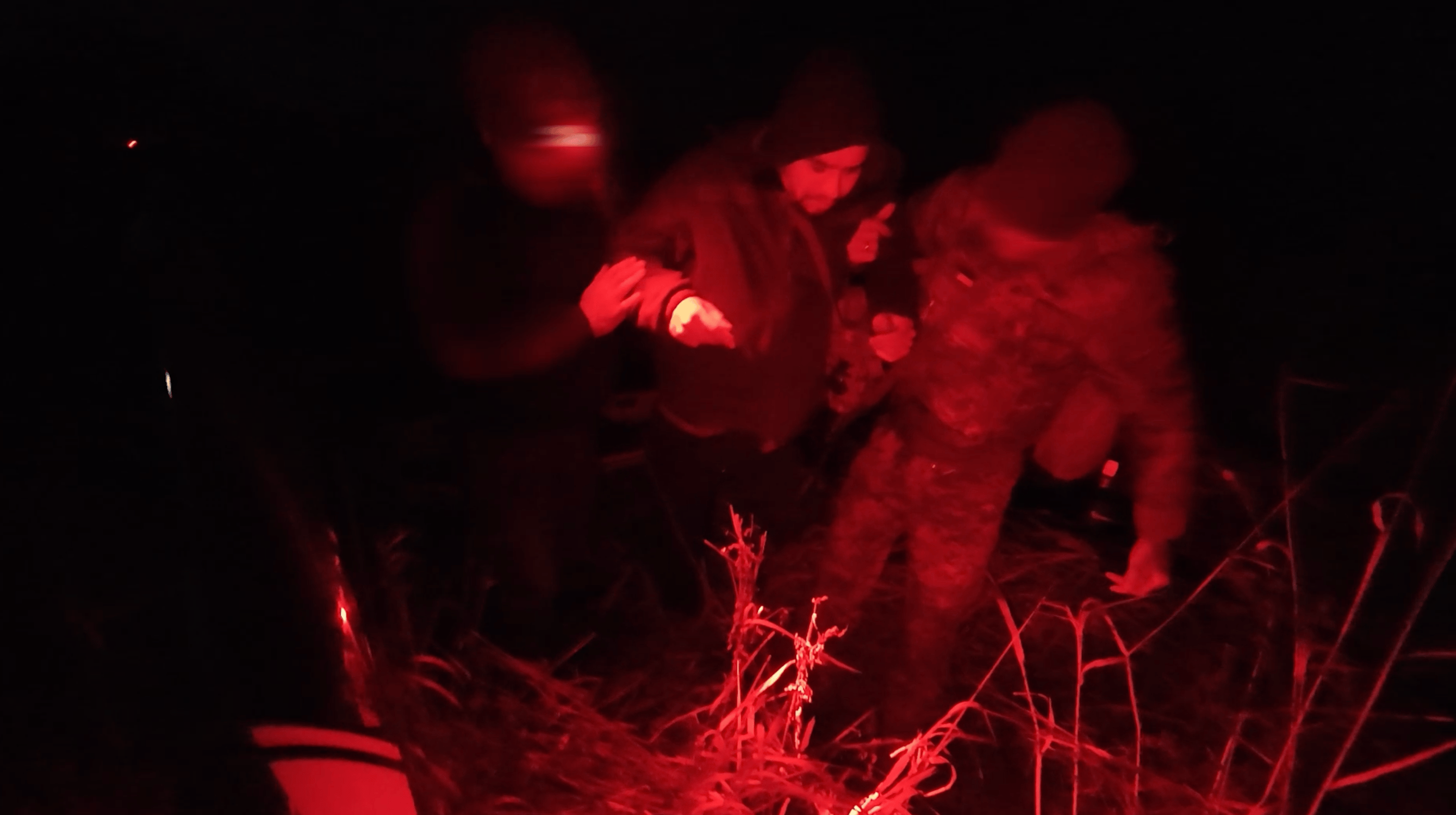
Despite the reported interference, the platform completed the mission using its onboard artificial intelligence-based navigation system, according to the regiment. The statement did not specify the navigation technologies involved.
StarGate was designed specifically for casualty evacuation, or CASEVAC, when conventional ground transportation cannot reach wounded personnel or would expose them to unacceptable risks. Its stated specifications include a payload capacity of up to 330 pounds and a maximum speed of approximately 65 miles per hour. The evacuation module is based on a covered, medical-grade stretcher.
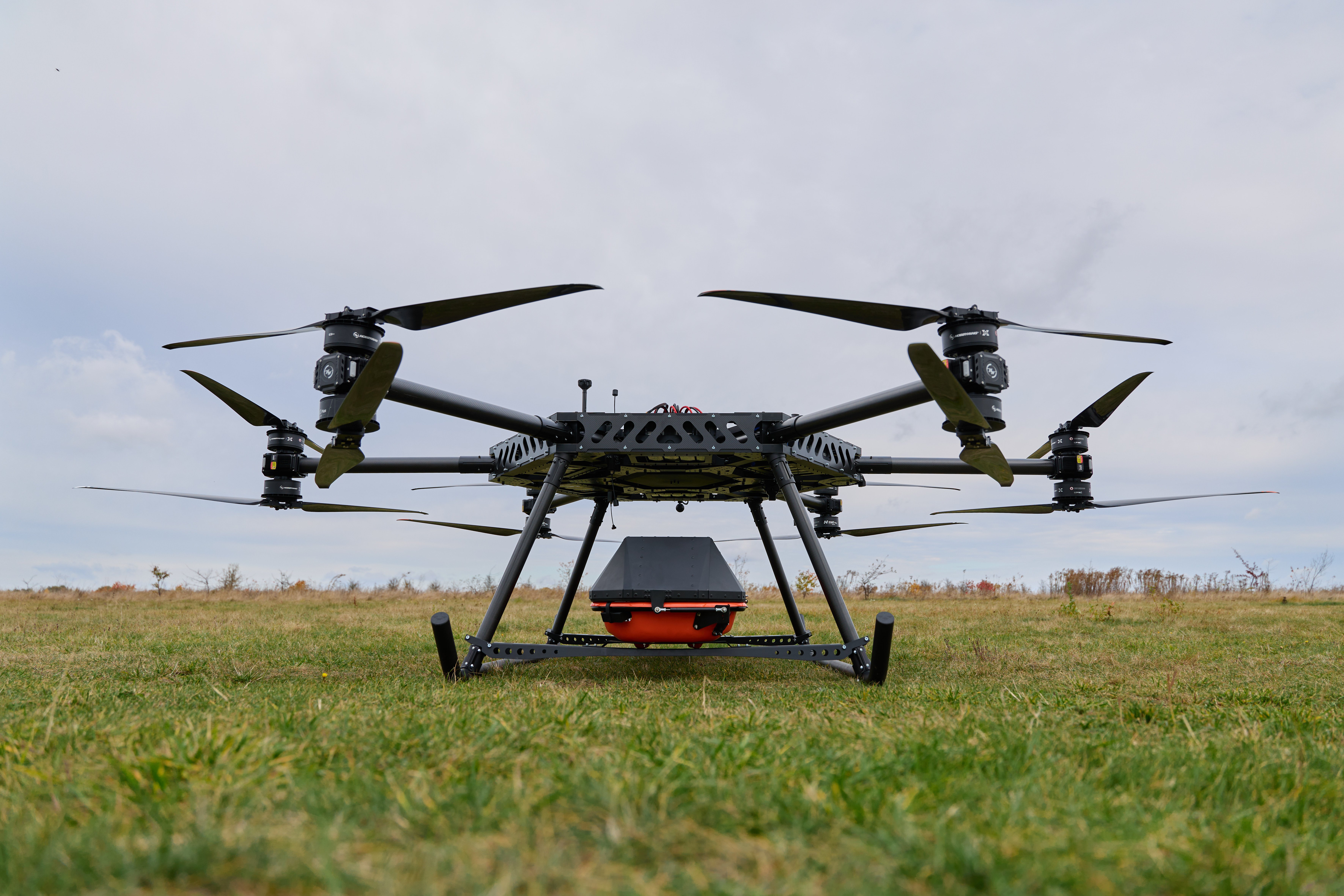
Oleksandr Nastenko, commander of CODE 9.2, callsign “Flint,” said the regiment intends to use the experience gained from the two missions to train crews and make aerial evacuation a more established capability. The regiment also plans to set up a dedicated aerial medical evacuation unit within its medical company.
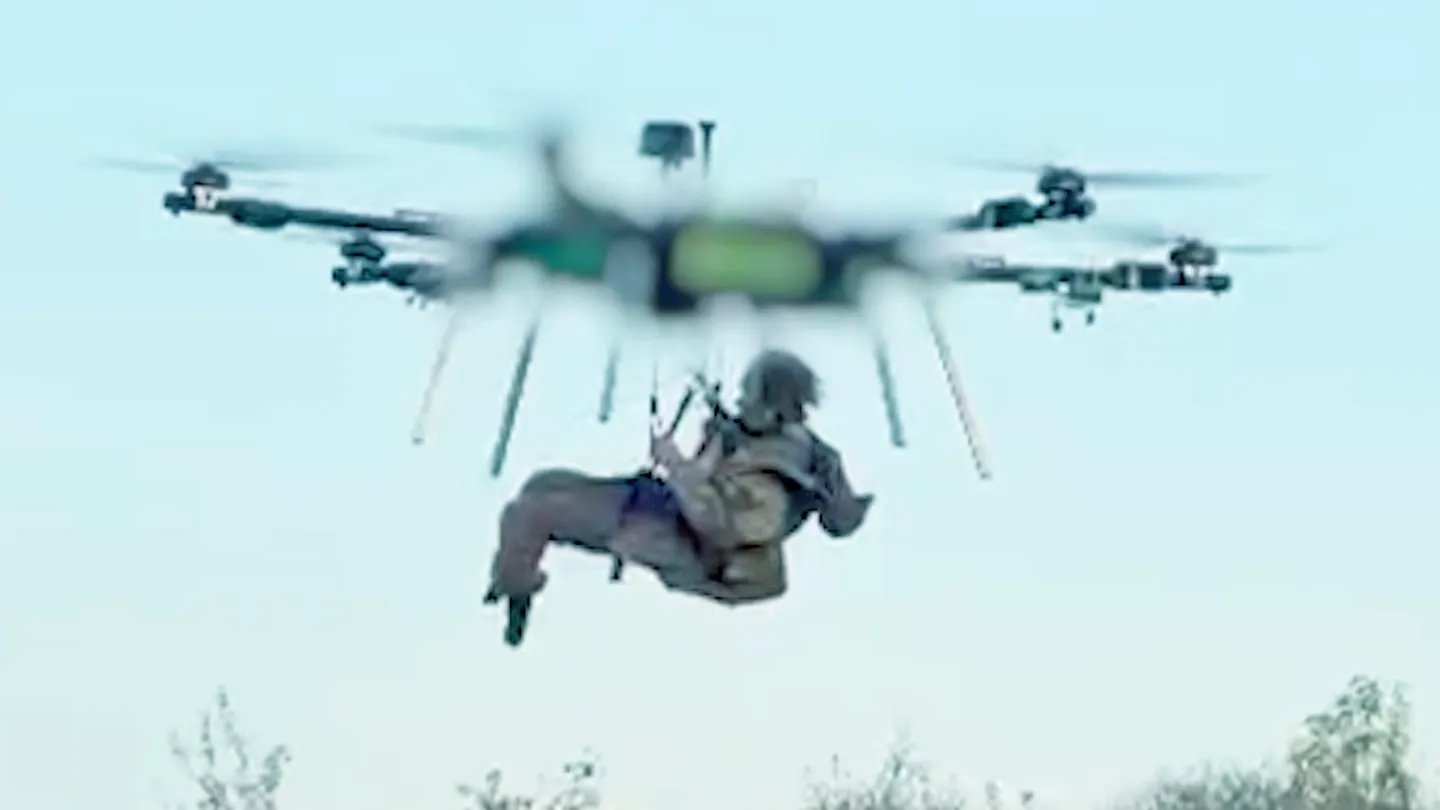
The StarGate missions follow a separate reported operation involving the 92nd Assault Brigade, which says its personnel helped evacuate a wounded soldier using a heavy-lift hexacopter drone, produced by Gurzuf Defense, with the casualty suspended beneath it, as seen in the video below:
This drone was reportedly an Audag-6 model, which is said to be capable of carrying a 200-pound payload over a distance of up to 15 miles.
In that incident, the soldier had been wounded while holding his position. Once again, aerial extraction was judged the only suitable option; in this case, due to the presence of mines and intense Russian drone activity.
This was a more improvised approach, which the brigade described as the world’s first frontline aerial drone evacuation of a wounded soldier. Compared to Stargate, the Gurzuf drone brings some drawbacks with it, including casualty stability, exposure to the elements, the risk of swinging during flight, and the difficulty of safely lifting and lowering a severely injured person. It subsequently emerged that the soldier involved, Kostiantyn Vlasenko, had been forced to amputate his own foot as part of a 491-day ordeal on a frontline position.
This was not the first time that Ukrainian forces have adapted existing drone technology to effect battlefield evacuations.
TWZ also previously reported on a Ukrainian soldier who managed to escape from the Russians that surrounded him after an electric bike was dropped to him by a large aerial drone.
As a purpose-built platform, StarGate offers a more standardized way to secure and transport casualties, and to transport them protected from the elements, in a secure, prone position. However, StarGate still faces the challenges of flying in contested airspace and navigating under electronic warfare conditions. Once again, depending on the degree of injuries, the casualty may need assistance being put on the stretcher and, regardless of the degree of medical care that can be provided, StarGate is only an option if already available in proximity to the victim.
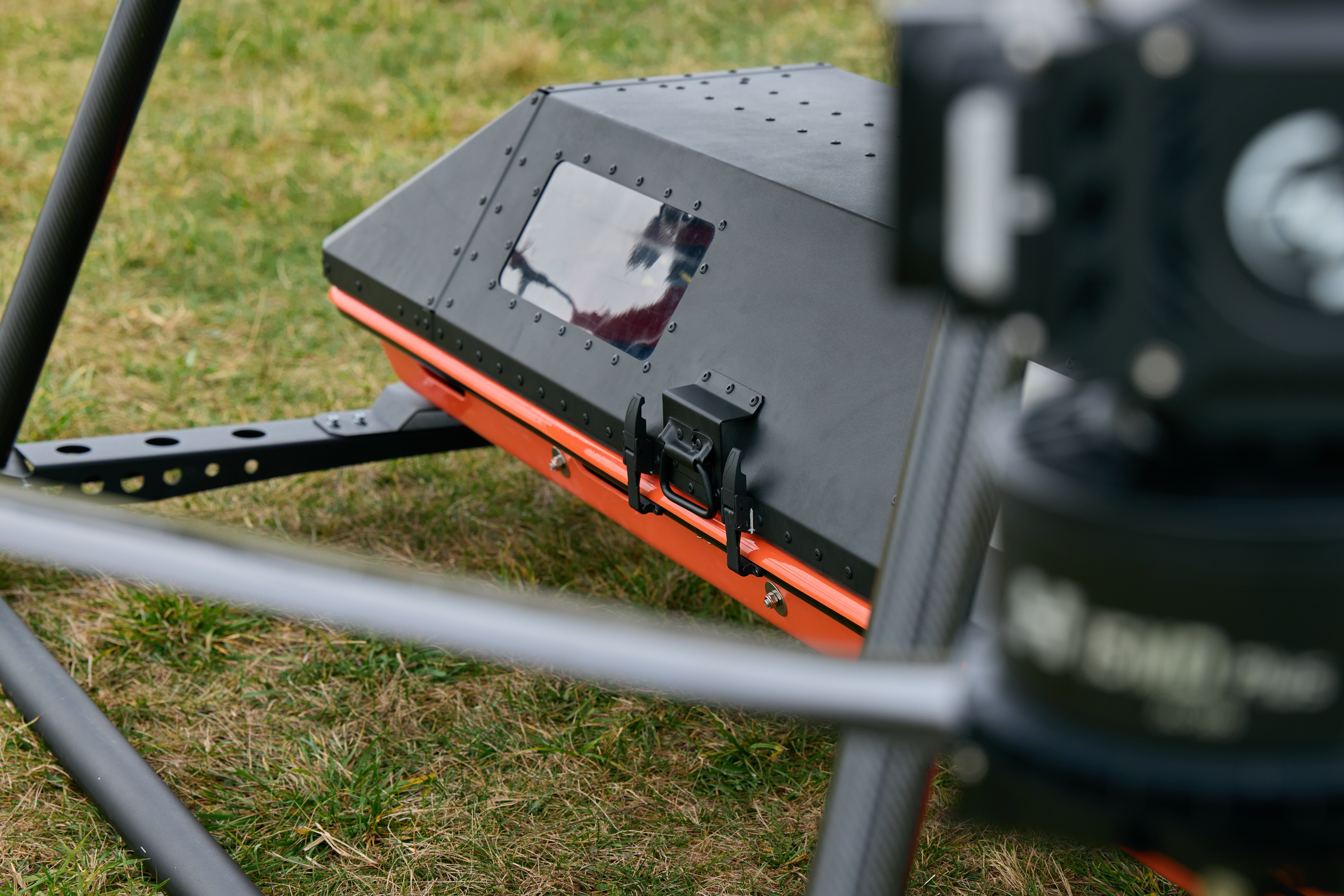
The fact that the StarGate missions also needed strike drones for fire support underscores that casualty recovery, whatever the platform being used, typically requires coordination across multiple combat elements.
Despite the limitations, CODE 9.2’s plan to create a dedicated medical aviation element indicates it wants to move beyond one-off missions toward a repeatable capability.
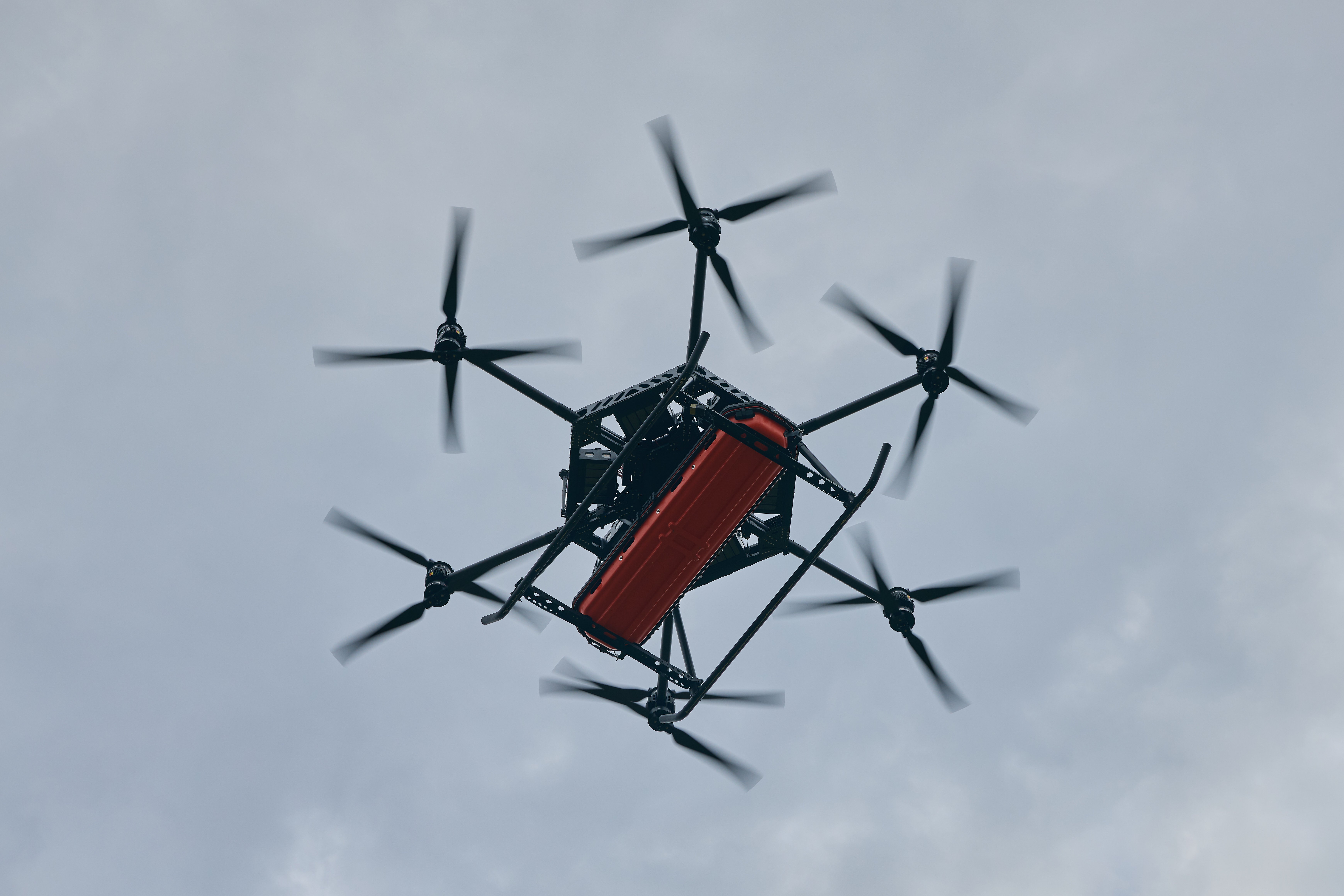
As with other emerging technologies from the war in Ukraine, this is likely to be studied by other armed forces, too. The U.S. military, for example, has long looked at the potential of uncrewed aerial systems to effect casualty evacuation missions, as you can read about here.
Meanwhile, the challenges of that conflict mean that Ukrainian troops continue to explore different ways to recover wounded troops from positions that more conventional evacuation methods can no longer safely reach.
Contact the author: thomas@thewarzone.com
The post Ukraine’s StarGate Drone Now Evacuating Wounded Soldiers appeared first on TWZ.

