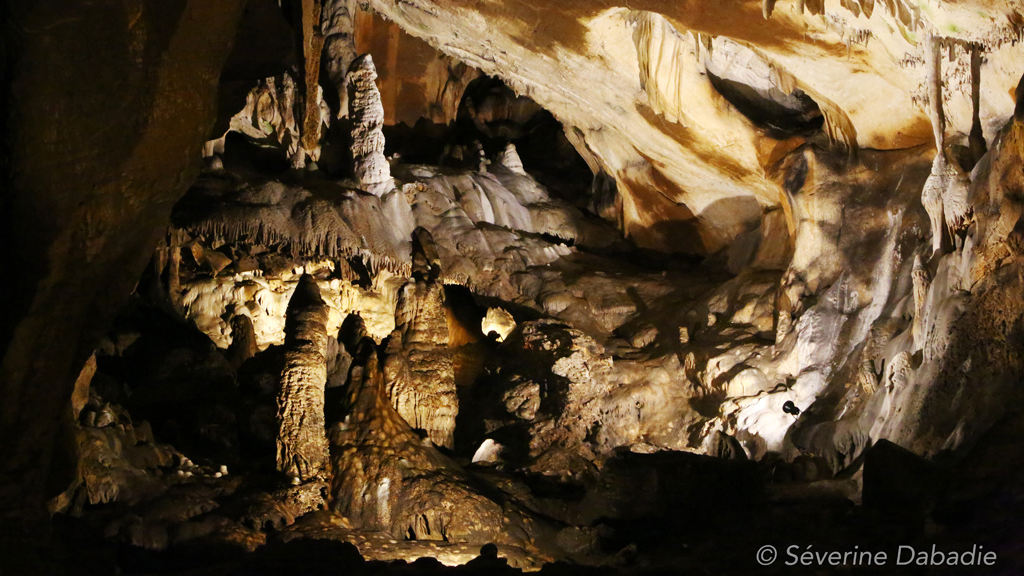
Европын өнцөг булан бүрт амьдарч байсан эртний хүмүүс хоорондоо илүү нягт биологийн холбоотой байсныг шинэ судалгаагаар тогтоожээ.
Венийн их сургуулийн антропологич Пере Гелаберт тэргүүтэй судлаачид 30,000 жилийн тэртээ Европт амьдарч байсан гурван хүний геномыг дарааллуулан шинжилжээ. “Science Advances” сэтгүүлд нийтлэгдсэн уг судалгаагаар, тухайн үеийн хүмүүс зүүн болон баруун Европын хооронд идэвхтэй харилцаатай байсан нь илэрсэн байна. Энэ нь өмнө нь эрдэмтдийн таамаглаж байснаар тус бүс нутгийн хүн ам тусгаарлагдмал бус, харин хоорондоо генетикийн солилцоотой байсныг харуулж байна.
Судалгааны баг Францын баруун өмнөд хэсэгт орших Истюриц агуйгаас олдсон 30,000 жилийн настай эмэгтэйн үлдэгдлийг шинжилсэн байна. Түүний ДНХ-ийн шинжилгээ нь баруун Европын бүлгүүдтэй төстэй байхаас гадна төв болон зүүн Европын бүлгүүдтэй холбоотой болохыг харуулжээ. Эрдэмтдийн таамаглаж буйгаар, ойролцоогоор 31,500-32,500 жилийн өмнө зүүн Европоос ирсэн хүмүүсийн шилжилт хөдөлгөөн Истюрицийн хүн амын генетикт нөлөөлсөн байх магадлалтай.
Истюриц агуй нь мөстлөгийн үед тив дамнасан соёл, биологийн чухал төв байсныг археологийн олдворууд баталдаг. Шинжилгээнд хамрагдсан гурван хүний бүгдийнх нь генетик шинж тэмдэг нь тэднийг бараан арьс, үс, нүдтэй байсныг илтгэж байгаа юм. Түүнчлэн, эдгээр хүмүүсийн эцэг эх нь хоорондоо ойр төрлийн хүмүүс байгаагүй нь тухайн үеийн хүн ам цус ойртохоос сэргийлдэг байсныг харуулж байна.
Дэлгэрэнгүйг эх сурвалжаас харах
↓Эх сурвалжийг нээх ↓
Scientists have sequenced the genomes of three Late Stone Age people who lived in Europe 30,000 years ago and discovered that they had closer biological ties than researchers previously thought. The new finding suggests that places like southwestern France may have been critical cultural hubs during the last ice age.
Shortly after Neanderthals disappeared from Europe, a Stone Age culture known as the Gravettian spread across the continent. Artifacts found during archaeological excavations — including portable art, such as “Venus figurines” — have shown that the Gravettian culture lasted from about 34,000 to 25,000 years ago. But ancient DNA has been recovered from only two dozen human skeletons from the Gravettian period, so questions about these people’s ancestry remain unanswered.
Based on the small number of genomes from Gravettian people that were previously sequenced, experts believed that groups in Western Europe were largely separate from groups in Eastern Europe. But in a study published Oct. 23 in the journal Science Advances, researchers sequenced the genomes of three people who lived in what are now Spain, France and Italy during the Gravettian period. They discovered that one person had mixed genetic ancestry that revealed East-West exchange at least 30,000 years ago.
“Our results show that eastern and western European populations were not as genetically isolated as previously assumed,” study first author Pere Gelabert, an evolutionary anthropologist at the University of Vienna, said in a statement.
The new information about mixed ancestry comes from a woman who died around 30,000 years ago and whose bones were found in Isturitz Cave in southwestern France. Originally used by Neanderthals, Isturitz Cave was occupied off and on from about 80,000 to 10,000 years ago. Cups made out of human skulls dated to roughly 15,000 to 12,000 years ago have also been found in Isturitz Cave.
Researchers found that the DNA from the Gravettian woman in Isturitz Cave was most similar to the previously known Western European genomes, but with an intriguing connection to Eastern and Central European groups.
This discovery of gene flow from the East is uncommon for the Late Stone Age, also known as the Upper Paleolithic, the researchers wrote in the study. It “could be explained by movements of people from Eastern Europe during the Gravettian period, which eventually contributed to this ancestry in Isturitz.” Specifically, the researchers dated this “pulse” of gene flow to about 31,500 to 32,500 years ago.
The DNA evidence supports the archaeological theory that Isturitz Cave was an important cultural and biological hub for tens of thousands of years during the Late Stone Age, as the cave was located at a critical passage between continental Europe and the Iberian Peninsula, the researchers wrote.
All three newly sequenced Gravettian genomes revealed close biological connections to Western European groups, as well as genetic traits suggesting they had dark skin, dark hair and dark eyes. What’s more, all of them had parents who weren’t closely related to each other, suggesting that those populations may have actively avoided inbreeding.
“Overall, our results suggest that population structure and gene flow in western Europe during the Gravettian were more complex and dynamic than previously assumed,” the researchers wrote.
See how much you know about early humans with our human evolution quiz!

