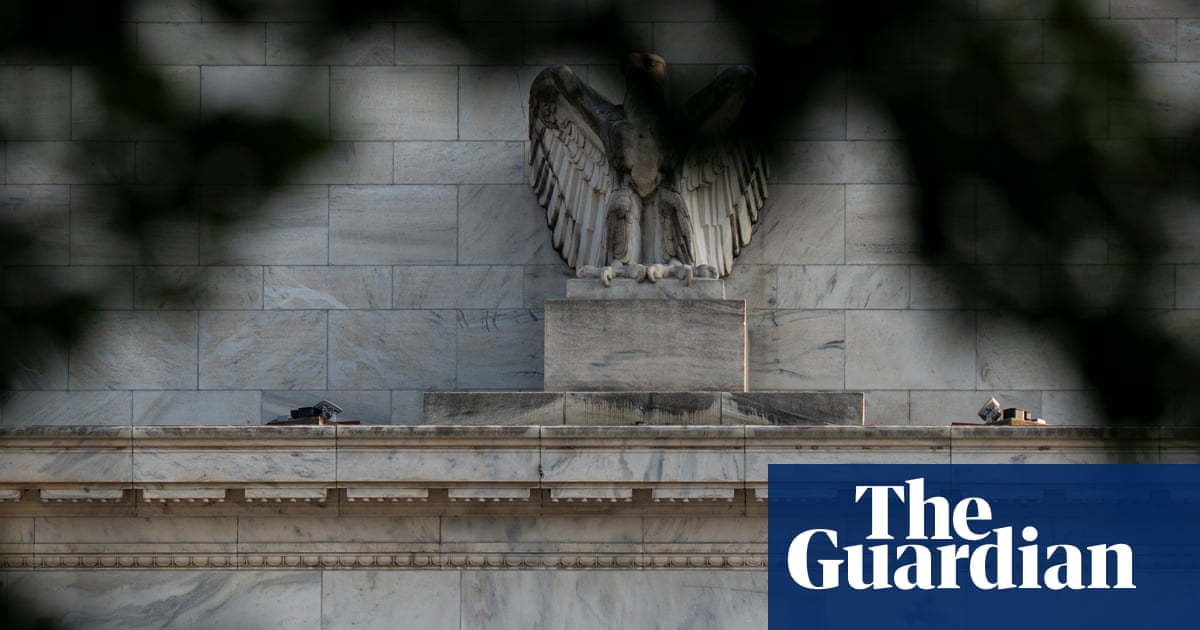
Дунд хугацааны сонгуулийн өмнөх эцсийн хурлаараа АНУ-ын Төв банк бодлогын хүүг өөрчлөхгүй байх шийдвэр гаргах нь тодорхой боллоо.
АНУ-ын Холбооны нөөцийн сан (Fed) дунд хугацааны сонгуулийн өмнөх сүүлийн хурлаараа бодлогын хүүг өөрчлөхгүй байх төлөвтэй байна. Энэ нь сүүлийн 20 гаруй жилийн хугацаанд сонгуулийн өмнөх үеийн хамгийн өндөр хүүгийн түвшинд тооцогдож байгаа юм. Өнгөрсөн сард инфляцын өсөлтийн улмаас Fed бодлогын хүүг 2023 оноос хойш анх удаа өсгөсөн билээ. Гэсэн хэдий ч инфляц 2%-ийн зорилтот түвшнээс дээгүүр, жилийн 3%-иас давсан хэвээр байна.
Дональд Трамп бодлогын хүүг 1% буюу түүнээс доош байлгах ёстой хэмээн шүүмжилсэн нь олны анхаарлыг татаад байна. Ажиглагчдын үзэж буйгаар, сонгууль ойртсон энэ үед Төв банк ямар нэгэн эрс шийдвэр гаргах нь бага гэж үзэж байна. Эдийн засагч Николас Экономидесийн хэлснээр, бодлогын хүүг одоо өөрчлөх нь эдийн засагт богино хугацаанд нөлөөлөх боломжгүй юм.
Одоогийн инфляцын өсөлтөд Ойрхи Дорнод дахь Ираны оролцоотой мөргөлдөөн гол нөлөө үзүүлж байна. Худалдааны гол зам болох Хормузын хоолой хаагдсанаар газрын тосны үнэ нэмэгдэж, энэ долоо хоногт нэг торх нь 117 ам.доллароос давсан нь сүүлийн зургаан сарын дээд үзүүлэлт боллоо. Хэдийгээр инфляцыг бууруулахад бодлогын хүүг өсгөх нь нэг арга боловч нийлүүлэлтийн сүлжээний доголдол, дайны нөлөөгөөр үүссэн үнийн өсөлтийг дан ганц хүүгийн өсөлтөөр шийдэх боломжгүй гэж мэргэжилтнүүд дүгнэж байна.
Fed-ийн тэргүүн Кевин Уорш инфляцын нөлөөг хязгаарлах, үнийн өсөлтийн дараагийн шатны сөрөг үр дагавраас сэргийлэх нь Төв банкны үүрэг гэдгийг онцоллоо. Хэдийгээр зарим эдийн засагч энэ онд дахин нэг удаа хүү өсгөх таамаг дэвшүүлж байгаа ч Fed-ийн удирдах зөвлөлийн гишүүн Кристофер Уоллер хүүгийн өөрчлөлтийн цаг хугацаанд уян хатан хандах боломжтойг мэдэгдсэн байна. Эдийн засгийн нөхцөл байдал нь удахгүй болох сонгуулийн үр дүнд шийдвэрлэх нөлөө үзүүлэх гол хүчин зүйл болоод байна.
Дэлгэрэнгүйг эх сурвалжаас харах
↓Эх сурвалжийг нээх ↓
The US Federal Reserve is expected to leave interest rates unchanged on Wednesday during its last rate-setting meeting before the midterm elections, keeping rates at one of the highest pre-election levels seen in over 20 years.
Last month, Fed officials raised rates for the first time since 2023, citing rising inflation. Inflation has hovered for years above the Fed’s target rate of 2%, and for most of this year, the annualized inflation rate has remained above 3%.
The move infuriated Donald Trump, who said that “interest rates in the United States should be 1% or less”.
Though inflation rose higher in September, going from 3.4% in August to 3.7%, a pause would signal the central bank is taking a wait-and-see approach ahead of the midterms next week.
Interest rates determine the cost of interest for loans, including for credit cards, mortgage and some savings accounts. During times of high inflation, raising rates can slow price increases.
Multiple Fed leaders have suggested in recent weeks that the central bank has room for a pause, even if most Fed economists are predicting one more rate hike before the end of the year.
“The hikes do not need to come at consecutive meetings, but they should be in place in an acceptable period of time,” Fed governor Christopher Waller said earlier this month.
The proximity of the election also makes it more likely that the Fed will “not take any radical action,” said Nicholas Economides, a professor of economics at the NYU Stern Business School.
“Even if the Fed were to do something radically different, the economy would not have time to adjust before the elections,” he said.
Rising prices this year have largely been driven by war in the Middle East with Iran. Oil prices have soared with the closure of the strait of Hormuz, a crucial passageway for trade. Inflation rose last month to its highest level since the spring, while oil traded briefly above $117 a barrel earlier this week, its highest price in more than six months.
The higher cost of living is expected to play a crucial role in the upcoming midterm elections that will determine which party will control Congress. Across multiple polls, the economy has been cited as the top issue for voters.
By itself, hiking interest rates cannot solely address inflation caused by supply shocks, Economides said. Raising rates is helpful for when the economy is too hot, or when demand outpaces supply, but can be counterproductive otherwise.
“If inflation is caused by supply factors, it doesn’t make sense to try to cure it by increasing interest rates because it won’t work,” he said. “It will slow down the economy at a time in which you don’t want it to slow down.”
Fed chair Kevin Warsh has suggested, however, that present-day inflation has persisted beyond the war, and the central bank’s decision to raise rates was to prevent prices from creeping up further.
“We cannot affect any individual price, whether it be oil prices, whether it be foodstuffs at the grocery store,” Warsh said at the Fed’s September meeting.
“But what we can do, and will do, is ensure that any change in relative prices don’t broaden out, don’t have second and third-order effects on the economy. That’s what we’re tasked to do, and that’s what we will do.”

