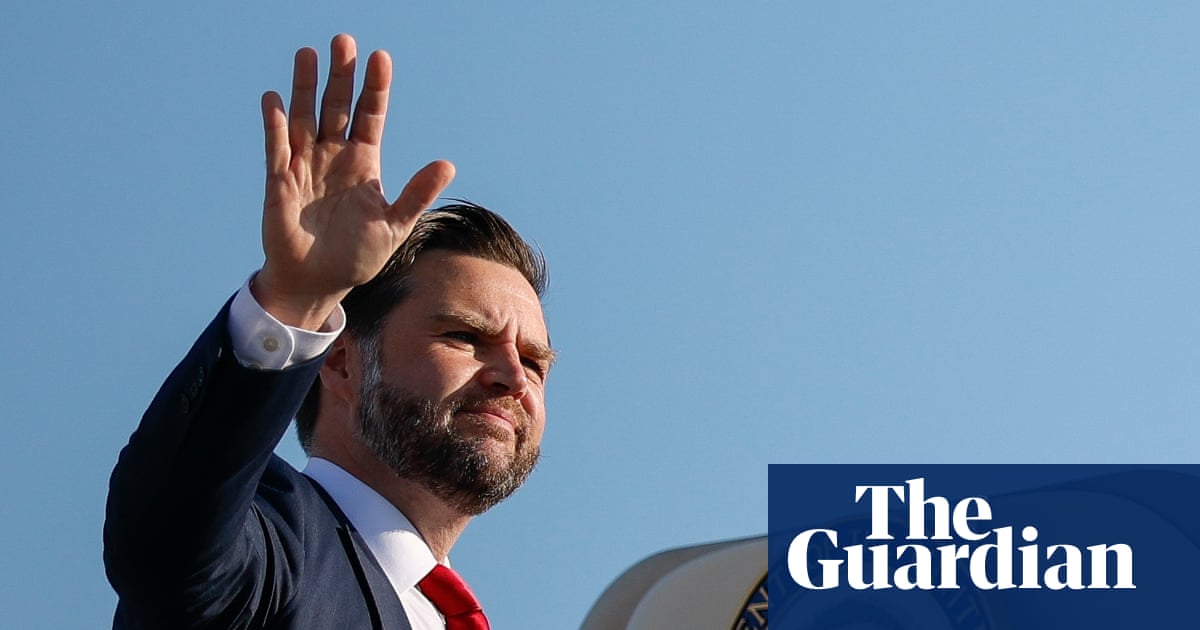
АНУ-ын Дэд ерөнхийлөгч Ж.Д.Вэнсийн илгээсэн захидал нь Иран болон АНУ-ын хооронд үүсээд буй хурцадмал байдлыг намжаах сүүлийн боломж байж болзошгүй гэж үзэж байна.
АНУ-ын Дэд ерөнхийлөгч Ж.Д.Вэнс Катарын зуучлалтайгаар Ираны Үндэсний аюулгүй байдлын дээд зөвлөлийн нарийн бичгийн дарга Мохсен Резаеид захидал илгээжээ. Уг захидалд Ираныг цөмийн хөтөлбөртөө тодорхой амлалт өгөхийг шаардсан бөгөөд үүний хариуд АНУ эдийн засгийн хориг арга хэмжээгээ сулруулах, долоон хоногийн дотор Хормузын хоолойг нээх үйл явцыг эхлүүлэх санал дэвшүүлсэн байна. Талууд тохиролцоонд хүрэхийн тулд БНХАУ-ыг баталгаа гаргагч тал болгох асуудлыг хөнджээ.
Ираны тал АНУ-ын шаардлагыг бүрэн хүлээн авахад болгоомжтой хандаж байгаа бөгөөд цөмийн хөтөлбөрийн асуудлаар эргэлт буцалтгүй амлалт өгөхөөс татгалзаж байна. Ираны гол хэлэлцээч Мохаммад Галибаф “X” хуудсаараа дамжуулан Иран улс хориг арга хэмжээг цуцлах, хөрөнгийн царцалтыг зогсоох, бүх фронтод дайныг зогсоох, тэр дундаа Ливан дахь Израйлын ажиллагааг зогсоох зэрэг долоон үндсэн нөхцөлийг биелүүлэх ёстой гэж мэдэгджээ.
АНУ-ын цэргийн төлөвлөгөөг шүүмжилсэн сенатч Крис Мөрфи энэхүү үйл ажиллагаа нь бүс нутгийн аюулгүй байдалд сөргөөр нөлөөлж, нөхцөл байдлыг улам хурцатгана гэж үзэж байна. Иран улс өөрийн зүгээс АНУ-ын ашиг сонирхолд цохилт өгөх, тухайлбал Персийн булан дахь ус цэвэршүүлэх байгууламж, интернэт кабель болон цахилгаан дамжуулах сүлжээг онилох төлөвлөгөөтэй байгаагаа мэдэгдсэн юм. Ираны өндөр албан тушаалтнууд болон Дээд удирдагч Можтаба Хаменей нар өнгөрсөн долоо хоногт уулзаж, дайны эрсдэлийн талаар хэлэлцсэн байна.
Дэлгэрэнгүйг эх сурвалжаас харах
↓Эх сурвалжийг нээх ↓
Lingering hopes of averting a major new conflagration between Iran and the US soon after Tuesday’s midterm elections could rest on Iran’s response to a personal letter from the US vice-president, JD Vance, offering to restart diplomacy.
The letter, written after predominantly Qatari mediation, was sent to the secretary of Iran’s supreme national security council, Mohsen Rezaei on Sunday and requires Tehran to agree to make commitments on its nuclear programme at the start of a process that would lead to the opening of the strait of Hormuz within seven days in return for US sanctions relief.
A reply is imminent, but Iran is reluctant to give upfront and irreversible commitments on its nuclear programme, such as exporting its stockpile of highly enriched uranium to a third country, if the compensatory US steps, such as lifting sanctions on Iranian oil exports, are reversible.
Some form of third-party guarantee that both sides will adhere to their commitments has been discussed, with China often mentioned as the only country of sufficient status to underwrite it.
The return of Vance, a sceptic about the war, to the negotiations is significant and a sign that the US has not abandoned diplomacy.
One Democrat senator briefed on the targets the US military had identified in Iran said described the plan for a renewed attack as “insane and likely lead to the destruction of our commitment to the rule of law”.
In a sign of Iran’s reluctance to meet US demands about sequencing, its chief negotiator, Mohammad Ghalibaf, wrote on X: “Iran’s conditions have been repeatedly and clearly stated to the mediators. The carrot-and-stick approach has no effect on Iran. Progress can only be achieved once Iran’s seven conditions have been agreed upon.”
Those conditions include the lifting of sanctions, ending asset freezes and the end to the war on all fronts, a phrase that requires an Israeli ceasefire in Lebanon.
The US wants front-loaded, specific commitments about the removal of Iran’s stockpile of highly-enriched uranium. Tehran is reluctant to give up its bargaining leverage, and also resists the return of UN nuclear inspectors for fear they might provide the US with intelligence on the whereabouts and state of the stockpile.
It has proposed blending the stockpile down inside Iran so it is no longer useable to make a nuclear weapon.
The Vance letter was sent to Rezaei rather than Ghalibaf or the foreign minister, Abbas Araghchi, because Washington judged that decision-making power rests with those closest to the Islamic Revolutionary Guards Corps. In practice, Iran tries to reach decisions through consensus at the highest level of government in a six strong committee.
Ghalibaf and Rezaei met the supreme leader, Mojtaba Khamenei, last week to discuss the risk of a new war. Khamenei has said he would like an end to the current state of no war, no peace. Iran has well laid plans ready to strike back against US interests in the region by hitting desalination plants, internet cables and electricity grids across the Gulf.
For a third US attack in two years to have any rationale or prospect of inducing Iran’s capitulation, the plan would require the US, probably in conjunction with a caretaker government in Israel, to mount attacks on previously off-limits targets. Europe would not join the attacks, but the views of the Gulf states, the chief targets of Iran reprisals, would be key.
The Connecticut senator Chris Murphy told a briefing at the Middle East Institute: “I did get a fairly detailed conversation about what the war plan would be … I will just say this their plan is insane. It will lead to devastating escalation and the likely destruction of our commitment to the rule of law.
“There has been open reporting as to the civilian infrastructure we may be targeting … I think the plan they have developed will lead in my judgement to a prolongment [sic] and escalation of this war that will be devastating to our security interest”.
Although Tehran trusts Vance marginally more than most White House politicians and envoys, the Iranian high command is still suspicious about his status after he negotiated a 14-point memorandum of understanding which then fell apart when other members of the US administration took charge of its implementation.
That led to unilateral US steps to reopen the strait of Hormuz that Iran said contravened the terms of the agreement. Trump also came to detest it because it delayed the start of nuclear talks for as long as 60 days.
In an offer made by Tehran on the margins of the UN general assembly, it proposed foreshortening the timeframe before nuclear talks started, saying they could start withinsix or seven days of the US restoring the sanctions waiver on its oil exports and the reopening of the strait of Hormuz.

