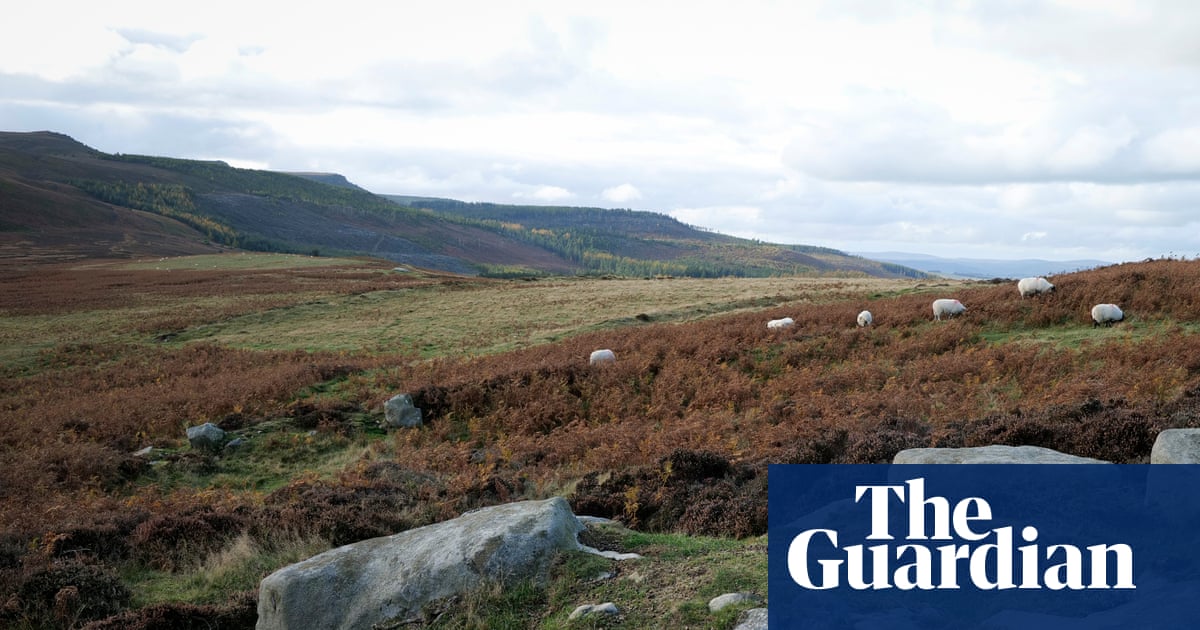
Английн түүхэн дэх байгаль орчныг нөхөн сэргээх хамгийн томоохон төслүүдийн нэг болох Ротбери эдлэнг худалдан авах ажиллагаа 30 сая фунт стерлингийн санхүүжилт бүрдүүлснээр албан ёсоор хэрэгжих боломжтой боллоо.
Зэрлэг ан амьтан хамгаалах байгууллага (Wildlife Trusts) уг эдлэнг худалдан авах санаачилгыг гаргасан бөгөөд нэрт байгаль судлаач Дэвид Аттенборо олон нийтийн дэмжлэгийг онцлон сайшаажээ. 3,800 га талбай бүхий энэхүү газар нутаг нь сүүлийн 30 жилд Англид худалдаалагдсан нэгдмэл өмчлөлийн хамгийн том талбай юм. Тус төслийг хэрэгжүүлснээр байгаль, хөдөө аж ахуй, соёлын өвийг хослуулан хойч үедээ үлдээх боломж бүрдэж байгааг зохион байгуулагчид цохон тэмдэглэв.
Төслийн санхүүжилтийн 17 сая фунт стерлинг нь олон нийтийн хандиваар бүрдсэн бол Үндэсний лотерейн өвийн сангаас 5 сая, засгийн газраас 1.94 сая фунт стерлингийн дэмжлэг үзүүлжээ. Нортамберленд дахь Зэрлэг ан амьтан хамгаалах байгууллагын гүйцэтгэх захирал Майк Праттын мэдээлснээр, тус байгууллага нь уугуул амьтдын тоо толгойг нэмэгдүүлэх, экосистемийг сэргээх, мөн байгалийн аялал жуулчлалыг хөгжүүлж орон нутгийн эдийн засагт хувь нэмэр оруулах зорилт тавин ажиллаж байна.
Гэсэн хэдий ч энэхүү шийдвэрт зарим фермерүүд болон улс төрийн төлөөлөгчид шүүмжлэлтэй хандаж байна. Нортамберлендийн Консерватив намын дарга Гай Реннер-Томпсон хөдөө аж ахуйн үйлдвэрлэл, уламжлалт газар ашиглалтад сөргөөр нөлөөлөх эсэх талаар засгийн газраас тодорхой хариулт шаардаж байгаа юм. Хариуд нь төсөл хэрэгжүүлэгчид байгаль хамгаалал болон үр ашигтай бизнес загварыг хослуулан хэрэгжүүлэх боломжтойг нотлохоор төлөвлөж байна.
Дэлгэрэнгүйг эх сурвалжаас харах
↓Эх сурвалжийг нээх ↓
One of the most ambitious nature recovery projects ever undertaken in England can go ahead after campaigners announced they had raised £30m to buy an estate in Northumberland.
The Wildlife Trusts’ bid to buy the Rothbury estate, an area the size of Athens, had been championed by David Attenborough who on Friday thanked the public for their help.
“The Wildlife Trusts called for your support and you answered in your thousands,” he said. “The opportunity to bring the vision of a landscape where nature and people thrive side by side can become a reality. This will be a place where nature, community, farming and heritage can combine to create something very special for generations to come.”
The fundraising campaign was launched two years ago after the estate was put up for sale by the Duke of Northumberland’s youngest son, Max Percy.
At more than 3,800 hectares (nearly 15 sq miles), the Rothbury estate is the largest piece of land in single ownership to have come up for sale in England for more than 30 years. Campaigners said buying it was “a once-in-a-generation opportunity”.
Mike Pratt, the chief executive of Northumberland Wildlife Trust, said he felt “elated” at the success of the campaign and “humbled” by the public support.
“We are absolutely elated, it has been a long haul and it hasn’t all been easy,” he said. “The other word is humbled. There was £17m from the public to make this happen and that is at the forefront of my mind – we’ve got to honour that support and make sure that people come here and really enjoy getting close to wildlife.”
The estate is a thrilling, spirit-lifting mosaic of different habitats, including the looming Simonside hills, sweeping wild moorland, valley woodlands and farm fields.
Pratt was talking to the Guardian at Lordenshaws, the site of an iron-age hill fort and one of the largest clusters of strange, ancient cup and ring marked rocks in England. He thinks people rallied to the campaign because it “represents hope … a positive view of what the future can be”.
The trust has big plans and hopes that by making interventions, restoring and extending habitats, it can increase numbers of species which are already there, whether mountain bumblebees or red squirrels.
“We should have water voles in this landscape,” said Pratt. “Maybe we can help bring them back. Pine martens are making their own way back, maybe we can encourage them. Hopefully we’ll see more curlew.”
The eventual hope is that the Rothbury estate will be the “beating heart” of a 40-mile nature corridor from the coast at Druridge Bay to the Scottish-English border at the Kielderhead and Whitelee Moor national nature reserves.
The trust also believes that more nature tourism will bring benefits to the town of Rothbury itself.
Sophie Bulgin, the Rothbury project manager, said the enthusiasm of volunteers in the various projects that had been running had taken her aback. “It has overwhelmed me,” she said. “I didn’t imagine that much interest and enthusiasm. People are taking ownership.”
One of the projects is eco-acoustic monitoring, with “people walking for miles across the estate in bracken as high as their shoulder” to install and retrieve monitors which record the sound of small mammals, bats or anything else that might be close by. In a fortnight, there will be earthworm counts which might reveal more about the health of the soil.
As well as gifts from 25,000 members of the public, the National Lottery Heritage Fund gave a gamechanging £5m. Large donations also came from charitable foundations and philanthropists, and the government this week pledged £1.94m.
Not everyone supported the campaign, however, with some farmers calling it a “folly”.
Guy Renner-Thompson, a councillor and the chair of Northumberland Conservatives, this week questioned the government’s priorities after its decision to give money.
“Farmers on the estate have already raised concerns about food production, changes to traditional land management and whether their businesses can remain profitable,” he said. “Those concerns deserve answers before ministers reach for the chequebook.”
Pratt said the trust had been working closely with farmers. “We want to demonstrate that you can have lots of wildlife and still have a productive business model.”

