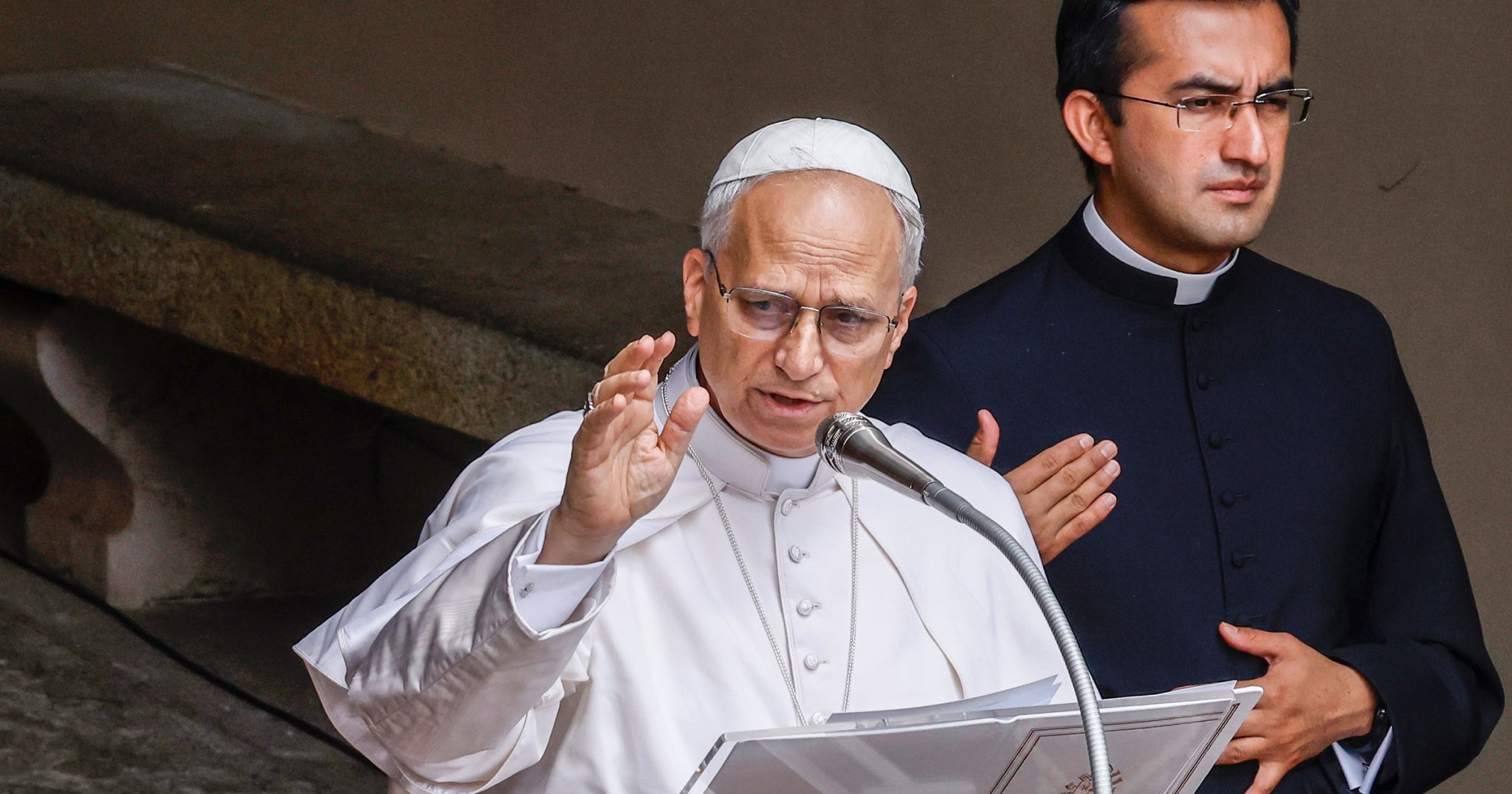
Хиймэл оюун ухааныг хүнтэй адилтган хуулийн этгээд гэж үзэх нь хариуцлагыг бүдгэрүүлж, сөрөг үр дагавар дагуулна гэж үзэж байна.
Пап лам XIV Лео X (хуучнаар Twitter) платформ дээрх урт цуврал мэдэгдлээрээ дамжуулан хиймэл оюун ухаанд (AI) хуулийн этгээдийн эрх олгох санаачилгыг эрс шүүмжилжээ. Тэрээр машин нь хүн биш, харин багаж хэрэгсэл гэдгийг онцлоод, ийм эрх олгох нь технологийн сөрөг нөлөөнд хэн хариуцлага хүлээх нь тодорхойгүй байдалд хүргэнэ гэж анхааруулсан байна.
The future of #ArtificialIntelligence is not pre-determined. As a technology developed by human beings, its future depends on the choices we make. We therefore have the responsibility to guide, change and, when necessary, reject its applications. A reliable system that serves the…
— Pope Leo XIV (@Pontifex) October 30, 2026
Хуульчид болон шинжээчид ч мөн адил хиймэл оюун ухаанд эрх олгох нь хууль эрх зүйн маргаан үүсгэж, хүний хариуцлагыг үгүйсгэх эрсдэлтэй гэж үзэж байна. Гэвч технологийн салбарын зарим төлөөлөгчид, тухайлбал Anthropic компанийн албаныхан хиймэл оюун ухааныг ухамсартай байж болзошгүй гэж үзэн, шашны тэргүүнүүдтэй энэ асуудлаар хэлэлцүүлэг өрнүүлээд байгаа юм.
Пап лам XIV Лео энэхүү хэлэлцүүлэгт авталгүйгээр хиймэл оюун ухааныг хөгжүүлэхэд хяналт, хариуцлагын тодорхой механизм хэрэгтэйг дахин санууллаа. Тэрээр ялангуяа бие даасан зэвсэглэлд ашиглагдаж буй хиймэл оюун ухааныг “зэвсэггүйжүүлэх” шаардлагатайг онцолж, хүний амьдрал, эрх чөлөөнд нөлөөлөх шийдвэрийг хүн өөрөө хариуцлагатайгаар гаргах ёстой гэв.
Эцэст нь тэрээр хиймэл оюун ухааныг нийтлэг сайн сайхны төлөө чиглүүлэх олон улсын байгууллагуудын хяналт, хамтын стандарт чухал болохыг тэмдэглэв. Энэ нь хөгжүүлэлтийн явцад гарч болох аливаа сөрөг нөлөөг шалгах, залруулах боломжийг бүрдүүлэх ёстой гэж үзэж байна.
Дэлгэрэнгүйг эх сурвалжаас харах
↓Эх сурвалжийг нээх ↓
Sorry to anybody who believes AI models deserve rights: the Pontiff is not on your side.
In a lengthy thread on X-formerly-Twitter today, Pope Leo XIV issued a scathing rebuke of calls for “AI personhood,” or the argument that AI models should be granted rights through a process of legal personhood. This would effectively make AI systems human in the eyes of the law, an approach that the Pope argues could shift accountability for AI-enabled harm or abuse away from the humans who actually build and use AI systems.
“The future of Artificial Intelligence is not pre-determined,” reads the Pope’s decree. “As a technology developed by human beings, its future depends on the choices we make. We therefore have the responsibility to guide, change and, when necessary, reject its applications. A reliable system that serves the human person is of greater value than one that is exceptionally powerful but whose consequences cannot be adequately foreseen or controlled.”
“Machines are tools, not persons,” he added. “Today, some propose granting these systems rights, or even legal personhood. Such an approach risks obscuring human responsibility and leaving those who suffer harm to confront a faceless entity.”
Leo isn’t alone in his well-documented concerns. Lawyers, activists, and lawmakers have taken stands against legal personhood for AI on similar grounds, arguing that giving rights to AI systems, for example First Amendment rights to freedom of speech, could muddy the legal waters around whoisresponsible when things go wrong. Doing so could even give way to a scenario in which no human is clearly accountable for the consequences of actions taken with or by AI tools.
Many actors in and around the AI industry, however, continue to insist that AI systems are or may soon be sentient — and thus, some argue, should be imbued with human rights. As the New York Times reported last month, officials from Claude maker Anthropic held a series of talks with religious leaders this summer in which the AI representatives encouraged clergy to consider that AI models may indeed be conscious.
It seems that these talks have done little to sway the Pontiff, who has repeatedly expressed deep concern over the advancement of AI without guardrails. Leo has also placed a heavy focus on the steady rise of autonomous weapons, and in his thread today, once again called for AI to be “disarmed.”
“Decisions affecting human life, freedom, and the use of force must always remain subject to effective, informed, and responsible human oversight,” Leo wrote. In a following post, he added that “intelligent technologies must be directed toward the common good” and “must never become ends in themselves or serve merely the interests of a privileged few.”
“We already know many of the ethical principles that should guide the development of artificial intelligence,” Leo continued. “What we currently need are effective international institutions that can safeguard the global common good.”
“This calls for shared standards, independent oversight, and clear mechanisms of accountability,” he concluded, “so that decisions concerning the development and use of AI can be examined, challenged when necessary, and accompanied by appropriate remedies for any harm caused.”
More on AI and religion: Cult of Anthropic Insiders Rumored to Be Worshipping Claude as a God
The post Pope Leo Comes Out Swinging Against AI Personhood appeared first on Futurism.

