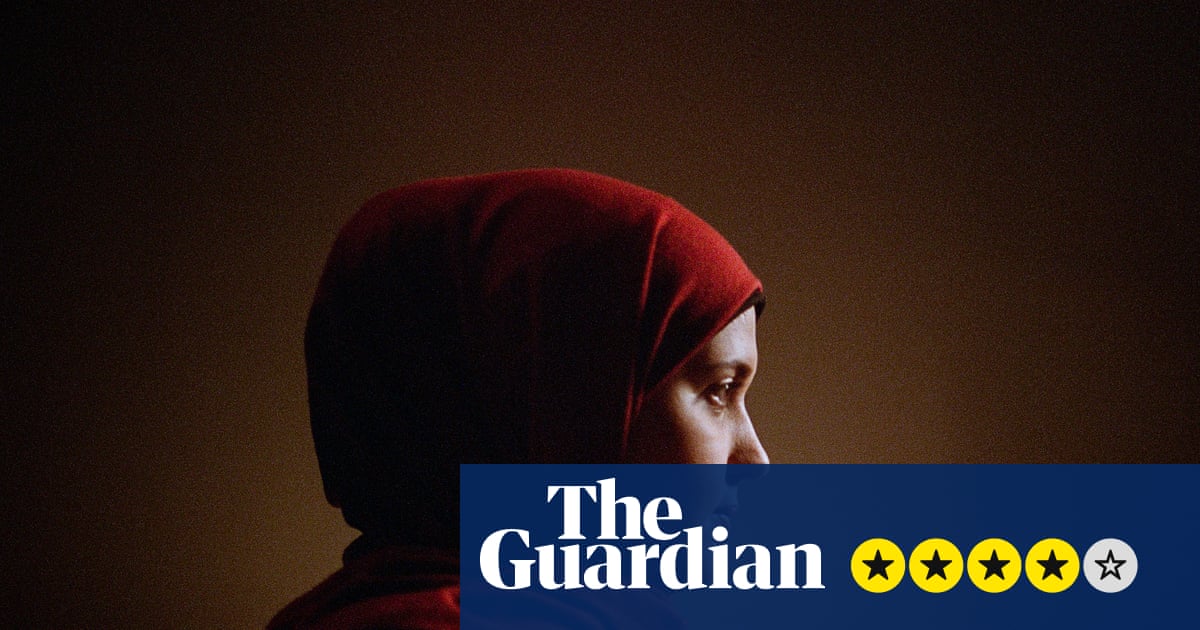
Сирийн иргэний дайнаас дүрвэсэн нэгэн гэр бүлийн 10 жилийн хугацаанд туулсан замнал, соёлын өөрчлөлт болон амьдралын шинэ эхлэлийн тухай өгүүлсэн баримтат киног олон нийтэд танилцуулахаар болжээ.
Итаб Аззам болон Жак МакИннес нарын найруулсан “One in a Million” баримтат кино нь 2015 оноос 2025 он хүртэлх хугацаанд Сирийн иргэн Нисрийн гэр бүлийн дүрвэгчээр амьдарсан түүхийг харуулдаг. Тус кино нь дүрвэгчдийг зөвхөн хохирогч эсвэл аюул заналхийлэл гэсэн хоёр туйлшралаас ангид байж, тэдний амьдралын нарийн төвөгтэй бодит байдлыг илэрхийлэхийг зорьжээ.
Киноны гол дүр болох Нисрийн охин Исраагийн Туркийн Измир хотоос Герман улсын Кёльн хот руу шилжин суурьшсан үеийн соёлын ялгаа, дасан зохицох үйл явц нь гол агуулга болдог. Шинэ орчинд дасан зохицох явцдаа Исраа өөрийн Сири болон лалын шашны таниулахуйг дахин нээж, улмаар эх орондоо буцаж очиж буй үйл явдал нь гэр бүлийн гишүүдийн дотоод өөрчлөлтийг тодотгож байна.
Гэр бүлийн тэргүүн Тарек шинэ нөхцөл байдалд дасан зохицоход хүндрэлтэй тулгарч, гэр бүлийн харилцаанд зөрчил үүсэж буй нь дүрвэгчдийн өөрсдийнх нь амьдралд гарч буй эрс тэс өөрчлөлтийн нэг тал юм. Энэхүү баримтат кино нь 11-р сарын 6-наас эхлэн Их Британи болон Ирландын кино театруудаар албан ёсоор гарч эхэлнэ.
Дэлгэрэнгүйг эх сурвалжаас харах
↓Эх сурвалжийг нээх ↓
There’s a startling moment in this BBC refugee documentary when Syrian mother Nisreen – in the apparently miserable situation of hiking across the Balkans towards Germany, four kids in tow – suddenly explodes with joy. “This is the best holiday I’ve ever had! It’s an amazing adventure. Now I have the chance to walk in the rain – I love it!” Shunted off early into an arranged marriage, never having left Syria until forced out of Aleppo by the civil war, for Nisreen this running jump into the unknown represents total liberation.
Itab Azzam and Jack MacInnes’ superb, forthright and highly moving film bypasses the usual refugee dichotomies, that they’re either external threats or history’s victims. Instead of flat abstractions, we get the knotty reality. Focused over a 10-year period from 2015 to 2025 principally on Nisreen’s eldest daughter Israa, it presents an intimate chronicle of how geographical displacement and cultural dislocation reshape families and lives from the inside.
Eleven years old in the Turkish city of Izmir, Israa is a quick-smiling street vendor waiting to cross the Aegean; cheery despite the upheaval because of seemingly unbreakable family solidarity. Just a few years later in Cologne, she is a Justin Bieber-worshipping, football-playing teenager who lauds democracy for giving her the freedom to do whatever she wants. Which is increasingly too much for her dad, Tarek, who approves of change “with limits” – so is unaware of her secret boyfriend. He puts his foot down when Israa and Nisreen apply makeup in front of the film-makers’ cameras on the latter’s birthday. Israa is distraught. But soon he has no one to control; Nisreen, who has fanatically embraced western feminism, kicks him out of the house.
It’s a wrenchingly immediate demonstration of the neglected flip side to discussions of how immigrants alter host countries – and how the immigrants themselves are also changed in the process. Through the young man who becomes her husband, Israa slowly comes to a rapprochement with her Syrian and Muslim identity – and finally makes an Ithacan return to Aleppo. But the damage is harder to repair for once-respected shawarma chef Tarek, who in his own moment of truth admits he made his family pay for his loss of status. As his daughter says at the start: “War is not as hard as what comes after.”
Azzam and MacInnes’ film is so deft at sifting the debris of the years to highlight these breakthroughs for maximum effect, you wish there was another hour to pore over the path leading there. But it stays the course impressively on external and internal journeys as it highlights the family’s hard-won transformations.

