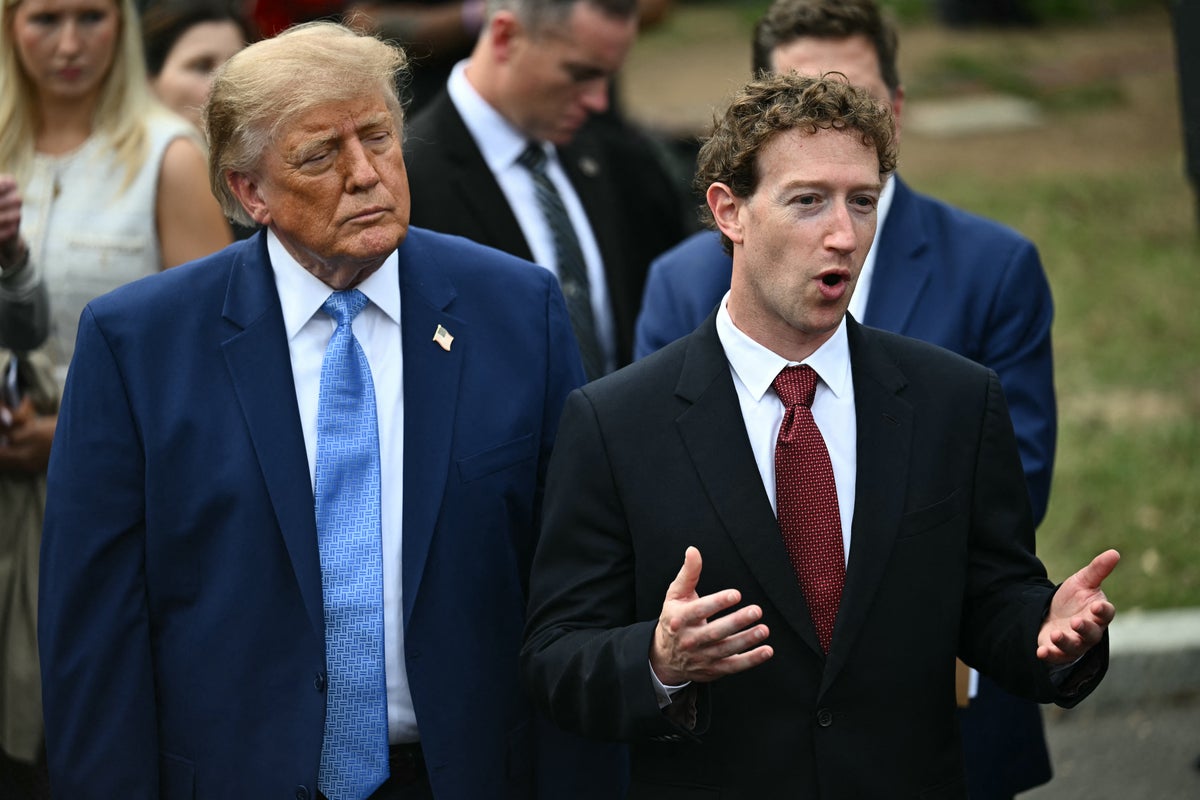
Калифорничууд мягмар гарагт нэг тэрбум ам.доллараас дээш хөрөнгөтэй иргэдэд нэг удаа таван хувийн татвар ногдуулах саналыг хэлэлцэх бөгөөд орлогын ихэнхийг эрүүл мэндийн салбарын холбооны санхүүжилтийн таналтыг нөхөхөд зарцуулахаар тусгажээ.
Пропозишн 40 батлагдвал Калифорни АНУ-д тэрбумтнуудын цэвэр хөрөнгөнд татвар ногдуулсан анхны муж болно. Саналын төлөөх, эсрэг кампанит ажил мужийн түүхэн дэх хамгийн өндөр өртөгтэй улс төрийн тэмцлүүдийн нэг болж, эсэргүүцэгч тал дэмжигчдээс арав дахин их санхүүжилт босгожээ.
Сенатор Берни Сандерс уг татварыг хөрөнгийн тэгш бус байдлыг бууруулах алхам гэж үзэж байгаа бол амбан захирагч Гэвин Ньюсом чинээлэг иргэд мужийг орхиж, татварын орлого буурч болзошгүйг анхааруулжээ. Google-ийг үүсгэн байгуулагч Сергей Брин, Ларри Пейж нар санал ил болсны дараа мужаас холбоогоо тасалж эхэлсэн бол Марк Закерберг Калифорнид найман жил үлдэж, Meta-тай байгуулсан тохиролцоогоор компанийн эзэмшлээ алдалгүй татвараа төлөхөөр болжээ.
Эрүүл мэндийн ажилтнуудын SEIU үйлдвэрчний эвлэл саналыг дэмжиж, холбооны санхүүжилтийн таналтаас шалтгаалан муж таван жилд 100 тэрбум ам.долларын эрүүл мэндийн санхүүжилт алдана гэж тооцоолжээ. Харин Planned Parenthood, Калифорнийн Багш нарын холбоо зэрэг байгууллага орлогыг хэрхэн хуваарилах болон чинээлэг татвар төлөгчид олноороо явбал төсөвт үзүүлэх нөлөөнд санаа зовниж, эсэргүүцэгчдийн талд нэгджээ.
Калифорнийн олон нийтийн бодлогын хүрээлэнгийн аравдугаар сарын дунд үеийн санал асуулгаар сонгогчдын 52 хувь нь татварыг эсэргүүцэж, 46 хувь нь дэмжсэн нь есдүгээр сарын эхэн үеийн дүнгээс эсрэг чиглэлтэй байв. Гэвч татварын саналыг олонх дэмжсэн ч түүнийг хүчингүй болгох зорилготой, мөн саналын хуудсанд буй хоёр төслийн аль нэг нь илүү олон “тийм” санал авбал хэрэгжихгүй; эдгээр төслийг дэмжигч Building a Better California хороо 333 сая гаруй ам.доллар босгосны 30 орчим хувийг Брин гаргажээ.
Дэлгэрэнгүйг эх сурвалжаас харах
↓Эх сурвалжийг нээх ↓
Want to bookmark your favourite articles and stories to read or reference later? Start your Independent Membership today.
Already a member?
Californians vote Tuesday on whether to tax billionaires’ net worth, a ballot measure that has split liberal leaders and drawn enormous spending from the ultra-rich.
The proposal, Proposition 40, would impose a one-time 5% tax on Californians with net worths exceeding $1 billion.
Most of the revenue would go towards replacing federal funding cuts to healthcare.
If it passes, California would become the first state in the nation to tax billionaires‘ net worth.
The fight over the measure has become one of the most expensive ballot fights in state history, as the ultra-rich scramble to decide whether to pay the tax or flee.
Vermont Sen. Bernie Sanders has framed the proposal as a monumental step toward reining in deep wealth inequality by ensuring the ultra-rich pay their fair share.
But Democratic Gov. Gavin Newsom warns it would prompt the state’s wealthiest to leave California and take their tax money with them.
The campaign against the measure has raised roughly 10 times as much as the campaign for it.
Much of that money has come from tech moguls and venture capitalists, who have poured millions into a political action committee fighting the measure.
Billionaires are already bracing for its approval.
Some of them, including Google co-founders Sergey Brin and Larry Page, started cutting ties with the state after the measure was unveiled.
Mark Zuckerberg said he would stay in California for eight years and made a deal with Meta that would help him pay the tax without losing his ownership stake in the company.

The proposed tax is backed by the powerful labor union SEIU United Healthcare Workers West, whose supporters say it is needed to help the state backfill the federal funding cuts.
The union estimates the state will lose $100 billion in federal healthcare funding over five years.
“It’s time to collect those taxes so we can ensure that our healthcare system is still safe,” said Lorena Gonzalez, president of the California Federation of Labor Unions.
But some traditional Democratic allies, including Planned Parenthood and the California Teachers Association, are part of a coalition opposing it.
They are concerned about how the tax revenue would be divvied up and about the potential impact on the state’s budget if there’s a mass exodus of wealthy taxpayers.
California’s budget relies heavily on the income tax of the state’s richest residents.

Californians are divided on the measure.
In a mid-October poll by the Public Policy Institute of California, likely voters were slightly more likely to oppose the measure than support it, with 52% saying they would vote “no” and 46% saying they would vote “yes.”
That’s an apparent shift from a PPIC survey conducted in early September, when 52% of likely voters said they’d vote for the tax and 46% said they’d vote against it.
Robert Swonger, an auto glass technician living near Sacramento who’s politically independent, said he planned to vote against it.
“Obviously, I would like billionaires not to have as much money as they do,” he said. “But I don’t believe taxing them out of existence is going to work.”
Anthony Serrano, a Democrat living in Folsom who works for Kaiser Permanente, one of the nation’s largest not-for-profit healthcare plans, said he was leaning toward voting for the tax because he tends to support “anything that is a positive for healthcare.”
Even if the measure wins approval from a majority of voters, it would be blocked from taking effect if at least one of two measures designed to nullify it, which are also on this year’s ballot, passes and receives more “yes” votes.

The proposals, which are backed by the political action committee Building a Better California, include a ban on new taxes on financial assets and other personal property, a category that excludes real estate.
The committee has raised more than $333 million, about 30% of it from Brin.
Progressive politicians, including Sanders and Massachusetts Sen. Elizabeth Warren, have long supported a federal wealth tax.

