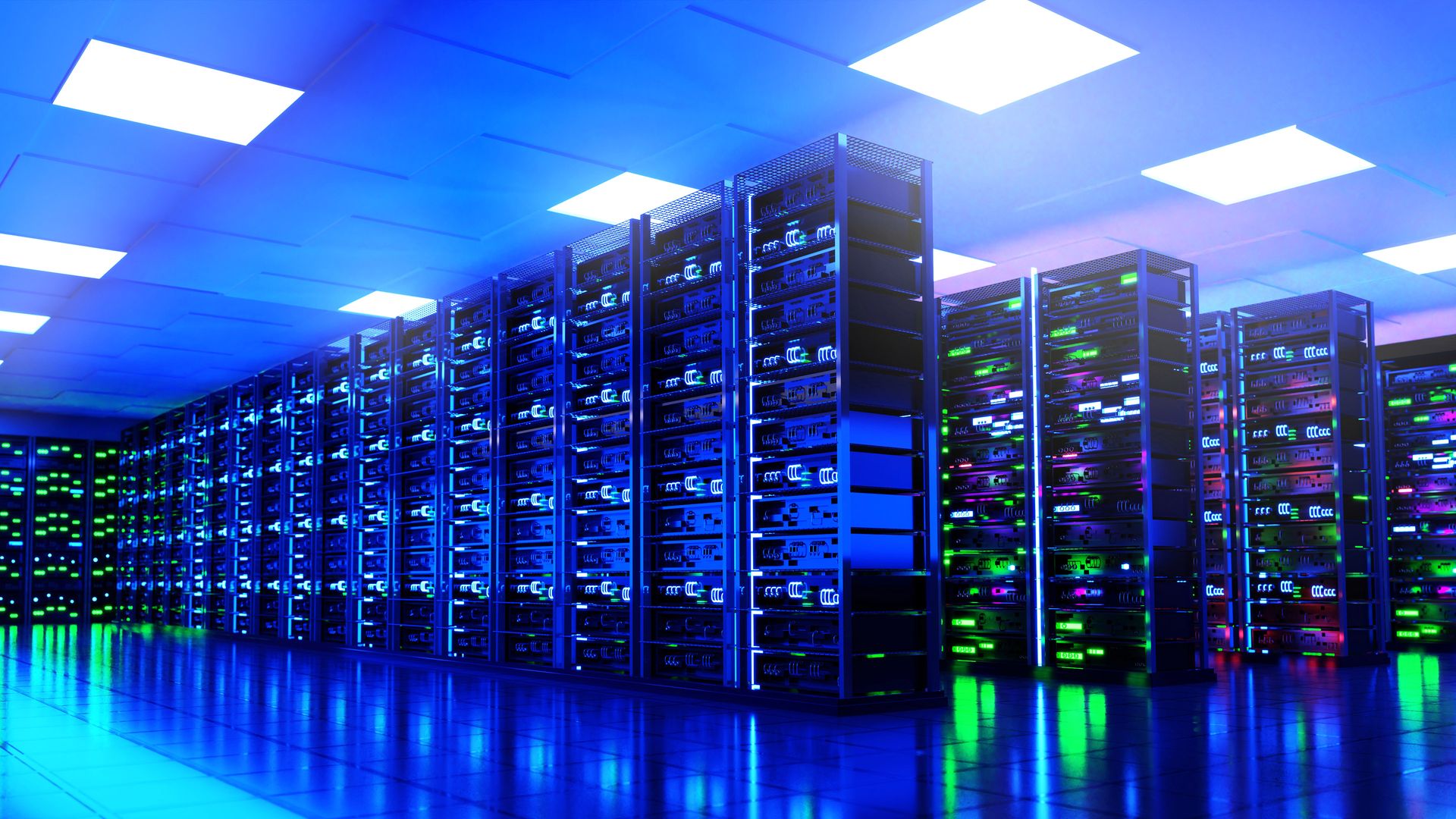
Физик дэд бүтцийн виртуал загвар нь хөрөнгө оруулалт хийхээс өмнө эрсдэлийг туршиж, системийн ажиллагааг сайжруулах боломж олгоно.
Дижитал ихэр нь дата төвийн серверийн тавиур, хөргөлт, эрчим хүчний хуваарилалт зэрэг байгууламжийг виртуал орчинд нарийвчлан дүрсэлж, өөр өөр хувилбарыг бодит системд хэрэгжүүлэхээс өмнө турших технологи юм. Ингэснээр операторууд төлөвлөлт, туршилт, ашиглалтын үр ашгийг сайжруулж, өндөр өртөгтэй тасалдлын эрсдэлийг бууруулах боломжтой. McKinsey-ийн мэдээлснээр, дижитал ихэр ашиглах нь шинэ төслийн бүтээн байгуулалт, нэвтрүүлэлтийг 60 хүртэл хувиар хурдасгаж, зардлыг ойролцоогоор 15 хувиар бууруулж чадна.
Хиймэл оюун ухааны ажлын ачаалал нэмэгдэж, тогтвортой байдлын шаардлага чангарч буй энэ үед хүснэгт, статик загвар зэрэг уламжлалт төлөвлөлтийн арга хүрэлцэхгүй болж байна. Гэсэн ч дата төвийн шийдвэр гаргагчдын 42 хувь нь л дижитал ихэр ашиглаж байгаа аж. Үр дүнтэй загвар бүтээхэд 3D дүрслэлээс гадна мэдээллийн технологи болон үйл ажиллагааны технологийн системүүдийг уялдуулах, өгөгдөлд дүн шинжилгээ хийх, үр дүнг тайлбарлах мэргэжилтэн шаардлагатай.
Эдгээр системийг тус тусад нь төлөвлөх нь харилцан хамаарлыг орхигдуулж, доголдлын үед эрсдэл үүсгэж болзошгүй. Тухайлбал, цахилгаан тасрахад нөөц үүсгүүр ажиллаж, ажлын ачааллыг өөр төв рүү шилжүүлсэн ч хөргөлтийн систем мэдээллийн технологийн ачаалал нэмэгдсэнийг тооцохгүй бол серверийн температур хэт өсөх эрсдэлтэй. Дижитал ихэрт ийм хувилбарыг туршсанаар бэлэн байдлын сул талыг үйлдвэрлэлийн системд нөлөөлөхөөс өмнө илрүүлж болно.
Операторууд цахилгаан, хөргөлтийн доголдол болон тоног төхөөрөмжийн эвдрэлийг загварчилж, ослын үеийн сэргээн босгох төлөвлөгөөг шалгах, үйлчилгээний түвшний гэрээгээр амласан тасралтгүй ажиллагааг хангах боломжтой. Гэвч Их Британийн операторуудын 58 хувь нь чухал ажлын байраа нөхөхөд хүндрэлтэй, 40 хувь нь үндсэн багийнхаа ажилтнуудыг тогтоон барихад бэрхшээлтэй гэжээ. Энэ нь дижитал ихрийн загварчлалыг удирдах мэргэжилтэн дутагдаж буйг харуулж байна.
Дэлгэрэнгүйг эх сурвалжаас харах
↓Эх сурвалжийг нээх ↓
Digital twins are not simply tools for simulation. They’re assets that have the potential to reconfigure how data centers are designed, tested and optimized. Many operators have already been quick to catch on to the advantages these tools offer, de-risking critical decisions, accelerating innovation, and optimizing performance.
The majority of technology leaders in major corporations are already looking to implement digital twin initiatives. Despite this, only 42% of decision-makers in data centers are currently using digital twins, with many still perceiving them as internal tools.
In an industry where downtime is incredibly costly, and infrastructure decisions have long-term consequences, the ability to ‘test drive’ different scenarios in a risk-free environment isn’t just an advantage, it’s a gamechanger.
In fact, according to McKinsey, the implementation of digital twins can accelerate the creation and setup of new projects, including AI-enabled features, by up to 60% and cut costs by around 15%.
A 360-degree view of operations
The data center industry is facing a perfect storm of complexity. Rapid growth in AI workloads, stringent sustainability requirements, and unprecedented IT infrastructure investment are all converging. Traditional approaches to planning and testing – spreadsheets, static models, and gut instinct – simply can’t keep up. Enter digital twins: precise virtual replicas of physical data centers that enable operators to simulate scenarios, test configurations, and optimize performance before committing resources to real-world deployment.
Digital twins aren’t new. Manufacturing, aerospace, and energy sectors have been using them for years. But their application to data centers represents a significant leap forward in how the industry approaches design, operations, and resilience planning. By creating a comprehensive digital replica – from server racks to HVAC systems to power distribution – operators can run “what-if” scenarios that would be impossible or prohibitively expensive to test in production.
The value proposition is clear: reduce risk, accelerate time-to-market, and optimize resource allocation. But the devil is in the details. Building an effective digital twin requires more than just 3D modeling software. It demands deep integration across IT and OT systems, sophisticated data analytics, and the right talent to interpret results and translate them into actionable insights.
AI initiatives face similar hurdles. Just 25% of AI implementations have achieved expected ROI, likely hindered by poor system integration and ineffective strategies for data management.
Eradicating IT/OT siloes
One of the most transformative capabilities of digital twins is their ability to expose hidden interdependencies between IT and OT systems. In traditional data center planning, these systems are often designed and managed in silos. IT teams focus on compute, storage, and networking. OT teams handle physical infrastructure – power, cooling, and building management. This separation creates blind spots that can lead to catastrophic failures under stress.
Let’s look at an example. Imagine that a data center provider simulates a regional power grid failure. Primary power is cut, backup generators take over seamlessly, and failover scripts reroute workloads to a secondary facility. HVAC and building management systems (BMS), which are not integrated with IT systems, continue running in standard operating mode.
The HVAC system, functioning separately to the simulated power outage and increased IT load, does not adjust cooling to match the spike in server activity. In a real-life scenario, this could result in server aisles nearing thermal shutdown. When systems are not “in dialogue” with one another, and the physical interdependencies between IT and OT systems are not well understood, operators end up with a false sense of readiness.
Another issue is that the industry currently lacks the talent to deploy digital twin technologies. 58% of operators in the UK currently struggle to fill critical roles, whilst 40% state that retaining their core team is particularly difficult. This revolving door of talent can make upskilling a challenge and, as things stand, there aren’t enough experts who understand how to direct simulations.
A test-drive – for the data center
Just as manufacturers test production line changes in their digital twin before implementing them on the factory floor, data center operators can simulate cooling adjustments, power reconfigurations, or workload migrations in their digital twin before touching production infrastructure. The ability to test failure scenarios such as power outages, cooling failures and equipment malfunctions enables operators to check if their disaster recovery procedures actually work and identify gaps before they become real-world crises.
Finally, digital twins are making a real difference in helping operators to draw up Service Level Agreements (SLAs) with customers, providing assurance that they can deliver on certain levels of uptime. As operators look to scale their infrastructure in line with the exponential growth of AI, digital twins have a critical role to play, ensuring performance isn’t comprised even as capacity expands.
Backup your data with the best cloud backup services.
This article was produced as part of TechRadar Pro Perspectives, our channel to feature the best and brightest minds in the technology industry today.
The views expressed here are those of the author and are not necessarily those of TechRadarPro or Future plc. If you are interested in contributing find out more here: https://www.techradar.com/pro/perspectives-how-to-submit

