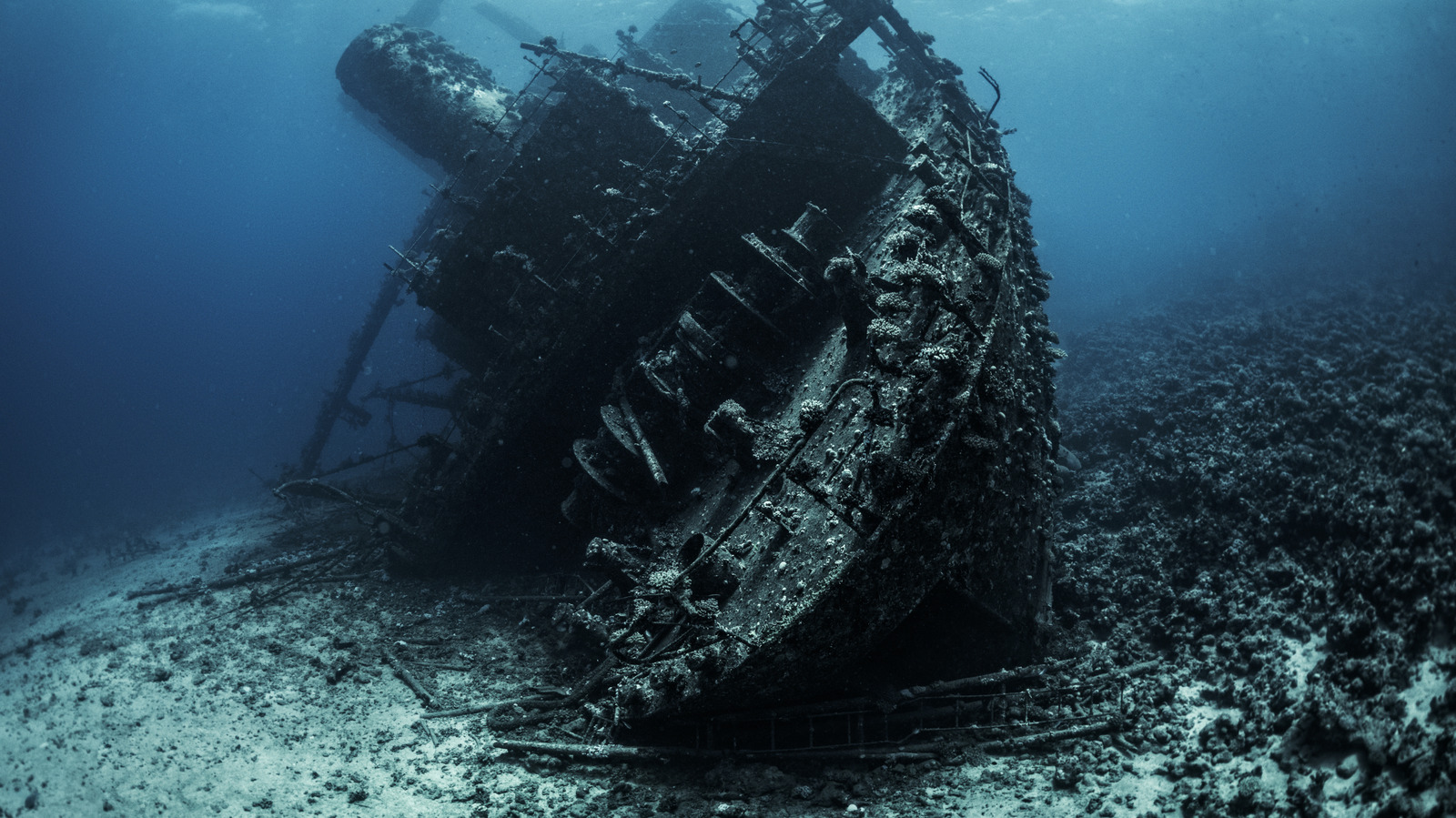
Дэлхийн дайнд оролцсон хөлөг болон худалдааны усан онгоцнуудын сүйрлийн байршил өнөө хүртэл тодорхойгүй хэвээр байна.
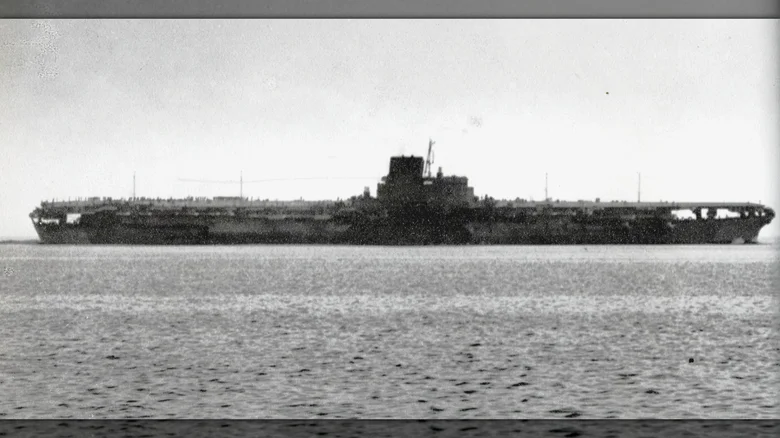
Далайд живсэн хөлгүүдийн заримыг олон арван жилийн дараа олдог ч заримынх нь байршил тогтоогдоогүй байна. Дэлхийн II дайны үед Японы тэнгисийн цэргийн 62 мянган тонн нүүлгэн шилжүүлэх багтаамжтай, 100 гаруй нисэх онгоц тээвэрлэх боломжтой Shinano нисэх онгоц тээгчийг USS Archerfish шумбагч онгоц зургаан торпедогоор довтолж, дөрвийг нь оносноор живүүлжээ.
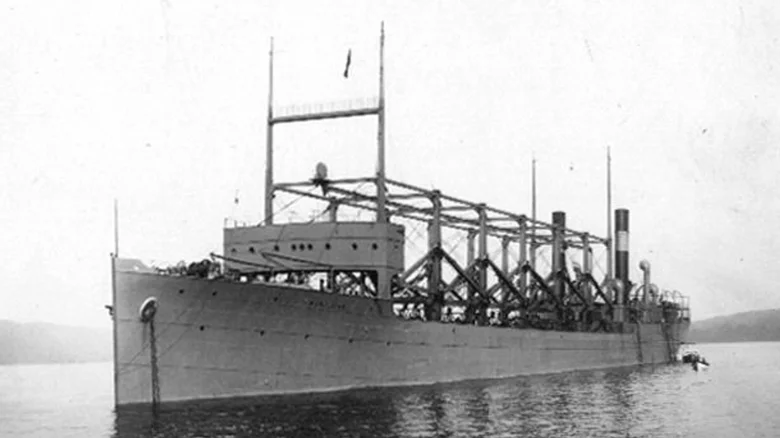
Дэлхийн I дайны үеэр холбоотнуудын хөлөгт шатахуун нийлүүлж байсан USS Cyclops 14,800 тонн манганы хүдэр тээвэрлэн явж байгаад 306 хүний хамт сураггүй болсон бол Pearl Harbor-ын довтолгоонд хөмөрсөн USS Oklahoma-г 1943 онд уснаас гаргаж, 1947 онд чирж явах үед шуурганд живсэн байна.
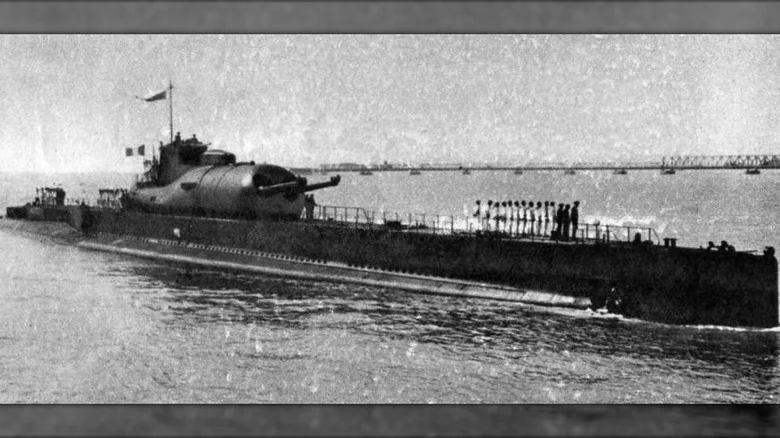
Францын Surcouf шумбагч хөлөг 1942 оны хоёрдугаар сарын 18-нд Панамын сувгийн хойд хэсэгт сураггүй болжээ. Түүнийг Thompson Lykes хөлөг хагас живсэн зүйлтэй мөргөлдсөн байж болзошгүй гэж америкчууд үзэж байсан ч энэ таамаг батлагдаагүй.
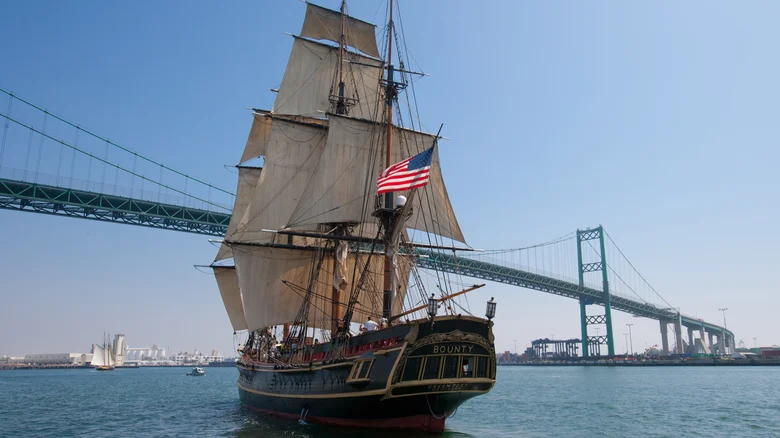
1779 онд Flamborough Head-ийн тулалдаанд HMS Serapis-тай байлдсан USS Bonhomme Richard галд автан, усанд автсаны дараа есдүгээр сарын 25-нд живсэн бөгөөд сүүлийн үеийн Bounty хөлөг 2012 онд Sandy хар салхины үеэр живэхэд багийн 16 хүний 14-ийг аварчээ; анхны Bounty-г 1957 онд олсон байна.
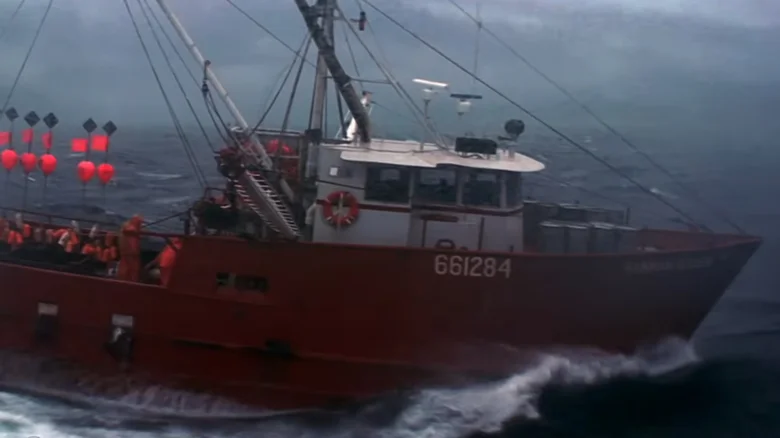
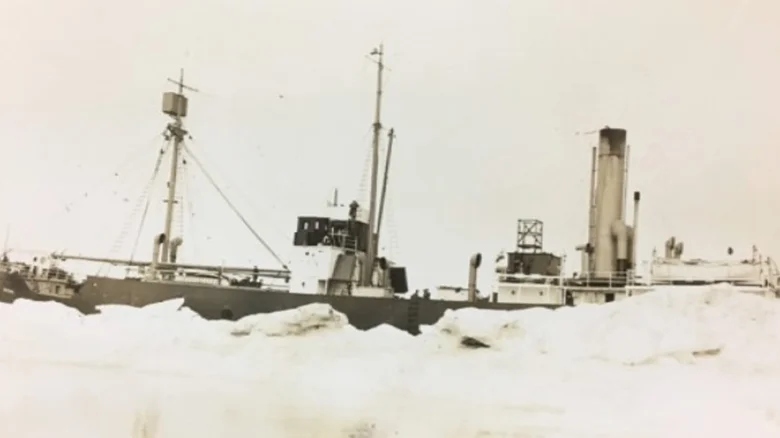
Загас агнуурын Andrea Gail хөлөг 1991 оны аравдугаар сард Хойд Атлантын далайн хүчтэй шуурганд орж, зургаан хүний бүрэлдэхүүнтэйгээ алга болсон бөгөөд сүйрлийг нь олоогүй. 1931 онд Аляскийн ойролцоох мөсөнд гацсан Baychimo хөлгийг хэдэн арван жилийн турш харсан тухай мэдээлэл гарч, хамгийн сүүлд 1969 онд ажиглагдсанаас хойш сураггүй болжээ.
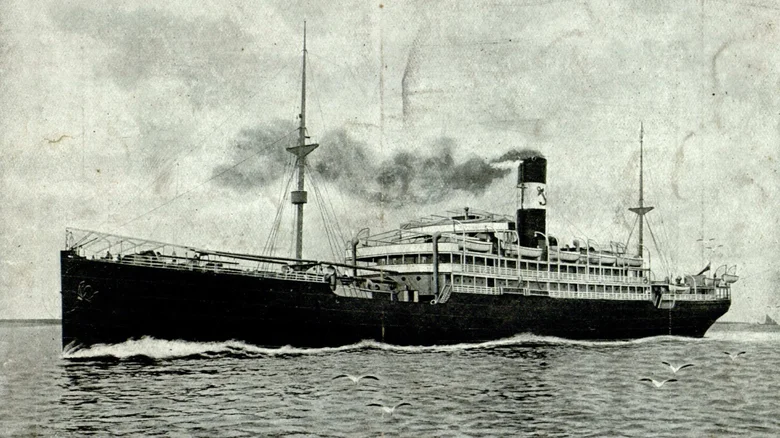
Өмнөд Африкийн эргээс Энэтхэгийн далайд алга болсон Waratah хөлгөөр 200 гаруй хүн зорчиж байсан бөгөөд түүний сүйрлийн шалтгаан, байршил тогтоогдоогүй байна.
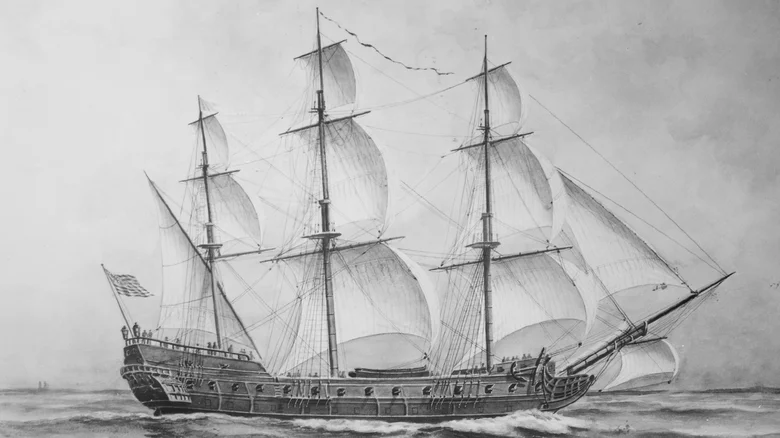
Их нууруудыг судлах, үслэг эдлэлийн худалдаанд оролцохоор явсан Францын Le Griffon хөлөг 1679 онд Lake Michigan орчимд алга болсон бөгөөд шуурганд сүйдсэн байж болзошгүй ч баттай ул мөр олдоогүй.
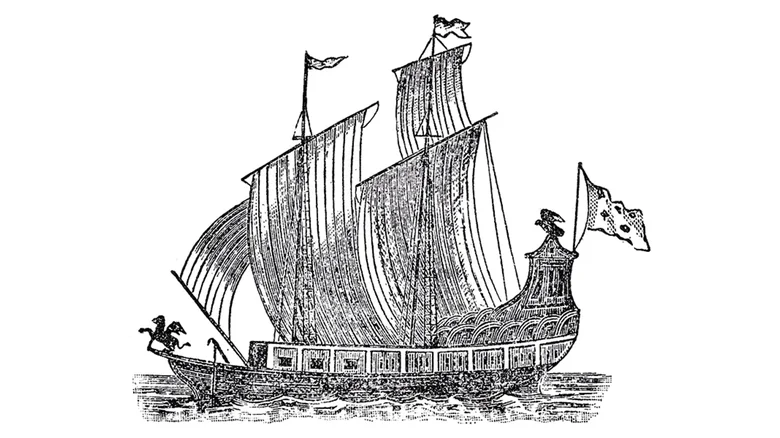
1641 онд Английн Cornwall-ийн эргээс живсэн Merchant Royal хөлөг алт, мөнгө, үнэт эдлэл тээвэрлэж явсан бөгөөд ачааны үнэ цэнийн талаарх тооцоо харилцан адилгүй байдаг.
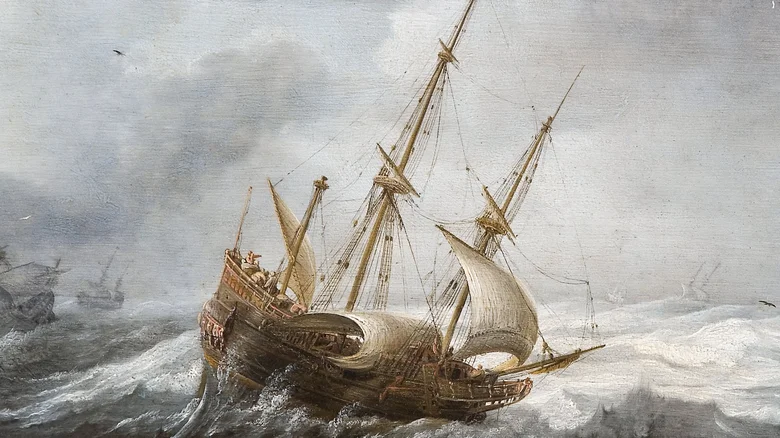
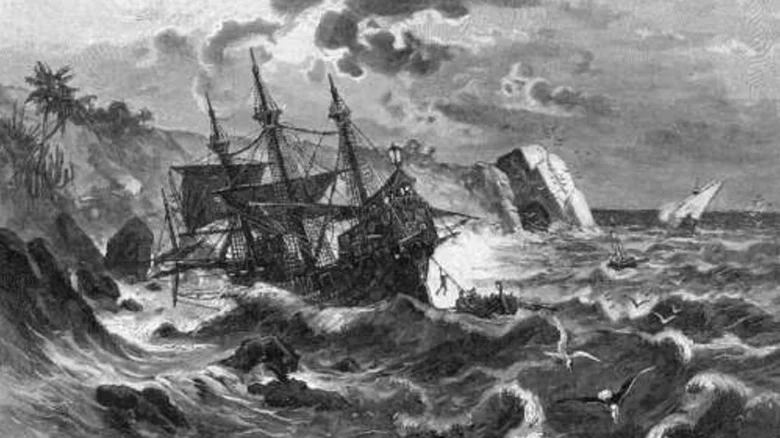
Колумбын 1492 оны аяллын тэргүүн хөлөг La Santa María 1492 оны арванхоёрдугаар сарын 24-нд өнөөгийн Гаити орчмын элсэнд сууж, багийнхан нь модыг нь авч ашигласан ч үлдсэн хэсгийн байршил тодорхойгүй хэвээр байна.
Дэлгэрэнгүйг эх сурвалжаас харах
Эх сурвалжийг нээх ↓
Humanity has been using boats for thousands of years, and the practice goes back significantly furtherthan recorded history. Because we’ve been taking various boats onto the water for longer than our history, the ocean floors and the bottoms of lakes are littered with shipwrecks of the past. There are likely thousands upon thousands of sunken ships that will never be found, though we do stumble upon ancient wrecksfrom millennia ago every so often.
Whether a vessel was lost in combat, taken out by a storm, or disappeared without any record of what happened to it, it’s not uncommon for a wreck to be lost. The RMS Titanic, which is arguably the best-known shipwreck in history, was lost for decades. The famous wreck wasn’t located until September 1, 1985, which was over 73 years after it sank on April 15, 1912.
Large military combat vessels have also been lost and later found, and while modern technology protects sailors better than in the past, wrecks still occur. Many are located, most aren’t, and some of the world’s most famous shipwrecks continue to elude discovery. Each of these famous vessels sank for one reason or another, and the site of their wreckage has yet to be discovered.
Bounty
Tim Rue/Getty Images
The HMS Bounty was a famous vessel of the 18th century, due largely to its historic mutiny and the film covering it, “Mutiny on the Bounty.” That film came out in 1962, and while it couldn’t use the real Bounty, which sank and was found in 1957, it did feature an exact replica (pictured). The Bounty was built in 1960 for the film, but unlike most movies, the production opted for a seaworthy replica of the original ship instead of relying on sets or other existing vessels.
After filming wrapped, MGM held onto the Bounty, turning it into a tourist attraction. It was later used in different films, including “Yellowbeard.”The ship was maintained and refitted, and it was listed for sale in 2010 for $4.9 million, but nobody bought it. On October 21, 2012, the Bounty departed from the Boothbay Harbor Shipyard, which was a rather inopportune time to set sail.
At the time, Hurricane Sandy was already causing trouble along the northeast coast of the U.S. The ship sailed into the hurricane and reached out to the U.S. Coast Guard for help. Unfortunately, it took time for an MH-60 Jayhawk to reach the sinking ship, though 14 of the ship’s 16 people were safely recovered. The Bounty sank around 123 nautical miles southeast of Cape Hatteras, North Carolina.
FV Andrea Gail
Another boat that was made famous by a major motion picture is the FV Andrea Gail, the fishing vessel at the center of the film “The Perfect Storm”(pictured). The movie was based on the real-life sinking of the Andrea Gail, which found itself in the so-called “Perfect Storm of 1991,” where it met incredibly rough water in the North Atlantic ocean. The vessel and its six-man crew were based out of Gloucester, Massachusetts, and fished for swordfish.
After some unproductive fishing, Capt. Frank W. “Billy” Tyne Jr. steered the Andrea Gail towards the Flemish Cap off the coast of Newfoundland and Labrador, Canada, hoping to improve the ship’s chances of filling its stores. When the ship’s ice machine started having problems, he turned the ship home on October 26 or 27, 1991. At the time, weather conditions worsened significantly, and the Andrea Gail sailed right into a deadly nor’easter.
The film dramatizes what happened, because what truly befell Andrea Gail remains unknown, or at the very least, unconfirmed. On October 29, the fishing vessel met incredibly high waves topping 30+ feet and deadly 80-knot winds, ultimately succumbing to the storm. While a search was conducted to locate the Andrea Gail and its crew, there was no trace of them, and all six men were lost, as was the wreck, which has never been located.
USS Oklahoma (BB-37)
On December 7, 1941, the Empire of Japan launched a sneak attack against U.S. Navy targets on Oahu, Hawaii, including Pearl Harbor. The attack focused primarily on the ships moored at Battleship Row, and it was largely successful. One of the major ships sunk during WWII in the attack was the USS Oklahoma (BB-37). While the USS Arizona (BB-39) remains submerged to this day as a memorial to the 1,177 men lost, the Oklahoma wasn’t as badly damaged.
It capsized, taking 429 crewmembers with it. The battleship was then salvaged and returned to the surface in 1943. Most of the damaged battleships from the attack were returned to service after repairs, but the Oklahoma wasn’t one of them. Instead, the damage was deemed too severe to repair the ship, which was originally commissioned in May 1916, so it was stripped of its vital components.
Still, it was made to float once more before moving into a drydock to remove the its guns and whatever else could be salvaged. While it was being towed from Hawaii to California in May 1947, the Oklahoma was caught in a storm and sank. Its location in the Pacific Ocean has yet to be found.
IJN Shinano
Japan’s attack on Pearl Harbor was meant to weaken the U.S. Navy in the Pacific, leaving room for Japanese aircraft carriers to dominate. That strategy ultimately failed, but along the way, Japan produced some incredibly impressive ships. In 1944, the IJN Shinano launched as the largest aircraft carrier ever built up to that time, and it was truly impressive. Initially, the Shinano started out as a Yamato-class battleship, but during construction, it shifted into a new class of flat-top.
The Shinano measured 872 feet long and boasted a huge flight deck with a large hangar beneath to repair and service aircraft of all kinds, including fighters, dive bombers, and torpedo planes. It could host 100+ aircraft, dwarfing the U.S. Navy’s Essex-class carriers. The Shinano was developed secretly and launched with a displacement weight of 62,000 tons. An Essex-class carrier displaced less than half that, making the Shinano an enormous carrier.
Unfortunately for Japan, the Shinano never saw combat, though it was rushed to an early launch on November 11, 1944, with a commissioning occurring eight days later. On November 29, 1944, the submarine USS Archerfish (SS-311) found the Shinano and fired six torpedoes at the massive ship, hitting it with four and sinking, making it the largest warship ever sunk by a submarine. Despite its size, the Shinano’s wreckage has yet to be found.
Surcouf
During WWII, the French Navy, which later became the Free French Naval Forces, operated several ships, including the Surcouf, a cruiser submarine. It was launched on October 18, 1929, and was well-armed with 10 torpedo tubes, 203 mm deck guns, anti-aircraft guns, and even had a floatplane. It was the world’s largest submarine when it was completed, and it packed a punch compared to its contemporary competition.
It participated in several operations during WWII and was dispatched in early 1942 for the Pacific theater. The Surcouf left Bermuda for the Panama Canal on February 12, 1942, but it never made it to the canal. The submarine vanished without a trace on the evening of February 18 when it was around 70 miles north of Cristóbal, Panama. While there was never any confirmation of what happened, the Americans believed the Surcouf was ridden over by the Thompson Lykes.
This was due to the ship hitting a partially submerged object, though nobody onboard knew about the French submarine operating in the area. Of course, the truth of what befell the Surcouf will likely remain lost until its wreckage is found, which has yet to happen. The French Navy continues to honor the name Surcouf with its newest frigate, which is the fifth ship to carry the name.
SS Baychimo
Typically, when a ship is declared Lost At Sea, it’s actually lost at sea, but that’s not exactly what happened to the SS Baychimo. The cargo steamer was built in 1914, and it primarily sailed around Canada and Alaska, where it delivered food, fuel, and other supplies in exchange for fur pelts as part of the ongoing fur trade. While on a trading run, the Baychimo became mired in pack ice near Barrow, Alaska, on October 1, 1931.
The crew sheltered in Barrow, and the ship was soon freed, but it became trapped once more on October 8. Unfortunately, getting the Baychimo out of the ice a second time was proven impossible. The crew hadn’t officially abandoned the ship by that point, but they later decided that it wouldn’t survive the winter.
They recovered the valuable fur cargo from its hold and abandoned the ship. From that point on, the Baychimo became one of the most famous ghost ships of the Arctic Ocean, as documented sightings occurred for several decades. The last time anyone was recorded seeing the Baychimo was when it was found trapped in ice once more between Icy Cape and Barrow in 1969. After that, the ship completely disappeared, leaving its fate uncertain, though it almost certainly sank.
USS Cyclops (AC-4)
Prior to the outbreak of World War I, the U.S. Navy operated several Proteus-class colliers, which were a type of fuel ship. One such vessel was the USS Cyclops (AC-4), which was commissioned on May 1, 1917, for service during the war. The Cyclops spent time in the Caribbean and the surrounding waters, refueling British and American ships. On February 18, 1918, the Cyclops left Rio de Janeiro for Salvador while carrying a load of Manganese Ore.
It was to deliver its ore to Baltimore, Maryland, but the ship never arrived. A previous report by Cmdr. Worley detailed several structural concerns, including a cracked engine that was inoperable. Despite the Cmdr.’s concerns, the Navy ordered the Cyclops to proceed to the U.S. for repairs and to deliver its 14,800 tons of cargo. That was beyond what it could safely carry, but the Cyclops made it to Barbados on its way to Baltimore.
The ship was expected on March 13, 1918, but it was lost somewhere in the Bermuda Triangle. The Cyclops and its crew were never heard from again, and the Cyclops was declared lost with all hands (306 people), making the sinking of the USS Cyclops the deadliest U.S. Navy disaster to occur outside of combat. Attempts were made to locate the ship or its wreck, but neither was ever found.
SS Waratah
The SS Waratah was a commercial vessel that sailed for the Blue Anchor Line, moving passengers and cargo between London and Sydney. The ship’s third voyage from Australia to England marked its final journey. The Waratah departed Port Adelaide, Australia for England on July 7, 1908, and was en route to its destination, but it never made it. The ship was lost somewhere in the Indian Ocean off the coast of South Africa, taking more than 200 people with it to Davy Jones’ Locker.
At the time, the disappearance of the Waratah was dubbed “Australia’s Titanic” for the incredible loss of life, though it’s unclear what precisely happened to the ship. It departed Durban, South Africa, on July 26, 1909, and was spotted by another steamer the following morning. The sighting wasn’t eventful, and both vessels signaled one another via lamp, which was standard operating procedure at the time. The sighting occurred near the mouth of the Mbashe River, and it was the last time the Waratah was seen.
An unconfirmed sighting on July 27 reported excessive smoke billowing from an unidentified steamer matching the Waratah’s size, and it was followed by two bright flashes. After that, the Waratah was gone, and nobody onboard was ever seen again. Its final resting place is unknown, and the wreck has never been found. Though attempts were made to discover what happened, no evidence of its fate was determined.
USS Bonhomme Richard
In 1779, the U.S. acquired a 42-gun frigate from France called Duc de Duras. When it joined the Continental Navy’s fleet, it was redesignated the USS Bonhomme Richard, beginning a long tradition that continued with the USS Bonhomme Richard (LHD-6), a Wasp-class amphibious assault ship that was decommissioned in 2020. During the Revolutionary War, the nascent American navy needed all the help it could get, and France answered the call, handing over the frigate to Capt. John Paul Jones.
The warship initially patrolled alongside merchant vessels and troop transports before participating in the Battle of Flamborough Head on September 23, 1779. The Bonhomme Richard fought against the HMS Serapis over the course of several hours, resulting in heavy losses on both sides. Unfortunately, the Bonhomme Richard was outmatched by the deadlier Serapis, which led its commander, Capt. Richard Pearson, to call for the ship’s surrender.
In a now famous reply, Capt. Jones declared, “Sir, I have not yet begun to fight!” Ultimately, Pearson was forced to surrender to an overwhelming force as the rest of Jones’ ships joined the fight. Unfortunately for the Bonhomme Richard, it burned and took on water. The crew tried to save the ship, but it sank on September 25, 1779, never to be seen again. Jones captured the Serapis and sailed it to port for repairs, having traded one vessel for another through intense naval combat.
Le Griffon
In 1679, Le Griffin, a French ship belonging to René-Robert Cavelier, Sieur de La Salle, a famous fur trader and explorer, became the largest sailing ship on the Great Lakes. The exact size and specifications of Le Griffon have been lost to history, but what is known is that its maiden voyage began in August 1679, with an unknown number of crewmen. The ship was to travel across Lake Erie, Huron, and Michigan to chart unexplored areas and enter the fur trading business.
At some point, Le Griffon stopped at an island near Green Bay, where the crew traded with the local tribe for pelts. On September 18, the ship turned back toward Fort Frontenac, a French trading post at the mouth of the Cataraqui River, but it never arrived. Over the years, numerous claims have purported to find Le Griffon, but each wreck was later identified as another vessel, keeping the truth of what happened to the French ship a mystery.
In 1681, two explorers spoke with the Potawatomi people, who had warned La Salle that against an impending storm. According to their account, the ship’s captain informed them that the ship was not afraid of the winds and he’d set sail regardless. Le Griffon likely succumbed to a storm somewhere on Lake Michigan, but no confirmed trace of it has been found in over three centuries.
Merchant Royal
One of the reasons that makes people so determined to find old shipwrecks is the lost treasure they carried in their cargo holds. Out of all of Spain’s lost shipwrecks, none have garnered as much attention as the Merchant Royal. The English merchant ship carried a massive bounty of precious metals, jewels, and coins, making it one of the most valuable wrecks known to exist. Because of this, many have dubbed it the “El Dorado of the Seas,” as finding it would be akin to locating the famed city of gold.
Some believe that the Merchant Royal carried at least 100.000 pounds of goldand 400 bars of silver. If we trust these figures, the gold alone is would be worth around $6.32 billion now, which is why finding it is the goal of many salvage operators.
The Merchant Royal was launched in 1627, and it traded with Spanish colonies throughout the West Indies for several years.After taking on an additional cargo of treasure, the Royal Merchant began to leak, and the ship sank somewhere off the coast of Cornwall, England, on September 23, 1641. Only 18 members of the crew survived the sinking, though the treasure went down with the ship. Estimates of what precisely was in the hold are varied. The cargo is valued as high as$26.8 billion, though this number is debated. Other estimates suggest £1 billion, while conservative estimates are around $300 million. While some have claimed to find the Merchant Royal, it officially remains lost over 385 years after it sank.
La Santa María
Of all the world’s lost shipwrecks, the Santa María may be the most famous. When Christopher Columbus set sail in 1492 for India, he did so with three ships: La Niña, La Pinta, and La Santa María, which was his flagship. La Santa María de la Inmaculada Concepción was the vessel’s full name, and Columbus captained the vessel on his famous voyage.
It was the largest and slowest of the three ships of the initial expedition, and it managed the Atlantic crossing without incident. On December 24, 1492, after two days spent on land, La Santa María sailed off the coast on a particularly dark evening. The tide was relatively low at the time, and it’s believed that a cabin boy was asleep at the helm when La Santa María ran aground on a sandbar near Cap-Haïtien.
When this happened, the crew stripped the ship of much of its deck wood, which was used to build a fort. While some of the ship was salvaged, most of it remains lost, and its true final resting place is unknown. Columbus noted its approximate location in his log, but the only thing recovered from the area centuries later was an anchor, which is now in the Smithsonian Museum despite a lack of provenance proving its authenticity.

