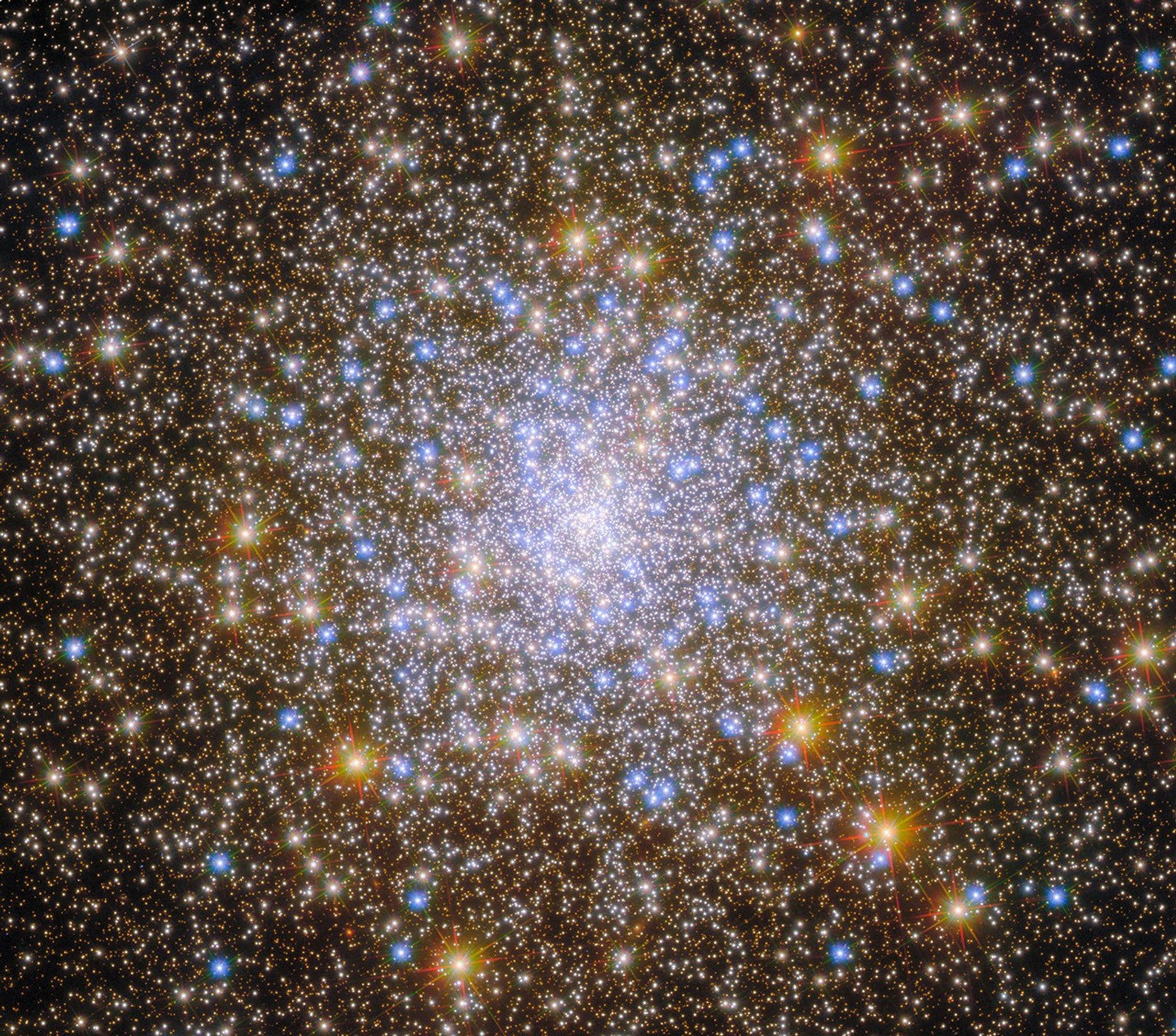
Мессье 30 болон бусад бөөгнөрлийн хөдөлгөөн, гэрлийг шинжлэх нь манай галактик хэрхэн бүрэлдсэнийг тайлахад тусалж байна.
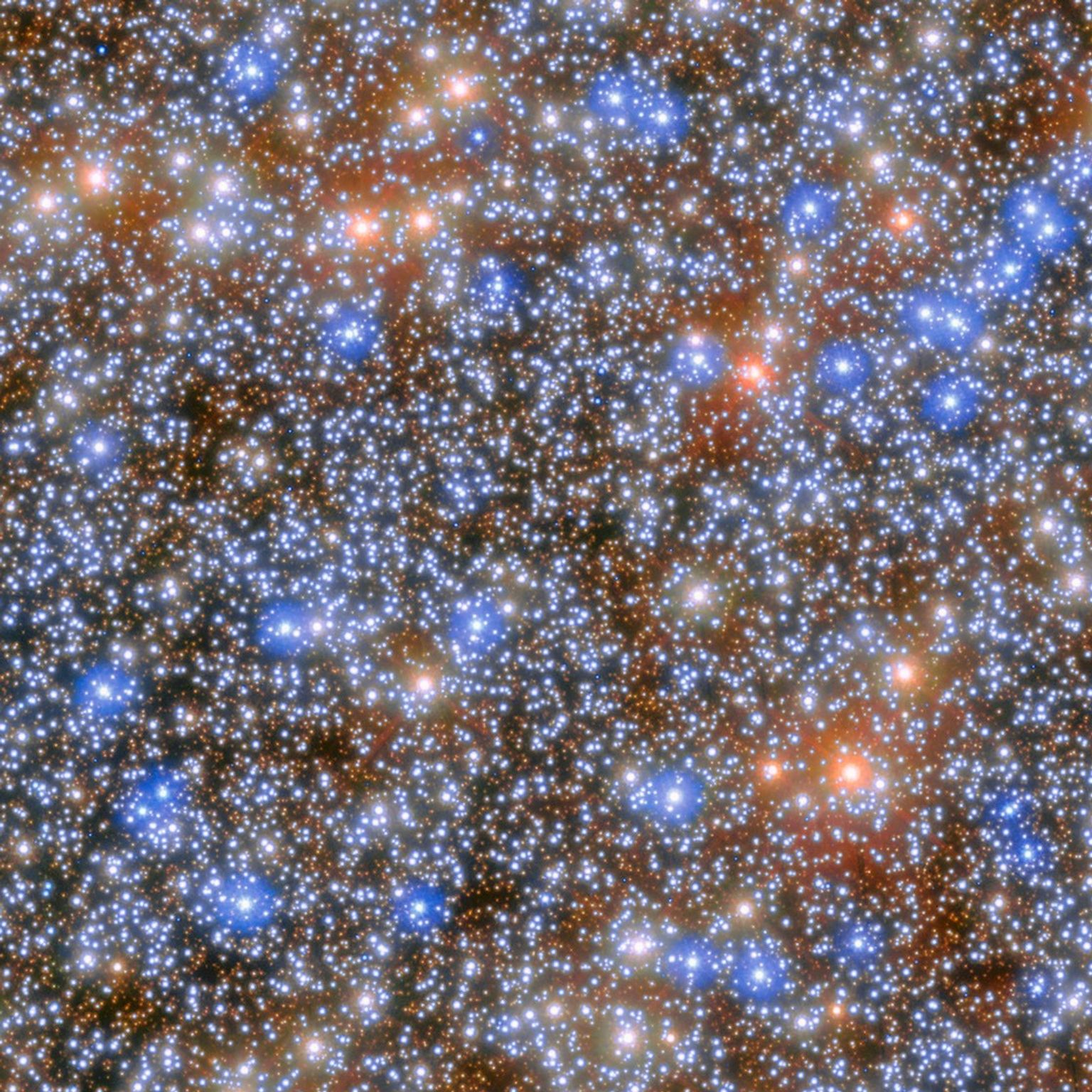
Хаббл сансрын дурангийн шинэ зурагт Мессье 30 (M30 буюу NGC 7099) бөмбөлгөн оддын бөөгнөрөл харагдана. Матарын ордод, Дэлхийгээс ойролцоогоор 27,500 гэрлийн жилийн зайд орших энэ бөөгнөрөл нь хэдэн арван мянгаас хэдэн сая хүртэл од агуулдаг. Ийм бөөгнөрлүүдийн нас 11.5–13.5 тэрбум жил гэж тооцогддог бөгөөд тэдгээрийн зарим нь орчлон ертөнцтэй бараг чацуу.
Бөмбөлгөн бөөгнөрлүүд галактикийн эхэн үеийн хөгжлийн талаар мэдээлэл хадгалдаг тул одон орон судлаачид тэднийг судалсаар иржээ. Зуу гаруй жилийн өмнө Харлоу Шэпли хувьсах оддын ажиглалтаар бөөгнөрлүүдийн байрлал, зайг тогтоохыг оролдож, Нар галактикийн төвд байдаггүй, төв нь Нумын ордын чиглэлд оршдогийг харуулсан. Харин зайны тооцоо нь алдаатай байсан тул Сүүн замыг бодит хэмжээнээс нь хоёр дахин том гэж дүгнэжээ.
M30 болон өөр олон бөөгнөрөл Сүүн замын эргэлтийн эсрэг чиглэлд тойрдог нь тэд манай галактикт анх үүсээгүй байж болзошгүйг示нэ. Судлаачдын үзэж буйгаар Сүүн зам тэднийг алс өнгөрсөн үедээ өөртөө татсан байх боломжтой ч энэ нь баттай дүгнэлт биш юм.
Хаббл M30-ыг олон удаа ажиглаж, судалгааны хэд хэдэн хөтөлбөрийн мэдээллээр хэт ягаан, үзэгдэх болон ойрын инфра улаан гэрлийн нийлмэл дүрс бүтээжээ. Advanced Camera for Surveys болон Wide Field Camera 3-аар авсан өгөгдөл нь хөхөрсөн одод, бөөгнөрөл доторх оддын өөр өөр бүлгийг судлахад ашиглагдсан; өмнөх ажиглалтаас 15 жилийн дараах шинэ хэмжилтүүдээр оддын хөдөлгөөнийг мөн харьцуулжээ. Харьцуулалт хийх, бүдэг оддыг ялган таних боломжийг Хабблын урт хугацааны ажиллагаа болон алсын биетийн өчүүхэн ялгааг ажиглах чадвар бүрдүүлсэн юм.
Дэлгэрэнгүйг эх сурвалжаас харах
Эх сурвалжийг нээх ↓
3 min read
This NASA/ESA Hubble Space Telescope image provides a lesson in galactic history. The sparkling collection of stars is named Messier 30 (M30) after the French astronomer, Charles Messier, who cataloged M30 and other diffuse objects that might be mistaken for comets in the early telescopes of Messier’s time. M30 lies about 27,500 light-years away in the constellation Capricornus.
M30 is a globular cluster: a roughly spherical grouping of stars containing anywhere from tens of thousands to millions of stars. These clusters generally reside on the outskirts of galaxies, orbiting within a vast, diffuse region called the halo like a swarm of moths around a lightbulb. Our Milky Way galaxy has at least 150 globular clusters, the nearest of which is about 6,000 light-years away. These clusters are impressively ancient: astronomers estimate their ages are between 11.5 to 13.5 billion years, making certain globular clusters nearly as old as the universe itself.
Globular clusters have long played an important role in helping us learn about our galaxy. More than a century ago, astronomer Harlow Shapley used observations of a particular type of variable star to measure the locations of and distances to dozens of globular clusters within our galaxy. His work showed that the Sun is not in the center of our galaxy, and that the galactic center lies toward the constellation Sagittarius. (His distance measurements were incorrect, however, and he concluded that our galaxy is about twice as large as it really is.)
Today, astronomers continue to learn about our galaxy by observing globular clusters. Because globular clusters are so ancient, they can give us clues about how our galaxy developed long ago. Globular clusters that formed within our galaxy can act as time capsules, preserving the original chemistry of our young galaxy.
However, it’s possible that not all globular clusters that orbit within our galaxy today formed there. Researchers have discovered that M30 and many other globular clusters orbit in the direction opposite from the way our galaxy spins. This may mean that these clusters did not form within our galaxy at all. Instead, our Milky Way galaxy may have captured them in the distant past!
Hubble has observed M30 multiple times. A previously released image of M30 featured data from Hubble’s Advanced Camera for Surveys (ACS) and was part of an observing program (#10775; PI: Sarajedini) that surveyed dozens of Milky Way globular clusters in red and near-infrared light, revealing stars down to just 20% of the mass of the Sun. A more recent program (#13297; PI: Piotto) returned to M30 and other globular clusters in our galaxy, this time observing the clusters with Hubble’s Wide Field Camera 3 and using three filters that captured bluer light. This program collected data that was critical for studying exotic objects like “blue straggler” stars as well as for investigating the multiple populations of stars that can inhabit a single globular cluster.
More recently, Hubble’s ACS viewed many of these globular clusters again. Those observations were part of a program (#16298, PI: Libralato) that looked at how different populations of stars in globular clusters moved over the 15 years since Hubble first observed them — a feat made possible by Hubble’s longevity and ability to discern fantastically small details in distant objects.
The image above was created with data from all three observing programs and includes the wide range of wavelengths Hubble can see — ultraviolet, visible, and near-infrared light. Each wavelength helps us better understand how these groups of stars formed and evolved.
Text credit: ESA/Hubble
Media Contact:
Claire Andreoli
NASA’sGoddard Space Flight Center,Greenbelt, MD
claire.andreoli@nasa.gov


@NASAHubble