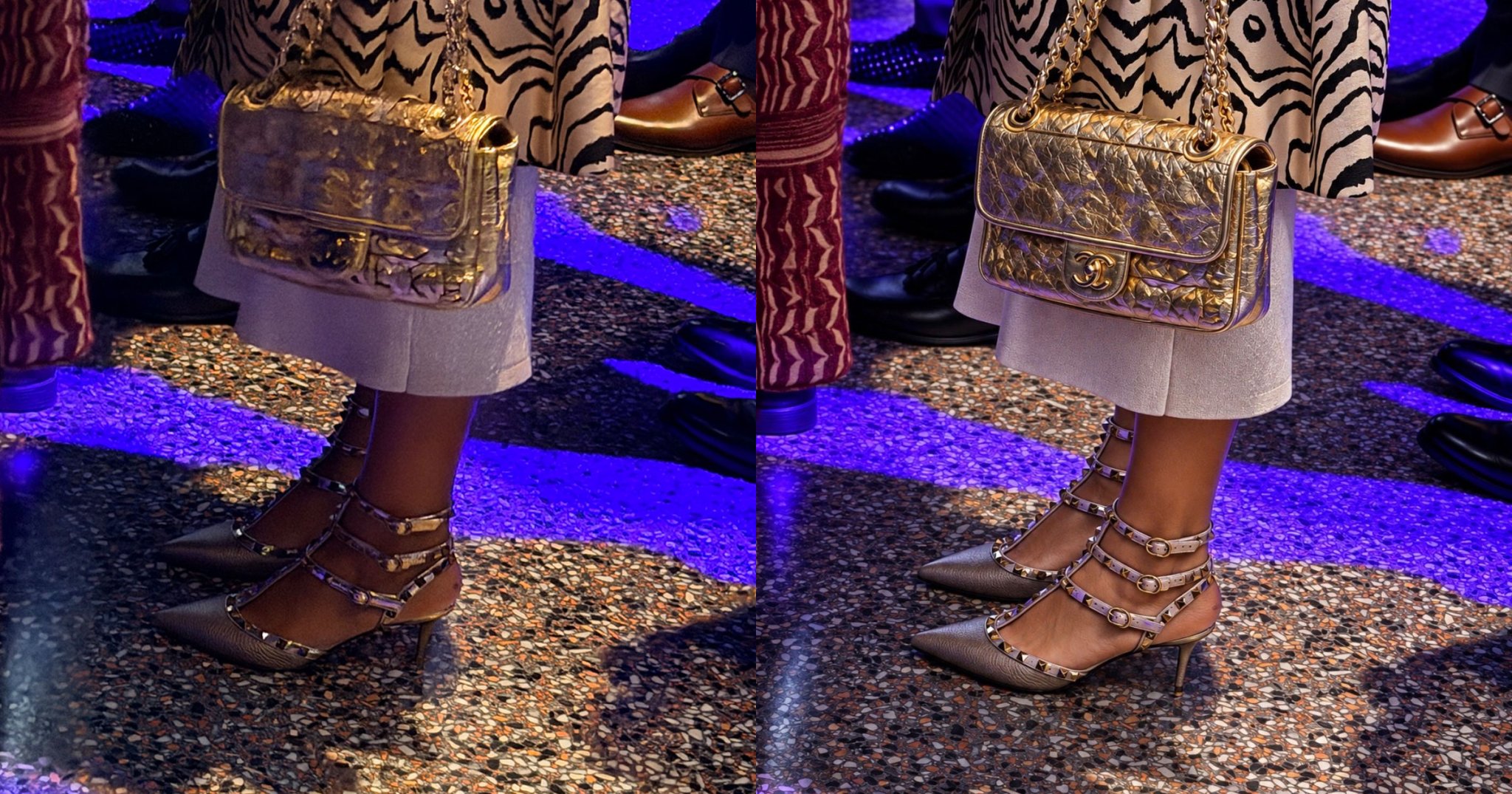
Хиймэл оюун ухааны технологиор зургийн чанарыг сайжруулах нэрээр бодит байдлыг өөрчилсөн нь мэргэжлийн ёс зүйн асуудлыг хөндөж байна.
“The Free Press” сонины сэтгүүлч Оливия Рейнголд Мичиганы Ардчилсан намын сонгуулийн үдэшлэгийн үеэр авсан зургаа хиймэл оюун ухаан ашиглан засварласнаа хүлээн зөвшөөрчээ. Тэрээр тухайн зураг дээрх хүний хувцаслалтыг онцлон, улс төрийн намыг ард түмнээс тасарсан гэх утга бүхий пост оруулсан нь олон нийтийн шүүмжлэлийг дагуулсан юм. Ажиглагчид болон мэргэжилтнүүд зургийн чанар хэт гялалзсан, хиймэл оюун ухааны загваруудад байдаг онцлог шинжийг агуулж байгааг тогтоосон байна.
So far at Abdul El-Sayed’s election night event I’ve spotted, Valentino heels, a Chanel bag, a Moncler jacket, Rolex watches, and a YSL bag among other designer items. pic.twitter.com/ZfV9uIoC8R
— Olivia Reingold (@Olivia_Reingold) November 4, 2026
Рейнголд ChatGPT ашиглан зургийн тод байдлыг нэмэгдүүлж, дүрсний ирмэгийг тодруулснаа тайлбарласан ч энэ нь зургийн анхны мэдээллийг өөрчилсөн гэх шүүмжлэлд өртөв. “Vanity Fair” сэтгүүлийн шинжээчид зураг дээрх цүнх болон гутлын нарийн ширийн зүйлс нь бодит бүтээгдэхүүний загвартай тохирохгүй байгааг онцолжээ. Зургийн детекторын “Pangram” компанийн гүйцэтгэх захирал Макс Сперо хиймэл оюун ухаанаар зургийг сайжруулах нь бодит байдлыг гажуудуулж, сэтгүүлчийн нэр хүндэд эрсдэл учруулдаг болохыг анхааруулсан байна.
Сэтгүүл зүйн салбарт гэрэл зургийн тод байдлыг энгийн аргаар тохируулах нь хүлээн зөвшөөрөгдөх боловч хиймэл оюун ухаан ашиглан шинэ мэдээлэл нэмэх нь бодит байдлаас холдуулж байна гэж салбарынхан үзэж байна. Энэхүү үйлдэл нь сэтгүүлчийн ёс зүйн хувьд байж боломгүй зүйл хэмээн тоймч Брюс Артур шүүмжилжээ. Технологийн дэвшил нь гэрэл зургийн баримтжуулалтын үнэ цэнийг бууруулж болзошгүйг энэ тохиолдол дахин харууллаа.
Дэлгэрэнгүйг эх сурвалжаас харах
↓Эх сурвалжийг нээх ↓
A journalist is being raked over the coals after she was caught using AI to edit a photo of an election night party of Michigan Democrats.
The journalist, Olivia Reingold, is a staff writer for The Free Press, a conservative, billionaire-aligning media outlet best known for ragging about perceived instances of “wokeness” in culture and attacking critics of Israel.
As part of her coverage, Reingold posted a photo on X singling out a woman in a gaudy outfit, seemingly to make a point: that Michigan Democrats are rich and opulent, disconnected from the American working class.
“So far at Abdul El-Sayed’s election night event I’ve spotted, Valentino heels, a Chanel bag, a Moncler jacket, Rolex watches, and a YSL bag among other designer items,” she wrote, referring to the Democratic candidate who prevailed in the Michigan senate race, much to the chagrin of Islamophobes.
Initially, the post was mocked for being frivolous, out of touch, and a poorly conceived hit piece. But soon, observers noticed that the image had a suspiciously glossy sheen characteristic of AI-image generation. Some ran it through image detectors which flagged it as either AI-generated or edited, containing watermark data from an OpenAI model. Others pointed out incongruities in the clothing details. The fashionistas at Vanity Fair noted that “the style and make of the Chanel Flap bag is inconsistent with others the brand has sold, and the Valentino shoes in question appear askew in proportion; their straps have several punched holes that the authentic Valentino style does not.”
As speculation mounted, Reingold finally came clean.
“Hello my name is Olivia Reingold and I used ChatGPT to brighten and sharpen an image of a woman in Valentino shoes and a Chanel bag,” she wrote in a followup post on X, attaching a copy of what she claimed to be the original unaltered photo.
“After processing, it still shows these same things: a woman wearing Valentino shoes and a Chanel bag,” she continued. “She is a real (and chic!) woman, really wearing those items. The observation holds.”
It’s an admission that raises a fair few questions. Why ask a chatbot to do the most basic photo touch up job possible, one that can be accomplished on most smartphones in a matter of seconds? And better yet, is this kind of alteration acceptable for a journalist?
While basic touch ups and exposure adjustments are entirely above board from a photojournalistic perspective, many users argued she went too far by using ChatGPT to “sharpen” the image. The process introduces information that wasn’t originally in the photo, adding another layer of remove from reality to a photo that is already being presented in an arguably disingenuous context.
The texture of the bag in the edited photo, for one, is completely different from the supposed original. The AI edit also seems to have drastically altered the lighting of the image. In the supposed original, the subject is cast in shadow, appearing one with the crowd. In the ChatGPT-doctored one, she appears gleaming and opulent, larger than life.
Max Spero, the CEO of the image detector Pangram, chimed into the drama and wrote in a post that “there is no such thing as a faithful AI upscale.”
“AI will hallucinate details that do not reflect reality,” he added, “and it will put your integrity at risk to present an AI image as reality.”
Bruce Arthur, a columnist, was more scathing. “Actual journalists don’t do this,” he wrote. “Actual journalists should never do this.”
More on AI: Voters Supported Every Single Anti-Data Center Proposal in America, Except One
The post Journalist Admits She Used AI to Edit Photo Smearing Democrat Voters appeared first on Futurism.

