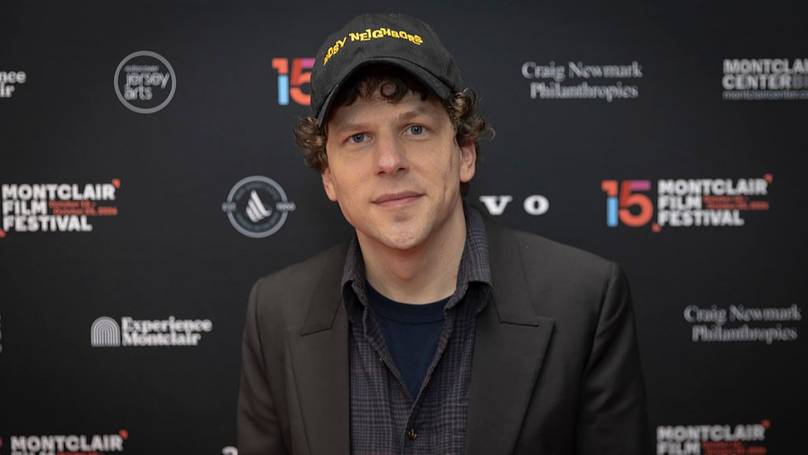
Тэр хиймэл оюуны зохиол бичих чадвар одоогоор хангалтгүй ч, энэ зөрүү хэр удаан үргэлжлэхийг мэдэхгүй байгаагаа хэлжээ.
Жүжигчин, зохиолч, найруулагч Жесси Айзенберг Жулианна Мурын хамт Variety-ийн Awards Circuit подкастад оролцохдоо хиймэл оюун ухаан кино урлагт хэрхэн нөлөөлөх талаар санаа зовниж буйгаа ярьжээ. Тэр хиймэл оюуны загваруудад зохиолын хэсэг бичих даалгавар өгч, хүний зохиолчдыг гүйцэх хэмжээнд хүрсэн эсэхийг үе үе шалгадаг аж.
Айзенберг одоогоор хиймэл оюуны бичсэн хэсгүүд хангалтгүй байгаа нь тайвшруулдаг ч, энэ байдал хэр удаан үргэлжлэхийг мэдэхгүй байгаагаа хэлсэн байна. Түүний хамгийн их түгшдэг зүйл нь хүүхэд нүдний шил зүүж, өөрийгөө гол дүр болгосон хүссэн үйл явдалтай киног хиймэл оюунаар бүтээлгэх боломж юм.
Тэрээр хүний уран бүтээлчид компьютерын хийж чадахгүй хэлбэрээр үзэгчдийг баясгаж, түүх өгүүлсээр байна гэж найдаж буйгаа илэрхийлжээ. Мөн хүмүүс бусадтай нэг өрөөнд цуглан кино үзэхийг хүсдэг ч, уран бүтээлчид цаашид энэ ажлаараа амьдралаа залгуулж чадах эсэхэд эргэлзэж байгаагаа нэмж хэлсэн байна.
Айзенберг хоёр дахь бүрэн хэмжээний кино болох A Real Pain-ийнх нь амжилтын дараа найруулагчийн дараагийн бүтээл The Debut-ээ танилцуулж байгаа юм.
Дэлгэрэнгүй эх сурвалжийг харах
Эх сурвалжийг нээх ↓
Jesse Eisenberg may have famously portrayed Facebook founder Mark Zuckerberg in The Social Network, but when it comes to the real-world tech landscape, the actor-writer-director wants nothing to do with Silicon Valley’s rapid embrace of artificial intelligence.
Speaking on an episode of Variety’s Awards Circuit podcast alongside Julianne Moore, the 43-year-old filmmaker opened up about his deep anxieties surrounding generative AI and cinema.
In fact, Eisenberg confessed his anxiety runs so deep that he routinely runs covert tests on AI models to check whether computer programs are catching up to human screenwriters.
Testing to ensure ‘It’s Bad’
Admitting he is “totally paranoid” about the technology creeping into the writer’s room, Eisenberg revealed he actively prompts AI systems with screenplay requests—just to reassure himself that the results remain unwatchable.
“I’m totally paranoid. I sometimes experiment with AI to see whether it’s good at writing. And it’s still not,” Eisenberg explained. “I’m paranoid, so I check and it still isn’t. Thank God. I say, ‘Write a scene like this.’ I’m just testing it to make sure it’s bad, and it’s still bad.”
While the current output brings him momentary comfort, the Now You See Me star questioned how long human creators have before the gap closes: “So I’m relieved, but, like, how far away is it from being good?” he asked
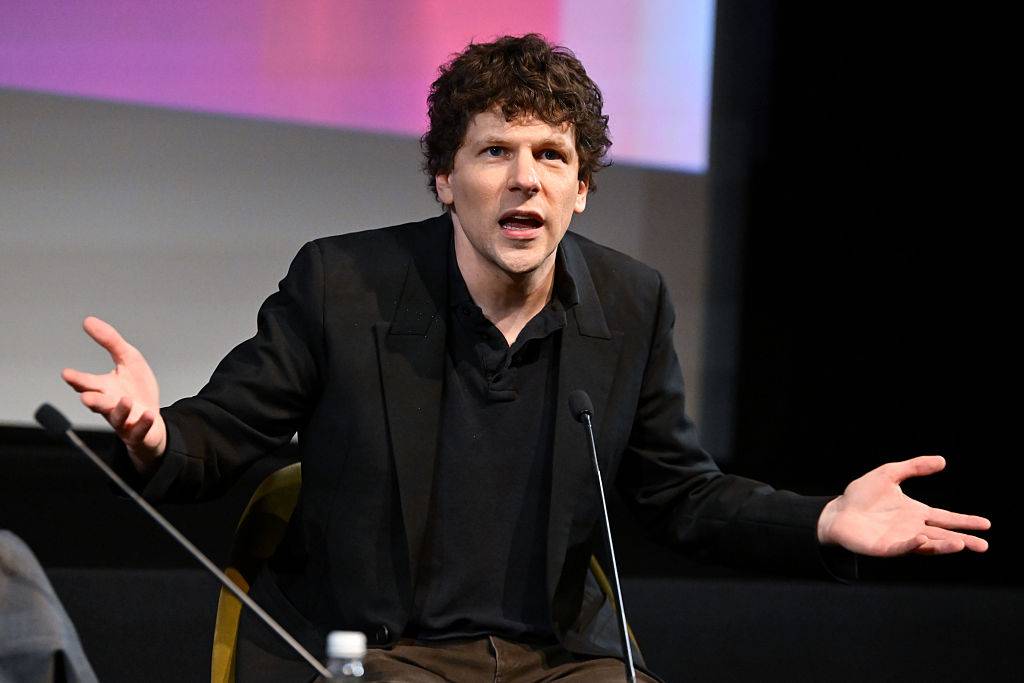
A Dystopian Vision for Cinema
Outlining his biggest fear for future generations, Eisenberg painted an unsettling picture of hyper-personalized, algorithm-driven entertainment replacing communal moviegoing.
“How far are we from a kid putting on a pair of goggles and saying, ‘I want to watch a movie about me where I rob a bank and then kiss the girl I’m in love with at school. Here are pictures of her, here are pictures of me’ and then they press play?” Eisenberg warned. “I’m paranoid about that.”
The existential threat to cinematic storytelling comes at a prolific point in Eisenberg’s creative career. Following the acclaim of his second feature film A Real Pain, the multi-hyphenate has been busy promoting his upcoming directorial effort, The Debut.
Despite his fears of automated entertainment, Eisenberg echoed co-star Moore’s belief that raw human creativity and the shared theatrical experience can still withstand the tech boom.
“Creative spirits will find ways to entertain and delight us and speak about things in a way that maybe computers won’t,” he added. “People want to be in the same room as other people, watching and listening to stories. What I do worry about is whether we’ll still be able to make a living from it. I’m not 100% sure about that.”

