
Нетаньяху тусламжаас үе шаттай татгалзах санал гаргасан ч шийдвэр хоёр улсын цэргийн хамтын ажиллагааны ирээдүйн талаар асуулт үүсгэж байна.
АНУ-ын Ерөнхийлөгч Дональд Трамп мягмар гарагт Израйлд үзүүлэх цэргийн тусламжийг 2026 оны эцэс гэхэд зогсоохоо мэдэгдэв. Жил бүрийн 3.8 тэрбум ам.долларын тусламжийн 3.3 тэрбум нь АНУ-ын зэвсэг худалдан авахад, 500 сая нь пуужингийн довтолгооноос хамгаалах салбарт зориулагддаг. 2019 оноос хэрэгжиж, 2028 онд дуусах ёстой байсан санамж бичгийн хүрээнд олгож буй тусламжийн талаар АНУ, Израйл шинэ тохиролцоонд хүрчээ.
Трамп тусламжийг зогсоох санааг Израйлын Ерөнхий сайд Беньямин Нетаньяху хэдэн сарын өмнө гаргасан гэж мэдэгдсэн. Нетаньяху тавдугаар сард Израйл АНУ-ын цэргийн дэмжлэгээс хараат байдлаа бууруулахыг хүсэж буйгаа илэрхийлж байв. Шинжээчдийн үзэж буйгаар тусламжийг зогсоох нь Израйлд зэвсгээ хаанаас, хэрхэн худалдан авах шийдвэрээ бие даан гаргах боломж олгохын зэрэгцээ хоёр улсын харилцааг шууд тусламжаас зэвсгийн худалдаа, хамтарсан үйлдвэрлэл, тагнуулын мэдээлэл солилцоо зэрэг түншлэл рүү шилжүүлж болзошгүй. Гэвч Израйлын Ерөнхийлөгч Ицхак Герцог уг мэдэгдлийг гэнэтийн зүйл хэмээн тодорхойлсон бөгөөд тохиролцооны талаар тус улсад тодорхойгүй байдал байгааг хэвлэлүүд мэдээлжээ.
Израйлын төсвийн 17 орчим хувийг батлан хамгаалахад зарцуулдаг тул АНУ-ын тусламж зогсвол зэвсэг худалдан авахад шаардагдах хөрөнгийг дотоод эх үүсвэрээс гаргах шаардлагатай болно. Энэ нь батлан хамгаалах болон бусад салбарын зардлыг танах, эсвэл зээл, өрийн хэмжээг нэмэгдүүлэх дарамт үүсгэж болзошгүй. АНУ-аас нийлүүлэхээр амласан зэвсгийн захиалгыг санхүүжүүлэхэд Израйл ойролцоогоор 10 тэрбум ам.доллар олох шаардлагатай гэж АНУ-ын Төрийн департаментын Конгресст хүргүүлсэн баримтад дурджээ.
Эхний үед Израйлын цэргийн чадавхад үзүүлэх нөлөө хязгаарлагдмал байж болох ч F-15, F-16, F-35 сөнөөгч онгоц болон KC-46 шатахуун цэнэглэгч онгоцны нийлүүлэлтийг санхүүжүүлэхэд хүндрэл гарах эрсдэлтэй. Пуужингийн довтолгооноос хамгаалах хамтын ажиллагаа, тэр дундаа Iron Dome, David’s Sling, Arrow системүүдэд олгодог дэмжлэг үргэлжлэх эсэх нь анхаарал татаж байна. Шинжээчдийн хувьд гол өөрчлөлт нь урт хугацаанд зэвсгийн үйлдвэрлэлээ Израйлд төвлөрүүлэх үйл явц түргэсэж болзошгүйд оршиж байгаа бөгөөд тусламжийг бууруулах асуудал АНУ-ын улс төрийн намуудын хэлэлцүүлэгт ч байр суурь эзлэх болжээ.
Дэлгэрэнгүйг эх сурвалжаас харах
↓Эх сурвалжийг нээх ↓
Want to bookmark your favourite articles and stories to read or reference later? Start your Independent Membership today.
Already a member?
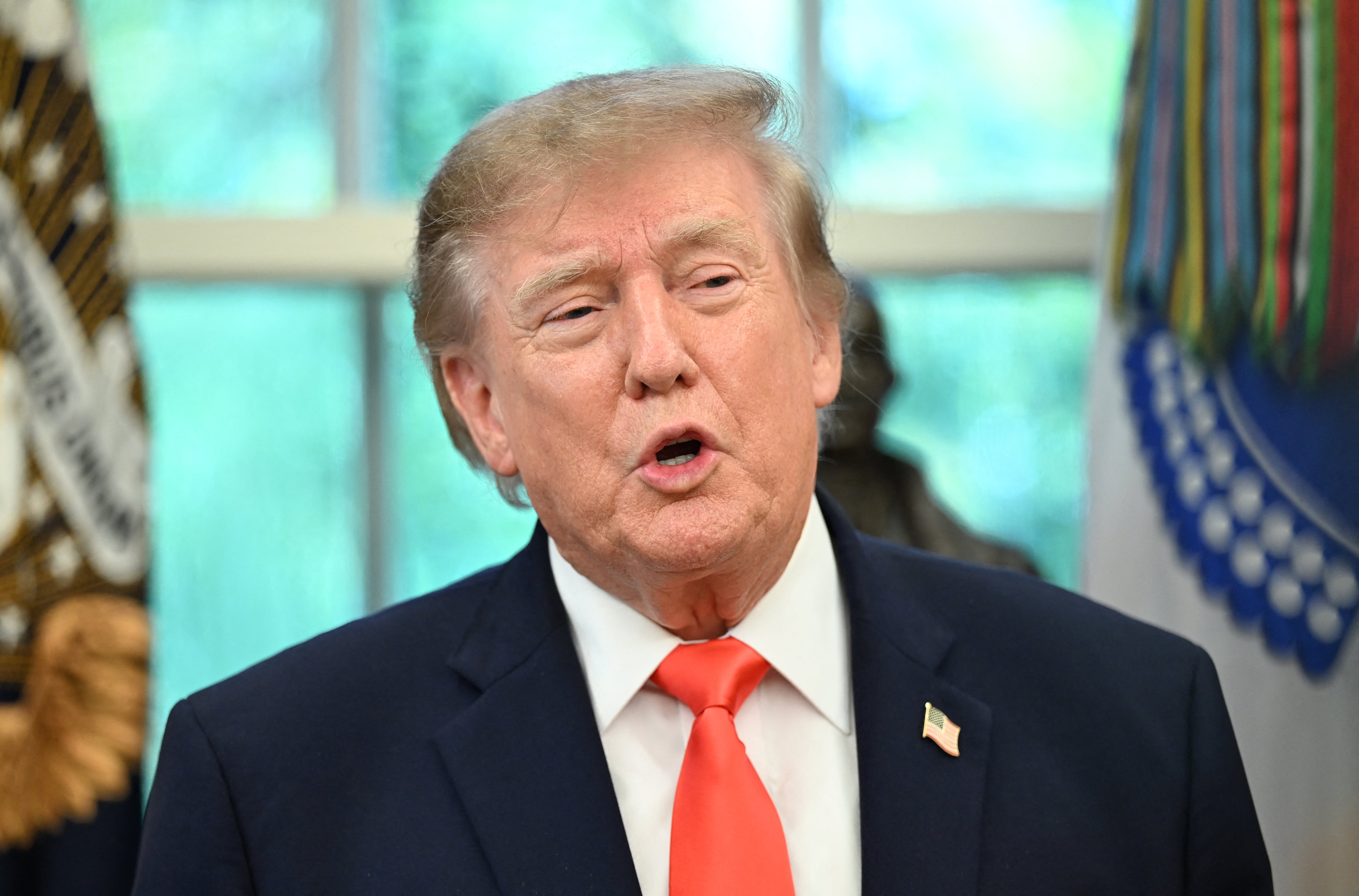
On Tuesday, president Donald Trump made the bombshell announcement that Washington – Israel’s most powerful and longest-standing ally – would end military aid to the country by the end of 2026.
The decision concerns a 10-year pact made during Barack Obama’s administration in 2026 to provide $3.8bn in military aid to Israel every year. This consists of $3.3bn in foreign military financing primarily to purchase US weapons and an additional $500m for annual missile defence.
The Memorandum of Understanding (MoU) starting from 2019 was due to expire in 2028, but the Trump administration made the shocking decision to cut the provision, with almost immediate effect, just two days before America went to the polls to vote in the midterm elections. The Republicans went on to suffer a crushing defeat to the Democrats.
Since Israel’s founding it has been the largest cumulative recipient of US foreign aid, receiving over $300bn in both economic and military support, according to the Council on Foreign Relations.
Many have interpreted the change as a seismic shift in the relationship between the US and Israel, but experts told The Independent that the picture is a little more complicated.
A ‘bolt from the blue’ or a smart strategic decision by Netanyahu?
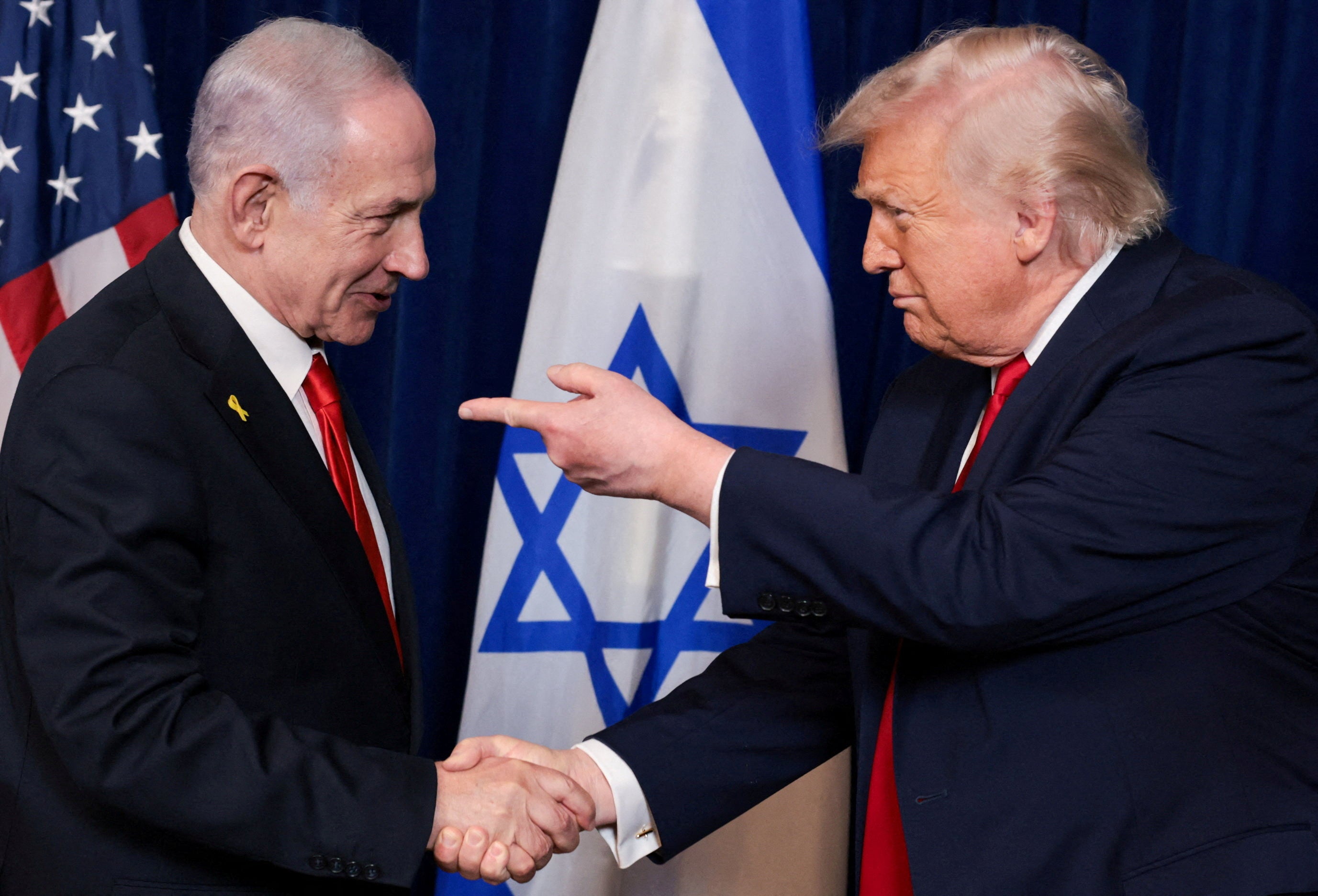
While the move has been interpreted by some as a sign of America’s shifting priorities with a population increasingly unsympathetic to Israel following its war in Gaza, experts say that it is all part of Israeli prime minister Benjamin Netanyahu’s plan.
In May, he told CBS’s 60 Minutes that he wanted to wean Israel off US military support. He even appeared impatient to make the shift saying: “I don’t want to wait for the next Congress. I want to start now.”
Netanyahu said that his goal was to “draw down to zero the American financial support, the financial component of the military cooperation that we have” in an attempt to create a image of Israel as self-reliant and independent. This will be of particular importance with Netanyahu losing his majority in the Knesset.
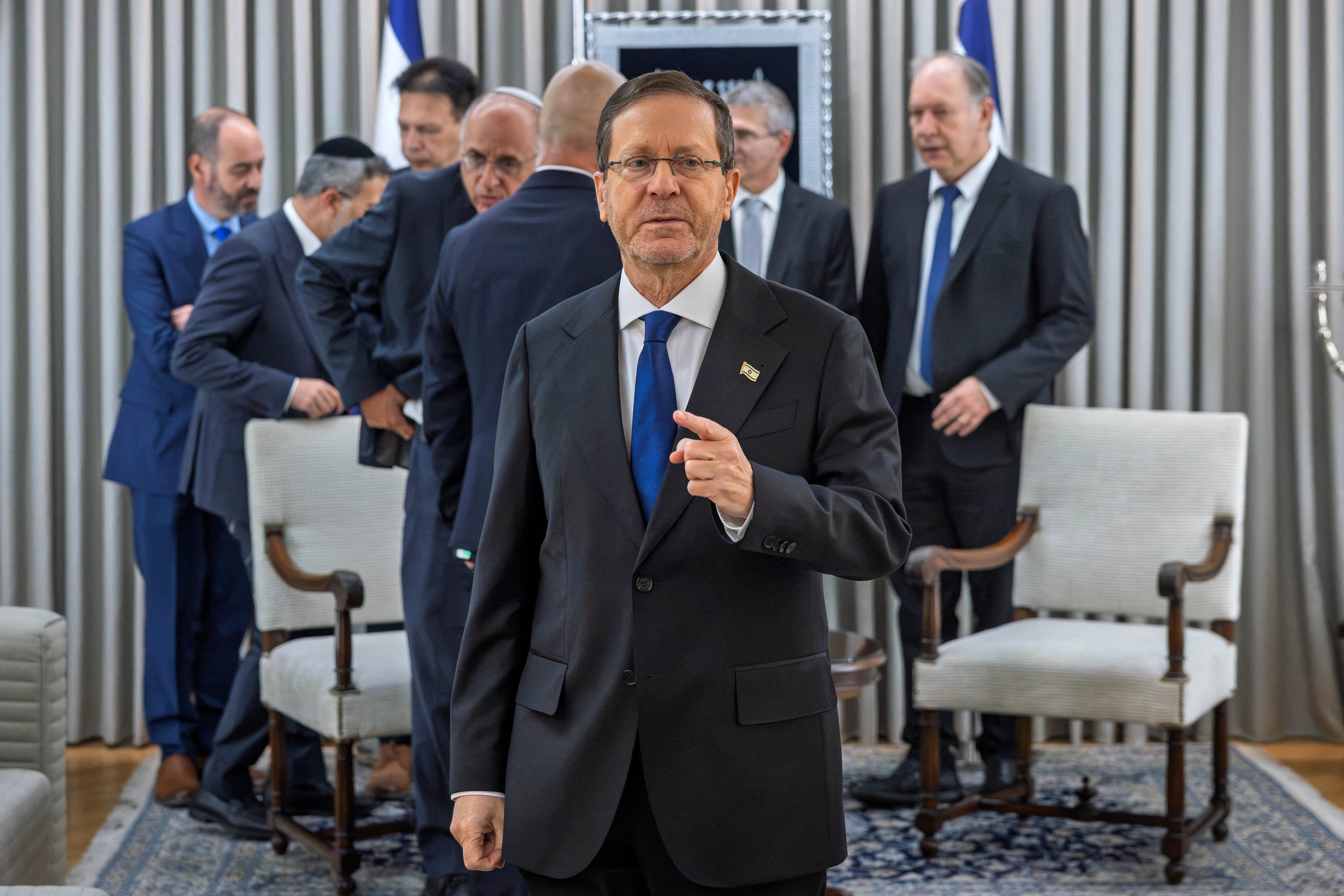
Making his announcement, Trump confirmed that the Israeli leader had come to him with the idea months ago and that they had collectively agreed to cut off support by the end of the year. Netanyahu’s office said on Friday that the end of aid shows the “strength” of the US-Israeli relationship.
“It is his [Netanyahu’s] idea,” says Gregg Roman, executive director of the Middle East Forum. “Ending aid gives Israel full control over what it buys and where it builds it, and it removes the main argument US critics use against the alliance.”
He says that the decision “moves from aid to partnership, with arms sales, co-production, intelligence sharing, and joint operations like the war against Iran.”
Nevertheless, president Isaac Herzog says that the announcement came like a “bolt from the blue” and Israeli media report that there is still considerable confusion around the agreement.
“Nobody knows anything, except that Bibi promised him he would give it up without making a fuss,” one senior Israeli official told Ynet.
How would the cuts impact Israel’s military capacity?
A gap in funding
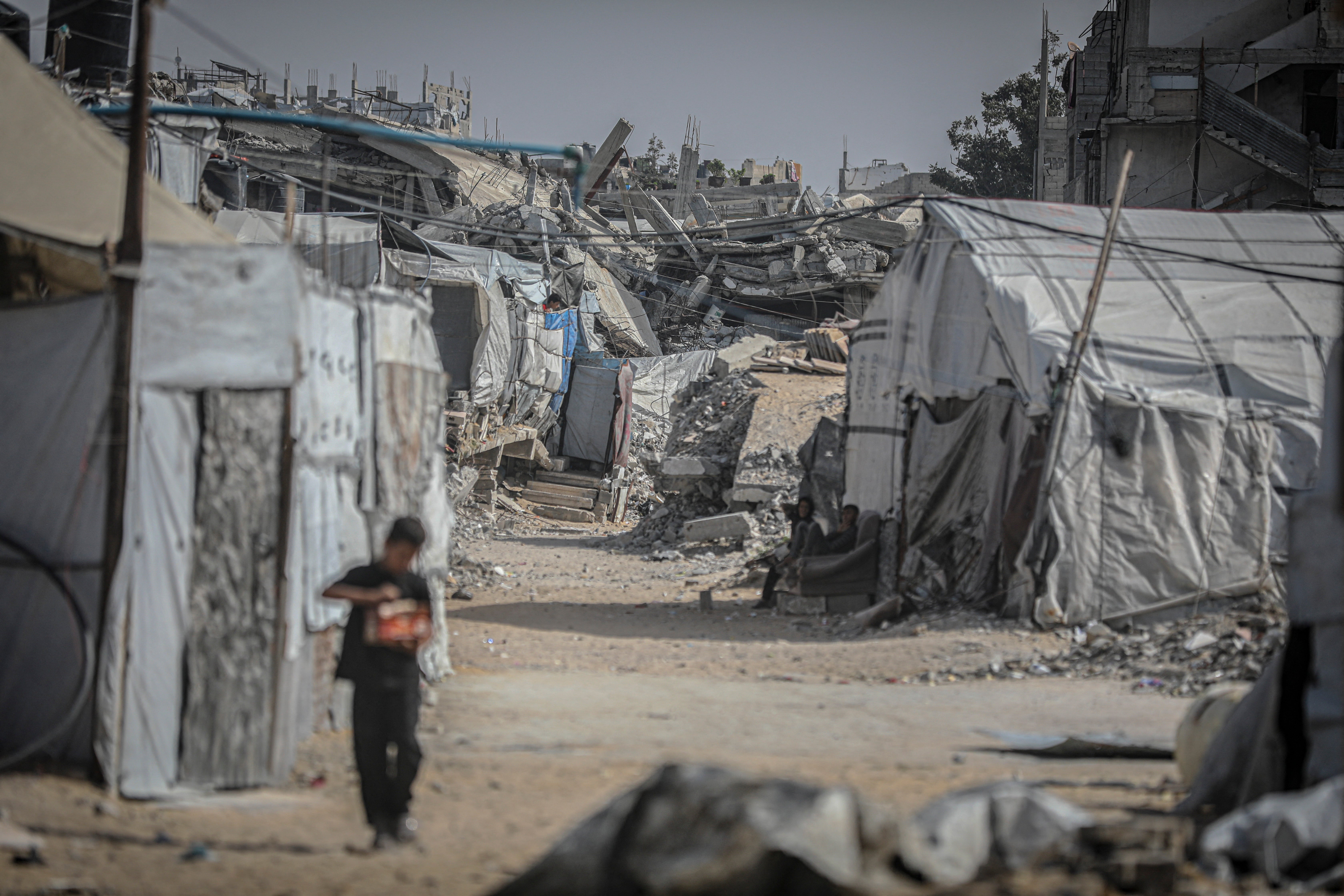
The suddenness of the announcement means that the economic impact on both Israelis and Americans could be powerful.
Around 17 per cent of Israel’s spending is allocated to defence. Without US aid this burden is likely to increase and the effects could be felt by the country’s taxpayers.
It could also affect US citizens, with Ynet citing Israeli assessments that around one million American households whose livelihoods depend on the the production of weapons and ammunitions purchased by Israel, could be impacted.
“Israel will need to draw from its own sources to purchase these weapons,” says Dr Julie Norman, an associate fellow with the Middle East and North Africa Programme at Chatham House.
“That puts a lot of pressure on Israel to figure out where that money – which is significant for Israel – is going to to come from. In order to sustain the current capabilities you need to find $3.8bn in your budget, either by pulling from other parts of defence or from pulling from other parts of your broader ministerial government budget, or from increasing your borrowing and your broader economic debt.
“This does put economic pressure on Israel, crucially, I would say at a time when Israel is also facing increasing economic pressure from the announcement of at least some targeted sanctions from the UK, from European states and from others.”
Effect on Israel’s weapons
While Israel will have to find its own money to purchase the American weapons it buys back using US aid with the bulk of the $3.3bn allocated for military financing, this will not end joint missile defence and development, where the rest of the annual funding tends to go.
”My expectation is that there will be some sort of carve out to allow for that cooperation to continue,” says Dr Norman. “That’s something that I think many American politicians, even in this different political landscape with Israel will see as important for both US and Israeli defence.”
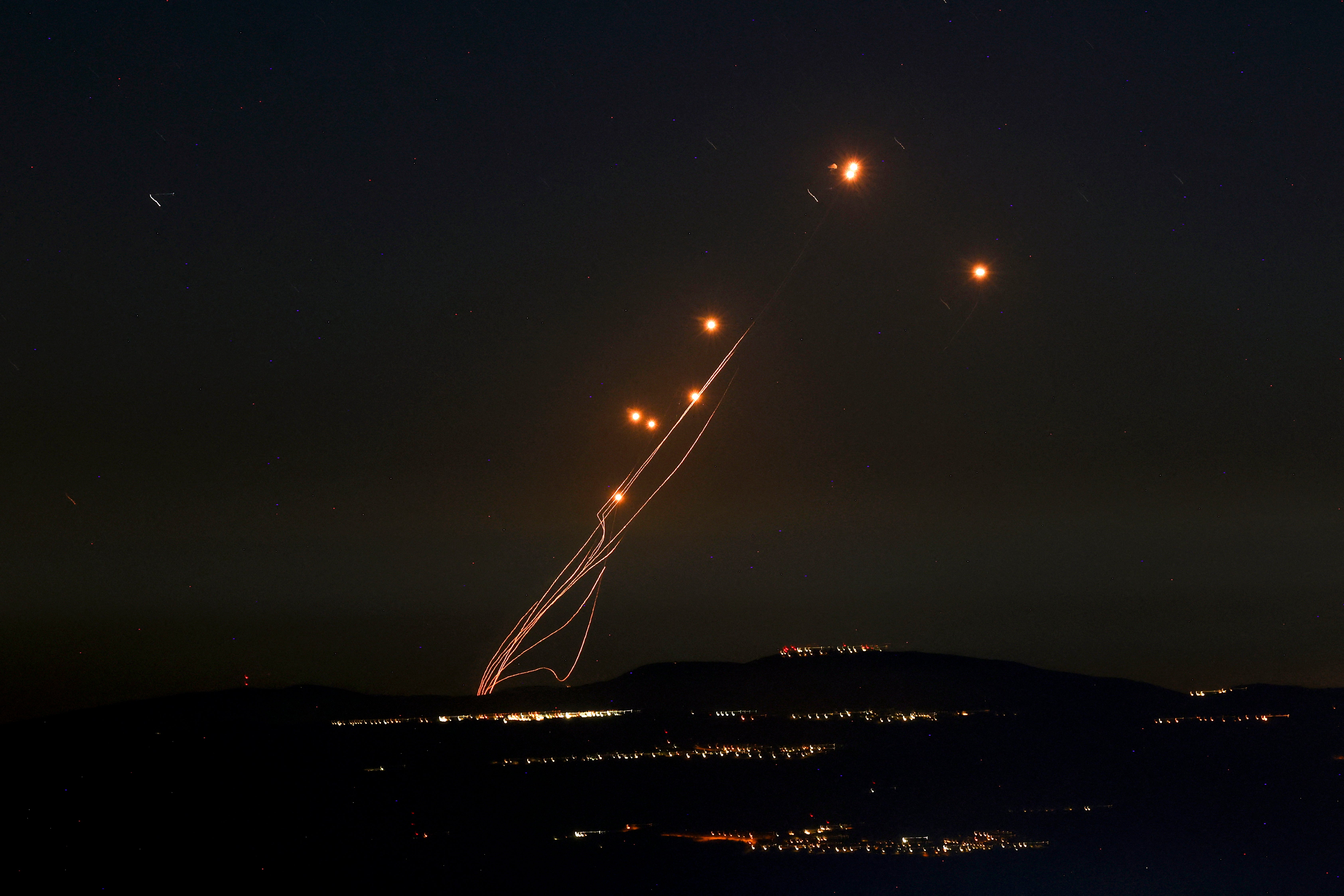
Mr Roman agrees and says that the $500 million line co-funds the Iron Dome, David’s Sling, and Arrow, so missile defence could be what to watch.
Nevertheless, analysis by the Wall Street Journal reveals that billions of dollars worth of orders for US military hardware means that getting out of the agreement so quickly could be more complicated than it appears.
Because the US has already pledged around $7bn in aid over the next two years, Israel will have to find $10bn to pay for outstanding orders, according to a State Department document sent to Congress, reviewed by the WSJ.
Mr Roman says that the impact operationally is likely to be small initially but larger over a decade.
“Nearly all of the military financing funding buys the American platforms the Israeli Air Force flies: F-15s, F-16s, F-35s, and KC-46 tankers. Planes keep flying. The defence ministry has to find shekels for those deliveries or stretch them out,” he explains.
“The larger effect is industrial. Israel has moved more munitions production home since Washington held back 2,000-pound bombs in 2024, and ending aid speeds that shift.
“Israeli firms built US production lines partly to win aid-funded contracts, and one major firm told Calcalist it will now reassess its American production.”
What does this mean for the US-Israeli relationship?
The larger significance of the decision could be what it implies about the state of the political relationship between the US and Israel.
”Politically this is an incredibly important statement,” says Dr Norman.“For years, even predating this current arrangement, the idea of giving direct military aid without a traditional contract and traditional procurement process has been part of the political posturing for Washington towards Israel.
”So this marks something very different. It’s also extremely significant that it is not just coming from one party, it is coming from both. It would have been just unthinkable a couple of years ago that the parties would in fact be jockeying to get ahead of each other to announce a drawdown of military aid to Israel.”
She suggests that Netanyahu could have read the “writing on the wall” when it comes to US sentiment and sought to get ahead of the situation. But she says that the speed with which the funding is to be cut would have likely been unexpected.
Mr Roman adds that “the test comes on 3 January when the new Congress takes the purse”. With Israeli elections last week culminating in an undecided outcome meaning that a government is yet to be formed, it is possible that Congress could shift its position depending on whether Netanyahu or opposition leader Gadi Eisenkot are in power.

