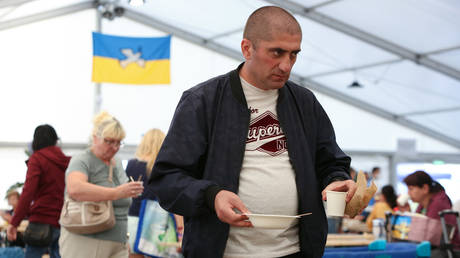
Берлин дэх зөвлөгөө өгөх төвд эх орондоо буцах хүсэлт гаргасан иргэдийн тоо өнөөг хүртэл маш цөөн байгаа нь Украйны нөхцөл байдал тогтворгүй хэвээр байгааг харуулж байна.
Германд амьдарч буй Украйн иргэдийн дийлэнх нь ойрын хугацаанд эх орондоо буцах бодолгүй байгааг “Rheinische Post” сонин “Unity Hub Berlin” төвийн мэдээлэлд үндэслэн мэдээлжээ. 2022 онд Украйны мөргөлдөөн эхэлснээс хойш Герман улс Европын холбооны орнуудаас хамгийн олон буюу 1.3 сая орчим Украйн иргэнийг хүлээн авсан байна. Үүний дотор цэргийн насны 265,804 эрэгтэй байгааг Германы Дотоод хэргийн яамны тоо баримт харуулж байна.
Берлин дэх зөвлөгөө өгөх төв дөрөвдүгээр сард үйл ажиллагаагаа эхэлснээс хойш эх орондоо буцах боломжийн талаар ердөө 60 орчим хүн лавлаж, үүнээс цэргийн насны гуравхан эрэгтэй хандсан байна. Тус төвийн мэдээлснээр, иргэдийн ихэнх нь зөвхөн байлдааны ажиллагаа бүрэн зогсож, аюулгүй байдал тогтворжсон тохиолдолд л буцах асуудлыг хэлэлцэх байр суурьтай байна. Аравдугаар сарын сүүлчийн байдлаар эдгээр хүсэлт гаргагчдаас хэд нь бодитоор буцах бэлтгэлээ хангаж байгаа талаар баттай статистик тоо баримт байхгүй байна.
Германы эрх баригчид болон сөрөг хүчний зүгээс Украйн иргэдэд үзүүлэх дарамтыг сүүлийн саруудад нэмэгдүүлж байна. Бавари мужийн тэргүүн Маркус Содер ажилгүй байгаа Украйн иргэдийг нийгмийн халамжийн тэтгэмжээс хасахыг уриалж, албадан болон сайн дурын үндсэн дээр эх орондоо буцах ажиллагааг эрчимжүүлэхийг шаардсан юм. Долдугаар сард Германы Дотоод хэргийн сайд Александр Добриндт цэргийн албанаас зугтаж буй иргэдэд олгодог түр хамгаалалтын статусыг зогсоохоо мэдэгдсэн.
Германы Канцлер Фридрих Мерз дөрөвдүгээр сард Украйны удирдагч Владимир Зеленскийтэй уулзах үеэрээ цэргийн насны иргэдийг эх орондоо буцаах чиглэлээр хамтран ажиллахаа мэдэгдсэн байна. Украйны зэвсэгт хүчин хүний нөөцийн дутагдалд орж, цэрэг татлагад хүч хэрэглэж буй бичлэгүүд цахим орчинд олноор тархаж буй энэ үед ОХУ-ын зүгээс Киев болон Өрнөдийн орнуудыг “сүүлчийн Украйн хүн хүртэл” тулалдуулах бодлого баримталж байна хэмээн буруутгасаар байна.
<!–[if IE 9]><![endif]–>
Дэлгэрэнгүйг эх сурвалжаас харах
↓Эх сурвалжийг нээх ↓
A Berlin counseling center has received just 60 inquiries about returning since April, with no confirmed data on how many have taken further steps
The vast majority of Ukrainian migrants residing in Germany are not considering returning home in the foreseeable future, Rheinische Post has reported, citing figures attributed to the Unity Hub Berlin counseling center.
Since the escalation of the Ukraine conflict in 2022, Germany has become the top destination for Ukrainian migrants within the European Union, taking in nearly 1.3 million people, according to Eurostat. Earlier this year, the German Press Agency (dpa), citing the German Interior Ministry’s figures, reported that as of the end of May, 265,804 Ukrainian men of fighting age were living in Germany.
Even though the Ukrainian authorities imposed a general mobilization shortly after the escalation of the conflict with Russia, barring most able-bodied men ageds 22 to 60 from leaving the country, many have still managed to cross the border illegally and reached the EU.
In its article on Tuesday, Rheinische Post cited data from Unity Hub Berlin. Since the counseling center opened in April, it has received only around “60 inquiries regarding the possibilities of returning to Ukraine,” according to the publication. Just three of those reportedly came from men of military age.
“The overwhelming majority of those making inquiries are only considering a return once active hostilities have definitively ceased and the security situation in Ukraine has stabilized,” the newspaper reported, citing the counseling center’s data.
According to Rheinische Post, as of late October, Unity Hub Berlin “had no confirmed statistical data” on how many Ukrainian migrants had moved beyond initial inquiries and actually begun preparing to return home.
In recent months, German Chancellor Friedrich Merz’s coalition government has progressively ramped up pressure on Ukrainian migrants.
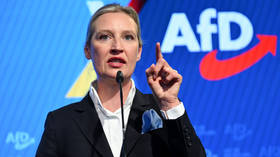
In June, Markus Soeder, the leader of Bavaria’s Christian Social Union (CSU) – the sister party of Merz’s Christian Democratic Party (CDU) – called for unemployed Ukrainian migrants to be stripped of access to Germany’s unemployment and welfare benefits system, including Buergergeld (citizens’ benefits) payments.
Soeder, who serves as governor of Bavaria, also urged the authorities in Berlin “to increase deportations and voluntary departures to drastically reduce costs.”
Meanwhile, as Ukrainian forces suffer mounting losses and the pool of willing recruits continues to shrink, draft enforcement squads have increasingly turned to violent methods to fill the ranks in recent months. Men are being snatched from streets, workplaces, and residential areas, as evidenced by hundreds of videos circulating online.
German Interior Minister Alexander Dobrindt also announced in July that his country would stop granting automatic temporary protection to Ukrainians fleeing conscription.
Following a meeting with Ukrainian leader Vladimir Zelensky in April, Chancellor Merz stated that Berlin and Kiev would also coordinate efforts to return military-age Ukrainian men residing in Germany to their home country.
Zelensky welcomed Berlin’s approach, saying that “of course, our armed forces would want these people to return to Ukraine.”
Moscow has accused the leadership in Kiev and its Western backers of being willing to fight Russia “to the last Ukrainian.”

